
An evaluation of the COROS PACE 4 Pro smartwatch launch, analyzing its $449 price, 60-hour GPS battery, and updated specifications for veteran athletes.





On September 22, 2026, the technology publication Tom's Guide reported on the launch of the COROS PACE 4 Pro smartwatch. The publication noted that the watch entered the United States market at $449 and the United Kingdom market at £389. This release introduced premium materials and updated specifications to the manufacturer's lineup. For endurance athletes comparing current options for training data, the new device warrants careful review.
The primary takeaways from the recent hardware reporting focus on display size and physical construction. COROS lists the watch with a 1.47-inch display. The manufacturer states that the device features a 43-gram design.
Beyond the screen, the physical construction introduces premium materials to the lineup. The manufacturer built the device with a titanium bezel and sapphire glass. These structural updates differentiate the Pro model from earlier iterations in the product family.
The use of sapphire glass specifically addresses the wear and tear of daily training. Standard glass screens often accumulate scratches from grit, sand, and accidental impacts during outdoor workouts. Over several years, these minor abrasions can degrade screen visibility significantly. Sapphire glass maintains its clarity to extend the functional lifespan of the device.
Battery life remains a central specification for long-distance training tracking. COROS lists up to 21 days of daily use for the device. The manufacturer also gives a separate figure of up to 60 hours of GPS battery life. Athletes must weigh these distinct usage claims against their personal training schedules.
The manufacturer promotes the device as a comprehensive multisport tool. COROS lists dedicated modes for running, cycling, and swimming. The product also features specific triathlon and multisport modes. Furthermore, the product page advertises dual-frequency GPS, mapping capabilities, and specific training tools.
The pricing structure provides context for where this device sits in the current market. Tom's Guide reports that the standard PACE 4 costs $249 in the United States and £229 in the United Kingdom. The aluminum model of that same standard watch costs $279 in the United States. At $449, the PACE 4 Pro represents a noticeable step up in price within the company lineup.
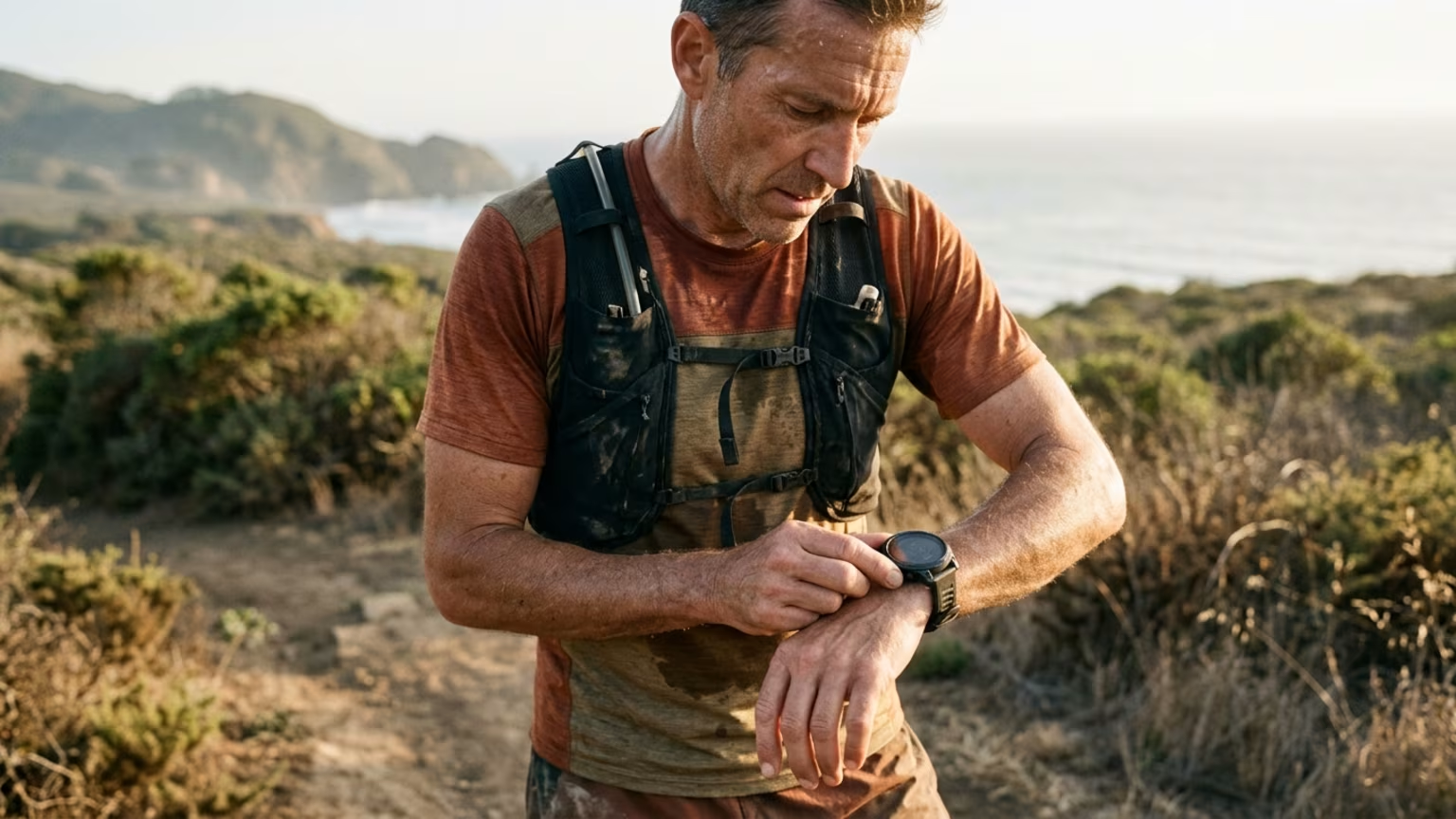
Endurance athletes over 35 require practical utility from their training data. A large display directly addresses the reality of aging eyes during early morning sessions. When you are pushing the pace at dawn, a 1.47-inch screen makes reading heart rate zones significantly easier. Clear visibility is particularly important when navigating complex training routes.
Visibility is also crucial when managing interval sessions or complex track workouts. A bright display offers strong contrast that helps runners read their metrics quickly. Quick glances at your wrist reduce time spent looking away from the road. Maintaining focus on the path ahead is essential for older athletes avoiding uneven terrain.
Managing battery life is another critical factor for consistent training execution. The reported 60 hours of GPS battery life supports multiple weeks of standard marathon preparation. If you train for ultra-endurance events, this capacity allows you to complete long races without mid-event charging. This remains highly manageable for athletes who build charging into their weekly routine.
Battery anxiety can distract from the actual purpose of training. Knowing your watch will last through a long weekend of back-to-back sessions provides peace of mind. The capacity for 21 days of daily use means the watch functions reliably as an everyday activity tracker. Consistent daily wear provides a more accurate picture of your baseline metrics.
Evaluating the financial investment is essential when upgrading your gear and technology for the season. The $449 price point demands a careful assessment of your actual needs. Athletes must decide if titanium materials justify the additional cost over the $249 base model. Your specific training environment should dictate whether this premium investment makes sense.
The titanium bezel and sapphire glass provide resistance against scratches and impacts. This durability matters for athletes who frequently train on rugged trails or participate in demanding multisport events. However, these premium materials will not automatically make you a faster runner. They simply ensure the watch can survive the physical demands of long-term, outdoor training.
The inclusion of mapping and dual-frequency GPS offers specific utility for trail runners. Dual-frequency GPS provides more reliable pace data in urban environments or dense forests. Reliable data helps athletes avoid running too fast on scheduled easy days. Proper pacing is fundamental to long-term injury prevention and consistent progression.
Mapping features also provide a margin of safety for athletes running in unfamiliar areas. Getting lost during a long run adds unintended miles and physical stress to your body. Reliable offline maps help athletes execute their planned routes precisely. Executing the exact prescribed volume is crucial for older athletes managing recovery.
Data collection only matters if it improves your physical execution over time. The dedicated multisport modes allow athletes to track cross-training efforts accurately. Swimming and cycling are excellent tools for building aerobic capacity without the impact of running. Tracking these activities carefully helps manage your overall training volume effectively.
The dedicated triathlon mode simplifies the transition between disciplines during complex race days. Fumbling with a watch during a transition zone adds unnecessary stress and time to your event. A dedicated mode allows athletes to focus entirely on their physical execution rather than technical troubleshooting. This streamlined approach benefits older athletes who prioritize smooth, efficient racing.
We know that training by data after 40 requires a balanced approach to the metrics on your wrist. The COROS training tools provide helpful guidelines, but they are not absolute mandates. Older athletes must still listen to their bodies and adjust their effort based on physical sensation. Technology serves as a reference point rather than a strict coach.
Monitoring your baseline fitness requires consistent daily use of your tracking tools. The lightweight 43-gram design makes it easier to wear the device continuously without discomfort. Continuous wear provides a more complete picture of your daily activity levels. However, athletes must ensure they use this data to support their recovery and mobility routines.
The watch will collect data, but you must take the necessary actions to recover properly. Sleep metrics and training load numbers cannot replace the value of adequate rest. If the watch indicates high fatigue, older athletes must possess the discipline to scale back their workouts. Real maturity in endurance sports means respecting the limits of your physical readiness.
Ambitious athletes must focus on tools that support endurance durability over multiple competitive seasons. A heavy watch can cause minor discomfort or alter running mechanics slightly over a marathon distance. The 43-gram weight of the PACE 4 Pro ensures the device remains unobtrusive during long efforts. Selecting comfortable equipment removes unnecessary friction from the daily training process.
The true value of any watch depends on how consistently you apply its data to your routine. Focus on how the tool integrates into your established habits. A watch that tracks 60 hours of GPS activity is only useful if your body can sustain the workload. The focus must always remain on sustainable physical preparation.
For the ambitious older athlete, the COROS PACE 4 Pro offers a compelling mix of battery endurance and multisport tracking, provided the premium price aligns with your specific navigational needs.

Follow ReEndure for practical insights on endurance training, recovery, nutrition and healthy aging. Stay connected for new articles, research led guidance and ideas to help you perform better for longer.





Read practical ideas on endurance training, recovery, nutrition and healthy aging to keep progressing for years to come.
Read the Blog