Your best miles are still ahead
Read practical ideas on endurance training, recovery, nutrition and healthy aging to keep progressing for years to come.
Read the Blog

Use performance, fatigue, sleep and motivation to inform training adjustments, with clear guidance on when persistent problems need professional assessment.

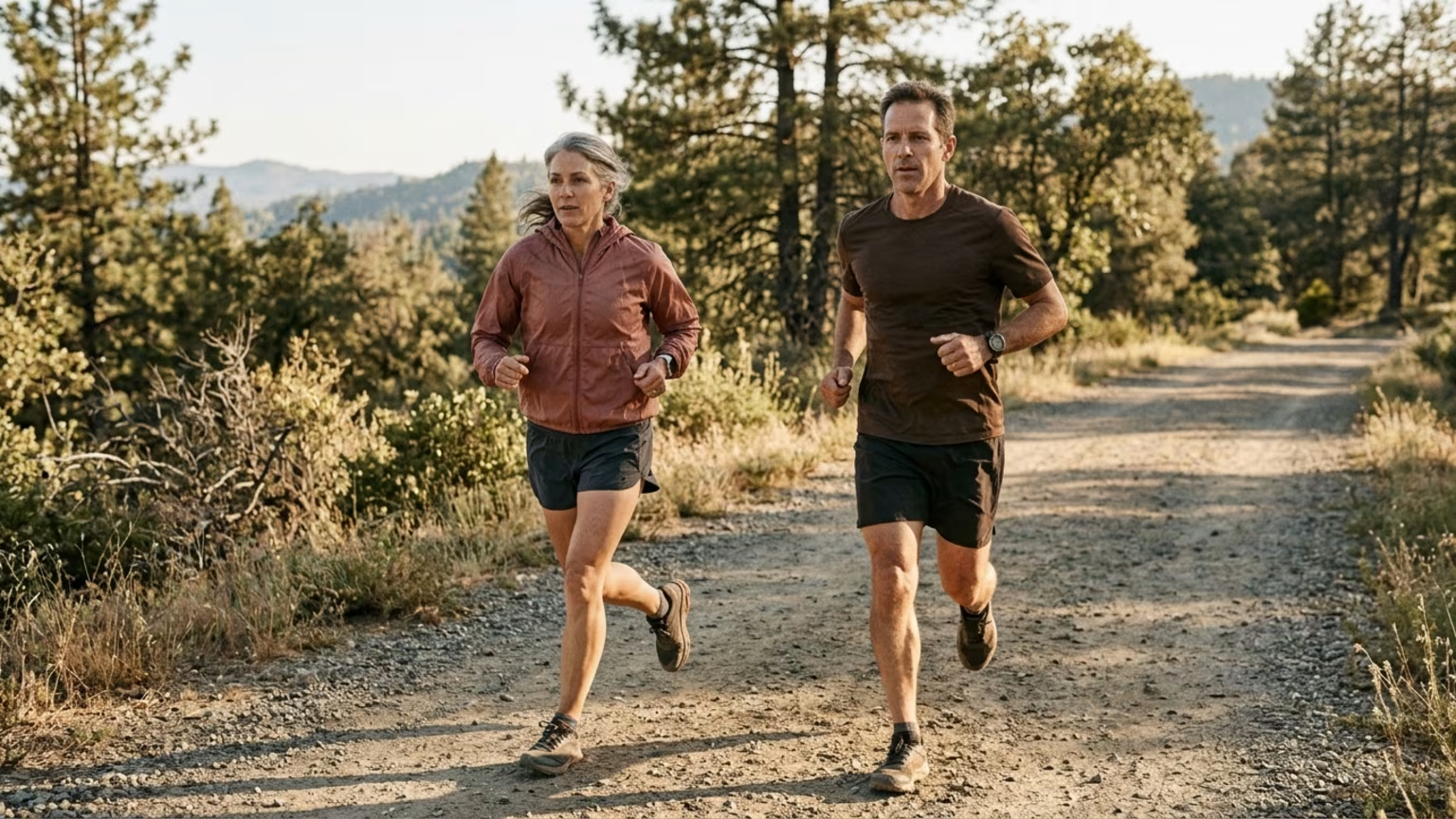
Compare polarized and pyramidal training after 35, with research findings and a practical way to review easy, moderate, and hard sessions.

A review found time-sensitive endurance benefits from ice baths. We examine the evidence quality and implications for athletes over 35.
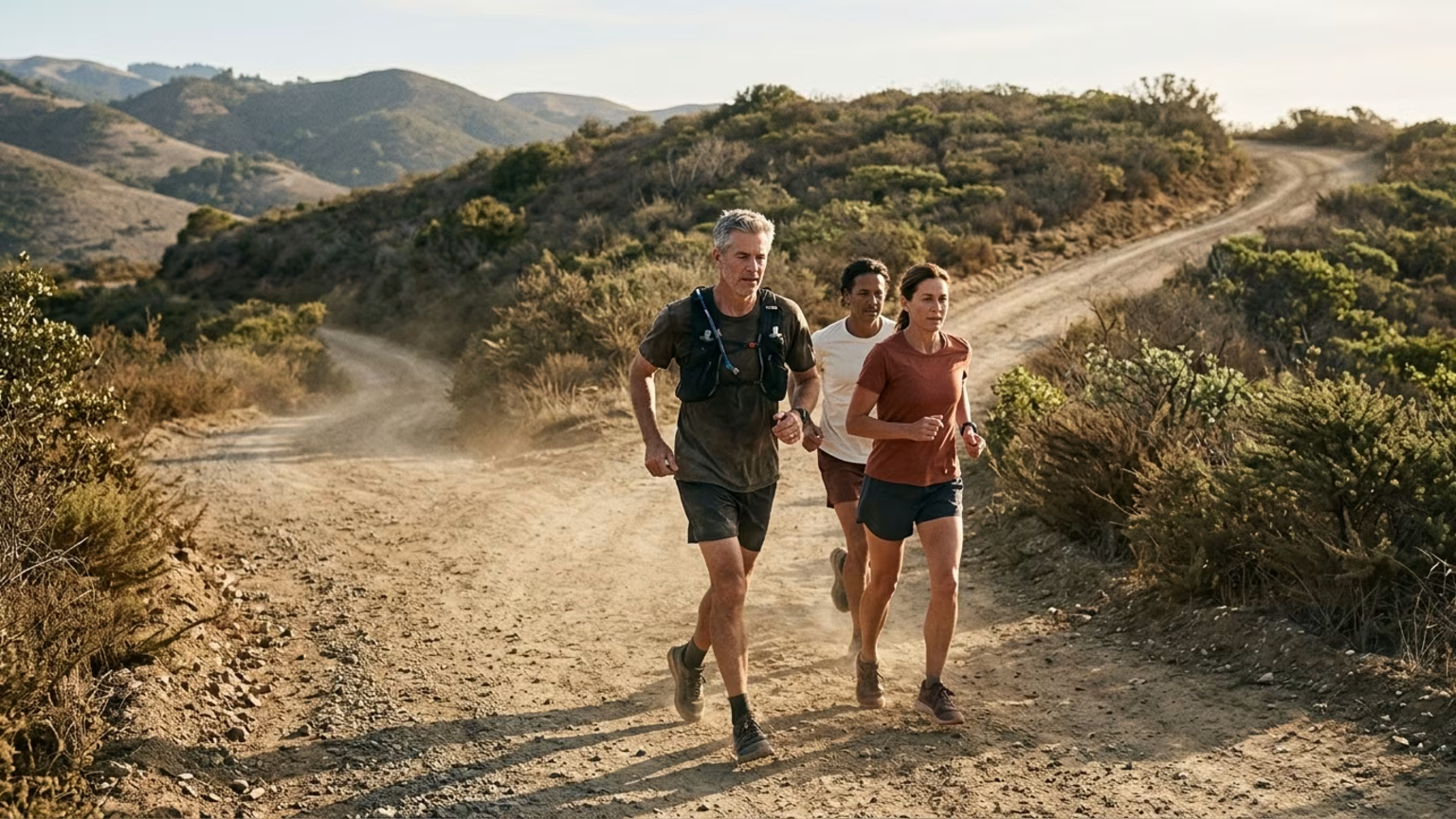
Compare polarized and pyramidal training, then use event goals, training history, and recovery observations to choose an intensity mix after 35.

Understand VO₂max and aging research, then use age-group findings to frame individualized training decisions without treating averages as forecasts.

An evidence-aware guide to fitting strength work around endurance priorities, with practical planning questions and clear limits on minimum-dose claims.

Learn how to assess recovery, adjust demanding sessions and preserve training ambition without relying on a universal age-based rest rule.
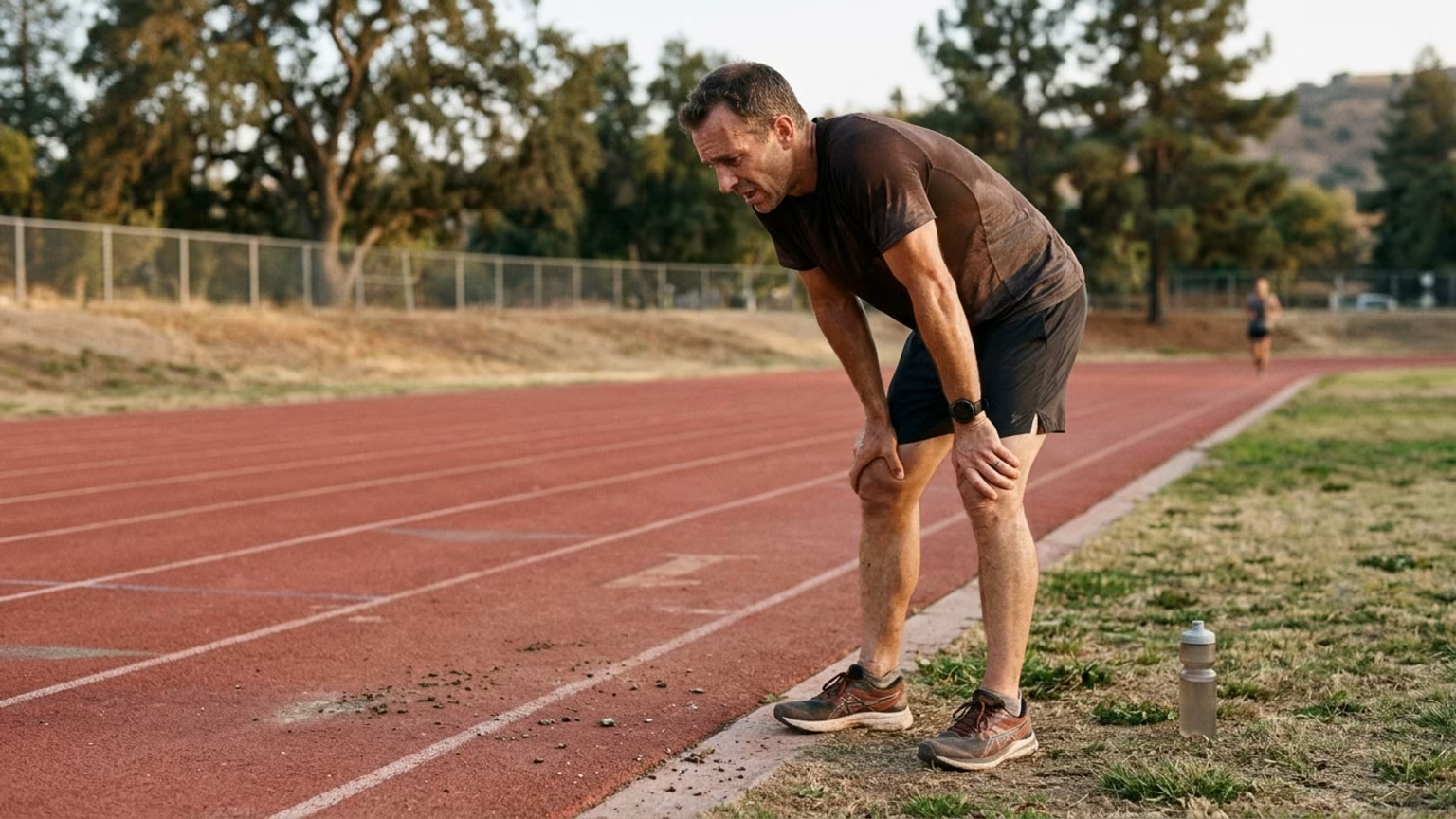
A systematic review links hypoxic sprint losses to severity and repetition, with important limits for endurance athletes over 35.

Update Akademie’s carb-loading guidance leaves out depletion. Here’s how event duration, reduced training and familiar foods shape its advice.

Why a cycling review points beyond the heart in age-related VO₂ max decline, and how athletes over 35 should interpret the training evidence.

Use performance and well-being patterns to weigh training, modification, or rest, with wearable scores as context rather than a verdict.
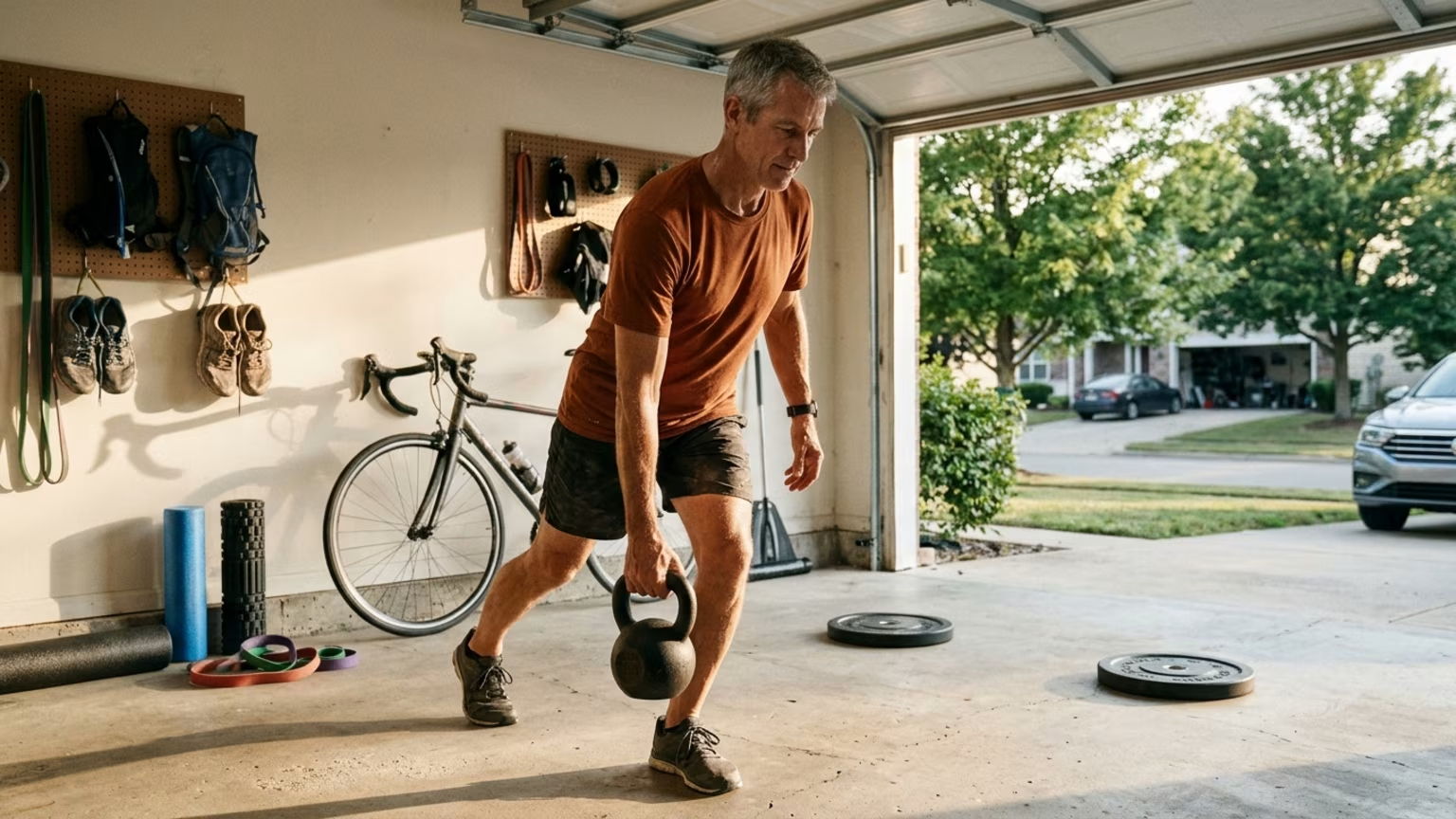
A research-based FAQ on combining strength and endurance training, protecting key sessions, and weighing options for masters athletes.

Compare polarized and pyramidal training after 40, count intensity by time, and weigh recovery without treating 80/20 as a fixed rule.

A report on ACSM evidence suggests every set need not reach failure. A measured interpretation for endurance athletes over 35.

Suunto’s profile of Zouhair Talbi offers a case study in workout judgment, with a measured takeaway for endurance athletes over 35.

A small sock study reported lower energy use during walking. We examine the design, evidence limits and implications for endurance athletes over 35.
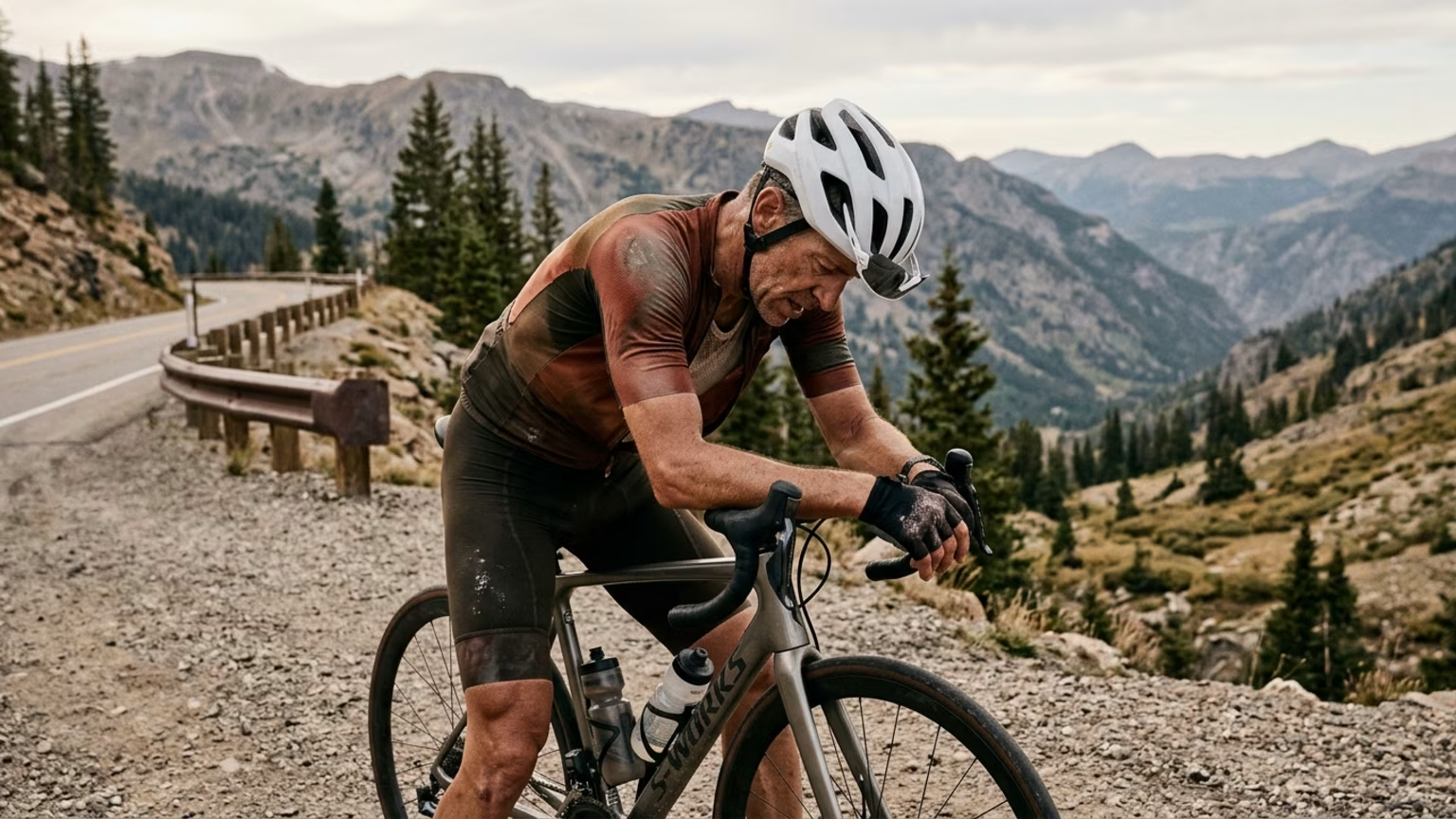
A reported altitude cycling study found higher oxygen saturation but earlier exhaustion with acetazolamide. Here is the practical meaning for athletes over 35.

A reported L-carnitine review suggests possible endurance benefits but no clear exercise fat-oxidation gain. Here is how athletes over 35 should read it.
Read practical ideas on endurance training, recovery, nutrition and healthy aging to keep progressing for years to come.
Read the Blog