Your best miles are still ahead
Read practical ideas on endurance training, recovery, nutrition and healthy aging to keep progressing for years to come.
Read the Blog

WorldTour data shows elite cyclists spend most of their training at low intensity. Learn how masters athletes can apply this pyramidal distribution to improve.


Translate public health guidelines into a practical weekly endurance schedule for athletes over 35, balancing aerobic volume, strength work, and recovery.

Triathlete Chiara Szolderits warns that marathon runners train too much and too fast. Here is how endurance athletes over 35 can adjust volume and recovery.

Elite cyclists like Demi Vollering countered a Novig ad by sharing heavy training footage. We break down why functional capability beats media aesthetics.

A low resting heart rate indicates either superior fitness or a dangerous energy deficit. Learn to interpret your wearable data and spot RED-S warning signs.

Mathieu van der Poel skipped the Canadian WorldTour races for a controlled training block in Spain. We break down the trade-offs of this preparation strategy.
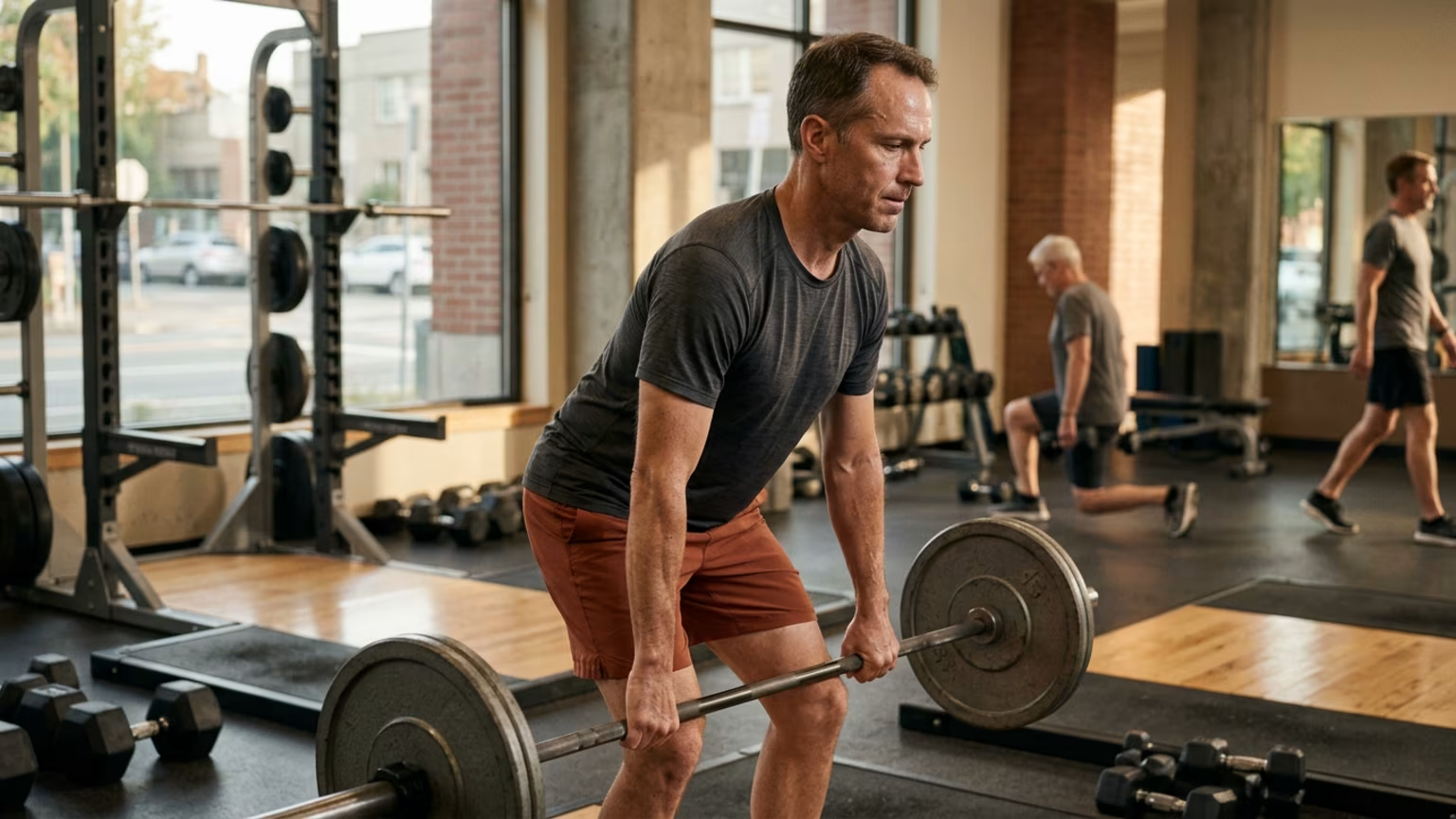
New research shows moderate-intensity resistance exercise improves executive function in older adults. See how masters athletes can use this to train smarter.

Blandine L’Hirondel won the 2026 UTMB despite arterial endofibrosis. Learn how this vascular condition disrupts high-intensity training for endurance athletes.

Eddie Dunbar's Stage 19 Vuelta a España win highlights the importance of a patient and structured return to endurance training after a severe injury.
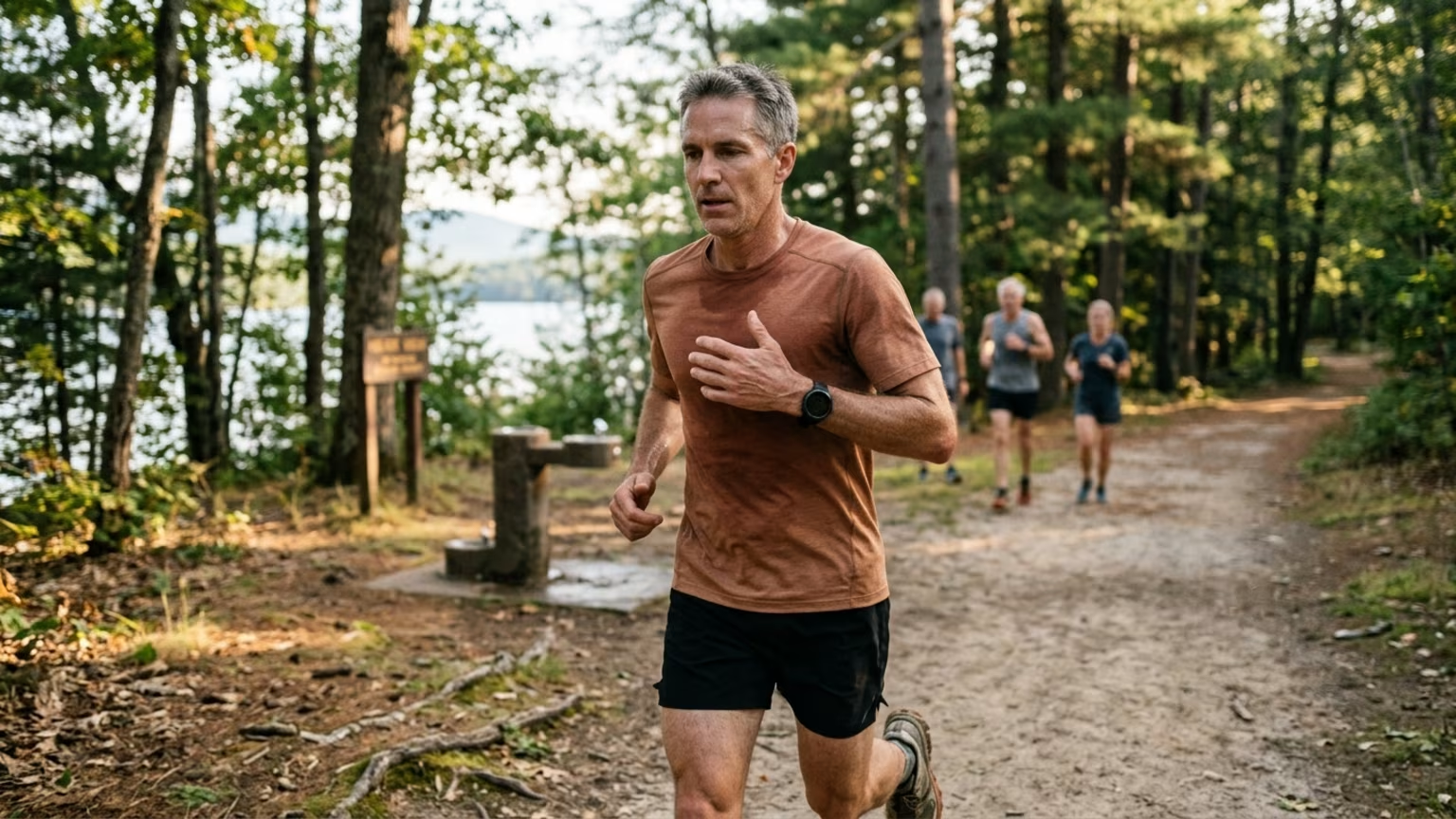
New Johns Hopkins registry research shows strength training is not associated with increased arrhythmia risk in athletes with arrhythmogenic cardiomyopathy.

Bicycling magazine outlines a new cadence training plan to help cyclists expand their pedaling control without adding cardiovascular fatigue to easy rides.

Runner's World coaching guidance reveals why marathoners should prioritize weekly running frequency and distributed mileage over a single exhausting long run.

A new analysis of performance-oriented parkrun participants reveals that generic strength training does not ensure running injury prevention. Learn why individualized coaching and structured load management are more effective for aging endurance athletes.

A breakdown of the 2026 BikeRadar report on atrial fibrillation in midlife cyclists. Learn to balance training volume, add strength work, and monitor recovery.

A 2026 analysis of 24-hour blood pressure tracking shows that steady aerobic training remains the most reliable foundation for long-term cardiovascular health.

The ITA's 18-month sanction on Joe Skipper reveals why ambitious endurance athletes must treat whereabouts testing logistics as a mandatory part of training.
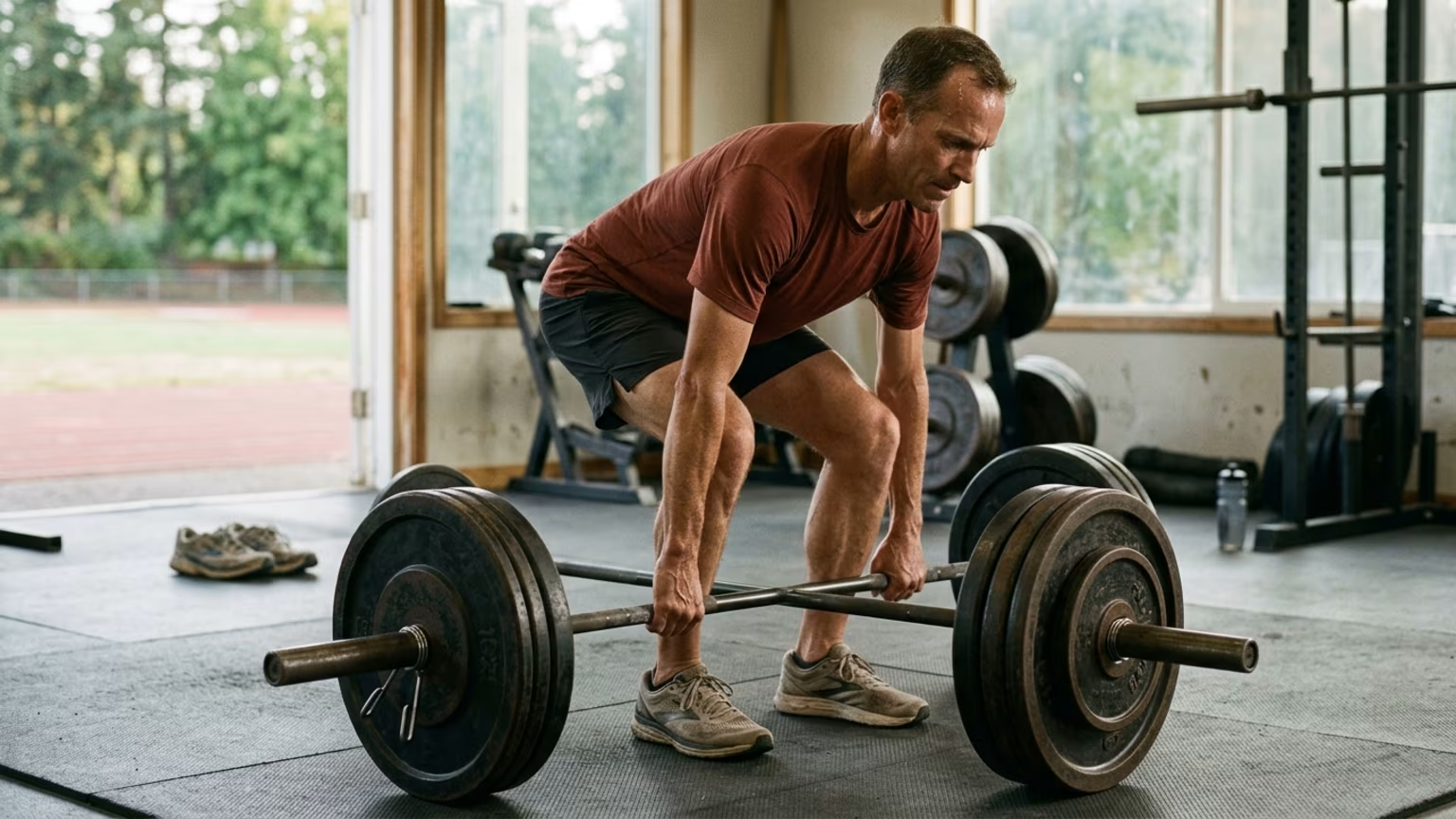
High-load and combined strength training methods improve running performance more than plyometrics. Learn how heavy lifting benefits endurance athletes.

Learn why returning to endurance training requires a load-based plan rather than a calendar deadline, focusing on next-day symptom monitoring and progression.
Read practical ideas on endurance training, recovery, nutrition and healthy aging to keep progressing for years to come.
Read the Blog




