Your best miles are still ahead
Read practical ideas on endurance training, recovery, nutrition and healthy aging to keep progressing for years to come.
Read the Blog
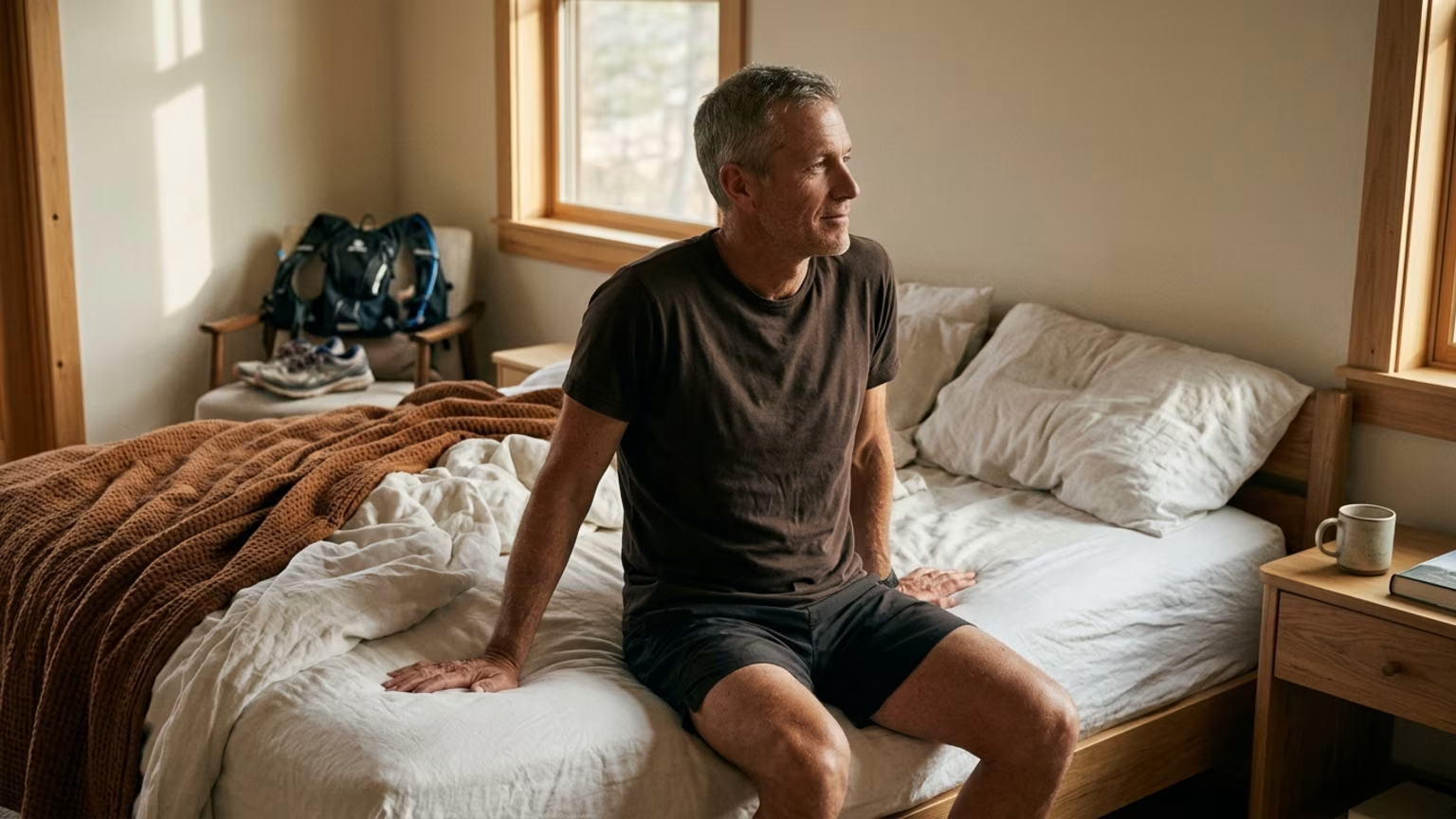
A tapering report revisits sleep and mood findings. Learn how athletes over 35 can track recovery trends alongside training load before a race.


Athlete studies offer reassurance about bedtime protein and sleep, with mixed recovery findings. Here is how to interpret the evidence after 35.
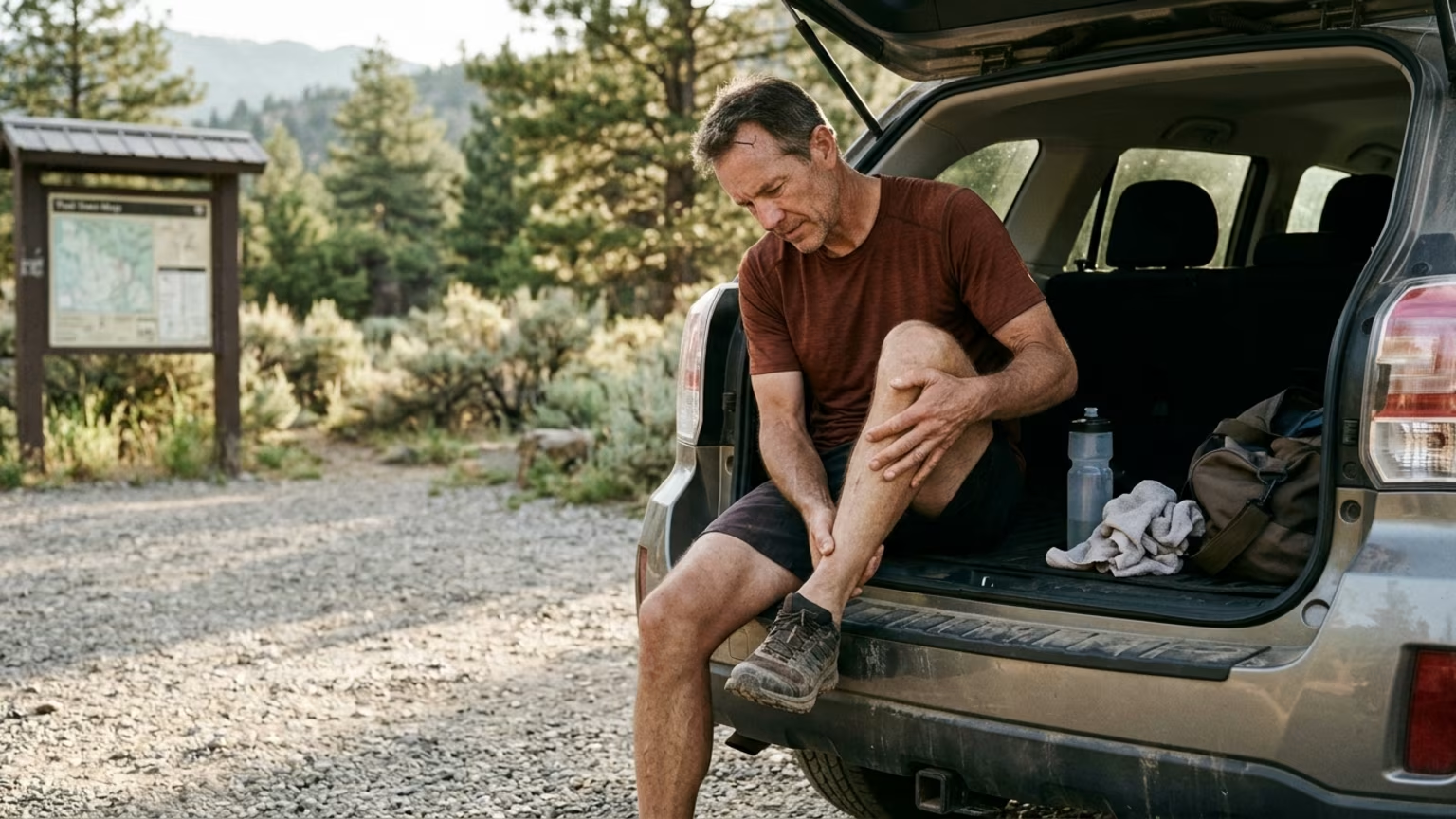
Learn how soreness timing, location and changes in movement can inform training choices, and which injury warning signs warrant medical assessment.
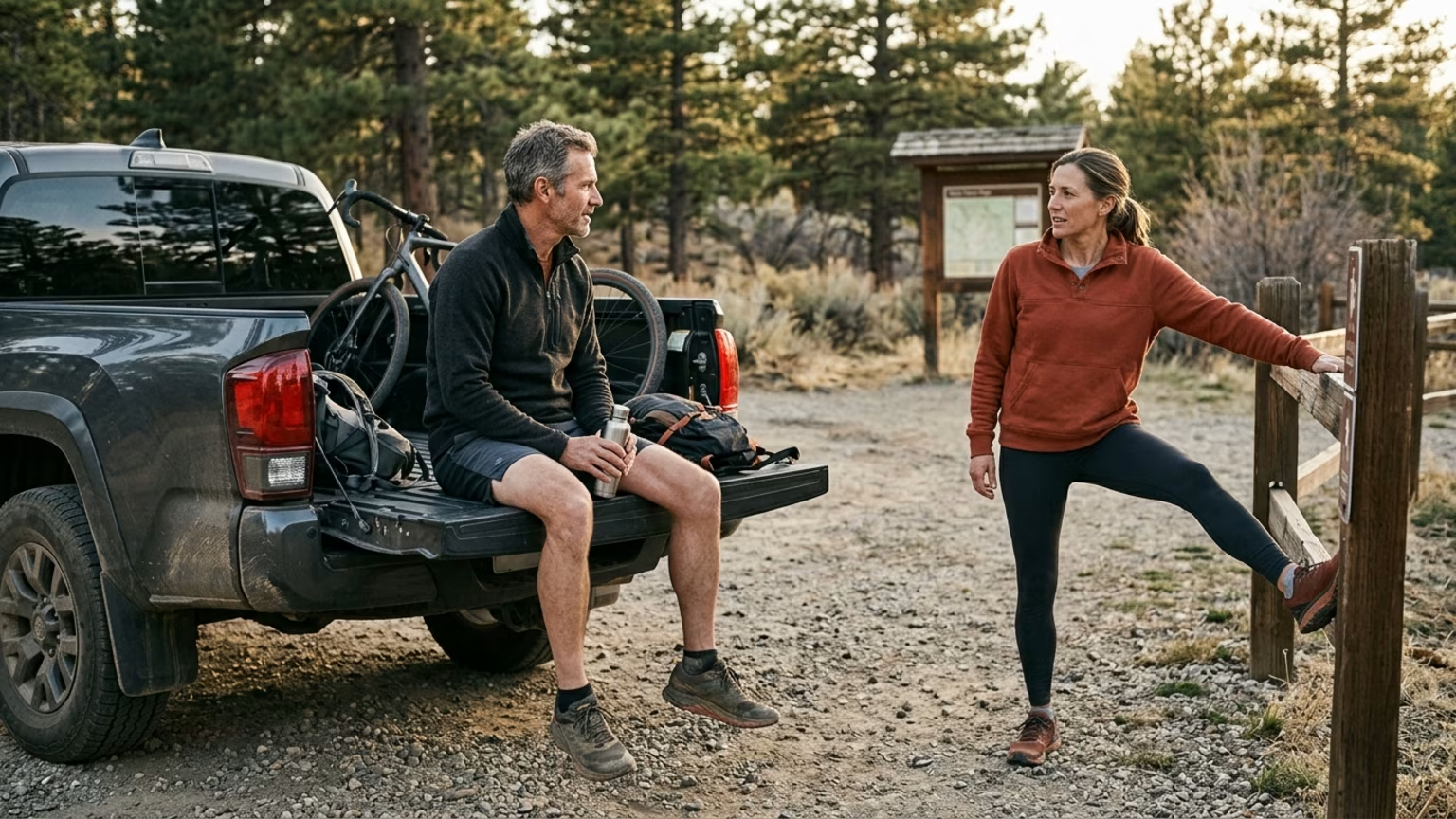
Active recovery or full rest? Weigh the cool-down evidence, gentle movement options, and recovery decisions for endurance athletes over 35.
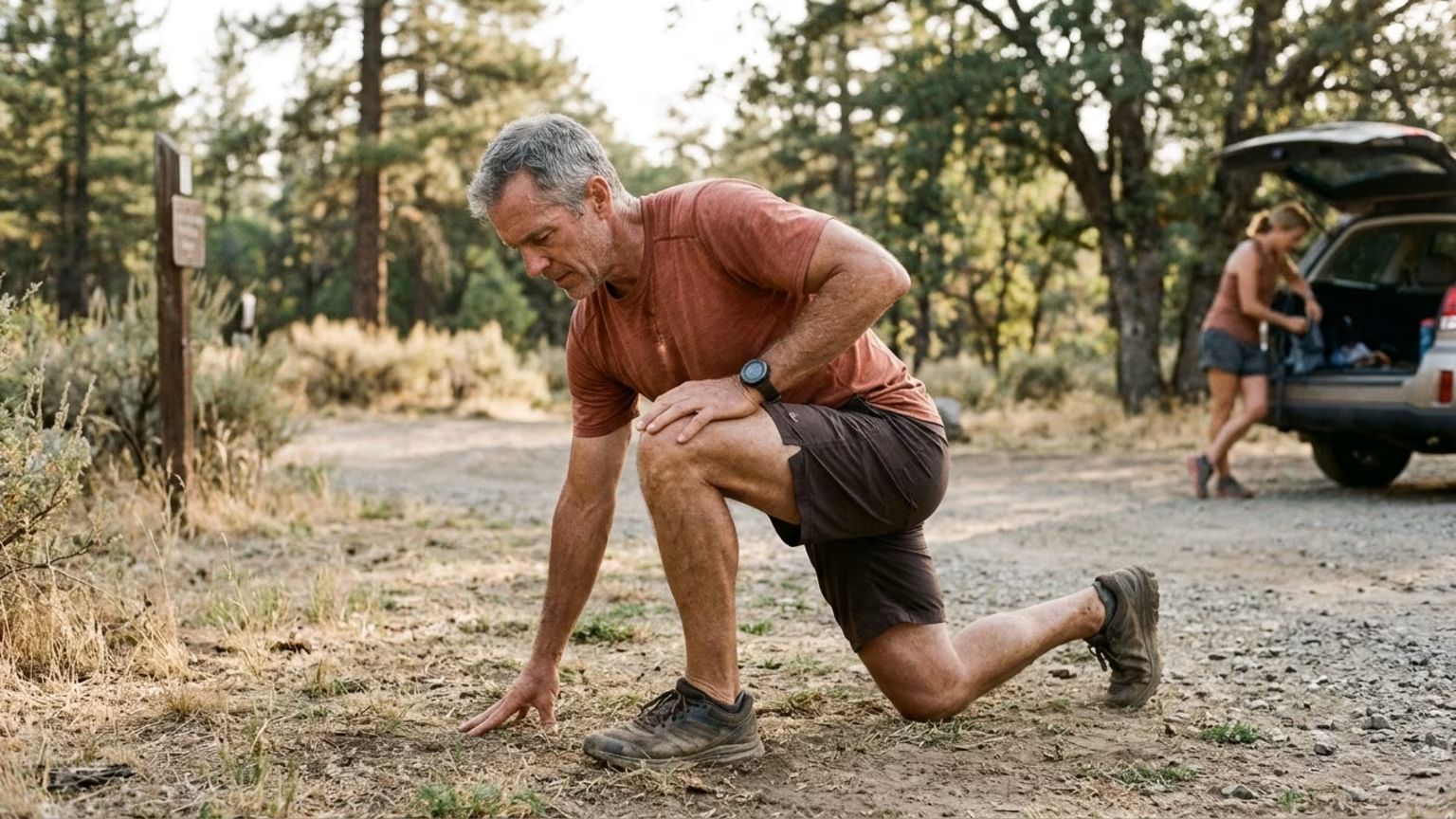
Build a mobility routine around sport demands, progressive warm-ups and flexibility goals, with clear evidence on soreness and injury claims.

Practical answers on sleep needs, early training, race travel and when persistent sleep problems deserve medical attention.

Combine training load, effort, sleep, mood and performance to put wearable scores in context and recognize when persistent changes warrant advice.

Recovery after 40 has no single timetable. Learn how session demands, fatigue, soreness and life stress can inform your next training decision.
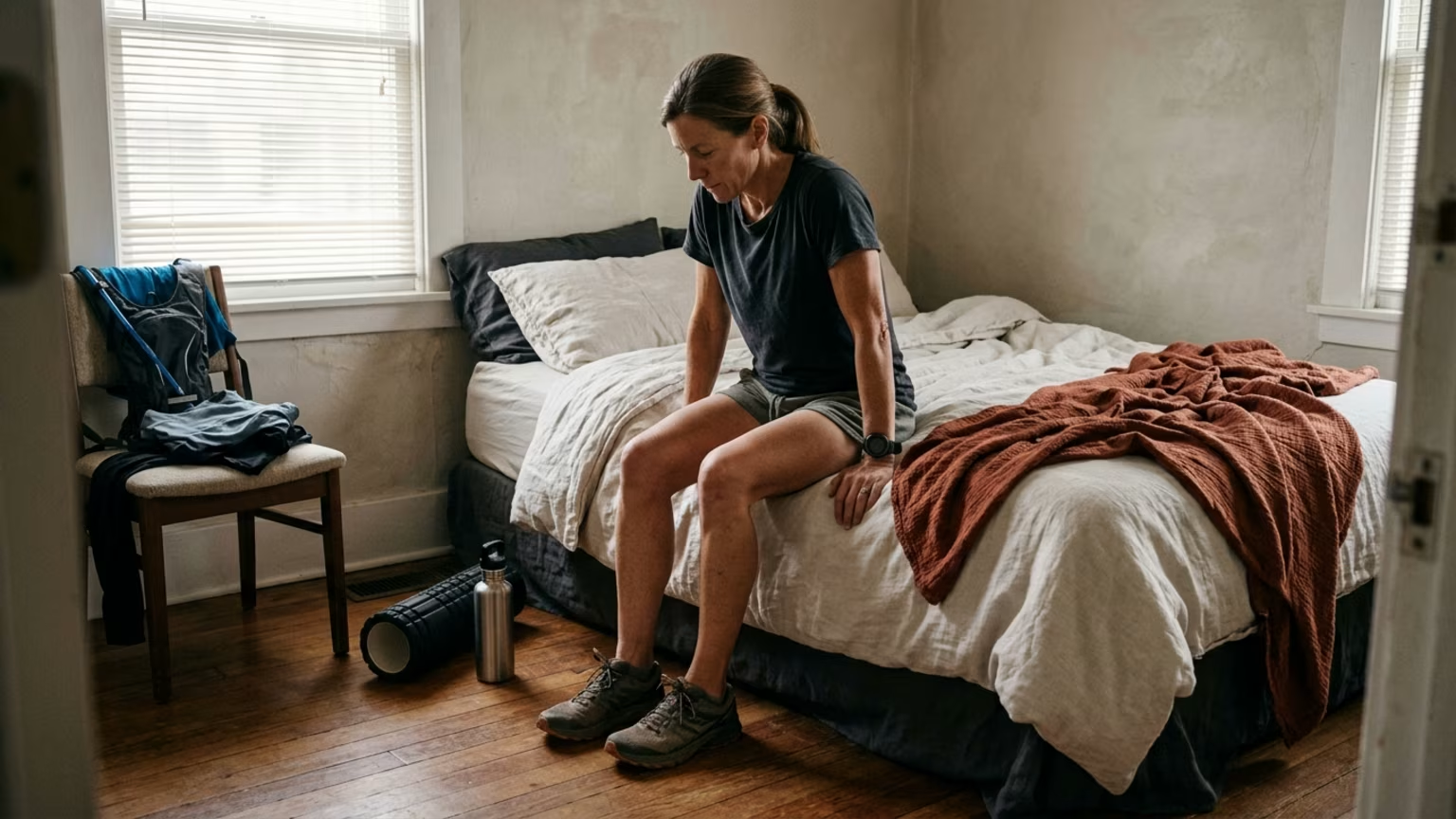
Build a sleep routine around endurance training with practical scheduling, cautious tracker use and an individual approach to late workouts and recovery.
Learn how soreness patterns, movement changes and symptoms after exercise can guide an easier session or a decision to seek medical advice.

Build a personal recovery baseline after 40 using training, sleep, stress and performance patterns. Put age and wearable scores in context.

Trek’s Riley Amos profile highlights sleep, food and gym soreness. Here is the evidence-grounded takeaway for endurance athletes over 35.

A sleep research report links total sleep loss to lower muscle protein synthesis. Here is a cautious training interpretation for endurance athletes over 35.

Judge post-exercise soreness by timing, movement, and symptom changes. Learn when easy activity may be reasonable and when to seek medical care.

A practical guide to weighing sleep, motivation, soreness, and easy effort when deciding whether to follow the plan, shorten training, or rest.

TODAY’s recovery advice makes room for easy movement. Here is how it fits the endurance evidence and practical planning for athletes over 35.

Tom’s Guide shares three daily bodyweight exercises. We explain the advice, the cycling research and the implications for endurance athletes over 35.
A sleep-loss study found earlier exhaustion during an arm hold. Here is what the brain-network findings mean for endurance athletes over 35.
Read practical ideas on endurance training, recovery, nutrition and healthy aging to keep progressing for years to come.
Read the Blog