Your best miles are still ahead
Read practical ideas on endurance training, recovery, nutrition and healthy aging to keep progressing for years to come.
Read the Blog

Learn how a daily routine of glute bridges, cat-cow stretches, and chair squats can protect your lumbar spine and preserve joint mobility after 50.

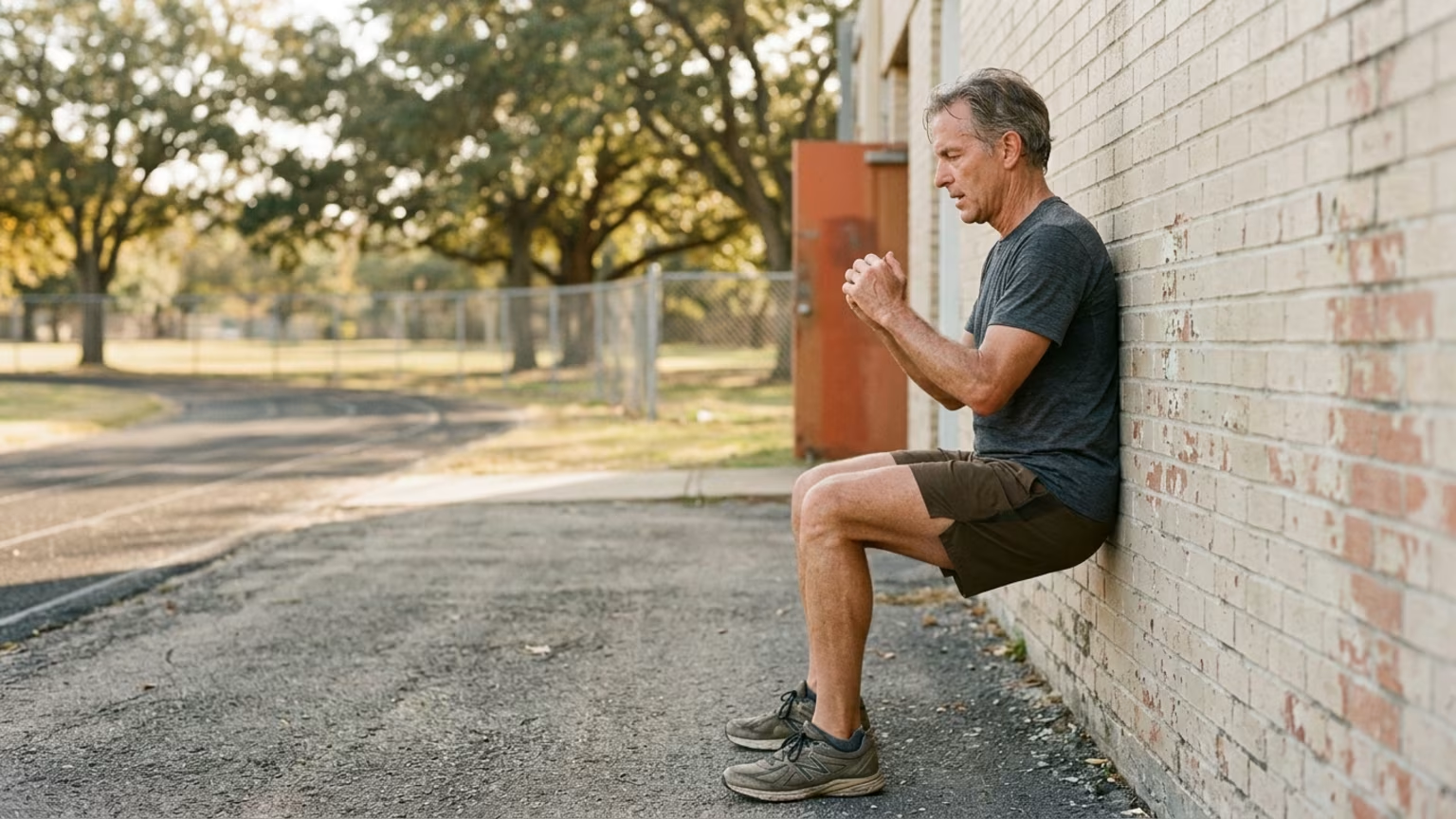
A new Men’s Journal feature outlines three simple wall assisted exercises to help older adults preserve muscle mass, combat sarcopenia, and maintain balance.

Sports science reviews clarify that one poor night of sleep rarely ruins marathon performance. Learn practical, evidence-based race-week recovery tactics.
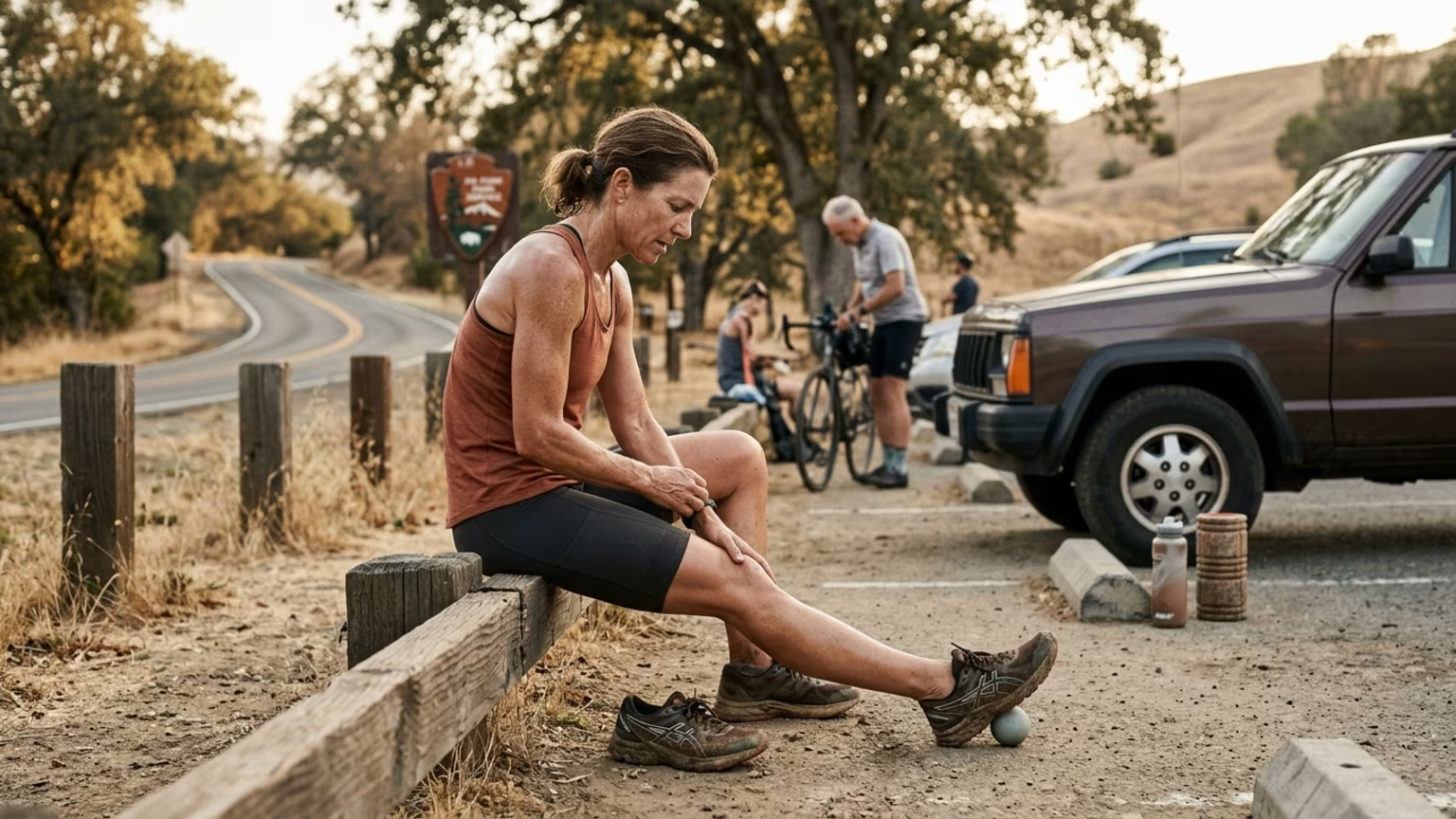
Endurance athletes over 35 should treat short mobility bouts as simple, routine maintenance rather than chasing rigid protocols or exaggerated longevity trends.

A Yale study shows foot-mounted wearable sensors track walking mobility with lab-level accuracy, offering future tracking tools for aging endurance athletes.
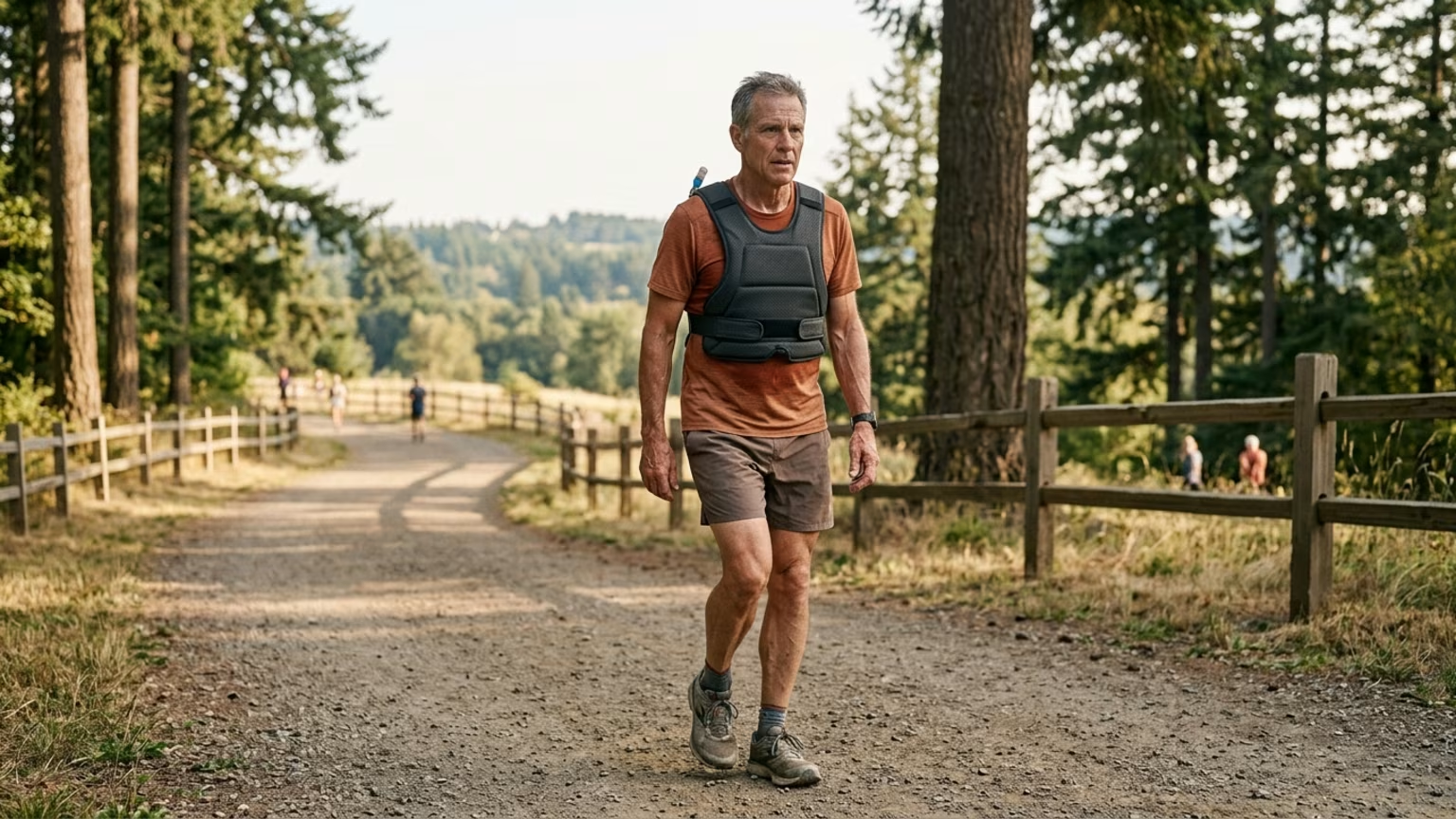
Outside's recent analysis shows weighted-vest walking adds cardiovascular demand but cannot replace heavy resistance training for masters endurance athletes.

A New York Times report confirms muscle recovery slows after 35 due to slower tissue repair. Learn how older endurance athletes should adjust their training.

Men’s Journal highlights the Norwegian interval protocol as a structured tool for boosting cardiorespiratory fitness and supporting healthy aging in athletes.

Consistent resistance training and structured recovery can improve mobility for masters endurance athletes. We translate recent longevity research into practice.
A new 12-week trial reveals that 10 grams of daily creatine helps healthy adults over 45 increase lean muscle and strength when paired with resistance training.

A major review of 113 clinical trials reveals that collagen offers virtually no acute short-term muscle recovery or performance benefits for athletes.
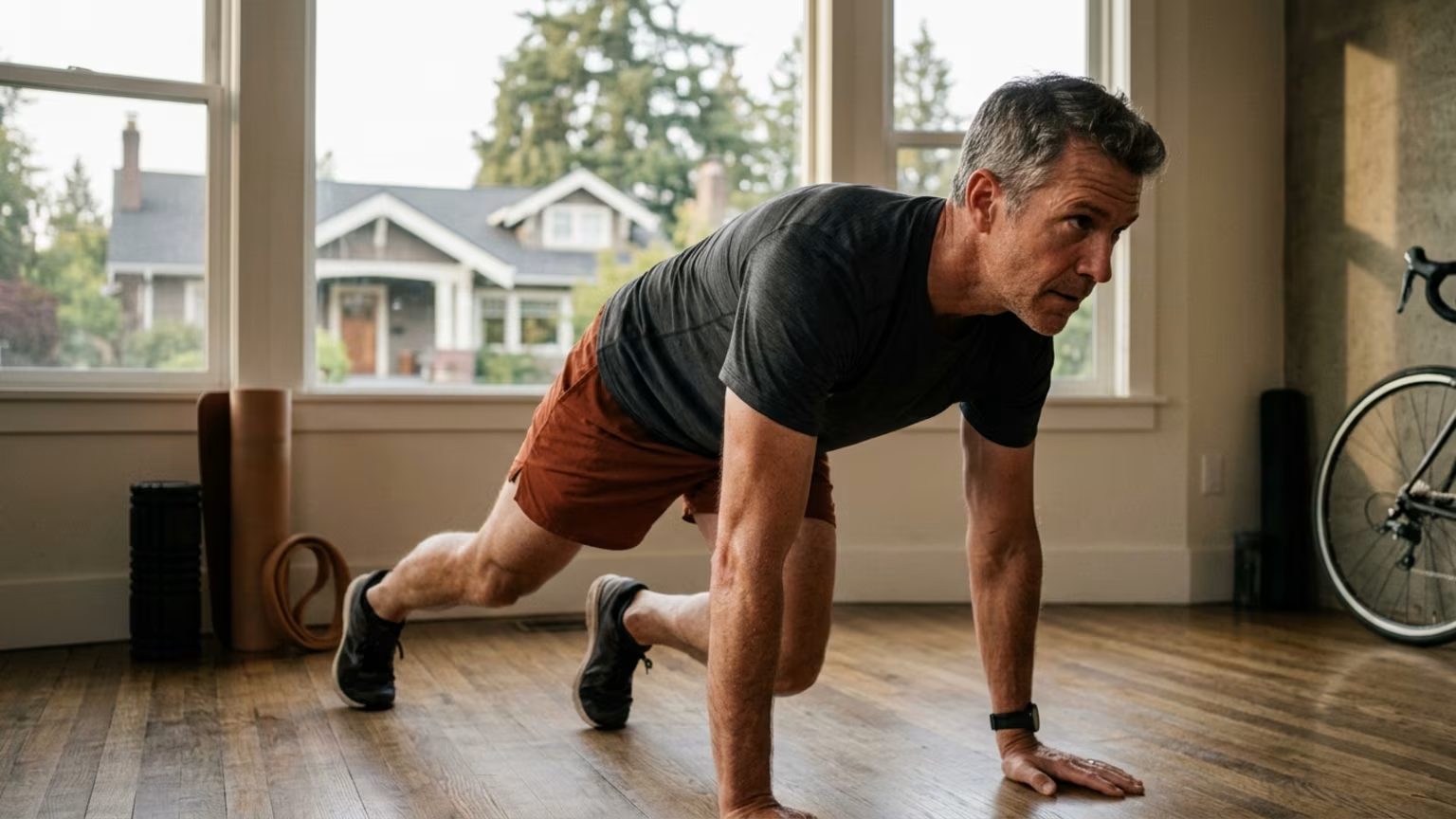
A breakdown of a recent 20-minute floor-to-stand routine from The New York Times, and how endurance athletes can use it to maintain functional mobility.

Apple Watch Series 12 introduces Recovery HRV and a 0 to 10 Readiness score. Learn how veteran endurance athletes can use this new data for daily training.

A new review from the National Institute on Aging introduces the Oxygenaging framework, detailing how oxygen delivery and utilization impact endurance athletes.

A cardiologist proposes three simple field tests to track cardiovascular endurance, lower-body strength, and heart-rate recovery in older endurance athletes.

A recent systematic review shows morning and evening exercise have similar overall effects on sleep. Learn how endurance athletes can safely schedule their workouts.
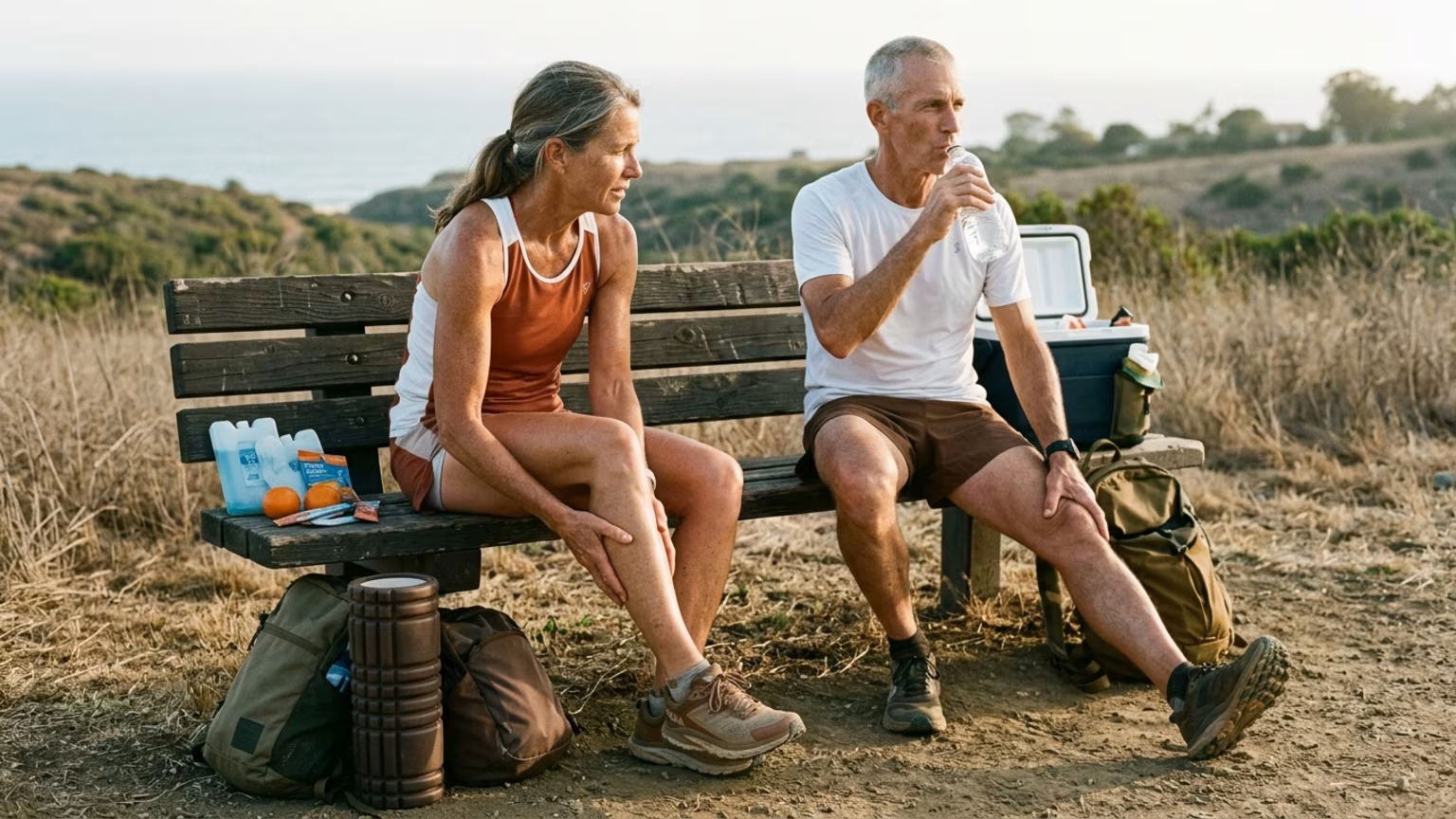
A 2026 scientific review reveals that basic habits like sleep and nutrition consistently outperform expensive recovery gadgets for endurance athletes.

A science based breakdown of exogenous lactate after its recent Tour de France exposure. Here is why this fueling strategy remains experimental for veterans.
Read practical ideas on endurance training, recovery, nutrition and healthy aging to keep progressing for years to come.
Read the Blog




