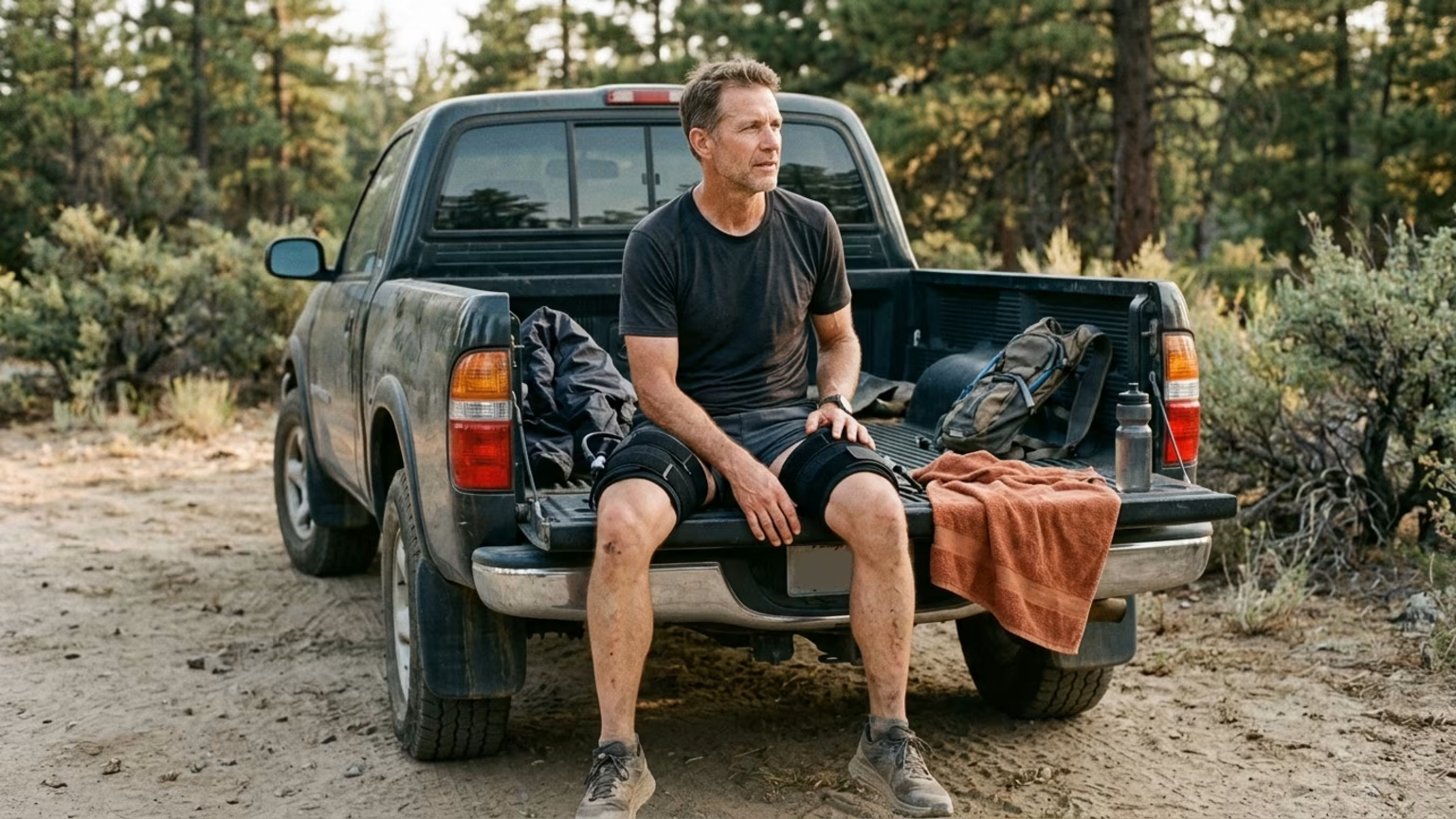

Recent research highlights passive blood flow restriction for muscle recovery. We break down the findings and what endurance athletes over 35 need to know.





On October 9, 2026, the University of Central Florida College of Health Professions and Sciences published an academic research roundup. This publication covers peer reviewed papers authored by their faculty from January through July 2026. Academic roundups serve as an important compass for tracking emerging trends in sports medicine. They often highlight early stage research before those methods reach mainstream athletic training facilities.
For endurance athletes constantly seeking better ways to repair muscle tissue, this particular publication caught our attention. The roundup specifically highlights two related papers investigating passive blood flow restriction. This concept involves restricting venous blood flow while the athlete remains completely at rest. The goal is to stimulate biological repair mechanisms without requiring additional physical exertion.
The first paper listed in the roundup focuses exclusively on female athletes. Published in the Journal of Strength and Conditioning Research, this study examines exercise induced muscle damage. The published title states that passive blood flow restriction accelerates muscle recovery in healthy and recreationally active females. This headline sounds incredibly promising for older athletes who struggle with lingering post workout fatigue.
A second and closely related study focuses on a male demographic. This paper appears in the Journal of Sports Sciences and examines a similar post exercise intervention. According to its title, the research evaluates the effects of passive blood flow restriction on muscle function. It specifically looks at recreationally active males recovering from exercise induced muscle damage.
While these descriptive titles suggest positive outcomes, the October roundup provides very limited supporting data. The publication supplies the basic bibliographic information for both academic papers. However, it does not provide the actual numerical results or any specific effect sizes. It also omits crucial details regarding participant counts and study limitations.
This lack of transparent data makes it impossible to judge the true clinical value of the intervention. A title claiming that recovery accelerates does not tell us how much time is actually saved. Without knowing the precise protocols, endurance athletes cannot replicate these methods safely at home. We must look at broader scientific literature to understand the current landscape of recovery interventions.
A massive 2026 preprint from SportRxiv provides essential context for these isolated studies. This systematic review and Bayesian meta analysis evaluated a wide variety of post exercise recovery methods. The researchers sought to determine if any modern interventions deliver statistically significant benefits. They looked at performance outcomes along with biochemical and perceptual recovery markers.
The authors of the preprint reached a sobering conclusion regarding sports recovery techniques. Their abstract explicitly states that no single recovery modality consistently outperformed standard non intervention controls. This means that simply resting naturally was often just as effective as specialized recovery treatments. This broad finding highlights why we must remain cautious when evaluating exciting new study titles.
Because the roundup lacks methodological details, we must examine a separate University of Central Florida research listing. This secondary source describes an ongoing study opportunity related to the published papers. The listing outlines a detailed comparison between passive blood flow restriction and active recovery via cycling. It also includes a passive rest control group to accurately measure baseline tissue repair.
This specific study design requires participants to complete seven separate clinical visits. These visits are meticulously scheduled over a period of nine to eleven days following intense exercise. The researchers measure muscle function and recovery outcomes throughout this extended testing window. This rigorous timeline demonstrates the complexity involved in properly evaluating muscular repair mechanisms.
The ongoing study specifically seeks recreationally active women aged 18 to 35 years old. These narrow eligibility criteria apply strictly to this current study opportunity rather than the published papers. We cannot assume that the published male and female papers utilized this exact same demographic framework. The exact parameters of those earlier publications remain obscured in the general roundup.
In contrast, the 2026 SportRxiv preprint provides massive scale and transparent methodology. The researchers included 61 different studies in their comprehensive review of recovery tactics. Across these numerous studies, they analyzed data from 1194 total participants. This large sample size gives their mixed findings significant credibility within the sports science community.
The University of Central Florida roundup also lists other 2026 faculty publications studying active blood flow restriction. One paper focuses on submaximal running and its impact on muscle oxygenation levels. Another related paper examines pulmonary gas exchange during submaximal running with restricted blood flow. These studies highlight a growing academic interest in manipulating blood flow for athletic performance.
At Reendure, our brand promise is clear and unwavering. We deliver clear and evidence based guidance to help you perform at your best today. Translating dense sports science into actionable habits requires separating early research leads from proven protocols. For ambitious adults aged 35 to 65, managing the physical realities of aging is paramount.
The Reendure philosophy focuses equally on long term athletic longevity and immediate race day performance. We understand that masters athletes possess the same competitive drive as their younger peers. However, our structural framework must adapt to account for cellular changes and decreased elasticity. This reality forces us to evaluate every new recovery trend with extreme skepticism and patience.
Chronic overuse injuries and slower recovery times are primary pain points for veteran athletes. As our bodies age, the biological processes responsible for repairing damaged tissue naturally slow down. A hard interval session that required one rest day at age 25 might require three days at age 45. Understanding muscle recovery slowdown after 35 is crucial for maintaining a consistent training calendar.
The allure of passive blood flow restriction is completely understandable for tired endurance athletes. Active recovery strategies, like light jogging or easy cycling, can sometimes generate unwanted cumulative fatigue. A purely passive method allows the athlete to remain sedentary while theoretically accelerating biological repair. If proven effective, this could significantly improve how we balance high ambition with an aging body.
However, we must emphasize that these recent academic papers represent emerging leads rather than finished playbooks. The University of Central Florida roundup does not include expert interpretation or quotes from the study authors. Without authoritative clinical endorsements, endurance athletes should not attempt to self prescribe this technique. The potential risks of improperly applying pressure to older blood vessels remain completely unaddressed here.
Veteran athletes must also clearly distinguish between passive recovery and active training modalities. Performing resistance exercises or walking with restricted blood flow triggers entirely different physiological responses. Active interventions aim to build muscle strength and cardiovascular fitness using lighter loads. Passive application after a workout is an entirely separate concept that lacks robust and verified data.
When evaluating new science, we must look for specific application guidelines and clear safety thresholds. The current available data does not tell us how long the pressure cuffs should remain inflated. It also fails to specify the optimal pressure levels required to accelerate recovery without causing harm. Attempting to guess these parameters based on an optimistic study title is reckless and potentially dangerous.
This cautious approach applies equally to other areas of endurance training and bodily repair. Many veteran athletes experience profound confusion over conflicting nutrition and fueling advice circulating online. Just as we demand rigorous proof for physical interventions, we must demand transparency for nutritional claims. A holistic recovery plan requires a careful balance of evidence based fueling and strictly measured physical rest.
Your training schedule should rely entirely on foundational habits that boast decades of proven clinical support. Prioritizing consistent sleep hygiene and optimal post workout nutrition will always yield the most reliable results. When dealing with complex musculoskeletal fatigue, athletes should focus on proven tissue recovery for endurance athletes. These established methods address the fundamental biological needs of muscles and tendons without relying on experimental technology.
The 2026 SportRxiv preprint serves as a vital reminder to trust the basics of human physiology. With 61 studies showing no consistent superiority for specialized recovery modalities, the message is incredibly clear. High tech interventions rarely replace the necessity of adequate rest and intelligent training programming. Before adopting any new tool, you should carefully use daily metrics for recovery decisions to monitor your baseline health.
Our ultimate goal is to help you keep racing and training vigorously for decades to come. Achieving this longevity requires a realistic and positive approach to the natural aging process. We cannot force our bodies to adapt faster by applying unproven scientific theories to our tired limbs. Patience and consistency will always outperform a rushed adoption of an incomplete research abstract.
Until clinical data provides specific protocols and proven effect sizes, passive blood flow restriction remains an intriguing research lead rather than a required recovery habit.

Follow ReEndure for practical insights on endurance training, recovery, nutrition and healthy aging. Stay connected for new articles, research led guidance and ideas to help you perform better for longer.


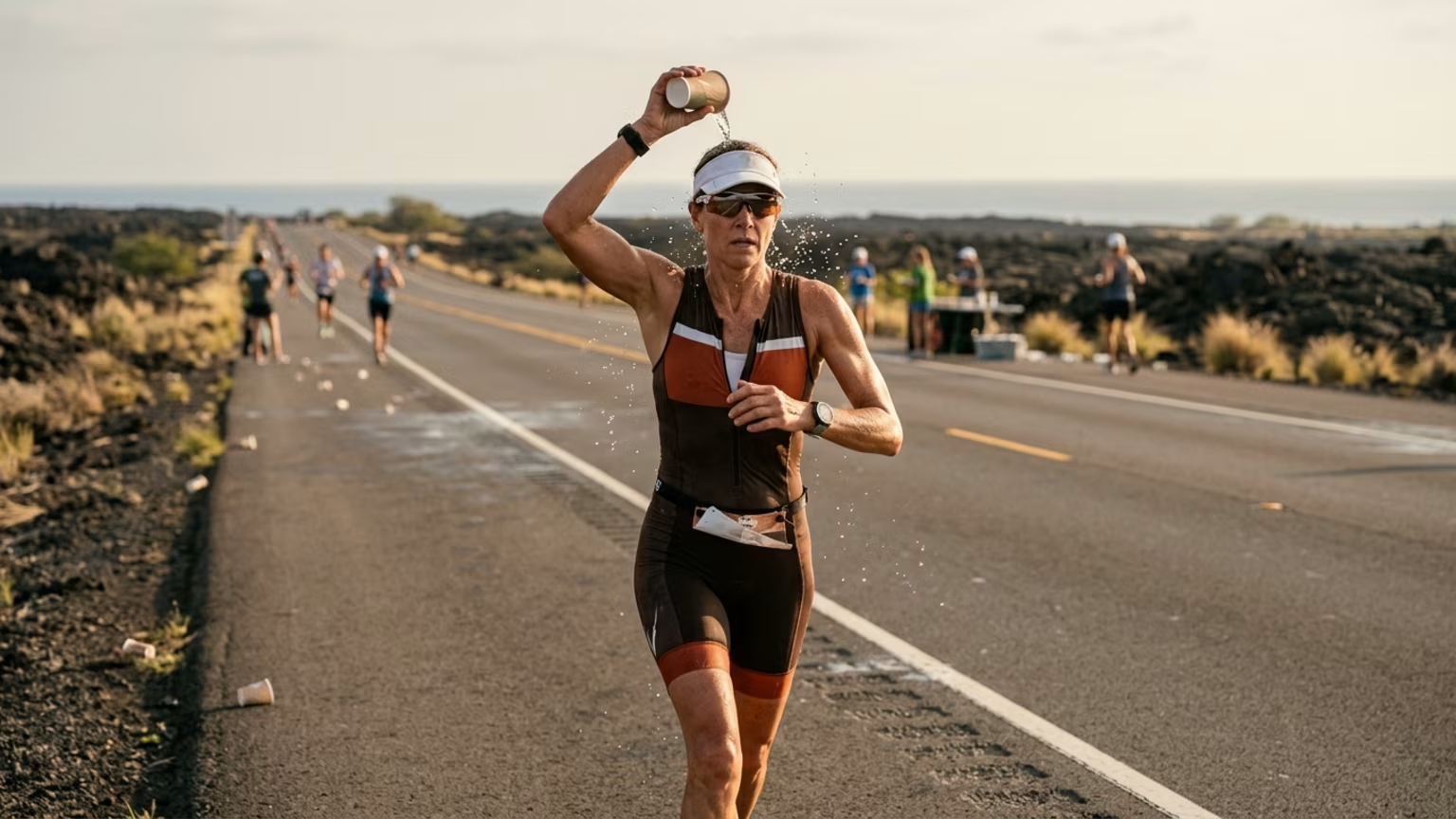
Read practical ideas on endurance training, recovery, nutrition and healthy aging to keep progressing for years to come.
Read the Blog