Your best miles are still ahead
Read practical ideas on endurance training, recovery, nutrition and healthy aging to keep progressing for years to come.
Read the Blog
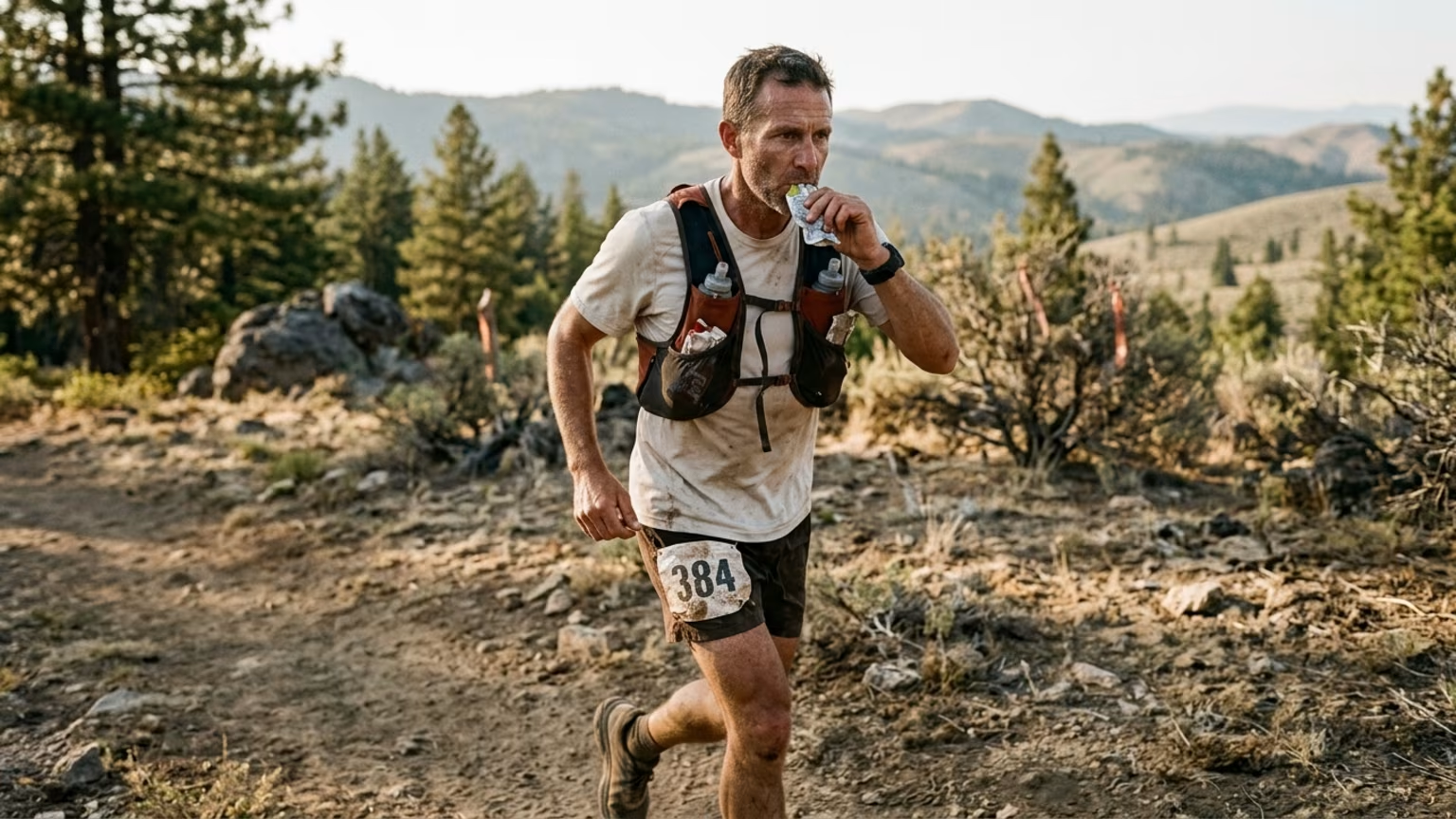
A recent 100-mile race win highlights how frequent eating can help prepare the gut for ultramarathons. Learn how older athletes can adapt this fueling strategy.


A recent STAT analysis examines the rise of energy drink sponsorships in college sports. Endurance athletes must distinguish marketing from race fueling.
A 12-week study shows that combining creatine with exercise and a modest caloric deficit helps adults over 45 retain muscle and reduce body-fat percentage.
A 2026 BBC Science Focus review reveals that only five sports supplements have strong evidence, urging endurance athletes to prioritize basic diet and training.
A breakdown of Marathon Handbook's analysis on lactate as a metabolic fuel. Learn why older endurance athletes should rely on carbs over experimental gels.
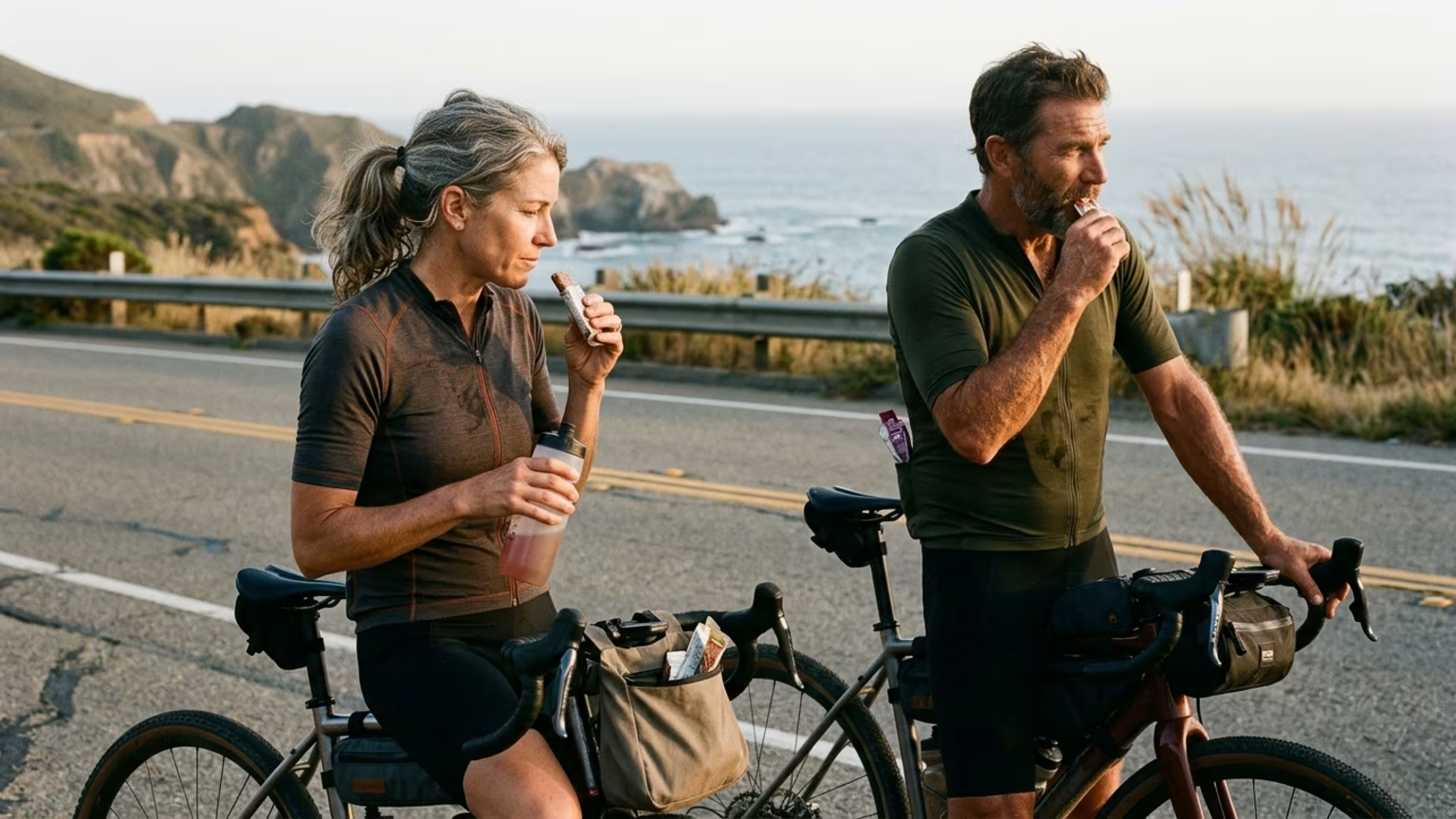
The new UCI cycling nutrition guidelines recommend matching carbohydrate intake to your daily training workload for improved recovery and long-term performance.

A 2026 study in the European Journal of Sport Science reveals the gap between carbohydrate targets and actual fueling execution in female IRONMAN athletes.
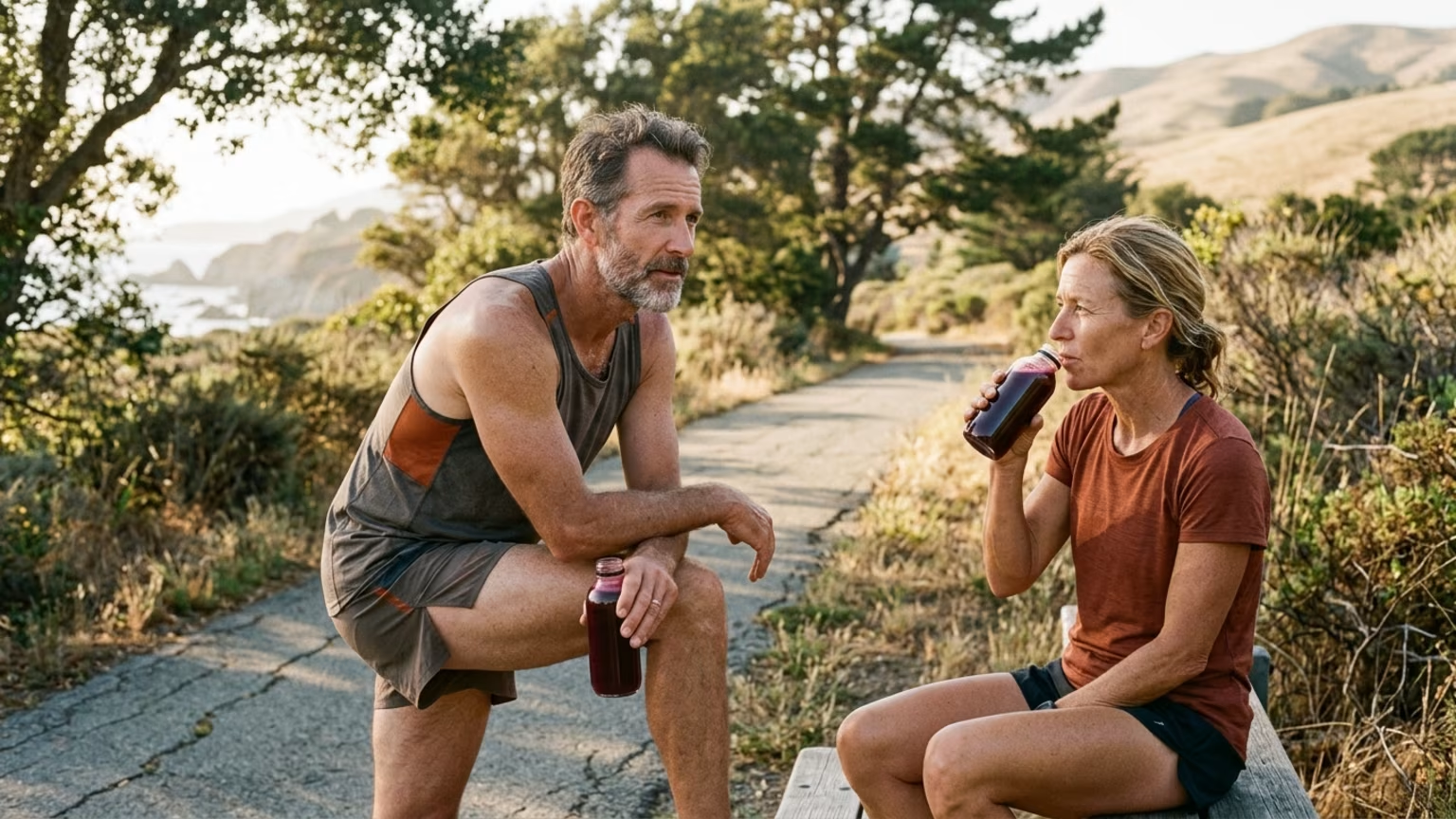
NutraIngredients reports Bio-gen Extracts' TruBeet ingredient won a 2026 sports nutrition award. We break down the dose-response nitrate data for athletes.

A breakdown of the physiological science behind 90 grams of carbohydrate per hour fueling, covering duration limits, multiple transporters, and gut tolerance.
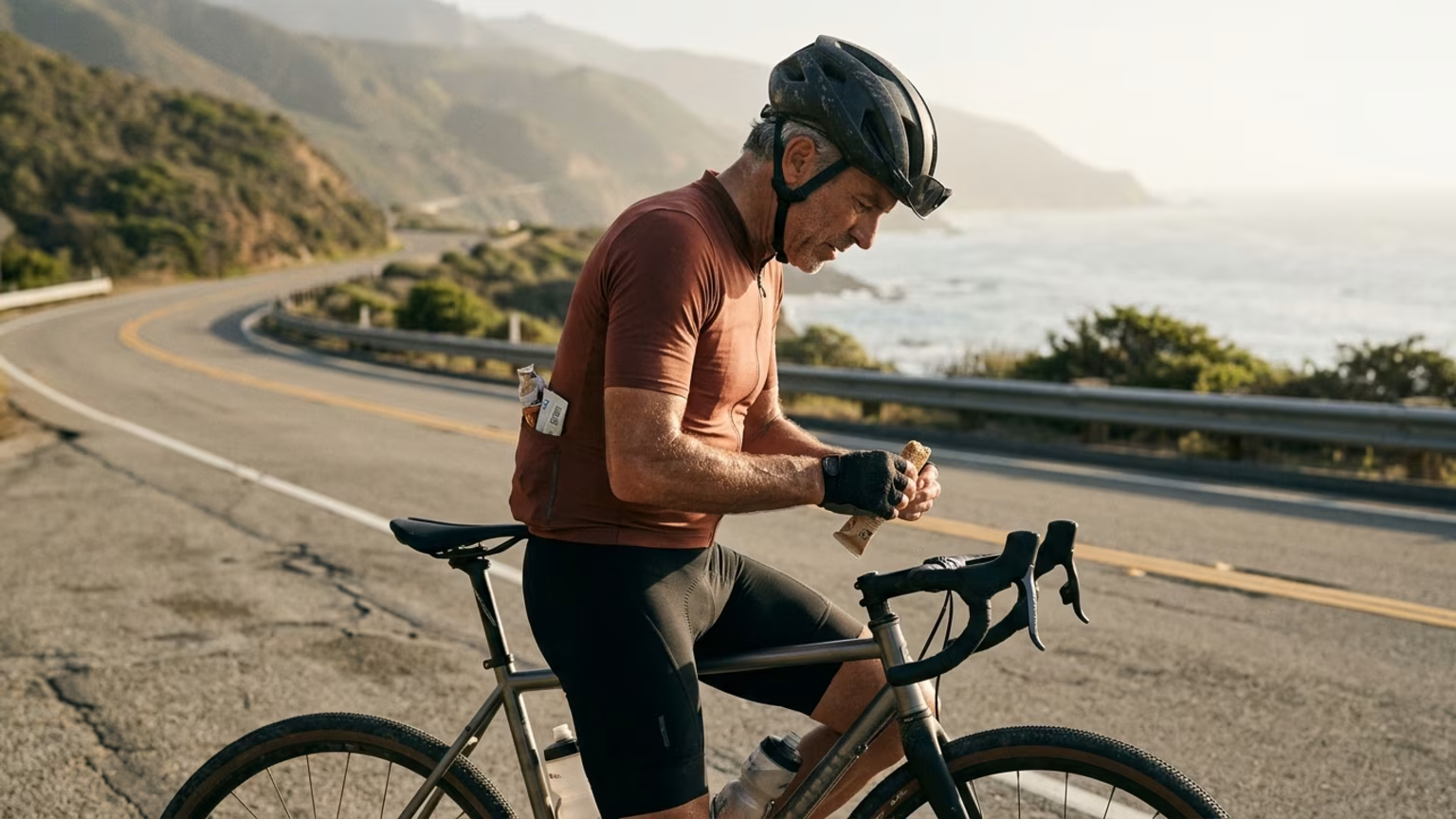
A breakdown of recent guidance on carbohydrate and sodium targets for multi-hour endurance efforts, outlining practical strategies to fuel and improve recovery.

PhytoGaia recently announced a research grant for MCT and TocoGaia endurance studies. Read why veteran athletes should wait for proven human trials.
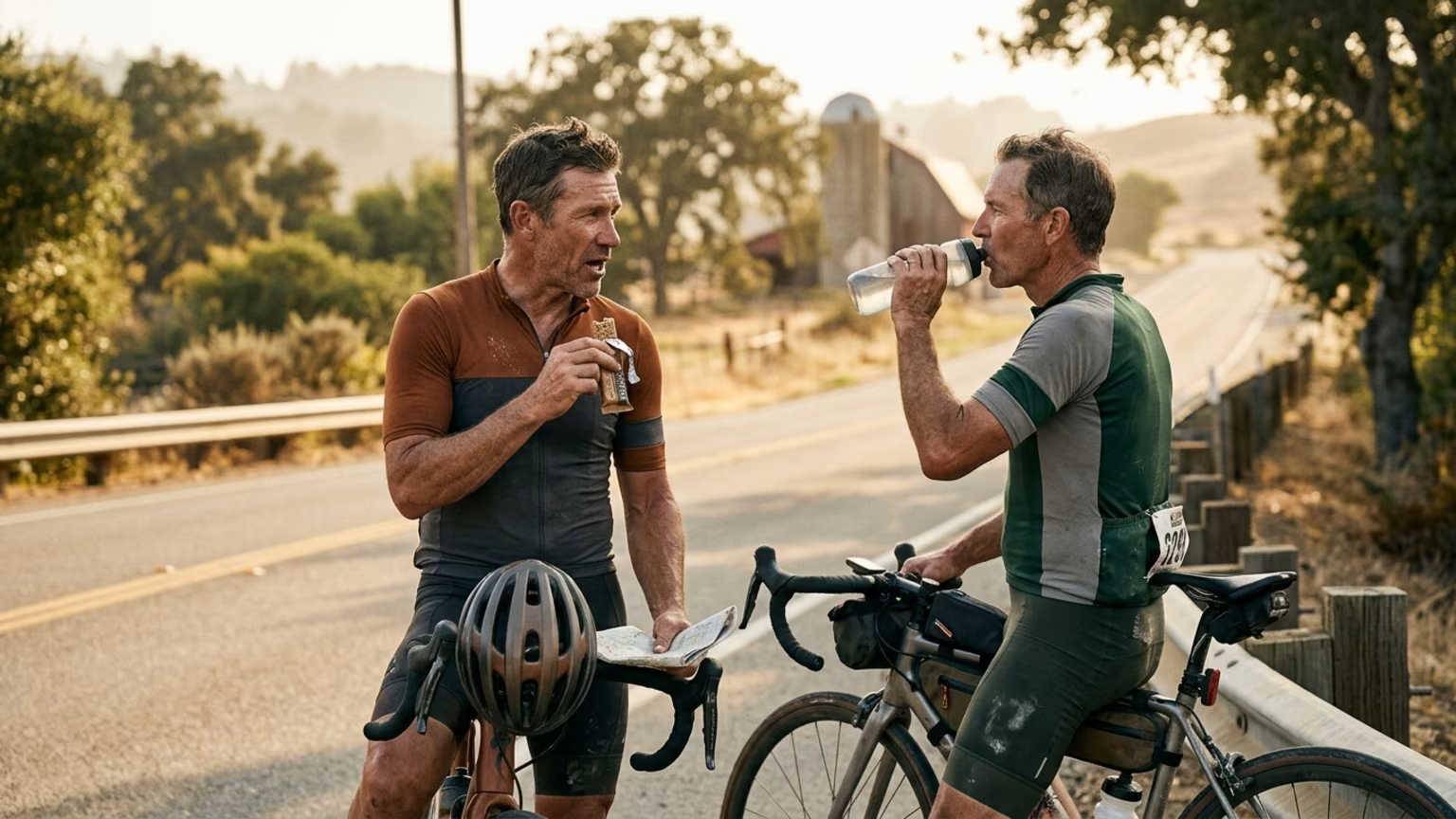
Science in Sport translates high carbohydrate targets into practical 60, 90, and 120g hourly bands. Here is how older endurance athletes can test these safely.
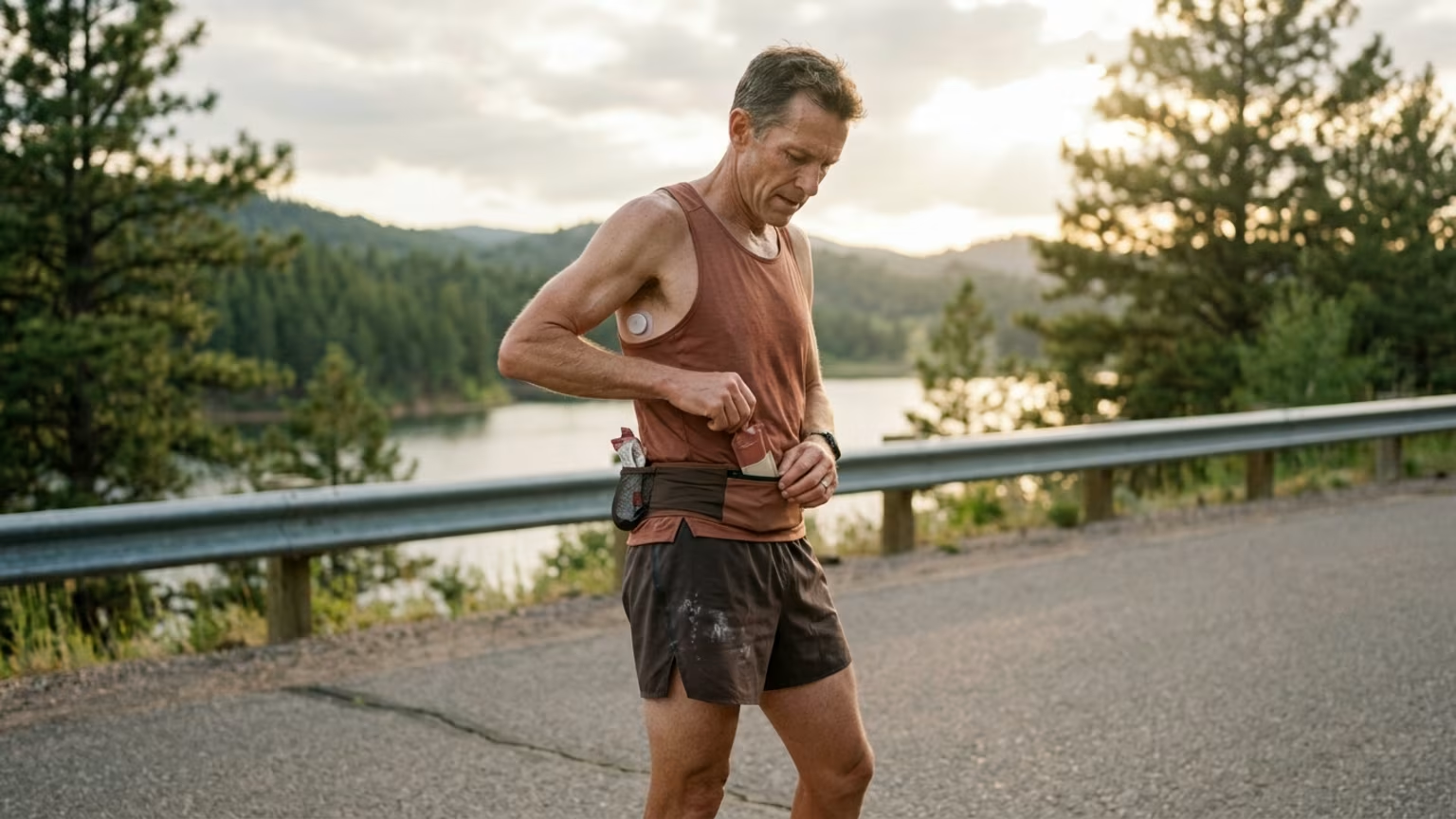
A small observational study from the Poznań Marathon shows athletes with type 1 diabetes can safely finish races using individualized glucose and hydration plans.
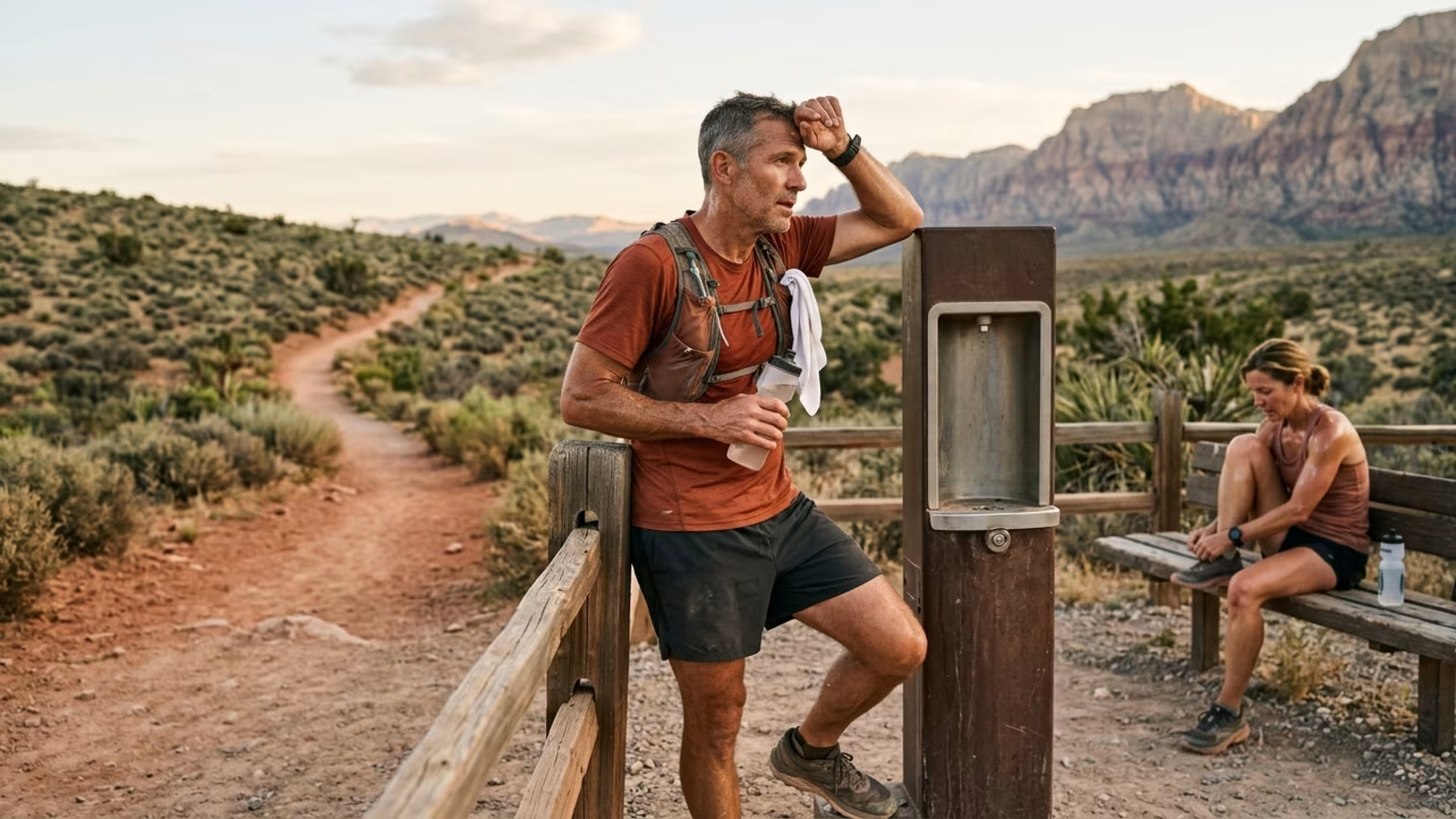
Physician-reviewed guidance clarifies that creatine weight gain is intracellular water, not fat, and outlines baseline hydration targets for older athletes.
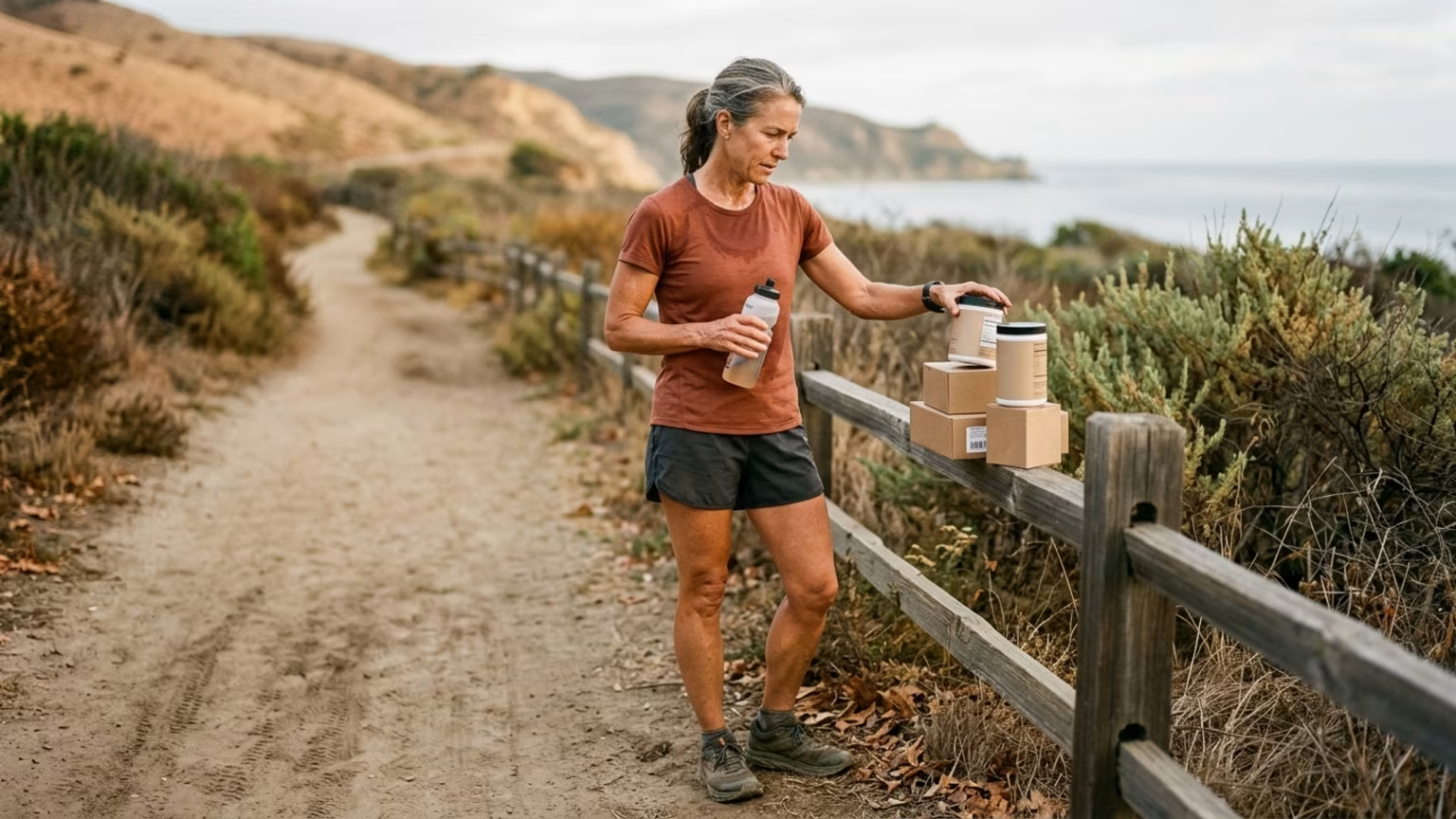
A 2026 evidence review finds few performance supplements have strong scientific backing. Active adults should prioritize adequate food and resistance training.
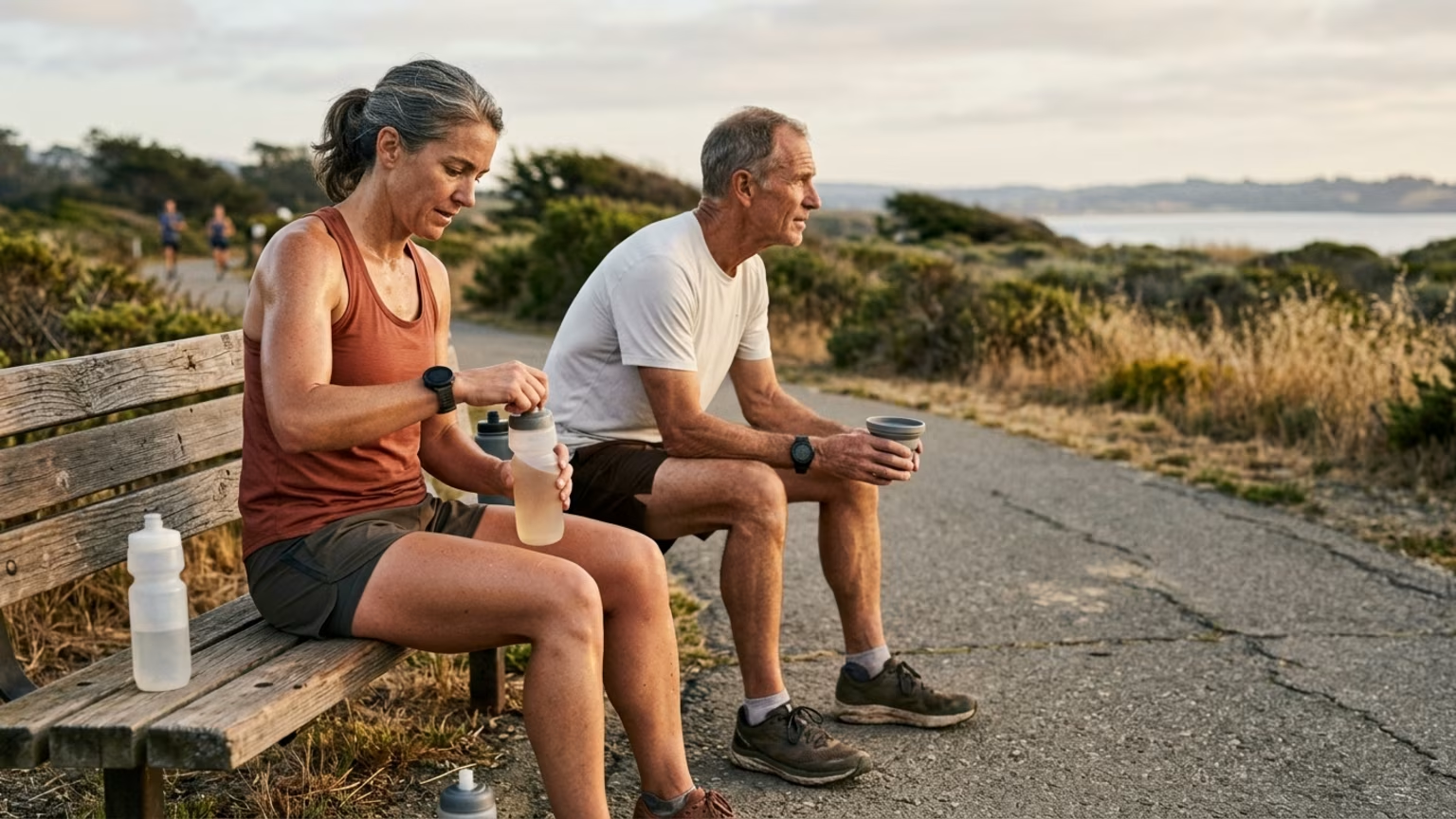
DH Sports emphasizes balancing fluid intake with individual sweat rates and conditions. Learn why endurance athletes should avoid the risks of overdrinking.
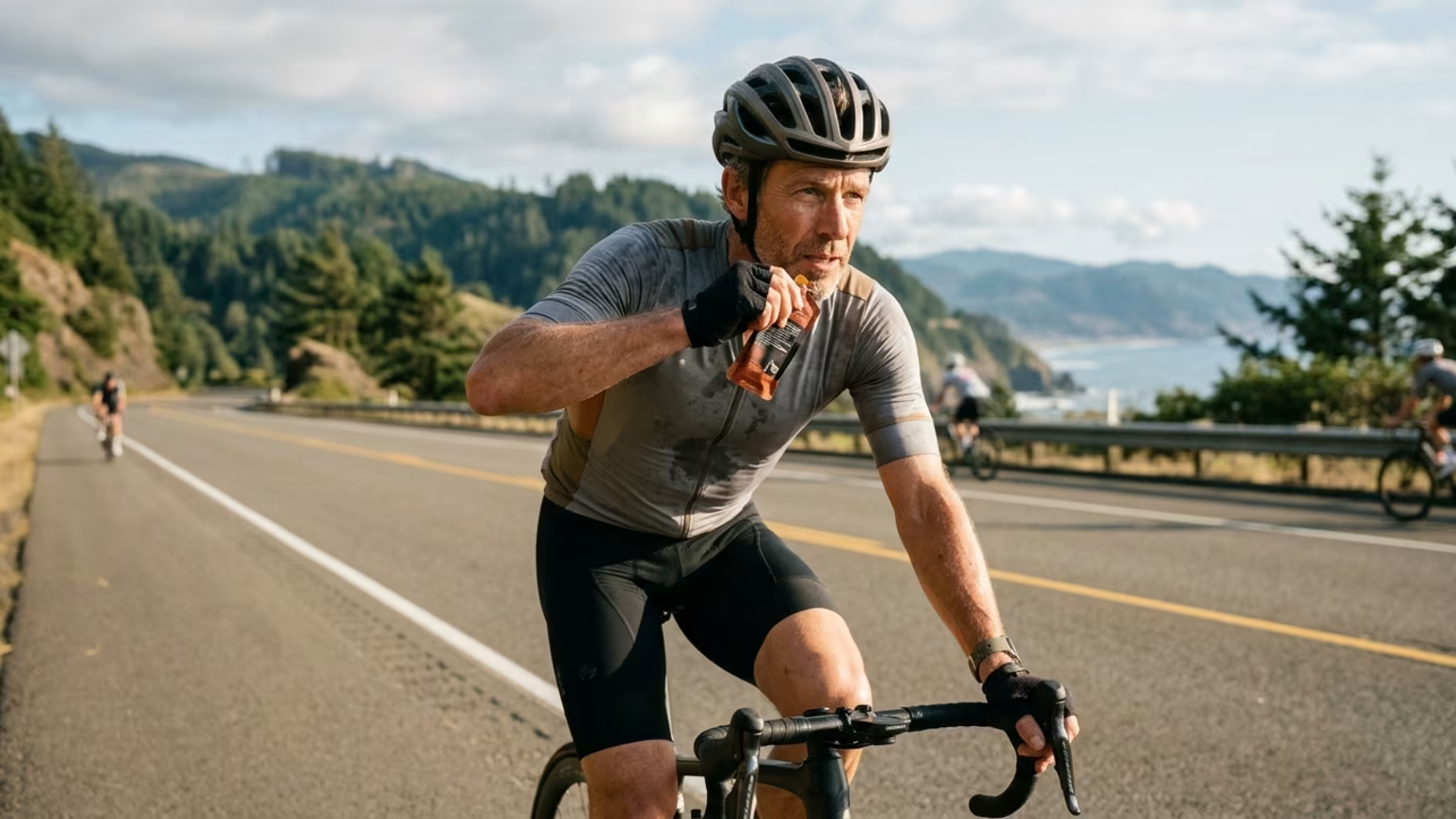
A September 2026 review highlights how 120g/h carbohydrate intake preserved late-stage critical power during moderate cycling compared to lower intake levels.
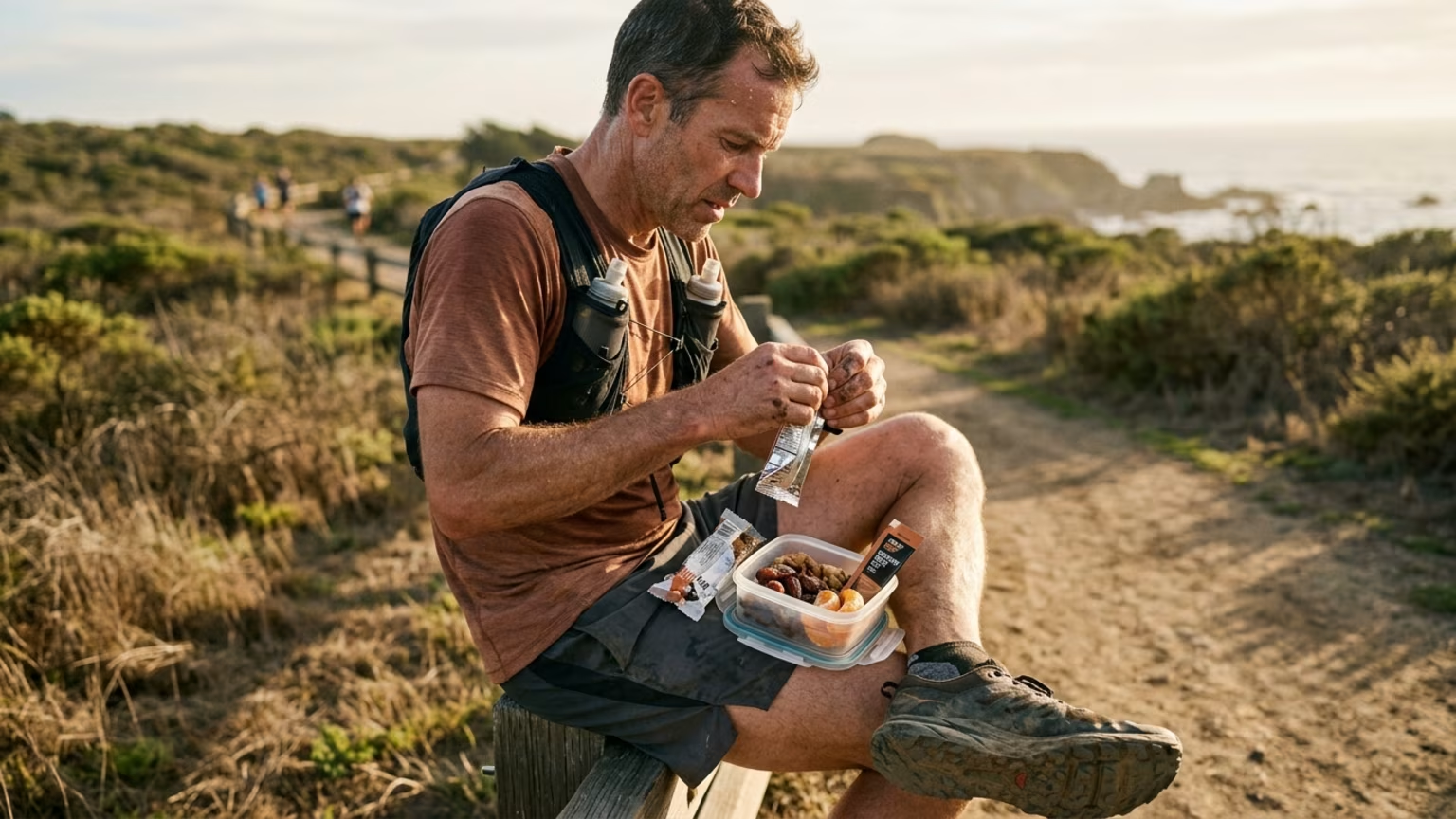
A new sports science review clarifies why engineered sports foods receive ultra-processed labels and how older endurance athletes can fuel strategically.
Read practical ideas on endurance training, recovery, nutrition and healthy aging to keep progressing for years to come.
Read the Blog