Your best miles are still ahead
Read practical ideas on endurance training, recovery, nutrition and healthy aging to keep progressing for years to come.
Read the Blog

Science in Sport's trail fueling guide recommends course-specific long-run rehearsals. Here is how athletes over 35 can apply that advice.


Use marathon pacing data to turn course features and support locations into segment cues, without treating every split as a target.

Compare even pacing with a conservative start, including marathon evidence, hills, heat, and the limits of pacing guidance for masters athletes.

Understand how tapering reduces workload while preserving familiar training, and how athletes over 35 can use the evidence without adopting a fixed formula.

A practical guide to pacing after 35, using a controlled start and flexible effort expectations when terrain, weather and fatigue change the race.

A practical FAQ on adapting race pace, clothing, and warm-up to heat, wind, cold, and changing course conditions.
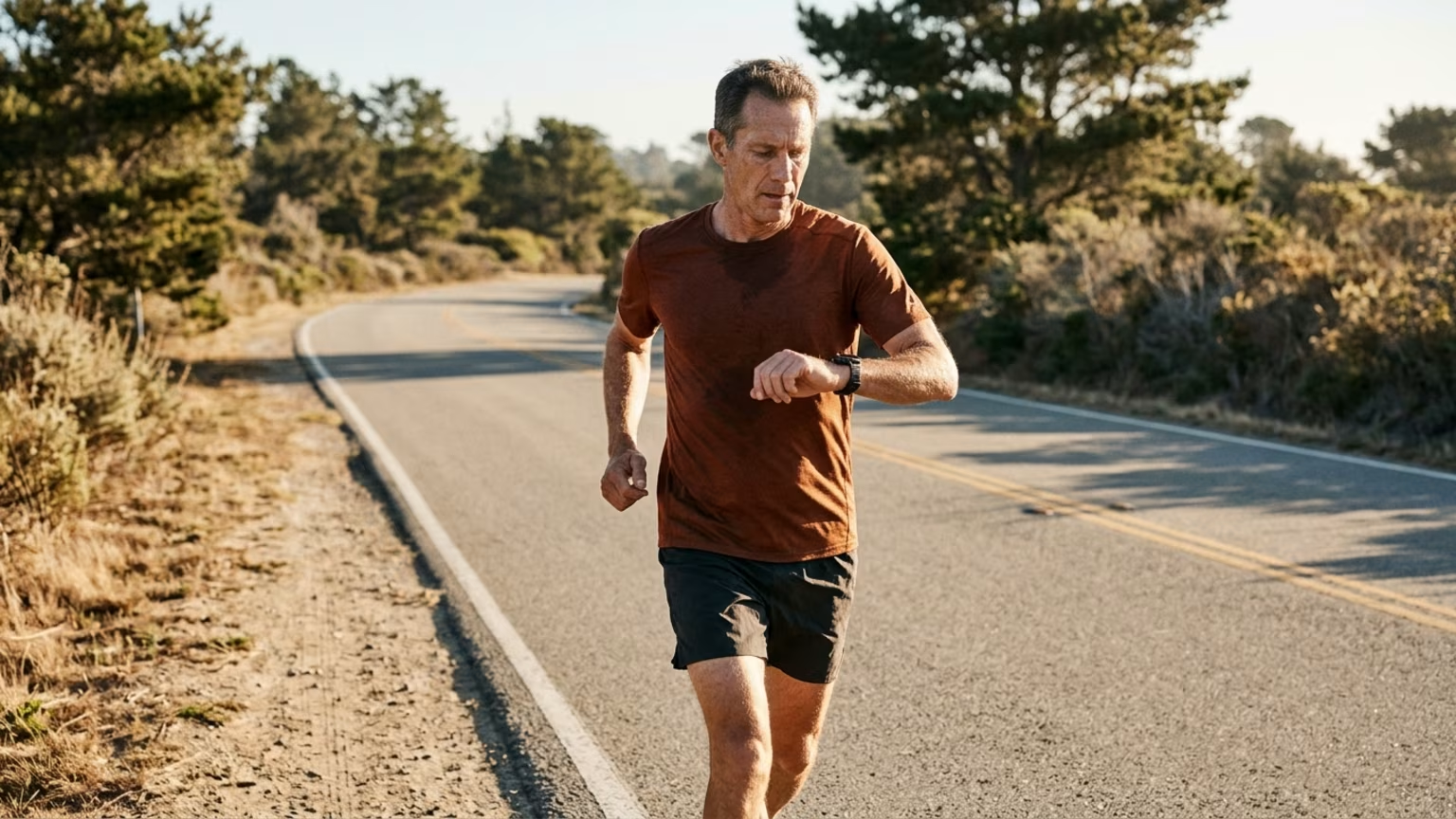
Compare even pacing and negative splits for masters athletes, with evidence on marathon starts, cycling effort and preserving the triathlon run.

Build an effort-aware race plan using pace, terrain and weather, with practical guidance for interpreting performance changes as you age.

Build a flexible race pacing plan using splits, power, and effort cues, with practical adjustments for hills, wind, heat, and unexpected fatigue.

Compare time, effort, and completion goals using reported marathon research, with practical considerations for training, conditions, and masters athletes.

A review of RunMotion’s 100-mile guidance on night practice, tune-up racing and conservative pacing, with context for endurance athletes over 35.

Two heat-training studies report physiological adaptation and changing food intake. Here is how athletes over 35 can interpret the findings.

How to combine pace, power, effort, and course conditions, with marathon and triathlon research to guide more adaptable race decisions.

Choose priority races, assess recovery, and weigh travel and life demands without relying on a one-size-fits-all race calendar.
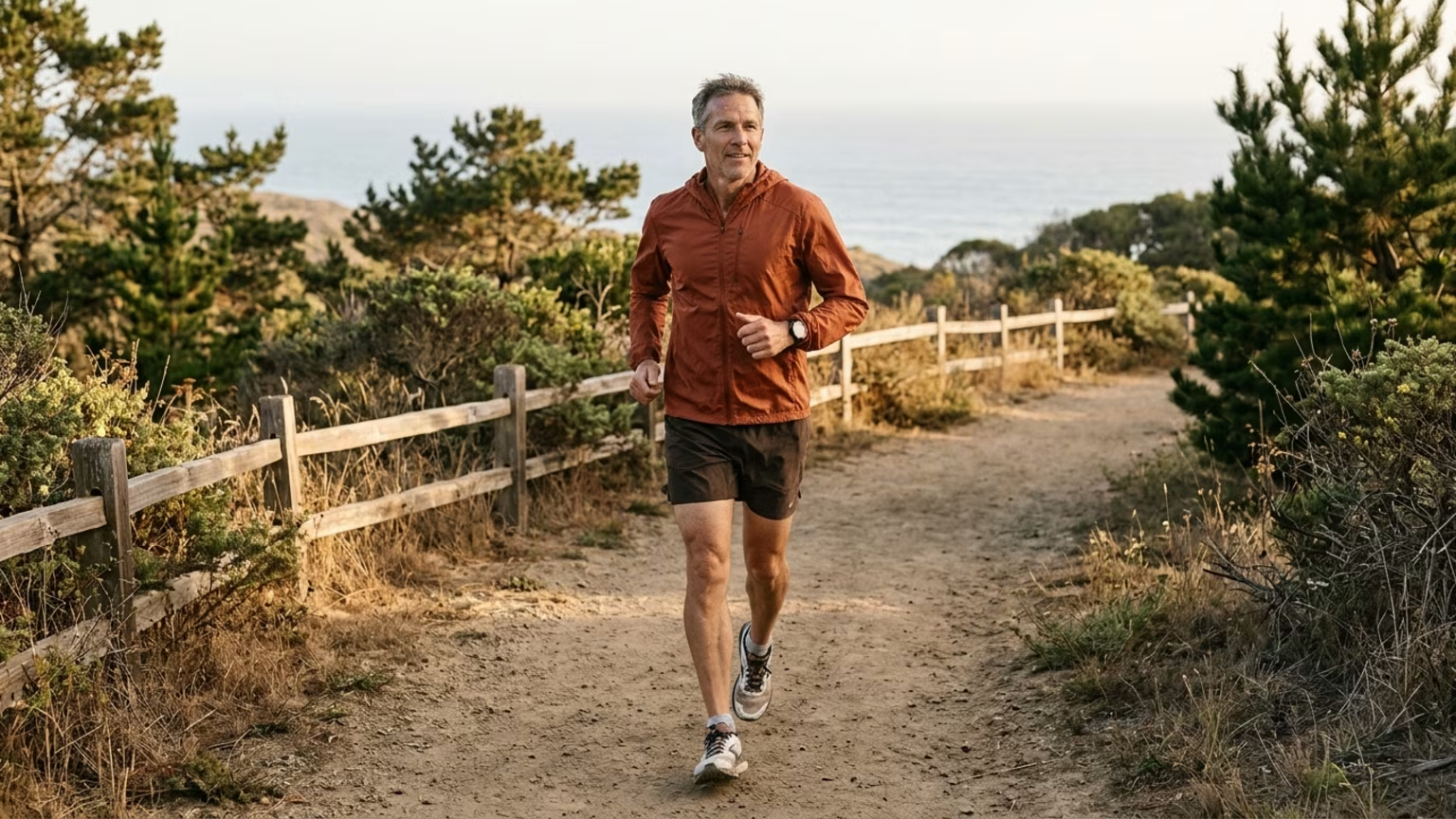
Understand taper research, reduce volume while retaining intensity, and put timing, training history and individual response into context.
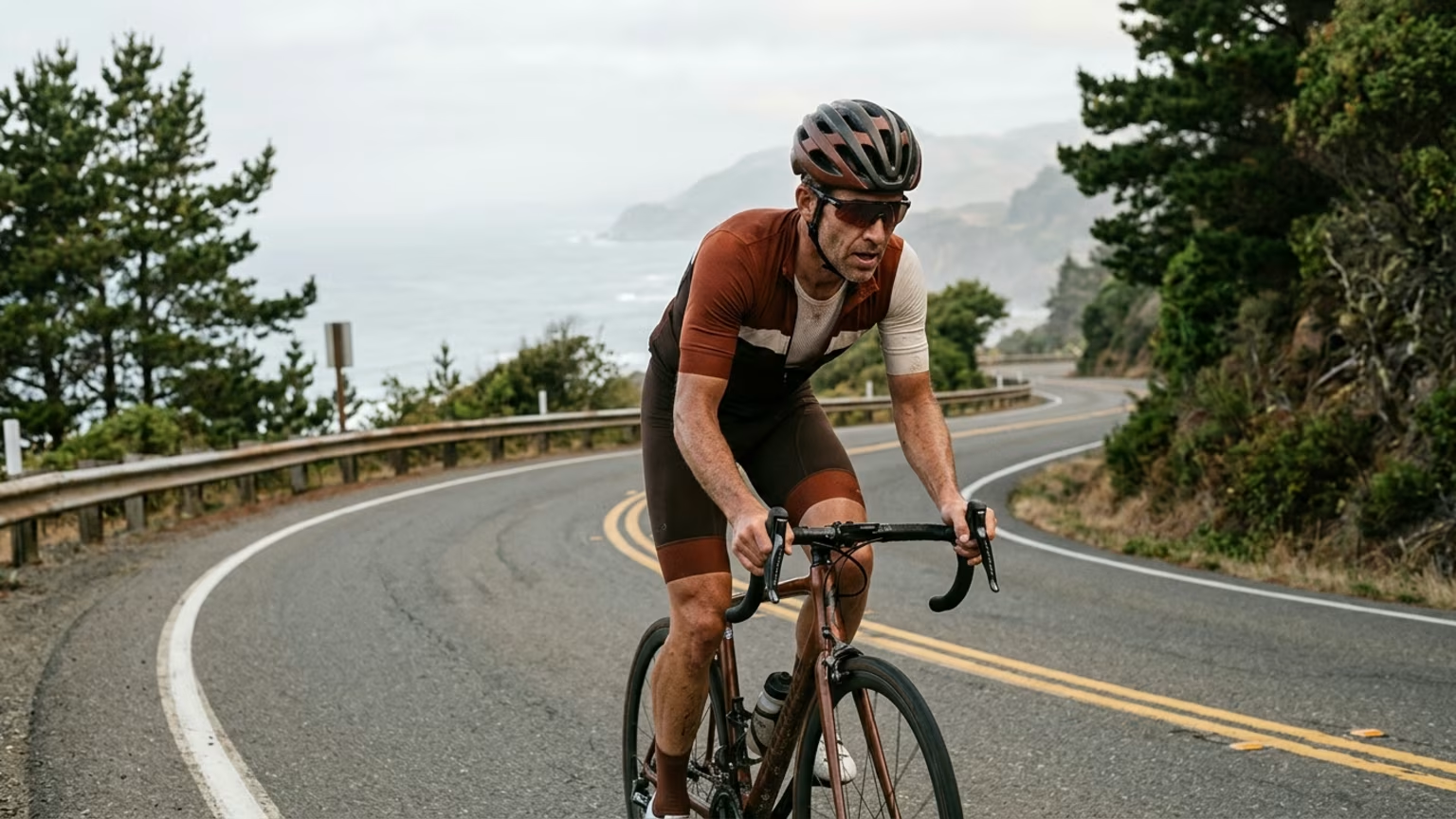
IRONMAN’s Hamburg guide links exposed bike sections with effort-based pacing and recommends a deliberate T2 reset before the marathon.

TriForward favors winter half marathons for most triathletes. We examine the recovery studies and the planning implications for athletes over 35.

Shark sightings turned Noosa Triathlon into a duathlon. What the reporting confirms and how athletes over 35 can approach a late format change.
Read practical ideas on endurance training, recovery, nutrition and healthy aging to keep progressing for years to come.
Read the Blog




