Your best miles are still ahead
Read practical ideas on endurance training, recovery, nutrition and healthy aging to keep progressing for years to come.
Read the Blog

Runner’s World’s 2026 New York Marathon guide recommends effort-based hill pacing, GPS caution and wave-specific planning. Here is the practical takeaway.


Gabe Joyes’s iRunFar advice supports flexible ultra finish plans, thoughtful sleep planning, and individualized rebuilding after Achilles problems.
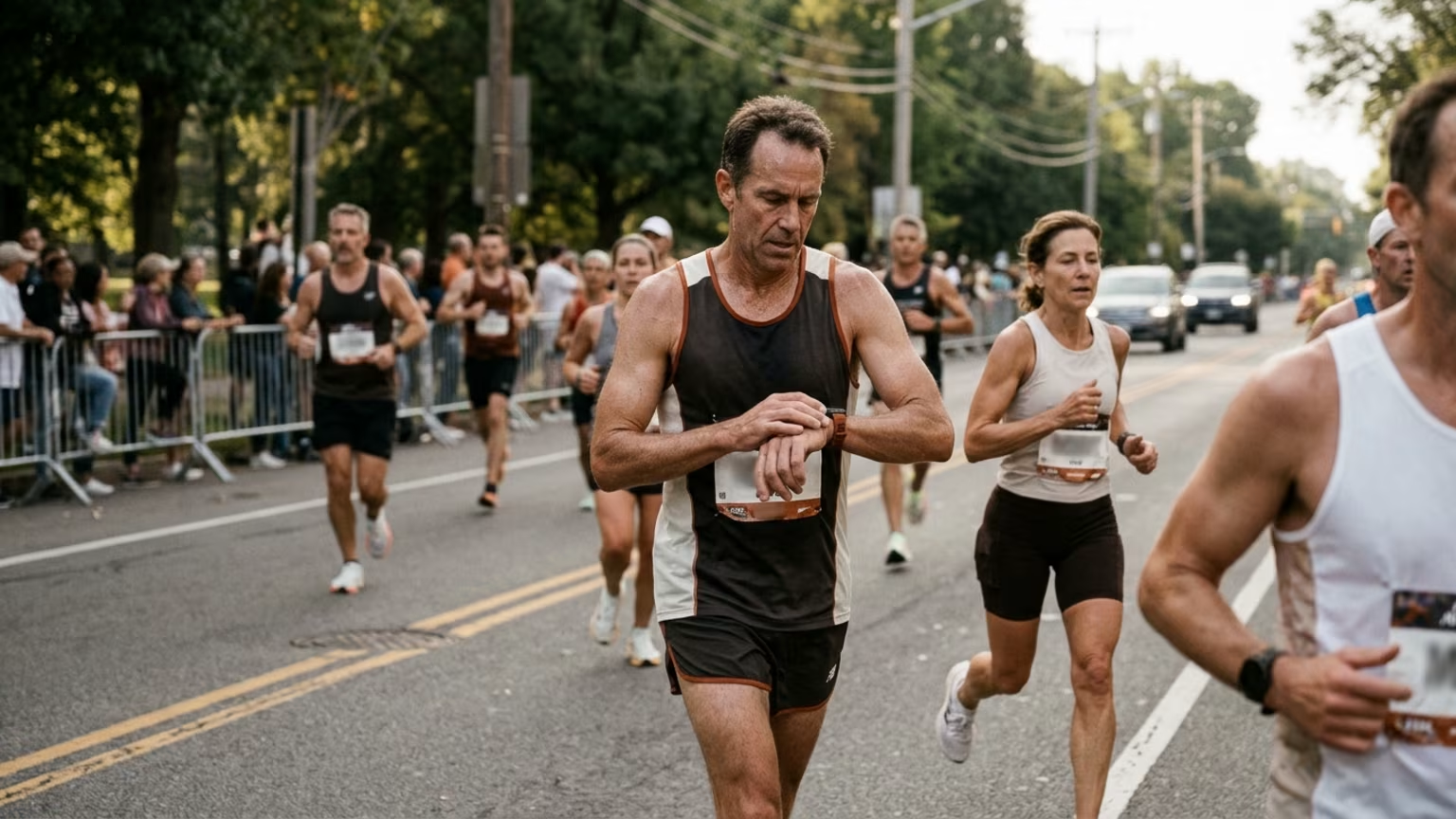
A closer look at Athletics Weekly’s pacing argument, Radcliffe’s 2003 London splits, and controlled marathon execution for runners over 35.
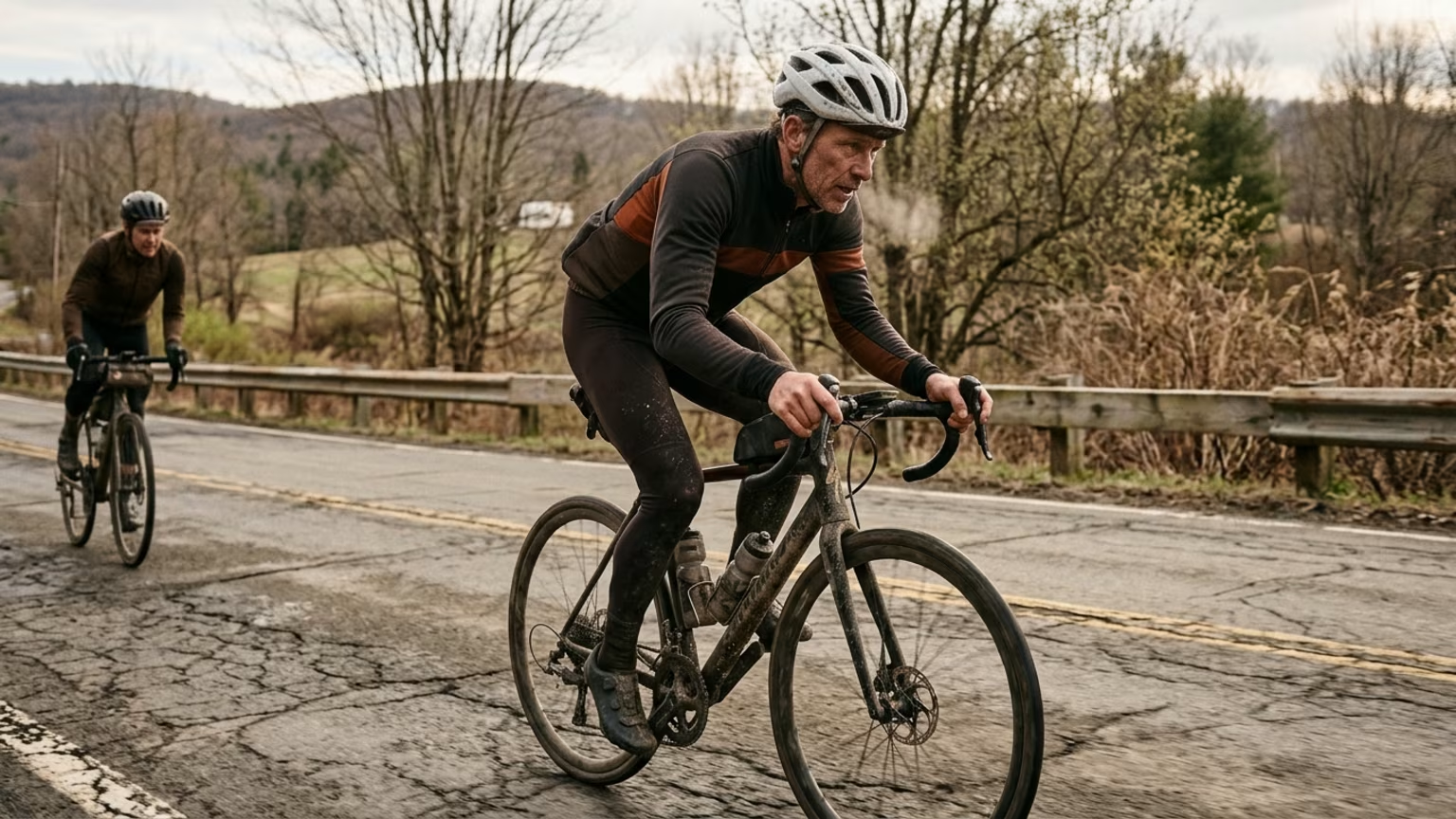
A Spring Classics report and a small cycling study put late-race power in focus. Here is how to interpret the findings for athletes over 35.

Runner’s World coaches outline five marathon challenges, from start-line logistics to the finish, with practical context for runners over 35.

ROUVY’s triathlon checklist connects bike pacing, course knowledge and transition rehearsal. Here is how to interpret the advice and its evidence.

Triathlon Nutrition Academy questions blanket hot-race hydration advice. The practical takeaway is to rehearse an individualized fluid-and-fuel plan.
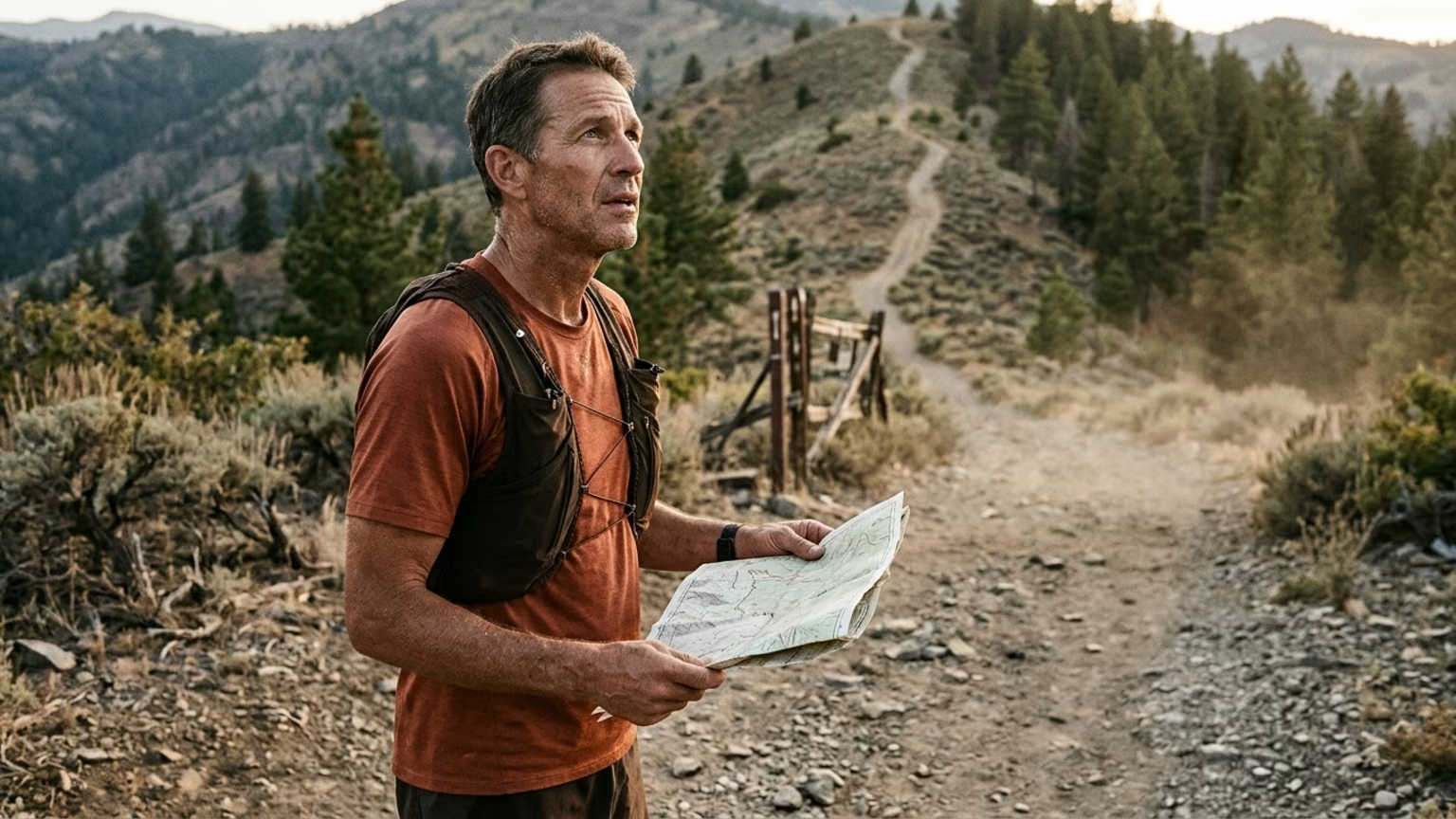
Turn a course map into clear race decisions using climbs, descents, exposure and aid stations, without inventing precise pace adjustments.
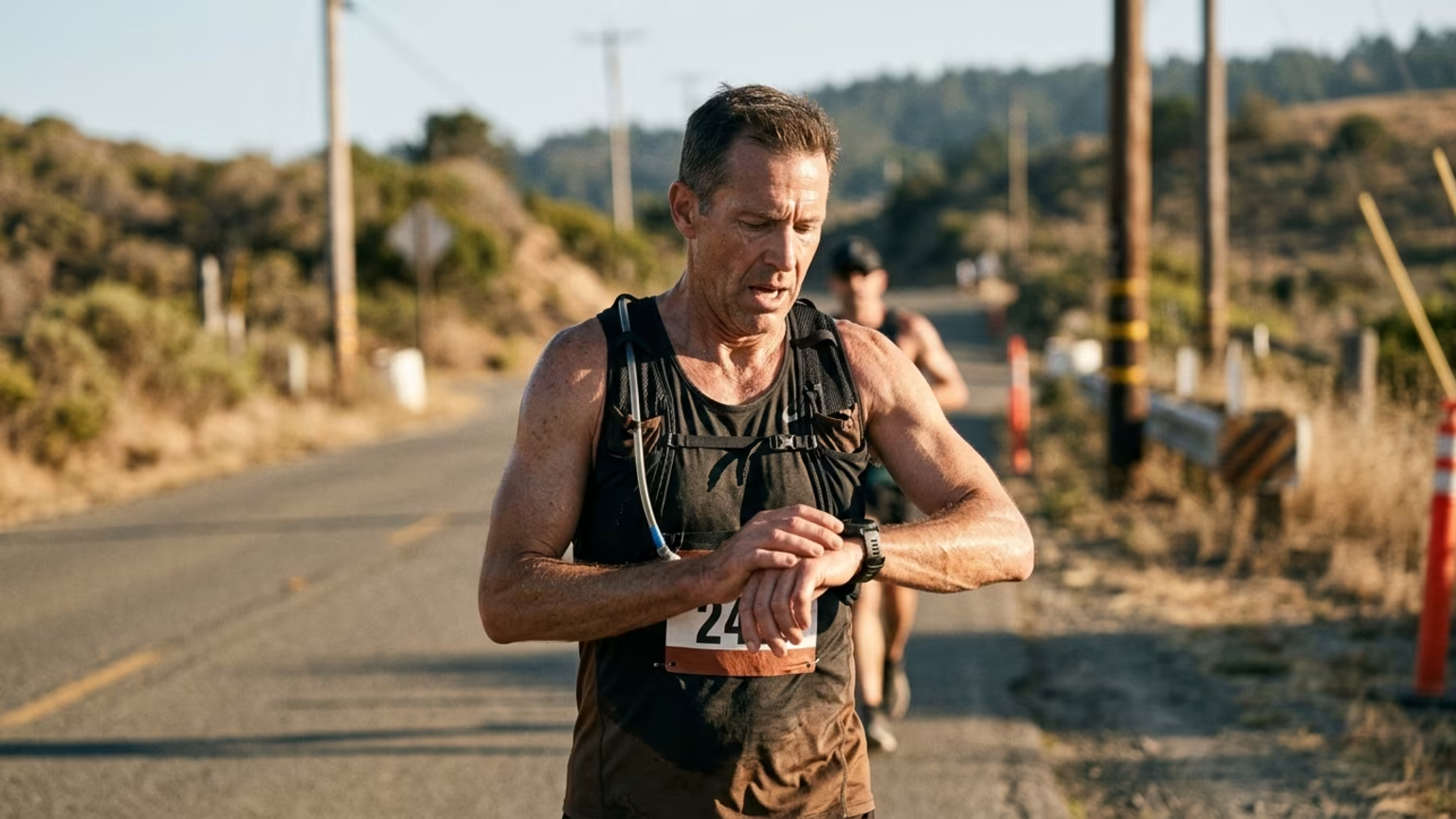
Understand effort-based pacing and use training references, perceived effort and race conditions to build an adaptable plan after 35.

Emma Grace Hurley’s Chicago debut offers lessons in shorter-distance development, varying running mileage and reviewing race-day patience.

An evidence-informed tapering FAQ on training volume, intensity and duration, with practical context for endurance athletes over 35.

USA Triathlon's 2026 Ironman World Championship preview details the Kona course. We translate how veterans must adapt to the heat, crosswinds, and large field.

Experts advise shifting key long runs and pace workouts to flat routes eight to 13 weeks before a flat marathon while retaining hills for strength.

Review the 239-kilometer route of Il Lombardia and learn practical late-race pacing and energy management strategies for endurance athletes over 35.

Canadian triathlete Paula Findlay shifts from Ironman 70.3 dominance to a full-distance Kona debut, prioritizing heat preparation and steady pacing.

MeteoPace data reveals why the Life Time Chicago Half Marathon requires weather-adjusted pacing. Learn how veteran athletes use effort to protect performance.

A new sports science consensus outlines three warm-up phases for endurance athletes, emphasizing dynamic movement over outdated static stretching.

The San Francisco Marathon outlines how to structure hill repeats by effort rather than pace. Learn how older athletes can adapt these workouts safely.
Read practical ideas on endurance training, recovery, nutrition and healthy aging to keep progressing for years to come.
Read the Blog




