Your best miles are still ahead
Read practical ideas on endurance training, recovery, nutrition and healthy aging to keep progressing for years to come.
Read the Blog

The Tempo questions a 30-hour Zone 2 benchmark. We examine the interval evidence and practical winter-planning implications for cyclists over 35.


Reflection prompts to help endurance athletes value enjoyment, progress, community, and competition alongside personal bests.

A practical FAQ on aging, race goals and athletic identity, with Masters-athlete research and ways to define progress beyond personal records.

Compare personal-record tracking with a broader progress log for endurance athletes over 35, including consistency, enjoyment and returning after disruption.

Use workout quality, sleep, mood and stress to decide whether to keep, modify or replace an endurance session without relying on one readiness score.
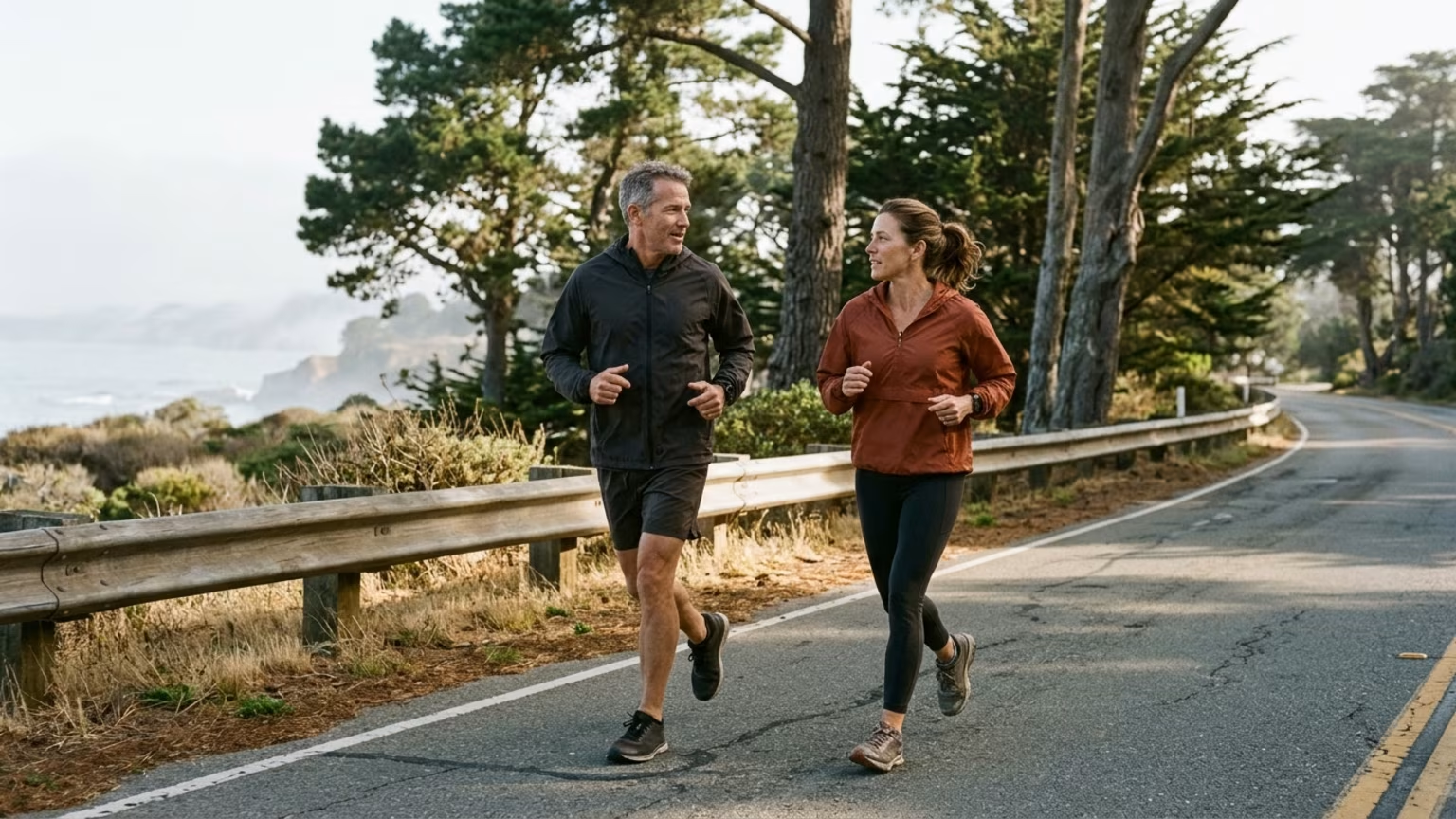
Reflect on enjoyment, personal meaning, and choice to find reasons to train beyond race results, grounded in exercise motivation research.

An ITWeb first-person account offers runners over 35 a measured way to think about easy runs, work pressure and the choice to adjust a plan.

Review your endurance season through race results, execution, manageable training and meaningful experiences without giving up performance ambition.

Plan endurance training around work, family, sleep, and recovery. Identify priority sessions and adjust the week when life changes.

INSCYD challenges rigid 80/20 training targets. See how its argument compares with the evidence and what it means for endurance athletes over 35.

Courtney Dauwalter’s training profile offers athletes over 35 a measured way to think about motivation, complete rest and useful training data.

How sleep and life stress fit into training readiness after 35, with a practical check-in for choosing whether to proceed, modify or rest.

RunMotion’s updated strength guidance for runners over 50, the evidence behind it, and practical implications for masters athletes.

An endurance FAQ on ambition and aging, with reflection prompts for process goals, meaningful challenges and progress beyond personal records.

Research supports flexible endurance planning during busy weeks. Learn how to prioritize sessions, reduce workload, and keep recovery in the plan.
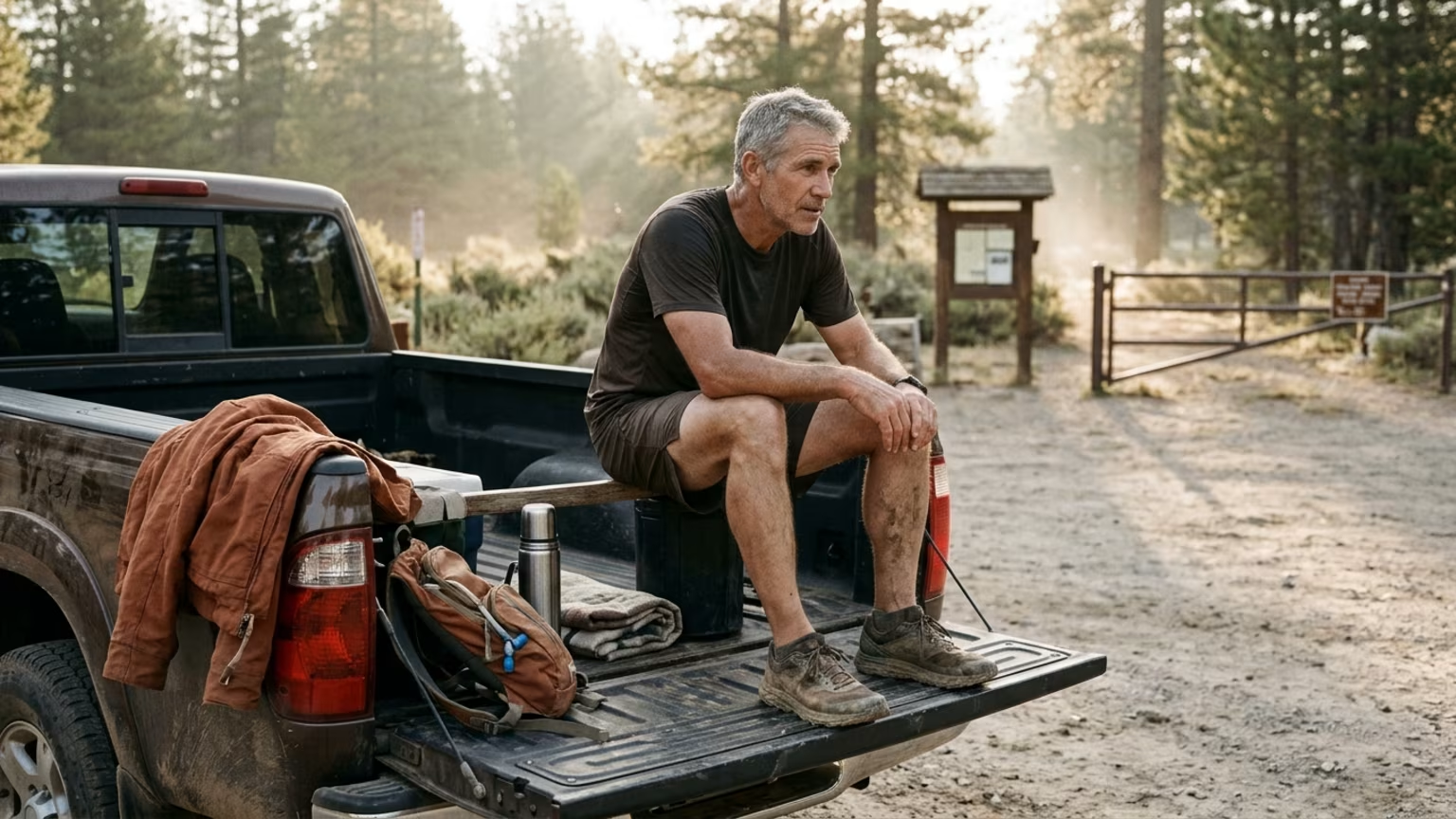
A reflective FAQ on keeping endurance sport meaningful through injury, aging and changing priorities without making every goal a test of identity.

A practical FAQ on prioritizing workouts, reducing training and handling missed sessions when work, caregiving or travel crowds the week.

Still ambitious after 40? Put personal bests alongside age-group results, consistency, skill goals and a responsive approach to recovery.
Read practical ideas on endurance training, recovery, nutrition and healthy aging to keep progressing for years to come.
Read the Blog