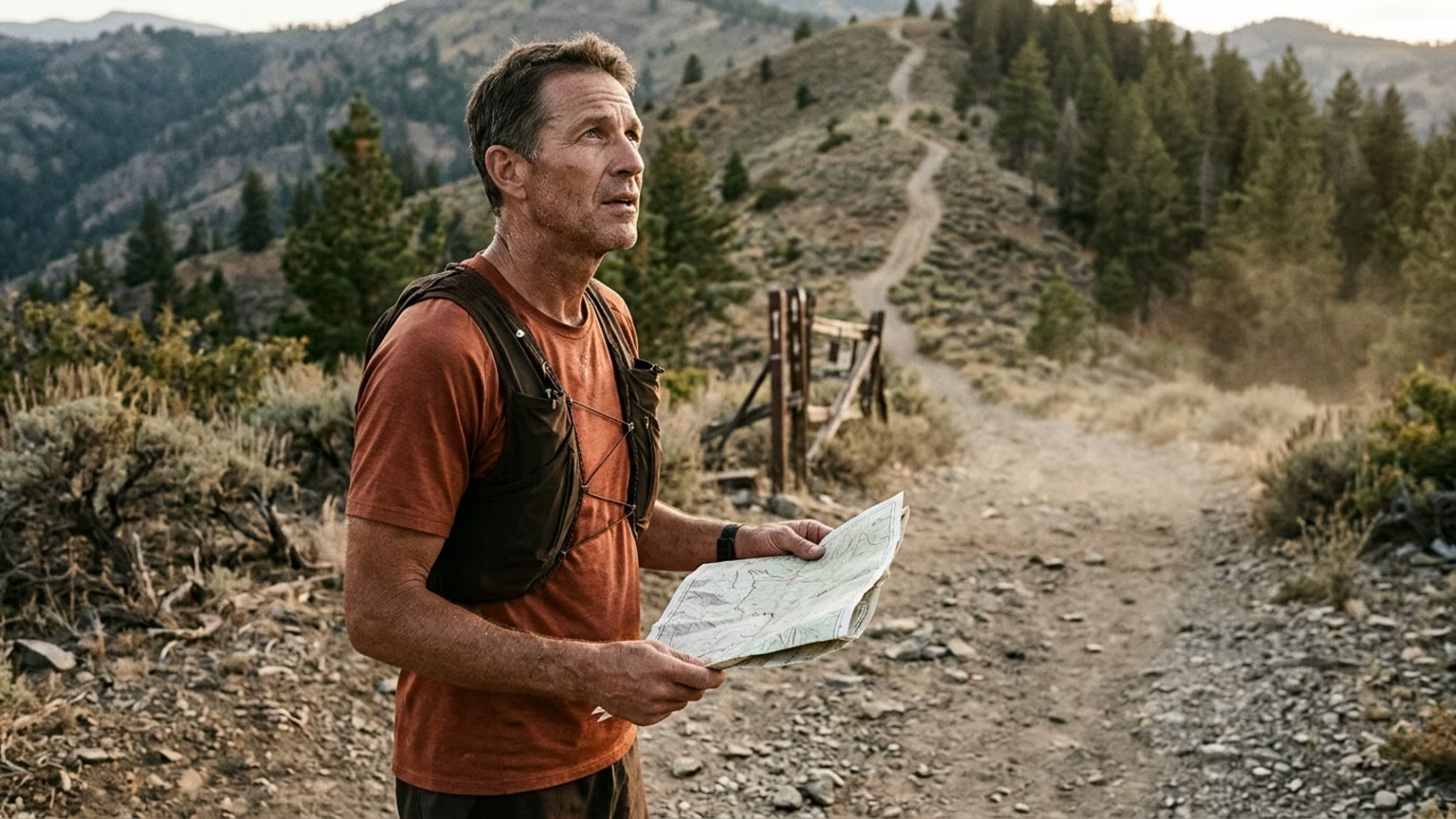

Turn a course map into clear race decisions using climbs, descents, exposure and aid stations, without inventing precise pace adjustments.





A course profile tells you exactly how fast to run every part of a race. It does not: a map supports planning, not a precise prediction of your effort or finish time.
That distinction changes the job of course preparation. Instead of assigning a compulsory pace to every rise and fall, identify where the route calls for a decision. A climb might prompt restraint. An exposed section might call for reassessment rather than a predetermined acceleration.
The useful outcome is a set of clear intentions tied to recognizable places. You want to know what deserves attention without treating the elevation chart as a schedule your body must obey.
The misconception follows the logic of a pace table: choose a finish time, translate it into splits, then try to reproduce those splits across the route. The older assumption behind that approach is that the target pace should remain the main instruction regardless of what the course presents.
As a planning shortcut, that is appealing. A single number is easier to remember than a set of decisions about terrain and conditions. Adding an elevation profile can make the plan look more sophisticated without changing its central assumption.
The mistake comes when the profile becomes another calculator. A climb gets assigned a time penalty. A descent becomes somewhere to recover that time. The resulting plan can appear exact even when its adjustments have not been established for that runner and route.
A better interpretation keeps the finish goal but changes the role of the map. The route becomes context for decisions rather than a set of instructions to force the watch back onto schedule.
A marathon pacing article summarizes research associating more even pacing with better marathon performance. That finding supports a measured approach rather than a plan built around repeated attempts to regain lost seconds.
Keep the evidence boundary in one place: association does not establish cause and effect or one ideal split pattern for every runner. The supplied research also provides no universal pace adjustment for climbing or wind. The segment-planning method below is practical editorial guidance, not a validated performance intervention.
For planning purposes, separate effort from pace. Effort describes how hard you intend to work. Pace describes how quickly you cover the ground. A course map does not measure your body's response to the task.
The practical question therefore changes from “What exact split belongs here?” to “What decision would keep this section consistent with the race I intend to run?” That is a useful foundation for interpreting several pacing signals together rather than treating one watch reading as the whole story.
Start with the organizer's current course map and supporting event information. A trail-race guide recommends checking course details alongside the elevation profile, surface notes and aid-station locations.
Use those materials to separate what is documented from what you are assuming. A marked climb is a course feature. Your intention to run it conservatively is a planning choice. Expected wind belongs in the conditions column of your thinking rather than becoming a permanent property of the map.
A useful first pass is to record:
Then add tactical notes. Keeping those tasks separate makes it easier to revise an interpretation without confusing it with a documented course fact. For a broader preparation framework, use our guide to checking the route before choosing tactics.
For each major climb, mark its beginning and end. Then write an intention about effort rather than inventing a seconds-per-distance adjustment. “Keep the effort controlled until the climb ends” is a planning cue that does not pretend to predict the resulting split.
Also look beyond the summit. Consider whether the next section is another climb or a place where you can reassess. The purpose is to avoid writing a decision for one feature while ignoring what follows it.
Descents need their own interpretation. A London Marathon course guide reports that organizers advise runners not to accelerate too much on an early descent. That is a concrete example of course guidance favoring restraint where a runner might otherwise see an opportunity to gain time.
For that course, the early downhill belongs in the plan as a restraint cue. For another event, first check the relevant route information. Do not turn a downhill label into an automatic instruction to make up a deficit.
A measured increase can remain an option rather than an obligation. Write the decision as a question: “Does the next section support increasing effort while preserving the overall plan?” Avoid making acceleration the price of having run a slower uphill split.
Treat possible wind exposure as something to cross-check against race-day conditions. Mark sections you want to review rather than attaching an unsupported pace penalty to them. A useful note is “reassess effort through the exposed section,” not a precise adjustment copied across every similar-looking stretch.
Surface and technical information deserve the same attention. The trail-race guidance identifies these features as relevant parts of assessing a course. Add the organizer's descriptions beside the elevation information so that the profile does not become your only reference.
For turns, choose a few locations that need recognition. A note might identify the turn that leads into a climb or the junction before an aid station. This is about making the route readable rather than memorizing every change of direction.
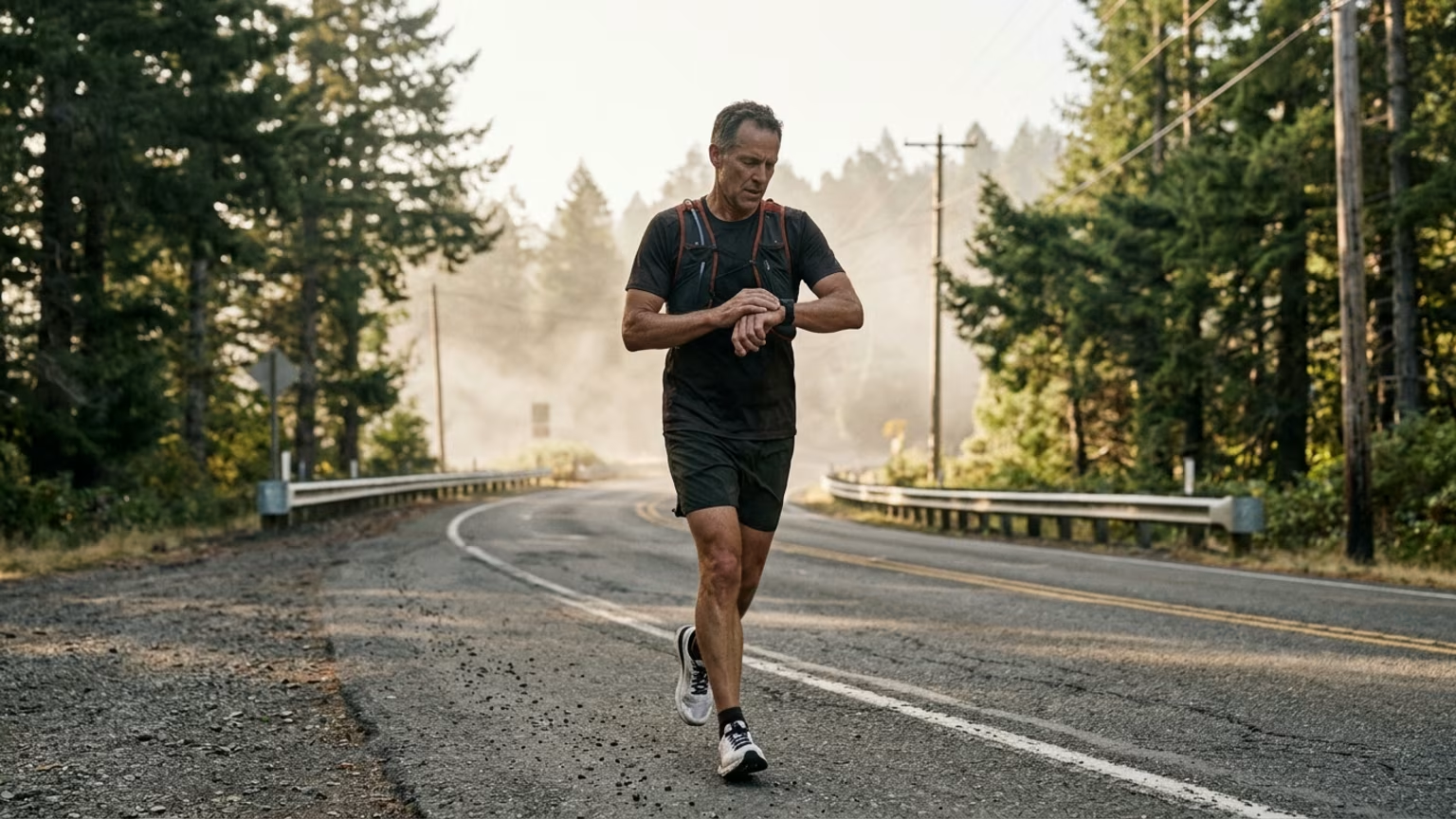
The London course guide adds another detail: buildings and underpasses may interfere with GPS readings. It recommends relying on mile markers in those locations. A route plan can therefore include where to interpret the watch cautiously as well as where to manage effort.
Use the current event information to mark aid-station locations. Record what the organizer confirms rather than assuming that a familiar distance or landmark means support will be available there.
Keep the route note simple. Identify where the station sits in relation to a climb, descent or turn. Separate its confirmed location from any personal fueling decisions so that the map does not become a substitute for an established nutrition plan.
If the event information leaves a question unanswered, keep it visible until it is resolved. A blank in the plan is more useful than an invented detail that looks certain on race morning.
Once the course facts are assembled, group the route into sections with a clear decision attached. A new segment can begin when the relevant task changes. There is no need to divide the course into equal pieces simply to make the document look orderly.
For each segment, record four things:
Illustrative notes might read: “Early descent: follow the course guidance and resist unnecessary acceleration.” Another could be: “Main climb: keep effort controlled, then reassess after the summit.” These are decision prompts rather than predictions.
Keep any proposed increase equally conditional. “Consider a measured increase after reviewing the next section” leaves room for judgment. “Recover all lost time here” turns the course plan into a demand that the evidence does not support.
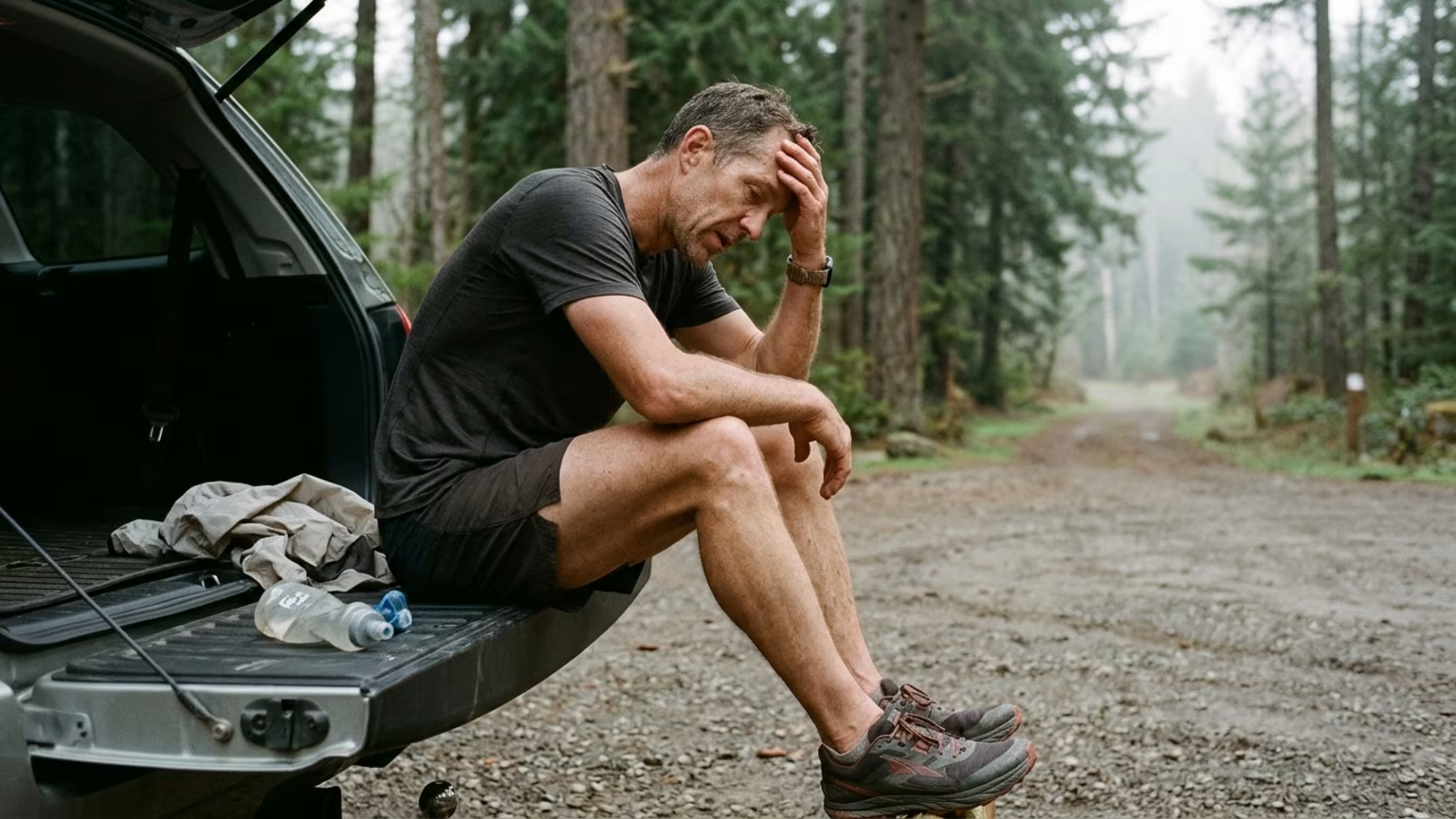
After the event, compare those intentions with what happened. Our approach to reviewing race decisions afterward provides a place to examine which cues were useful and which assumptions need revision. Treat that review as an opportunity to improve the next plan rather than defend the previous one.
The mindset shift is from controlling every split to preparing for the decisions the route presents. At Reendure, we believe immediate performance and long-term participation belong in the same conversation. That means valuing a plan for the quality of its judgment rather than the apparent precision of its numbers. Read the course carefully, give each important feature a clear purpose, and leave yourself room to respond to the race you are actually running.

Follow ReEndure for practical insights on endurance training, recovery, nutrition and healthy aging. Stay connected for new articles, research led guidance and ideas to help you perform better for longer.




Read practical ideas on endurance training, recovery, nutrition and healthy aging to keep progressing for years to come.
Read the Blog