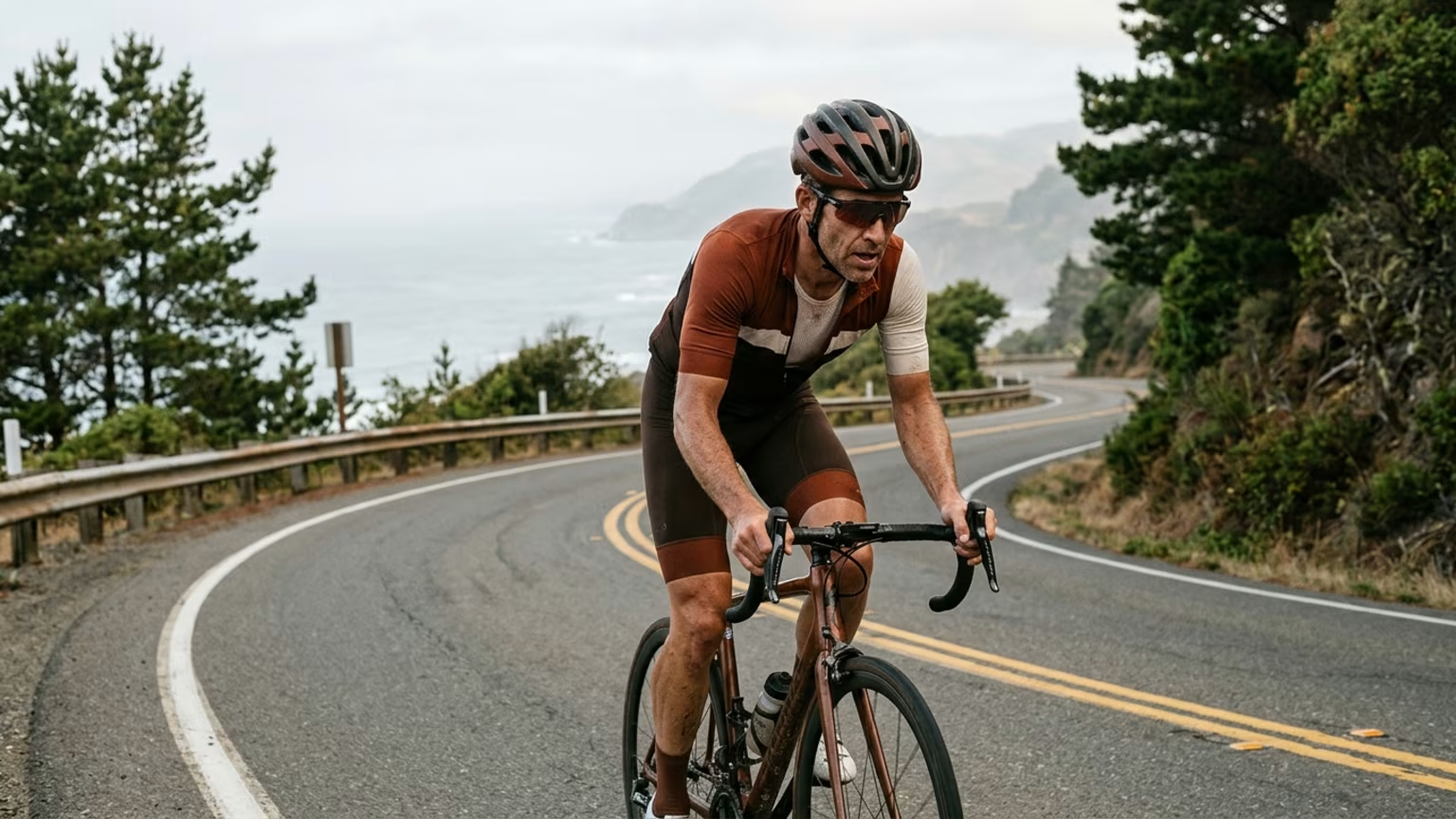

IRONMAN’s Hamburg guide links exposed bike sections with effort-based pacing and recommends a deliberate T2 reset before the marathon.





The official IRONMAN Hamburg race guide is dated November 3, 2026. Its central pacing message is straightforward: a predominantly flat bike course still deserves a wind-aware plan. IRONMAN recommends riding to effort rather than chasing average speed and treating the second transition as a deliberate reset before the marathon.
That advice makes more sense when read alongside the course description. The official guide places long stretches of the bike course on exposed dykes. It also describes a four-loop run that moves between busy city-center sections and quieter stretches to the north.
For endurance athletes over 35, the useful question is how those details should inform race execution. The guide offers a course-specific way to organize attention: begin calmly and ride with control, then prepare deliberately for the run.
IRONMAN describes Hamburg as a full-distance event with a one-loop 3.8 km swim, a predominantly flat 180 km bike course, and a four-loop marathon. The swim takes place in the Inner and Outer Alster. The bike combines city roads with open dyke sections, while the run follows the Alster and passes through the city center.
The key distinction is between the course’s profile and its exposure. IRONMAN characterizes the bike course as fast and predominantly flat but explicitly warns that wind can matter on the open sections. Read together, those descriptions support a more thoughtful plan than simply expecting a fast ride.
The evidence boundaries belong in one place. This is organizer guidance rather than a controlled study, with no comparative performance data or age-specific pacing advice. The T2 reset has no prescribed duration or physiological threshold and is not a tested recovery protocol. The description also gives no upcoming race date or year-specific route confirmation, and its characterization of calm swim conditions does not guarantee race-day conditions.
Within that scope, the guide provides useful planning cues. Its value is in connecting particular course features with clear decisions rather than offering a new training method.
IRONMAN advises athletes to begin the swim calmly. The described route starts at Jungfernstieg and exits at Rathausmarkt. After leaving the water, athletes face an approximately 200-metre run toward transition at Ballindamm.
That detail belongs in the race plan alongside the swim itself. The guide’s description makes clear that reaching the swim exit and reaching transition are separate moments. A useful rehearsal is therefore mental as well as practical: picture the exit and the movement toward transition, rather than ending the swim plan at the water’s edge.
The organizer’s calm-start cue can remain simple. It does not need to become an elaborate set of rules or a new pace target. For athletes preparing for Hamburg, the immediate task is to connect the swim with the transition that follows.
The bike course uses two laps and passes central Hamburg landmarks before including long stretches on open dykes. Those exposed sections are the basis for IRONMAN’s warning about wind. Its recommendation is to stay aerodynamic and pace by effort rather than chase average speed.
The distinction matters when writing the bike plan. A speed goal describes an outcome, while the organizer’s advice directs attention toward how the athlete is riding. If the plan only states an average speed, it leaves the guide’s main warning largely unaddressed.
A more faithful translation is to make effort the primary pacing reference on exposed sections. Speed can remain part of the picture without becoming the sole measure of whether the ride is going well. That is the practical meaning of the organizer’s advice, rather than an instruction to ignore race data.
This fits the broader planning principle of considering more than one pacing signal. For Hamburg, the specific reason is already in the guide: the roads may be flat while still being exposed to wind.
The aerodynamic cue belongs beside the effort cue. IRONMAN presents both as part of its bike strategy. Read them together as course guidance, rather than turning the aerodynamic recommendation into an unsupported equipment purchase or a new position prescription.
IRONMAN’s transition advice is unusually concrete. It recommends racking the bike and collecting the run bag, then taking a breath and preparing for the marathon rather than rushing through. The guide includes lowering heart rate as an aim of that reset.
The useful idea is a deliberate change from cycling to running. T2 becomes a place to complete the bike leg and prepare for the next task, not simply another opportunity to hurry. That gives the transition a purpose beyond moving equipment.
A rehearsal based on the guide could follow this sequence:
The sequence can be practiced if it suits the athlete’s existing race plan. Its purpose is to make the transition familiar and intentional. There is no need to add an invented countdown or turn the pause into a separate performance target.
This is also a useful place to connect the bike plan with the run plan. The organizer’s recommendations are not isolated tips: controlled bike pacing leads into a transition explicitly focused on preparing for the marathon. Both belong in the same race-execution discussion.
The guide describes four run loops with busier city-center stretches and a quieter northern section. It identifies those quieter stretches as an opportunity to refocus on pacing, nutrition, and form. The finish is at Rathausmarkt.
For planning purposes, that creates a recognizable cue within the course. Rather than treating every section as identical, an athlete can identify the quieter stretch as a place to return attention to the existing run plan. The organizer’s advice is about using the course’s changing atmosphere deliberately.
Keep the distinction between a reminder and a prescription. A nutrition check means returning attention to the fueling plan already being used. The guide’s course description is not a reason to invent a new intake schedule or make an untested race-day change.
A 2026 American College of Cardiology summary defines masters athletes as people aged 35 and older who regularly participate in competitive or high-intensity recreational exercise. It also reports substantial cardiovascular benefits associated with lifelong physical activity. That provides context for a readership interested in both competition and staying active over time.
For this audience, the Hamburg guide is most useful as an execution document. It gives athletes concrete points to consider within a race plan they are already developing. The emphasis is on matching decisions to the described course rather than assuming that age alone requires a different strategy.
Reendure’s focus is translating evidence into practical guidance for athletes over 35 who want to remain competitive for years. Here, that means keeping the task appropriately narrow: understand the course and decide how the organizer’s cues fit the plan.
For an athlete preparing for Hamburg, that discussion can center on three questions:
These are race-planning questions rather than demands for more training. They also provide useful topics for reviewing execution after the event. A review can examine whether the intended cues were used instead of judging the entire day by one average-speed figure.
IRONMAN’s Hamburg guide offers a coherent set of course-specific recommendations. Begin the swim calmly. Stay aerodynamic and let effort guide the bike leg on exposed sections. Use T2 to prepare deliberately for the marathon, then use quieter run stretches to return attention to pacing and the existing fueling plan.
The modest takeaway is also the useful one: a predominantly flat course still deserves a considered execution plan. For ambitious athletes over 35, this guide is a reason to rehearse a few clear decisions, not a reason to overhaul training or chase a new physiological target.

Follow ReEndure for practical insights on endurance training, recovery, nutrition and healthy aging. Stay connected for new articles, research led guidance and ideas to help you perform better for longer.


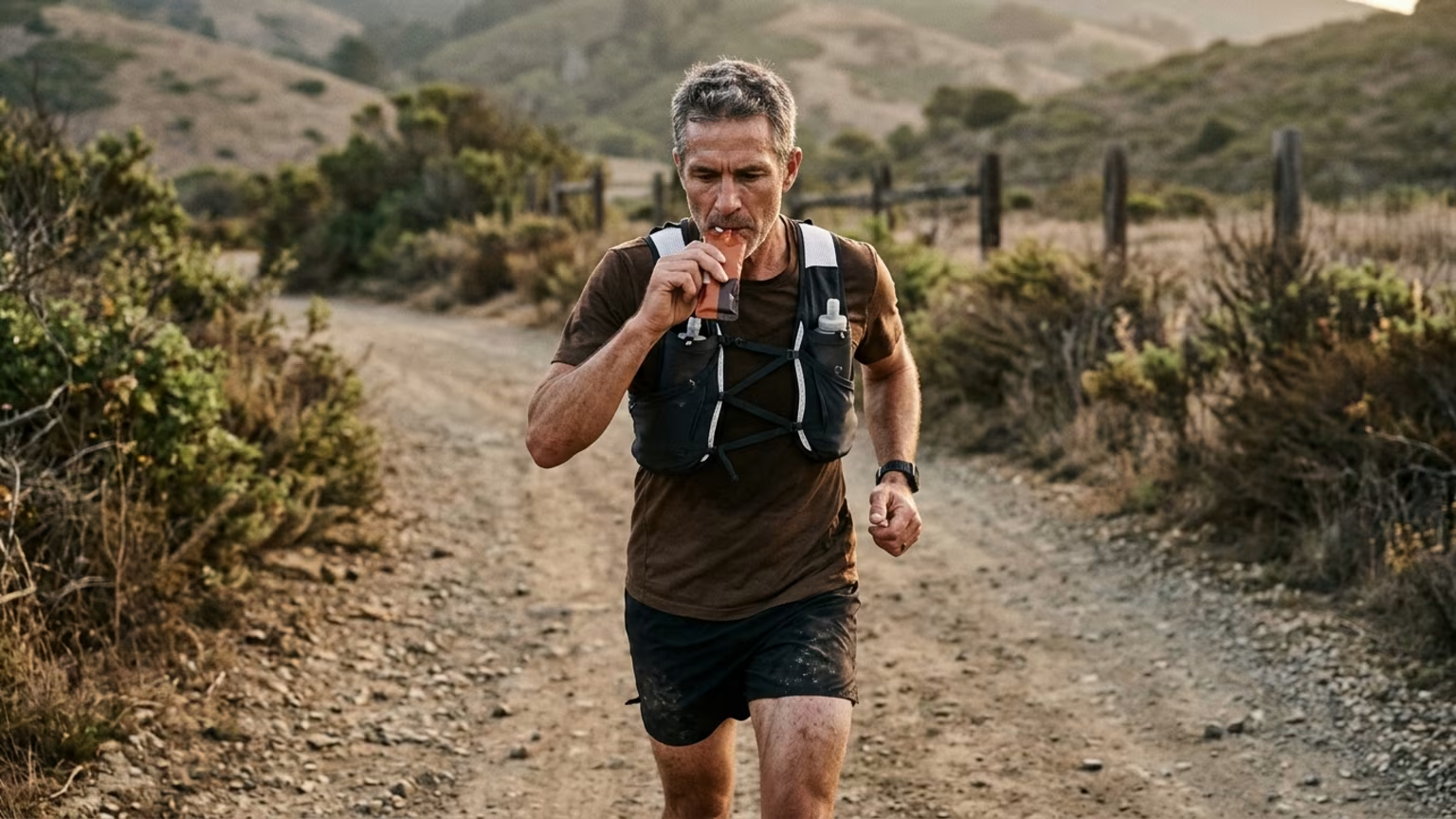

Read practical ideas on endurance training, recovery, nutrition and healthy aging to keep progressing for years to come.
Read the Blog