Your best miles are still ahead
Read practical ideas on endurance training, recovery, nutrition and healthy aging to keep progressing for years to come.
Read the Blog

A recent four-week diet trial shows that an omnivorous high-carbohydrate eating pattern improved biological age markers in older adults over a short timeframe.


A 90-day trial found 300 mg of sustained-release ashwagandha improved strength and aerobic capacity in active adults when combined with structured training.

A 2026 Diabetes Care study links continuous glucose monitor patterns to cardiometabolic risk in adults without diabetes. Learn how to interpret the findings.

Understand why endurance athletes face digestive distress and how masters competitors can actively train their gut to secure reliable race day performance.
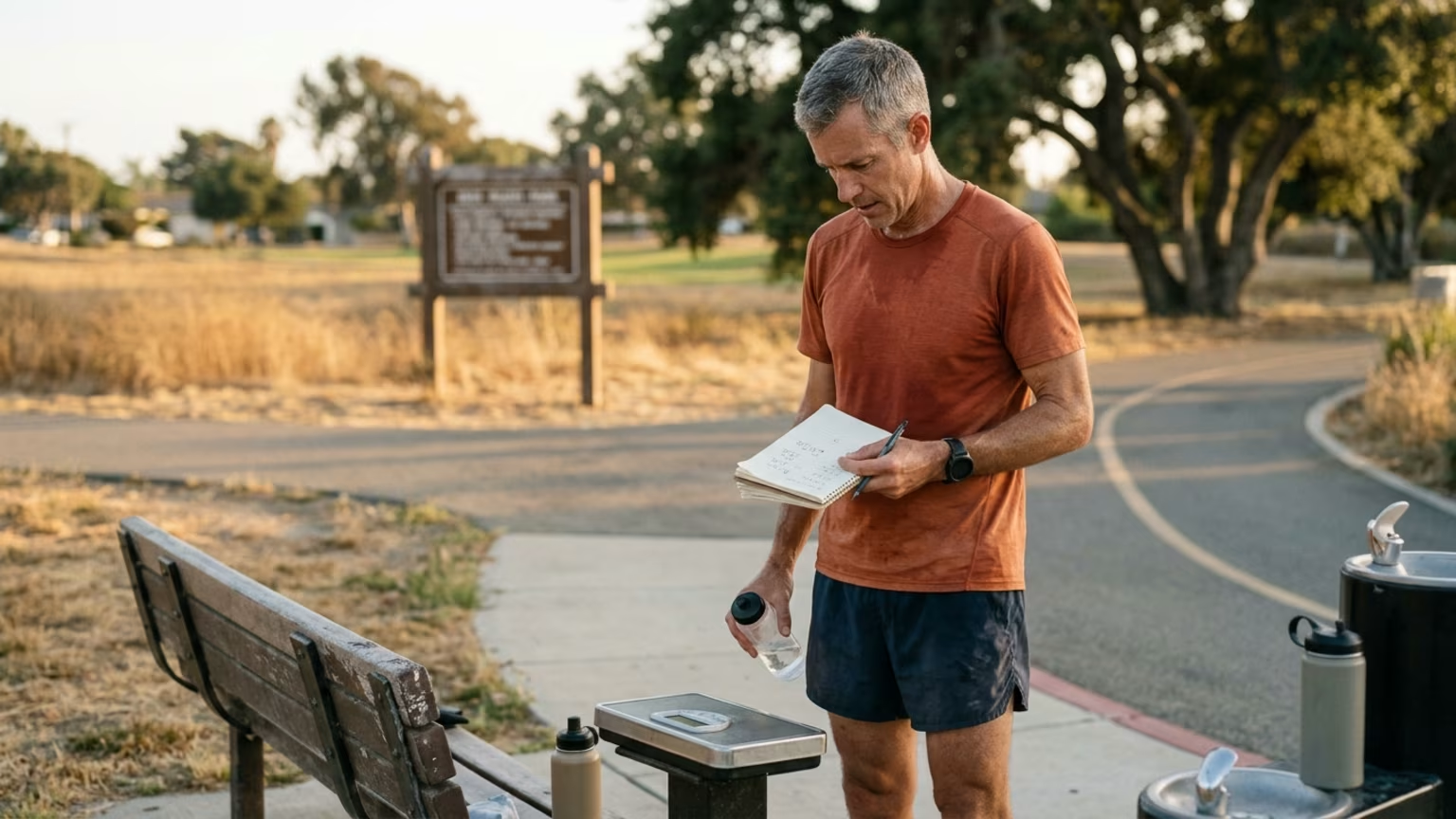
Runner's World translated clinical hydration data into a practical marathon guide. Learn how to measure sweat rate, calculate fluid needs, and adjust sodium.

An ongoing Université de Montréal study tests maple syrup as a high carbohydrate endurance fuel. Learn how older athletes should evaluate these new findings.

A 2026 clinical trial reveals how a six-month structured lifestyle program lowered biological age markers in adults. We explain what athletes can learn from it.
A sports medicine report reveals how carbohydrate timing around evening workouts alters next morning metabolic flexibility and glucose tolerance for athletes.

A September 2026 Darebee guide clarifies the ACSM electrolyte guidelines, explaining when endurance athletes need deliberate sodium for long and hot sessions.
Sports dietitians explain why refined carbohydrates offer better fueling during endurance runs, while whole grains belong in your everyday recovery meals.
Recent studies question the push for 120 grams per hour of carbohydrates. Learn why master athletes should target a proven 60 to 90 gram strategy instead.
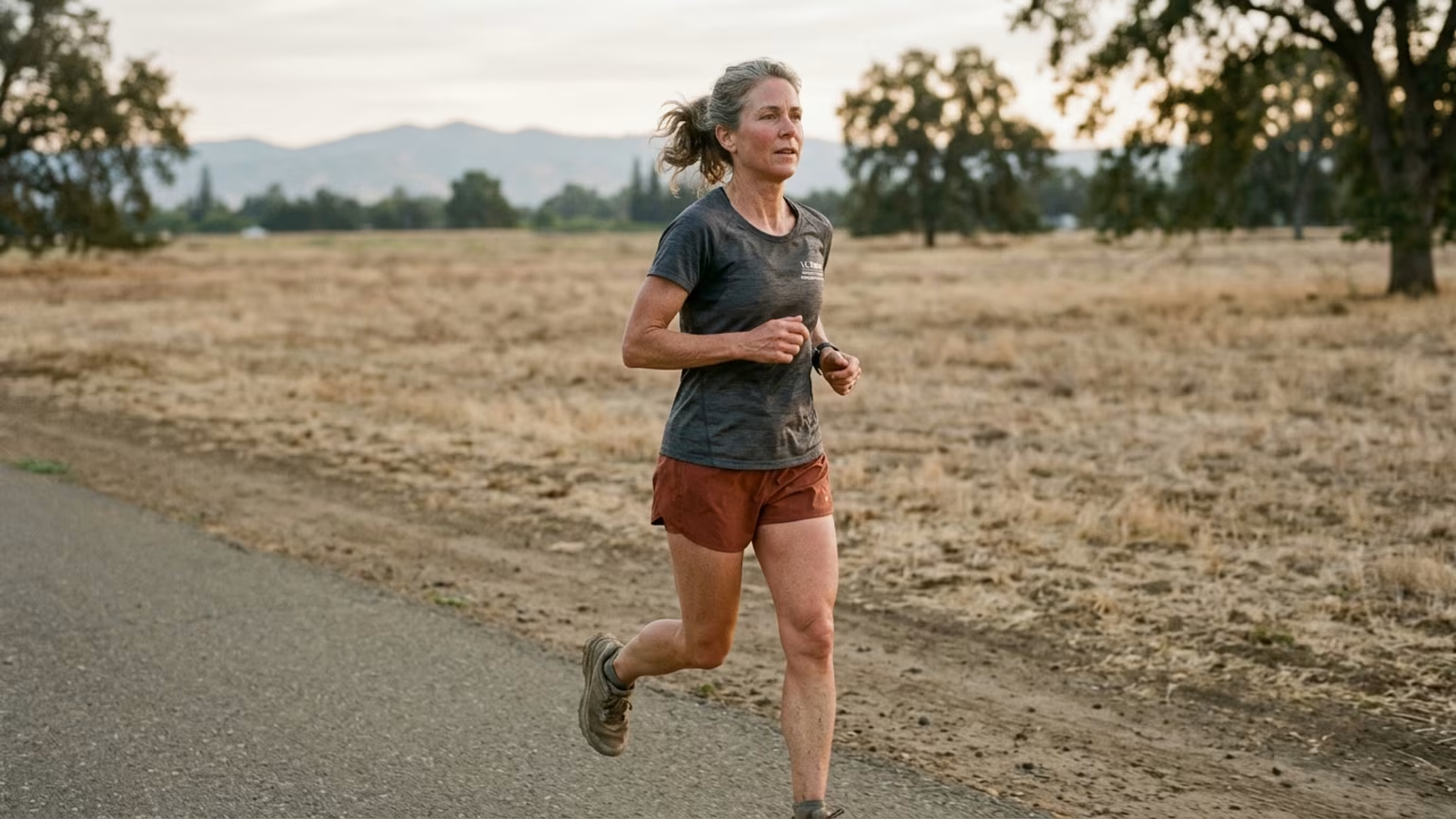
Humann and UC Davis announced a joint research program studying precision nutrition and heart health. Here is what older endurance athletes need to know.

Active adults over 50 need more dietary protein for recovery and muscle maintenance, according to updated national guidance and sports nutrition research.

Tart cherry juice is expanding into elite sports. Recent science shows it may modestly reduce perceived soreness during heavy endurance training blocks.
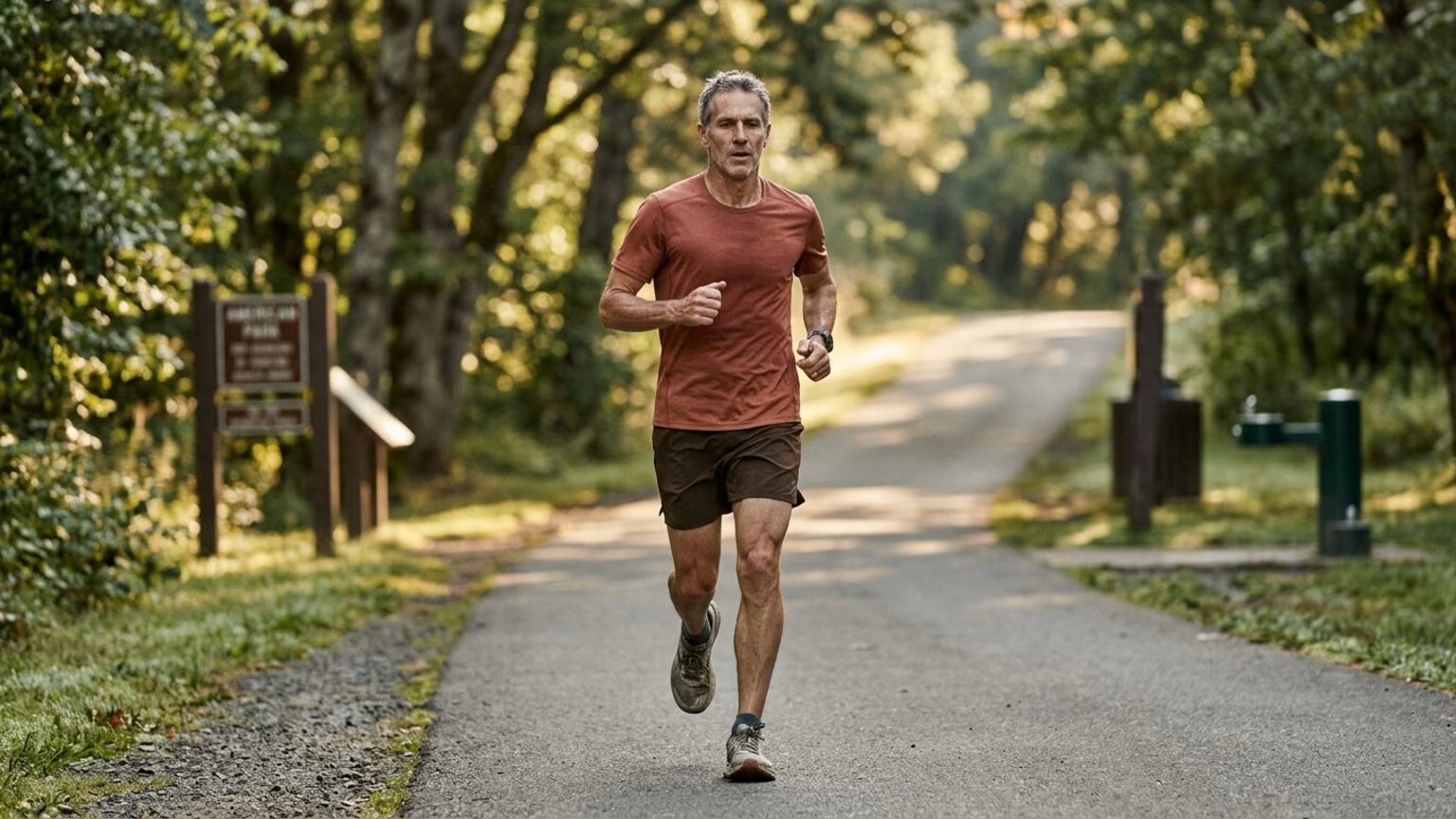
Learn how endurance athletes over 35 can preserve function through consistent aerobic volume, resistance training, and targeted daily nutrition.
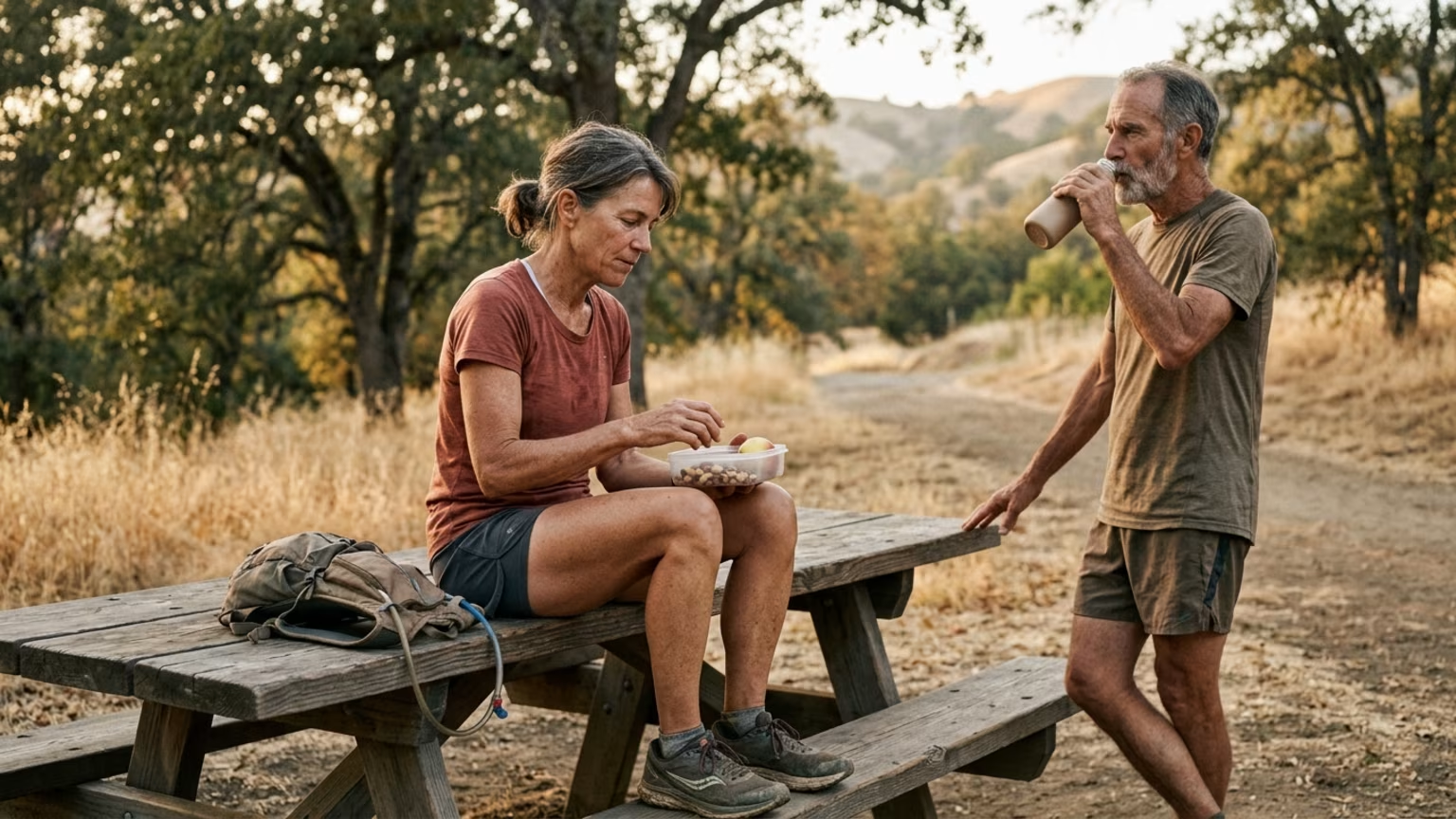
A 15-year study warns that long gaps between meals may accelerate chronic diseases in older adults. Learn how this impacts aging endurance athletes.

Sports Medicine Weekly outlines updated duration-based carbohydrate targets and gut training strategies for ambitious endurance athletes over 35.

A new marathon guide translates complex sports science into practical fueling advice, emphasizing precise carbohydrate targets over counting gel packets.
Read practical ideas on endurance training, recovery, nutrition and healthy aging to keep progressing for years to come.
Read the Blog