

Compare complete rest and easy recovery rides after 35, using fatigue and the next workout to guide the choice without treating movement as mandatory.





Complete rest and an easy recovery ride are two options when deciding whether movement belongs between demanding training sessions. This article weighs both through the needs of endurance athletes over 35, with attention to current fatigue and the demands of the next workout.
Complete rest means leaving out a planned training session or recovery workout. It is a scheduling choice rather than an instruction to remain motionless. Its practical advantage is straightforward: there is no additional exercise session to manage on a day intended for recovery.
That makes rest a reasonable option when an athlete feels markedly fatigued or unwell. It also makes sense when soreness would turn an easy ride into another source of strain. These are conservative decision rules rather than claims that rest always produces better recovery.
PEDro's summary of a 2024 umbrella review by Li et al. reports that it examined 22 reviews covering 63 studies and 1,100 endurance athletes. The review found no recovery strategy with consistently demonstrated benefits overall. Its authors concluded that no particular strategy could be recommended to improve recovery between endurance training sessions or competitions.
The important implication is not that every recovery activity is useless. It is that an athlete does not need to treat an extra recovery session as a compulsory step supported by consistently superior results.
The evidence has several boundaries worth stating together. It concerns endurance athletes broadly rather than specifically adults aged 35 to 65. It does not establish an age-specific rest schedule or a validated readiness threshold. It also does not establish that feeling looser proves restored performance or that either choice prevents injuries.
The review authors called for research that better accounts for how recovery changes over time. The decision framework here is therefore editorial guidance built around fatigue and upcoming training demands, not a tested recovery protocol.
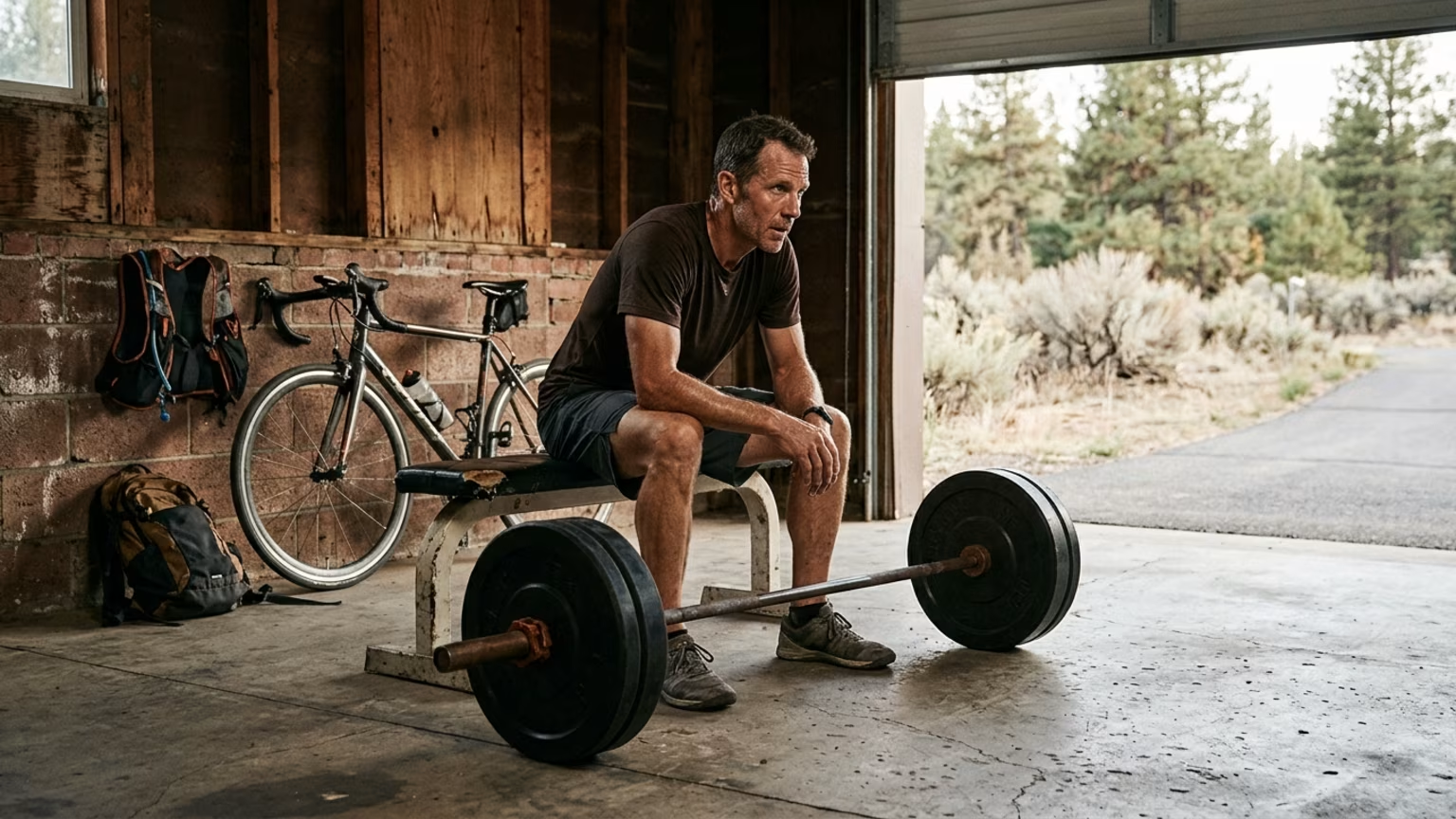
A full rest day removes the need to turn recovery into another workout assignment. There is no requirement to complete a ride simply to make the day count. For an athlete who already feels strained, that is a meaningful distinction.
The strongest case for rest is not a promise of faster adaptation. It is avoiding an unnecessary exercise session when easy movement does not sound easy or pleasant. An athlete can choose rest without needing to prove that active recovery would have been harmful.
Rest also keeps the next workout in focus. When an important session is approaching, the relevant question is whether another ride serves that session or merely fills an empty space in the schedule. Our broader discussion of choosing between movement and time off considers that same practical distinction.
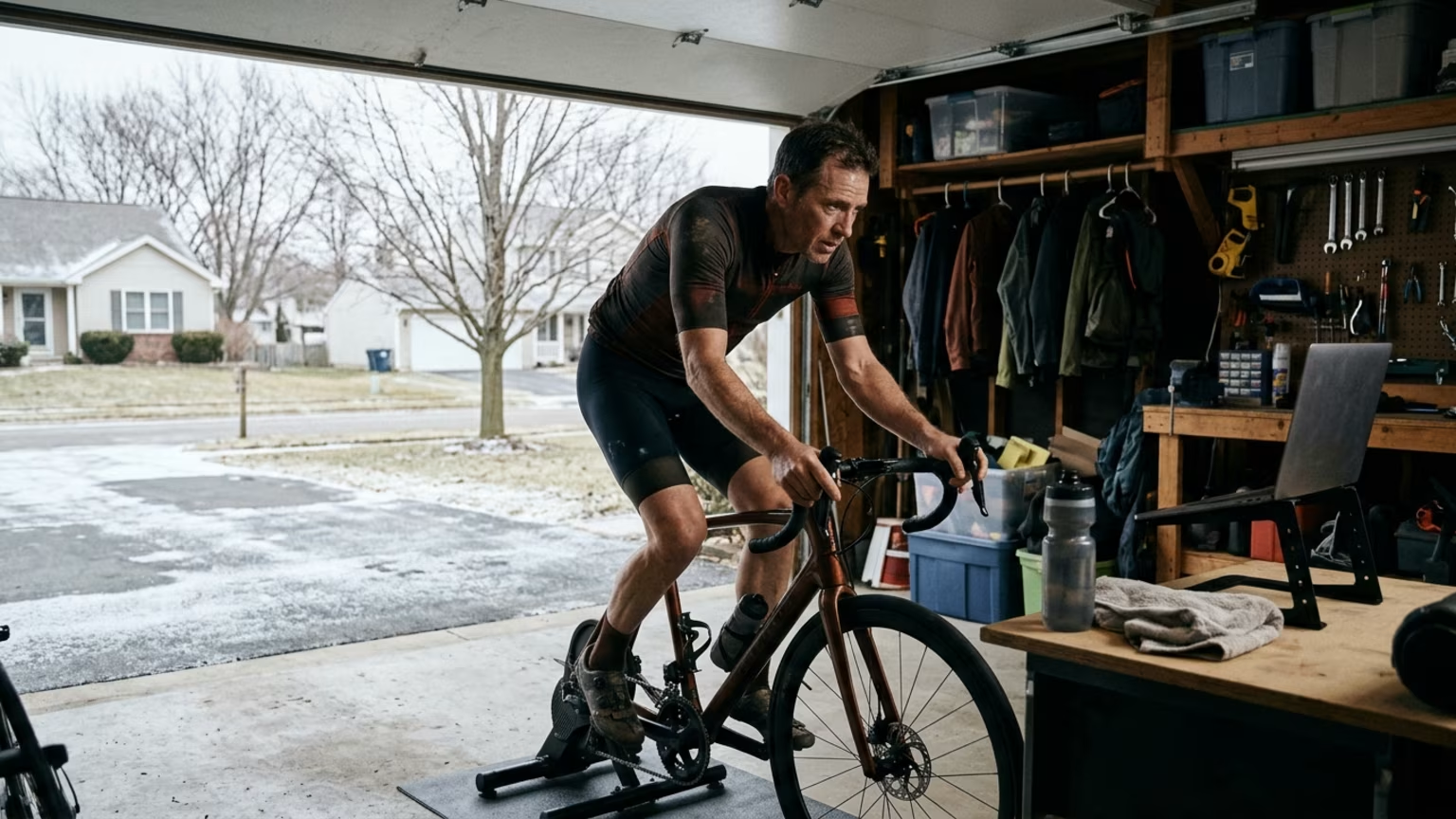
An easy recovery ride has a different practical appeal: it offers movement when movement feels pleasant. The case for it is strongest when the athlete wants to move and the ride does not compete with the next important session.
That is enough to make it a legitimate option. Every recovery choice does not need to produce a measurable performance improvement to have personal value. Enjoying gentle movement is a reasonable preference, provided that preference is not turned into an obligation.
The scientific case should remain narrower than the name might suggest. Calling something a recovery ride does not establish that it restores performance more effectively than resting. The umbrella review's overall findings support keeping the ride optional rather than assigning it automatically.
Feeling better after movement and deciding whether to perform a demanding workout are separate judgments. A sense of looseness can be welcome without becoming permission to increase the day's workload or assume the next session will go well.
The useful approach is to give comfort its proper role. It helps describe how movement feels. It should not become the only basis for deciding whether the body is ready for a harder effort.
That distinction also matters when comparing different readiness signals. The question here is not whether a pleasant sensation is meaningful. It is whether that sensation is being asked to answer a larger performance question on its own.
An easy ride fits best when its purpose stays limited. It is optional movement between training sessions, not an opportunity to add work because the legs begin to feel better. If the ride becomes another training objective, it no longer serves the same decision.
There is also no need to complete a ride merely because it appeared on the calendar. The reason for choosing movement should still apply on the day itself. A recovery label should not outweigh marked fatigue or soreness that makes riding feel like strain.
For athletes over 35, the useful comparison is not which method looks more committed. It is which choice better respects the current situation while keeping long-term participation and the next important workout in view.
Reendure's position gives long-term athletic participation and immediate performance equal weight. In this comparison, that means neither treating rest as a failure nor making easy movement a daily requirement. Both can belong in an ambitious training life.
A longevity-focused approach does not need to maximize activity on every available day. Its priority is making recovery choices that serve the broader training plan. An optional ride should have a clear place in that plan rather than exist to satisfy a sense that an athlete must always do something.
For injury-conscious decisions, the conservative preference is rest when soreness makes movement feel like added strain. This is a way to avoid forcing the session, not a promise about injury outcomes. Personal decisions involving pain or illness belong with a qualified healthcare professional rather than being settled by experimenting with a recovery ride.
The same reasoning leaves room for easy movement when it feels pleasant. Rest does not deserve automatic preference solely because an athlete has passed a particular birthday. The decision can remain responsive to the person and the training ahead.
The next session gives the recovery day a purpose. Before an important workout, the goal is not to collect additional exercise simply because the schedule allows it. The goal is to avoid turning an optional activity into competing training.
A practical comparison can stay simple:
These considerations place the decision within a broader approach to managing training load. The recovery day is not an isolated contest between activity and inactivity. It belongs between the work already completed and the work still planned.
The central choice is therefore conditional rather than age-based. Rest has the stronger case when another session would add strain. An easy ride has a reasonable place when it offers pleasant movement without taking priority over upcoming training.
Complete rest is the better editorial choice when an athlete feels markedly fatigued or unwell, or when soreness would make easy movement another burden. Its value is not that it has been shown to win every comparison. It leaves out an optional exercise session when there is little practical reason to include one.
An easy recovery ride is reasonable when movement feels pleasant and does not compromise the next key workout. It does not need to be mandatory to be worthwhile. Equally, a day without a ride does not need justification through a recovery metric or a completed activity.
For masters athletes, neither method should become a rigid identity. Rest when movement would add strain. Use an easy ride when it serves a modest purpose without becoming extra training. Feeling more comfortable is a useful experience, but readiness for demanding performance remains a separate judgment.

Follow ReEndure for practical insights on endurance training, recovery, nutrition and healthy aging. Stay connected for new articles, research led guidance and ideas to help you perform better for longer.




Read practical ideas on endurance training, recovery, nutrition and healthy aging to keep progressing for years to come.
Read the Blog