Your best miles are still ahead
Read practical ideas on endurance training, recovery, nutrition and healthy aging to keep progressing for years to come.
Read the Blog
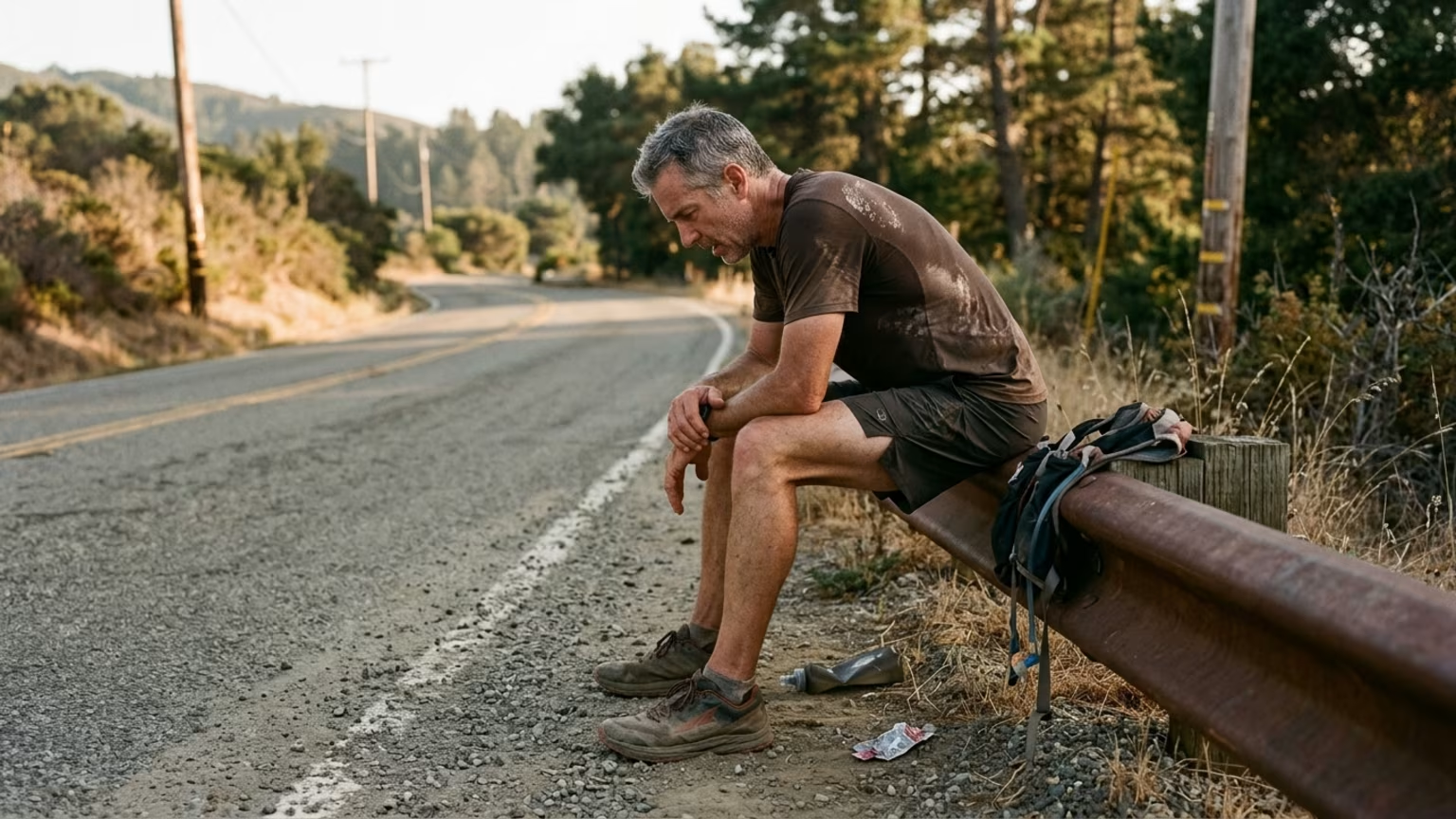
A 2026 report shows functional overreaching can boost performance by 2.6 percent, but it dramatically increases illness risk for masters endurance athletes.

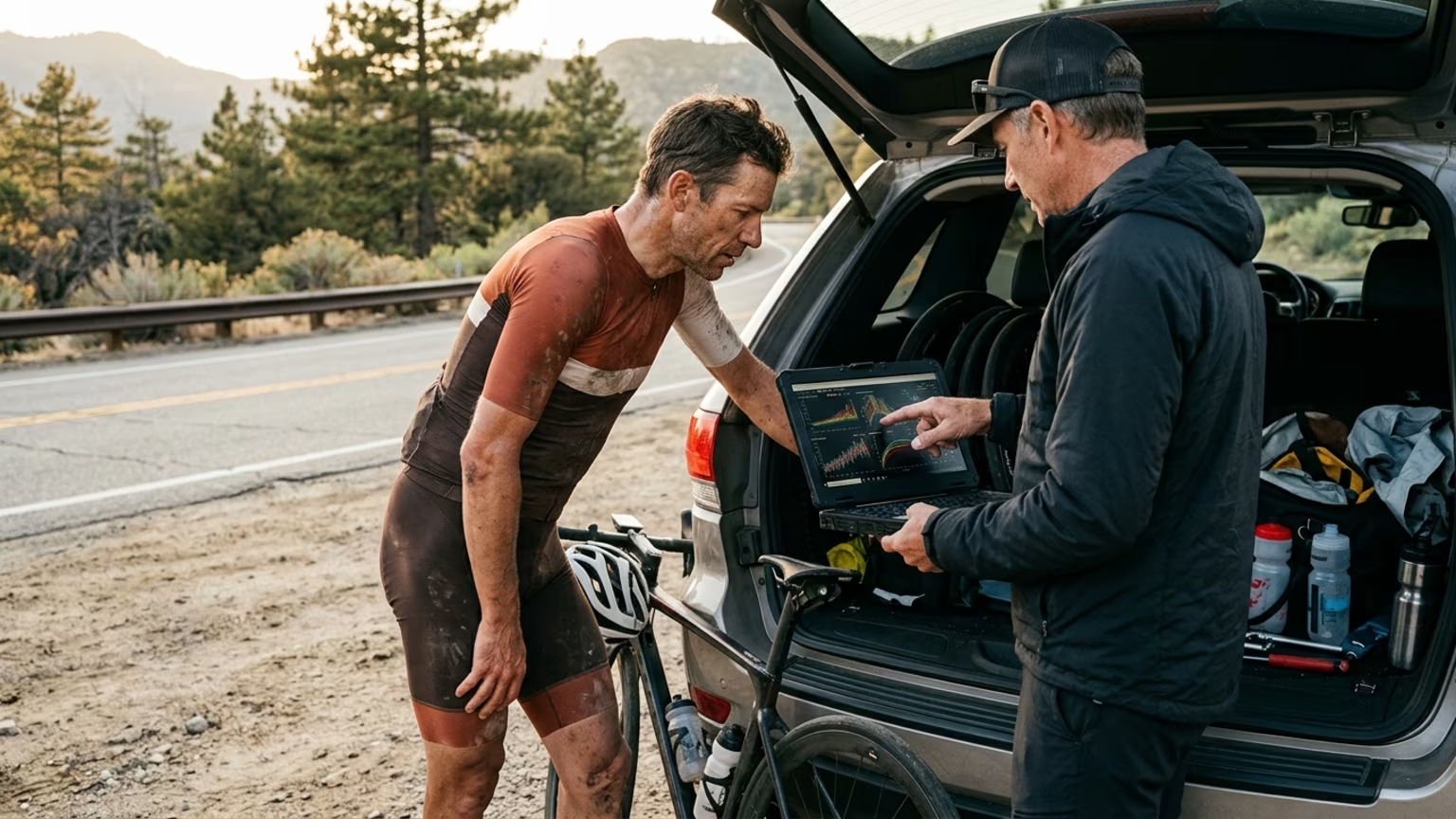
WorldTour teams use artificial intelligence to process data, but human coaching remains the ultimate authority. Why veteran athletes must rely on their instinct.

India Today reports that a week away from exercise will not destroy your cardiovascular fitness. Learn how older endurance athletes should manage short breaks.
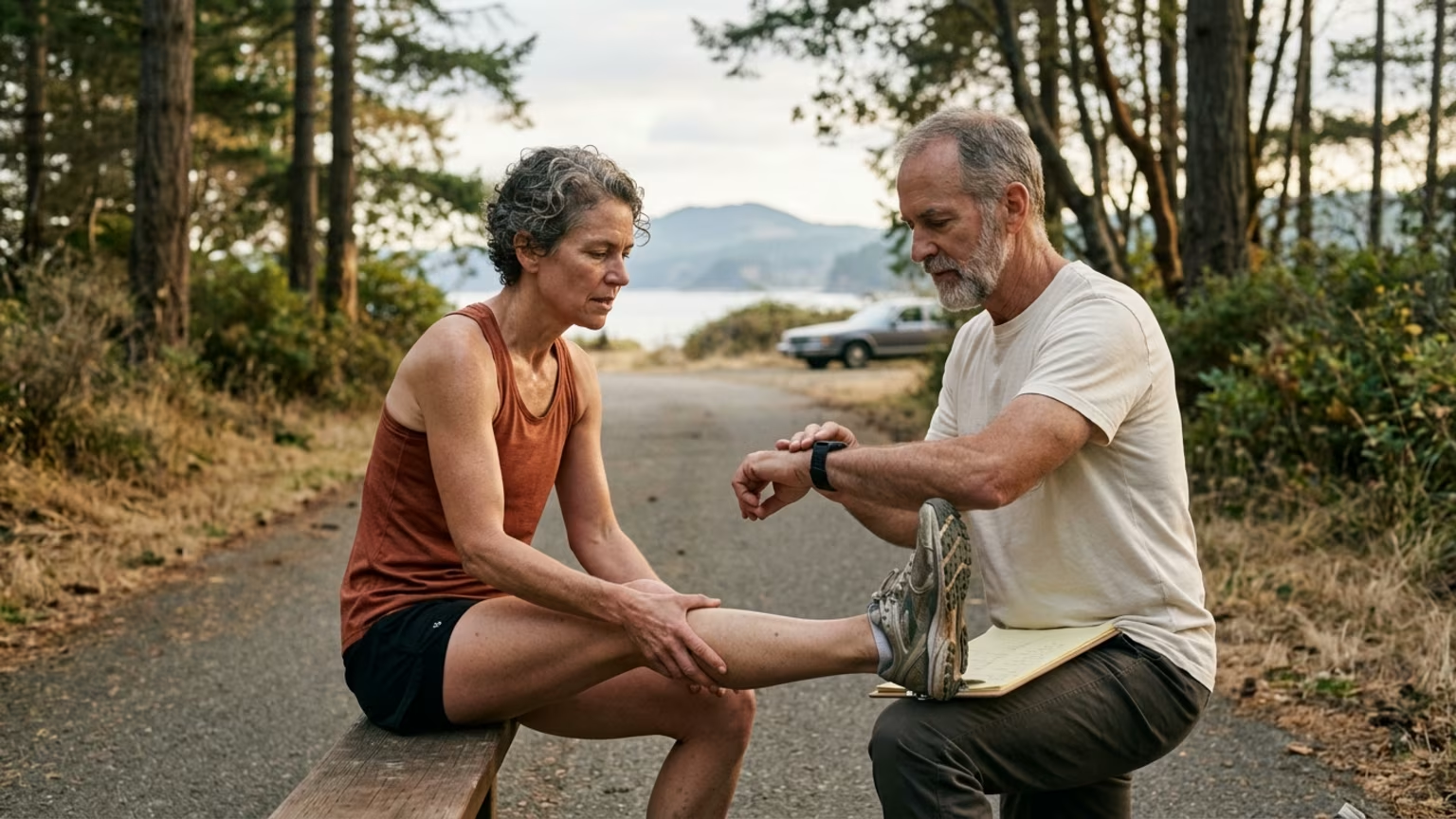
A recent NPR report monitored a reporter's marathon preparation, highlighting baseline VO2 max testing, cardiovascular adaptations, and joint stress realities.

TOUR reviews Billy Sperlich’s endurance training guide. Learn how structured VO₂max plans help older athletes break out of a moderate intensity rut.

A 2026 University of Leicester study links race day nitrogen dioxide levels to slower marathon finish times. Learn how athletes can adjust their race planning.
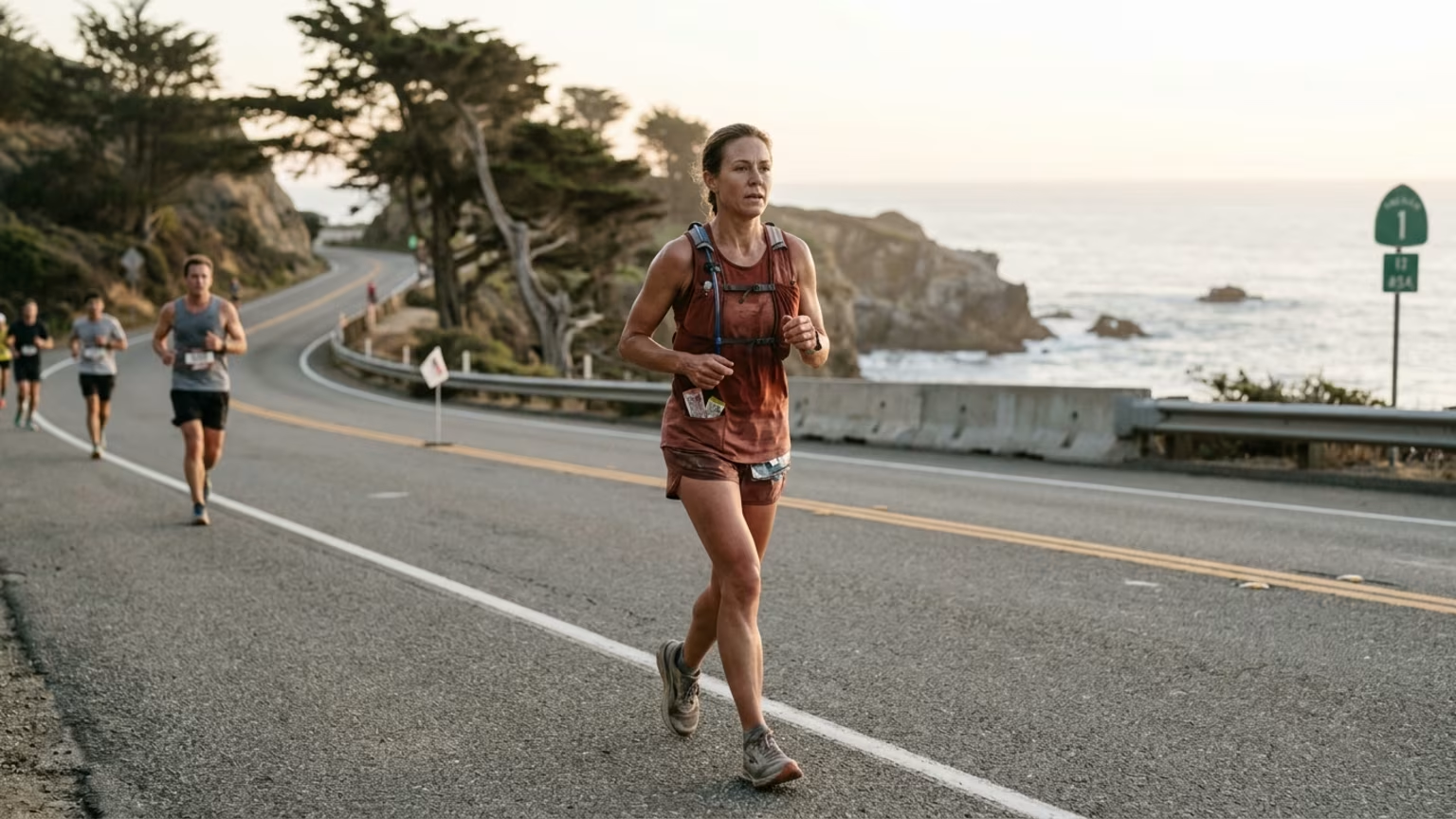
Recently, Canadian Running and a 2025 trial summary examined durability as a distinct endurance metric. Learn why fatigue resistance matters for veteran athletes.
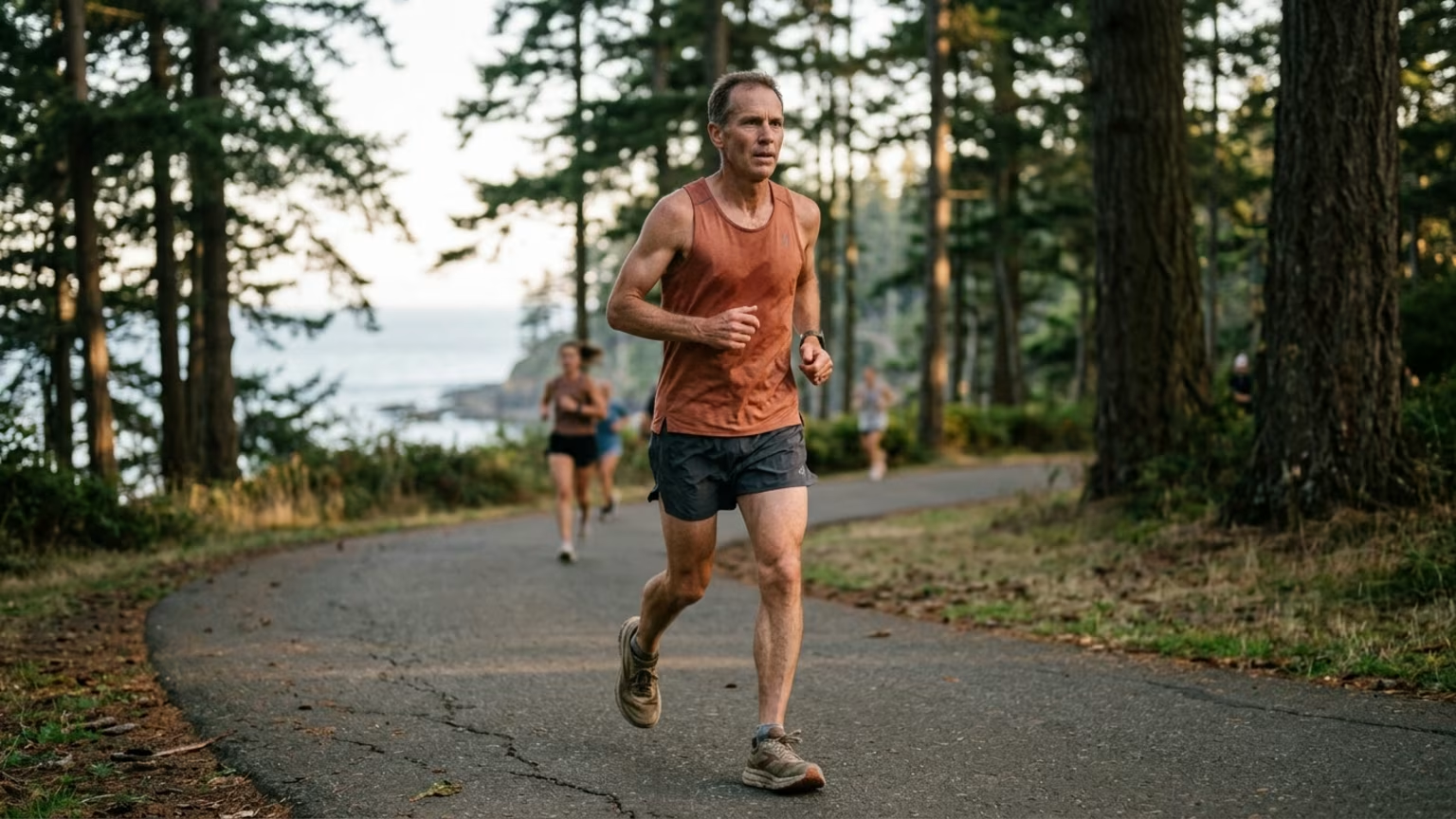
A recent analysis of 917 marathoners reveals how a massive base phase, year-round quality sessions, and late-cycle rest can improve your finish time.
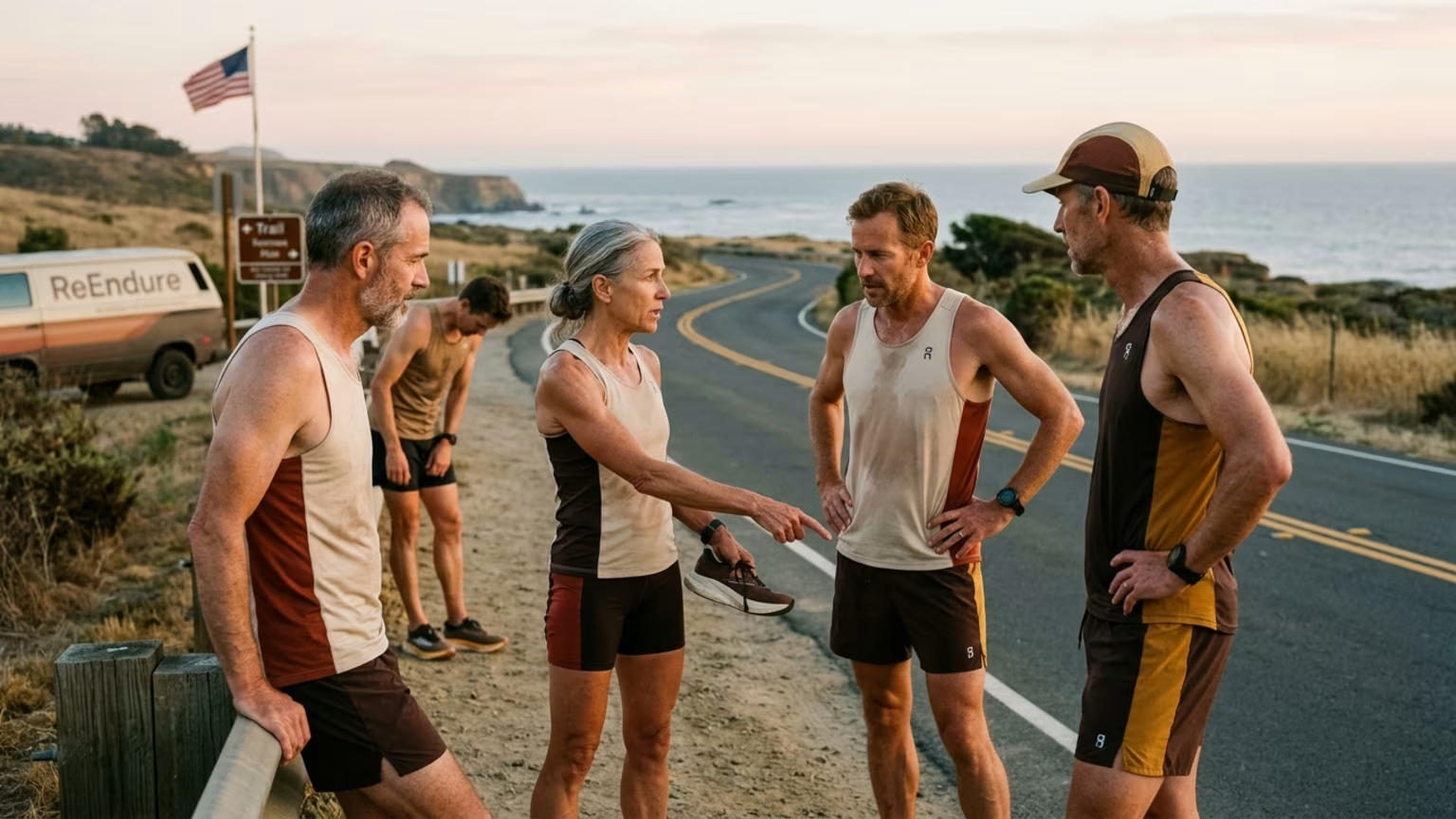
Experts debate if aerodynamic speed suits reduce running drag. Learn why ambitious older athletes should prioritize daily habits and comfort over equipment.
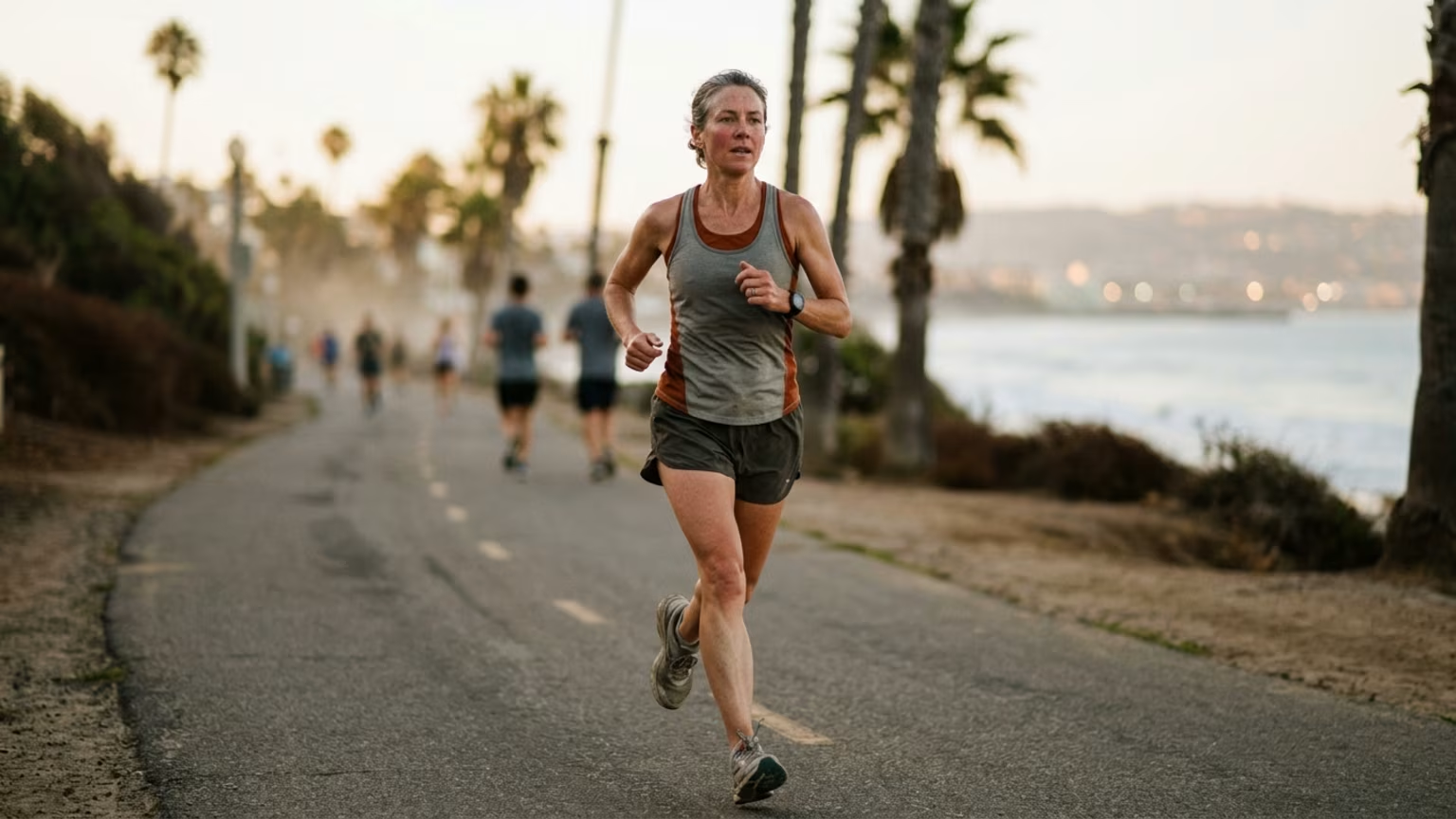
Analysis of 2026 HYROX performance data confirms that running and pure aerobic capacity dictate overall race success for master endurance athletes.
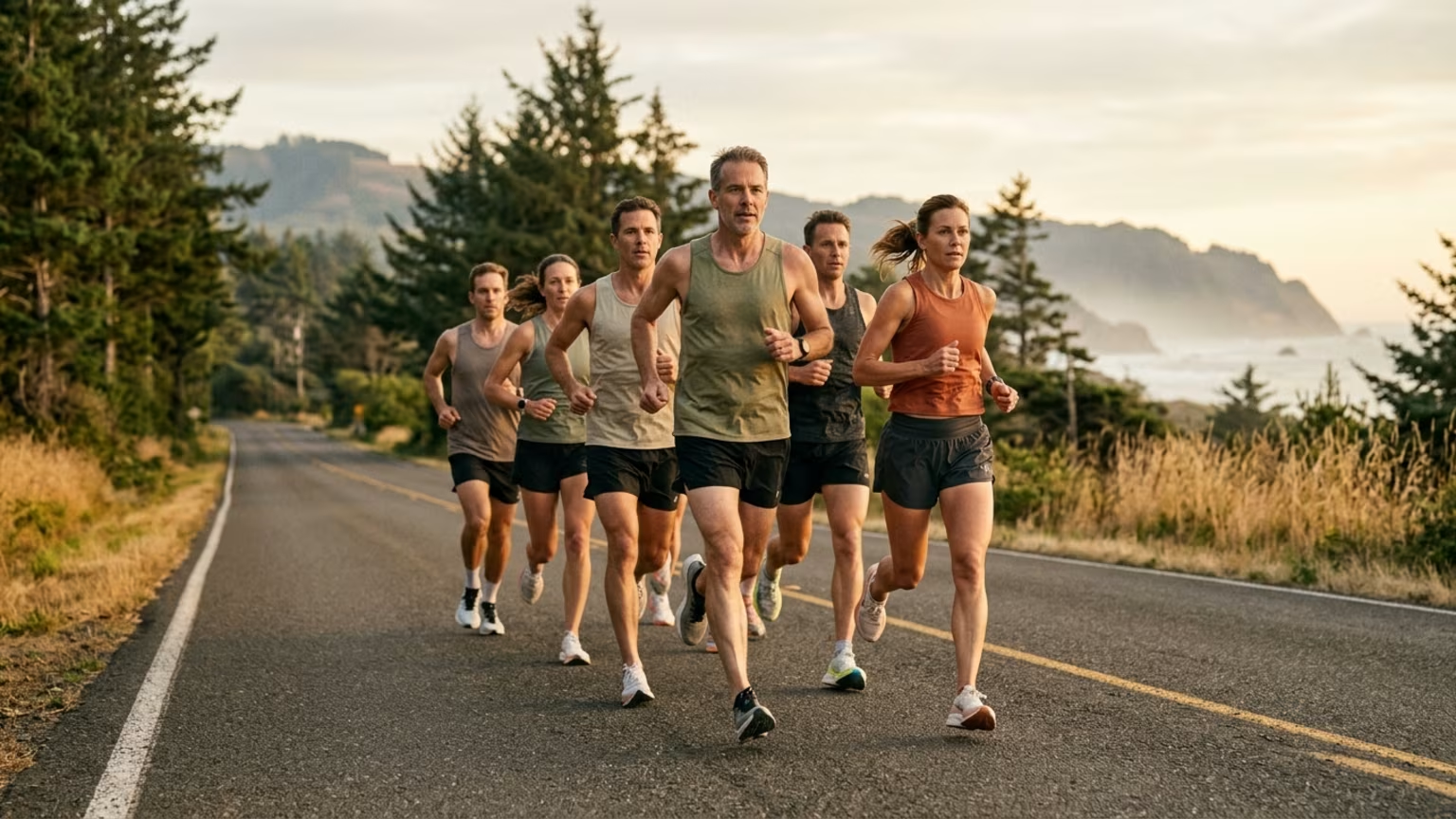
A new Heriot-Watt University study simulated marathon pack running, finding aerodynamic drag reductions. Learn how veteran athletes can apply these estimates.
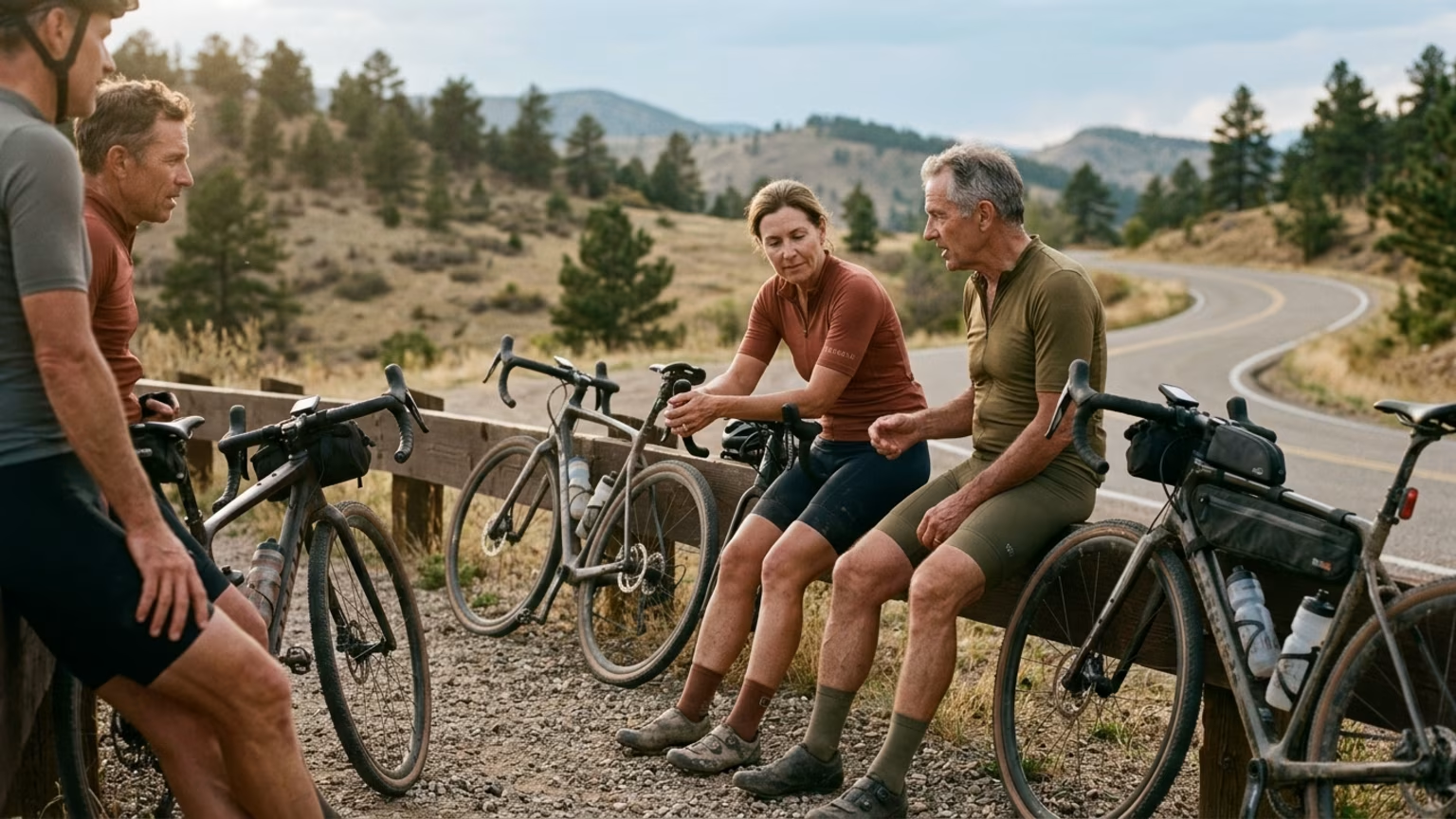
Cycling Weekly reports that many riders are moving away from formal FTP testing. Learn how blending perceived exertion with power data improves recovery.

A University of Tsukuba study shows ten minutes of very slow running improves mood and focus. Learn how older athletes use this tool for mental recovery.

Runner's World Italy outlines an 80/20 framework for speed endurance. We explain how adult athletes should balance interval intensity with strict recovery.
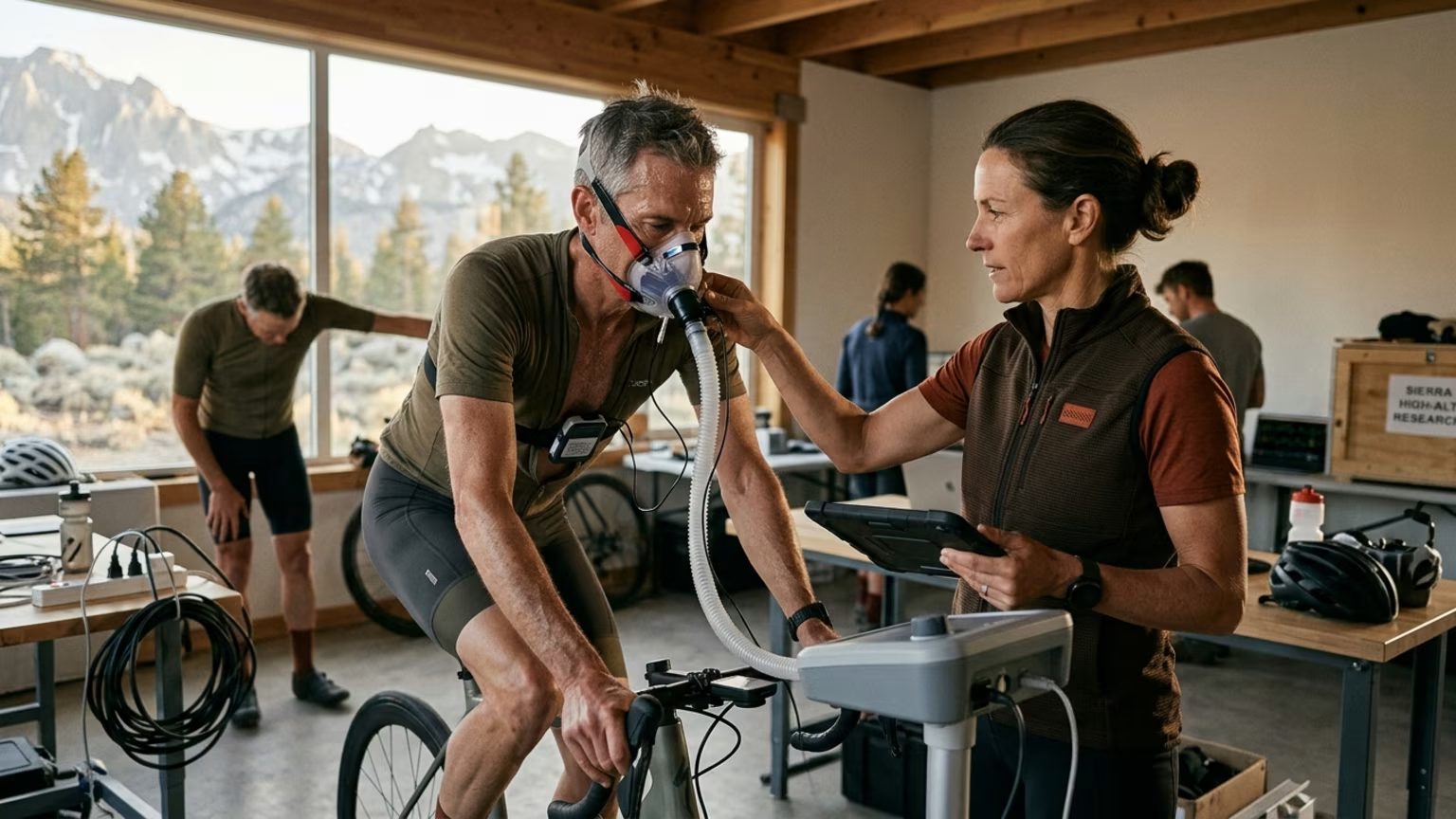
BikeRadar reports on emerging science in cycling performance, highlighting individual responses to high-altitude camps, breathing-based zones, and fueling.
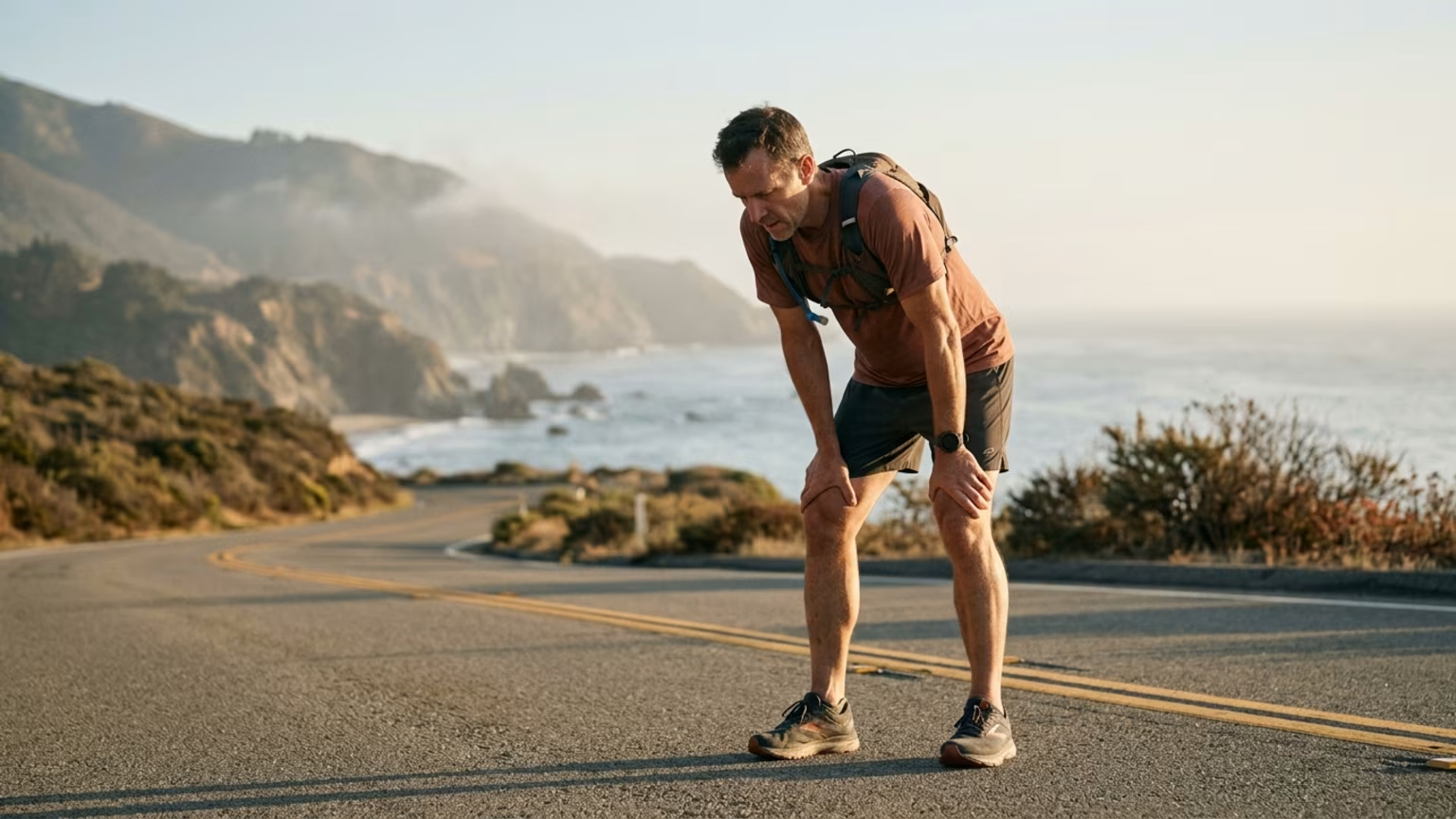
A 2026 study reveals how mental fatigue from cognitively demanding work directly limits cycling endurance and increases perceived effort in older athletes.

A 2026 biomechanics study reveals that track cycling starts rely on precise body movement timing, not just equipment. Learn how masters athletes can apply this.
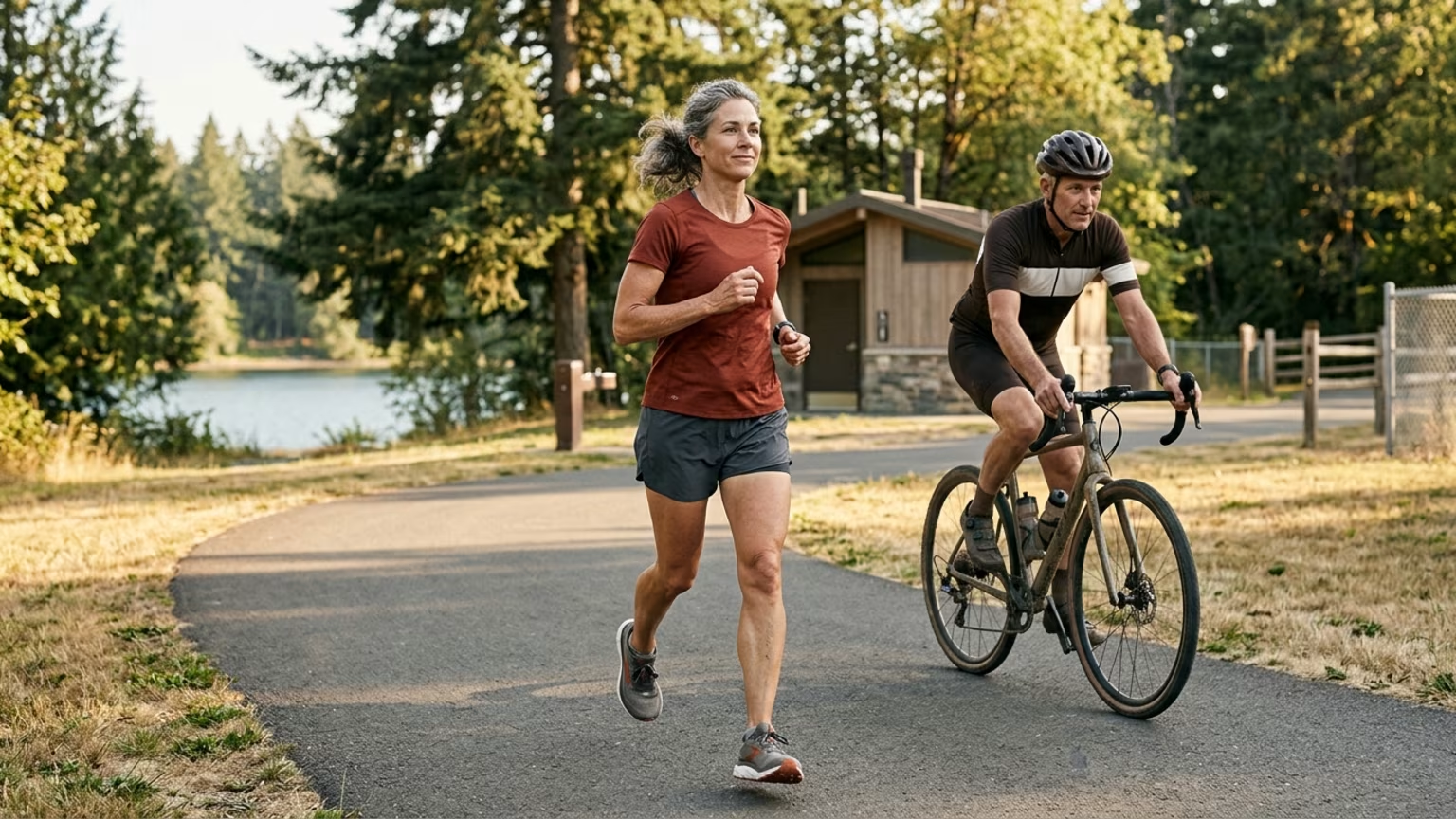
A new trial shows that three months of aerobic and resistance training boosts mood in healthy adults aged 45 to 65, even before cognitive changes appear.
Read practical ideas on endurance training, recovery, nutrition and healthy aging to keep progressing for years to come.
Read the Blog




