Your best miles are still ahead
Read practical ideas on endurance training, recovery, nutrition and healthy aging to keep progressing for years to come.
Read the Blog
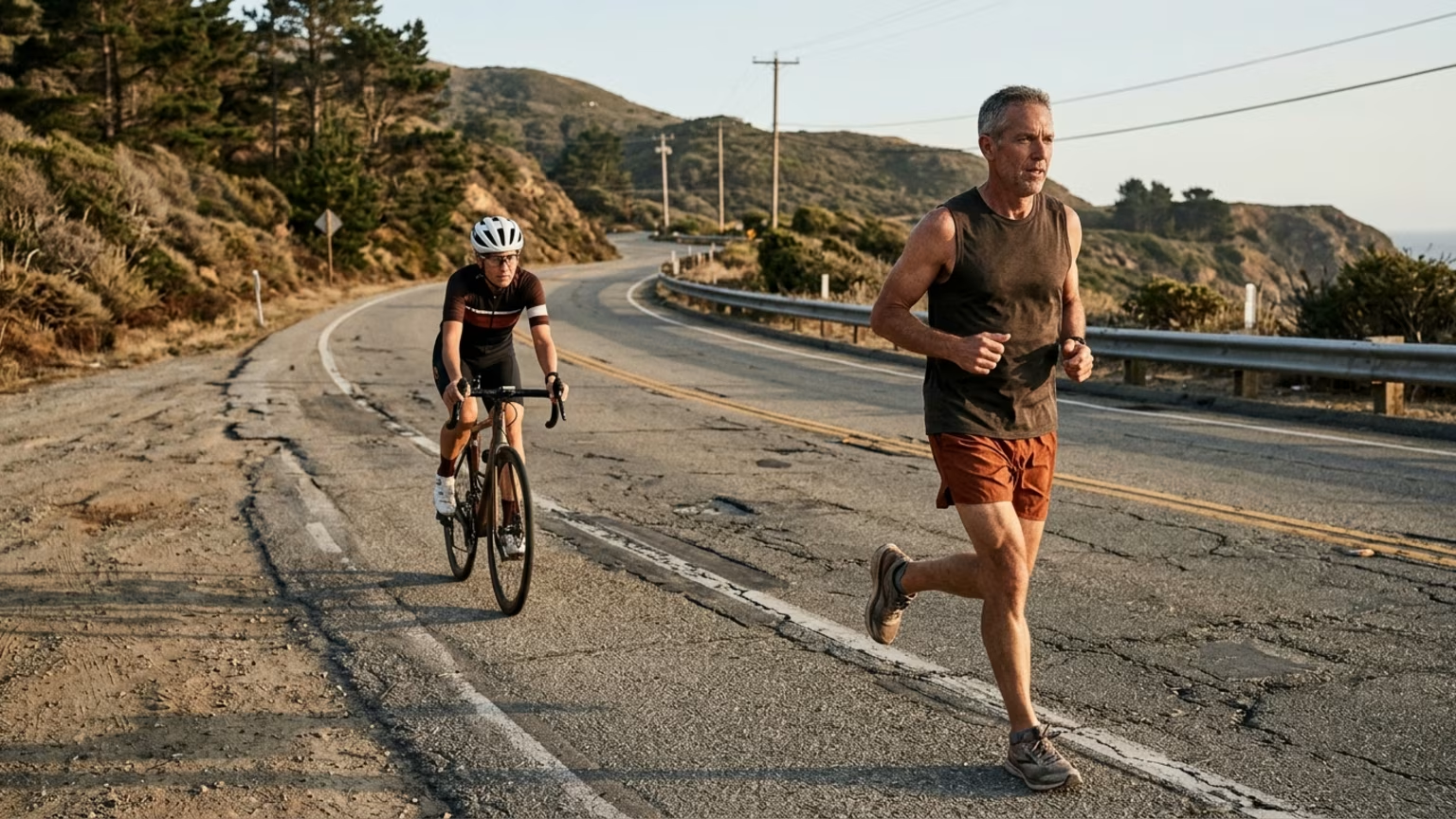
A running and cycling review found no clear differences in aerobic capacity or running performance. Here is the measured takeaway for athletes over 35.


Runsense argues against catch-up mileage after a missed week. We examine the maintenance research and its limits for endurance athletes over 35.
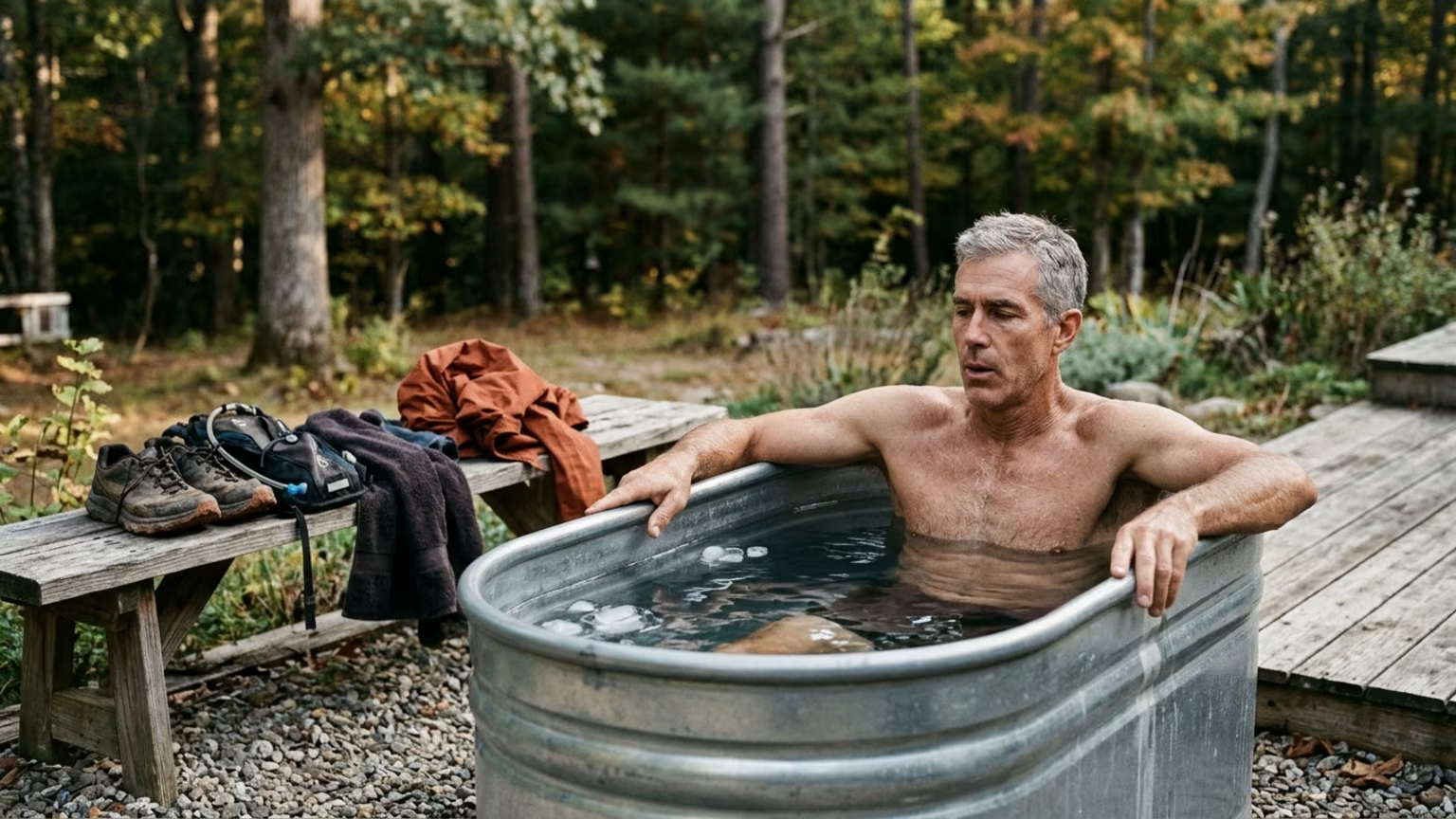
A September 2026 review suggests a narrow short-term role for cold-water immersion, not a requirement for aerobic gains or next-day performance.

MedicalXpress recommends tracking progress, considering an easier week and changing one training variable at a time. Here’s how to interpret the advice.

BBC Sport reports on REDs, bone health and cycling results. A measured look at the findings and their relevance for endurance athletes over 35.

Runner’s World separates hard breathing from tired legs. We assess the talk test, strength guidance and implications for endurance athletes over 35.
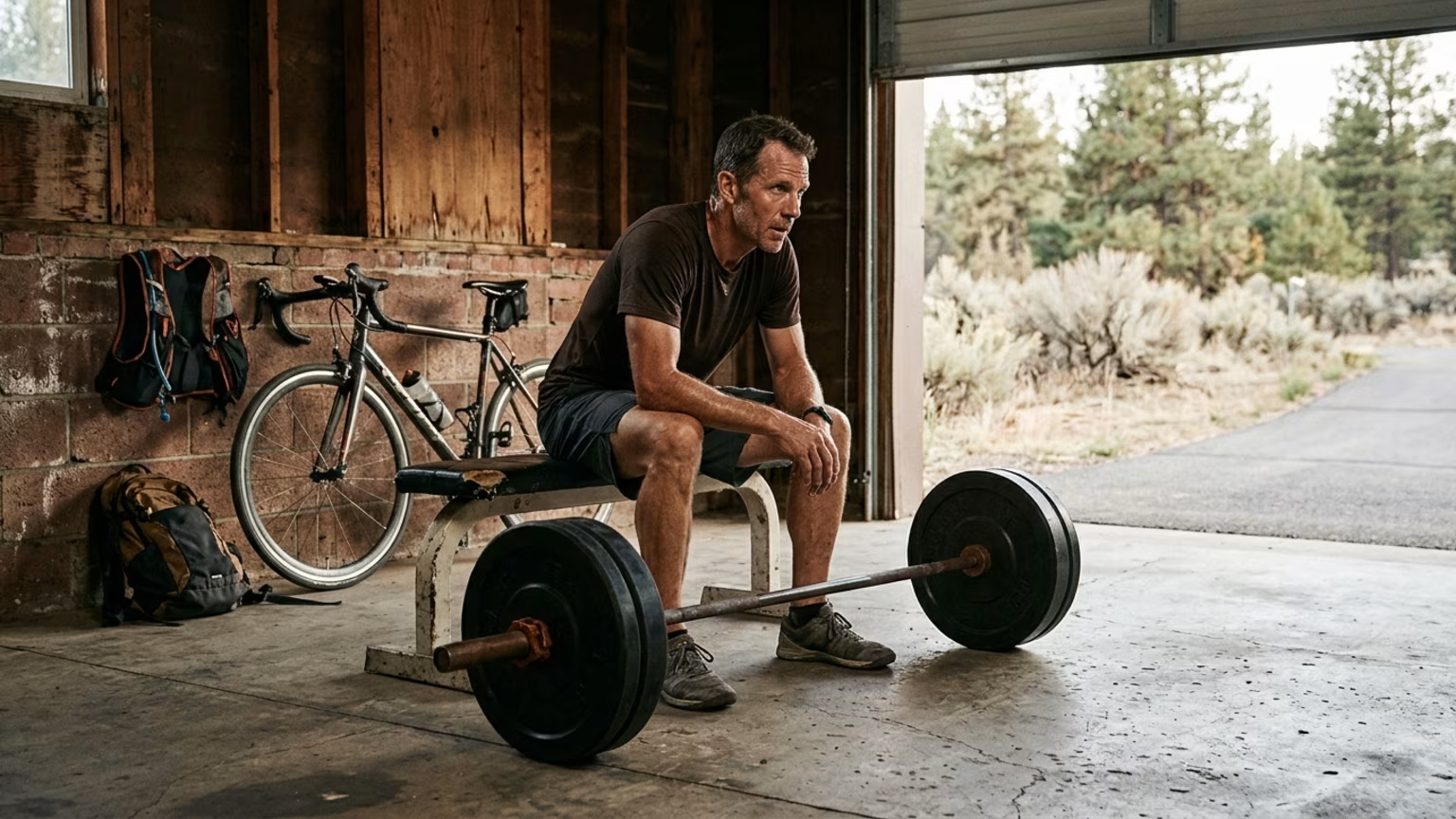
Outside’s coaches suggest pairing lifting with hard runs. A measured look at scheduling and peak-mileage strength work for runners over 35.
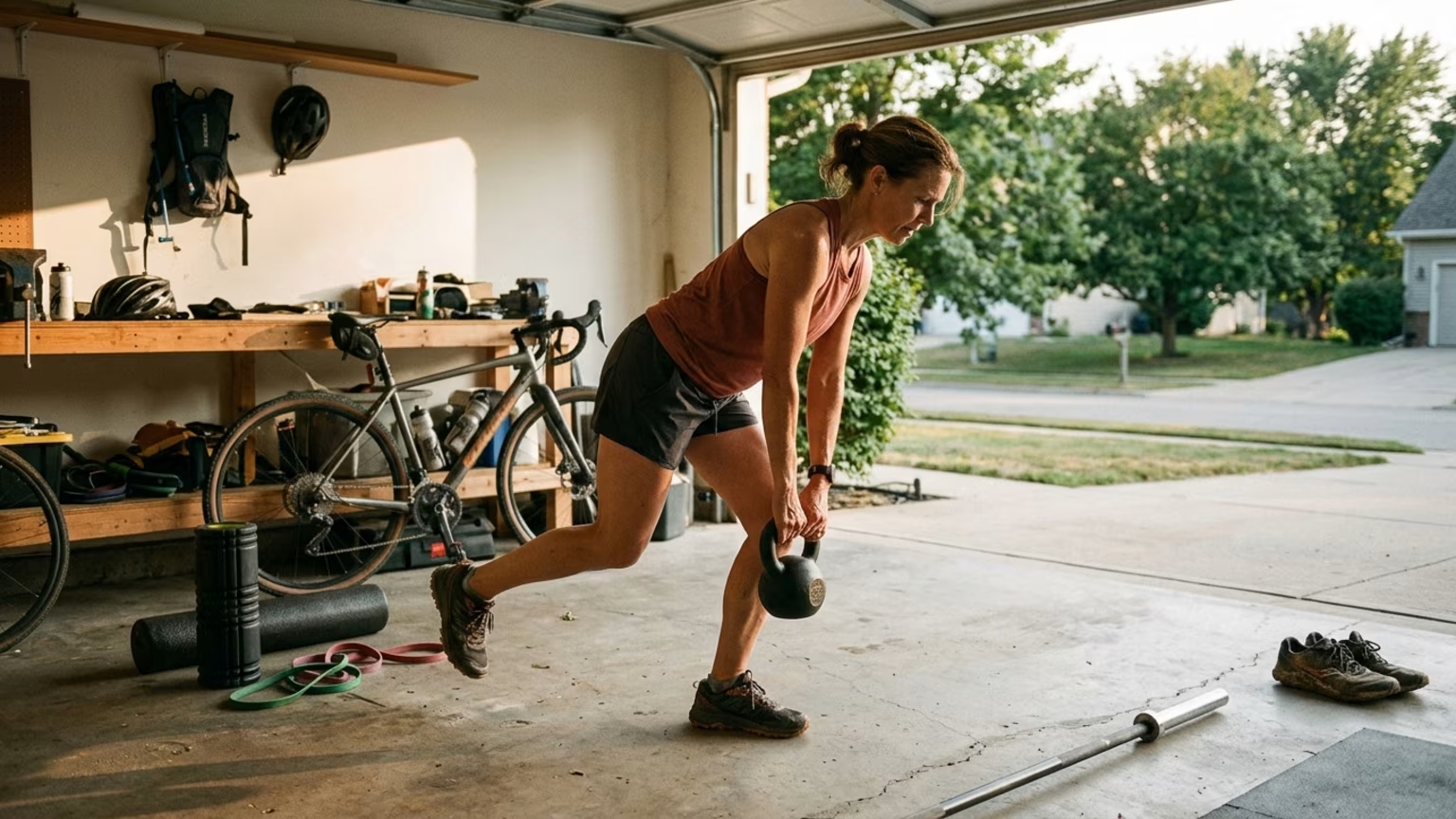
Fit strength work around key endurance sessions with evidence-bounded guidance on exercise selection, loading, timing and seasonal priorities.

Compare polarized and pyramidal training, the evidence behind each, and how athletes over 35 can weigh event demands, time and recovery.

Understand running power after 35, why aerobic training still matters, and how coaching guidance frames strides, hills and reduced interval volume.
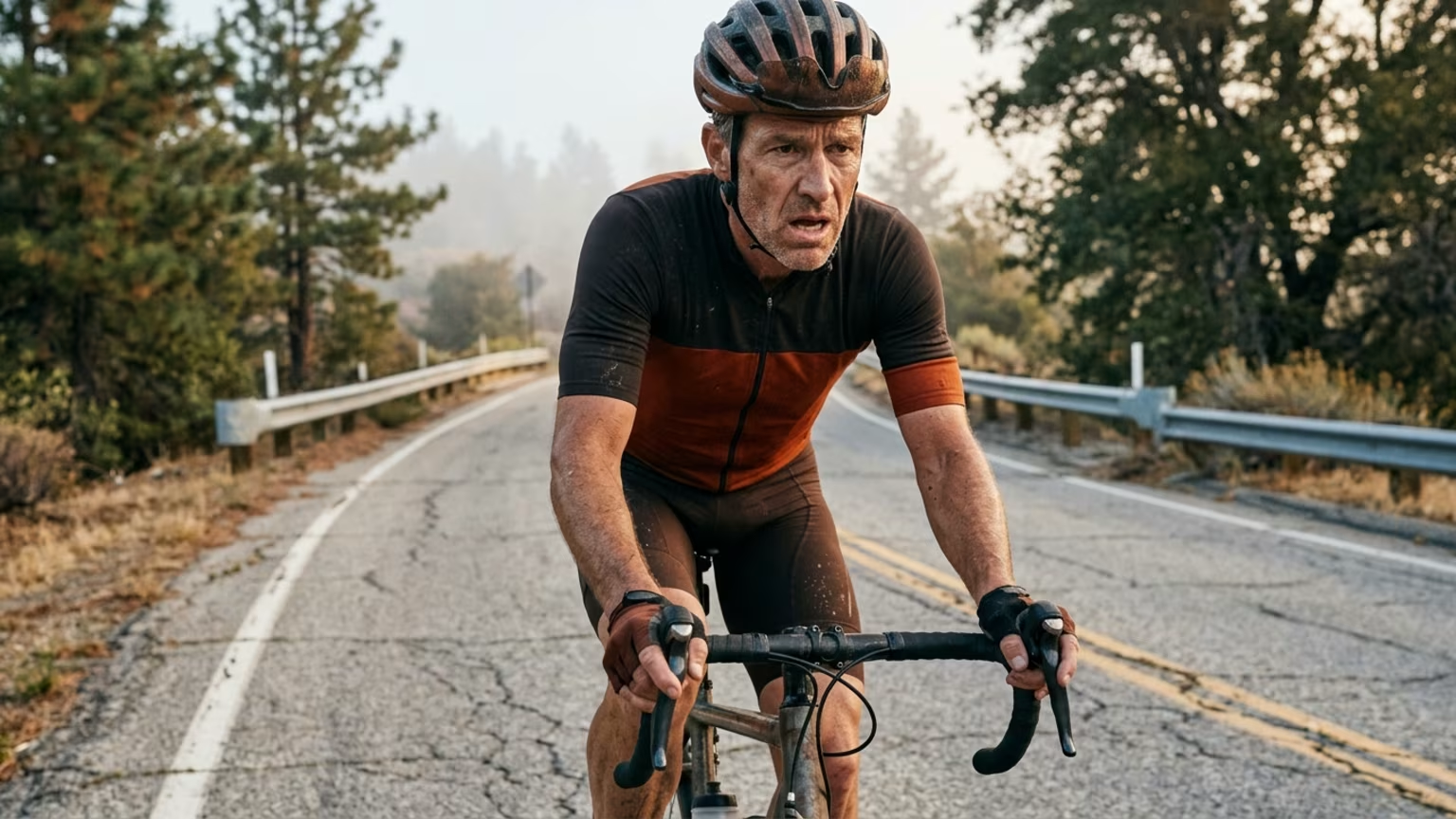
A reported cycling study links severe sleep loss to higher perceived effort. A careful look at the findings and implications for athletes over 35.

A sports dietitian advises alcohol-free days before key runs. We explain the reasoning, evidence limits, and implications for endurance athletes over 35.

The 2026 UCI Worlds schedule set aside time-trial practice. A measured lesson for masters riders on equipment, position and pacing.

ACTIVE’s cross-training advice for runners over 35, with practical context on aerobic work, running specificity and injury-related changes.

Review findings suggest cardio and lifting produce similar overall strength gains, while power goals and lifting experience may make session spacing matter.

XTERRA’s Ruidoso race puts altitude preparation in context, with course-specific lessons for endurance athletes over 35.
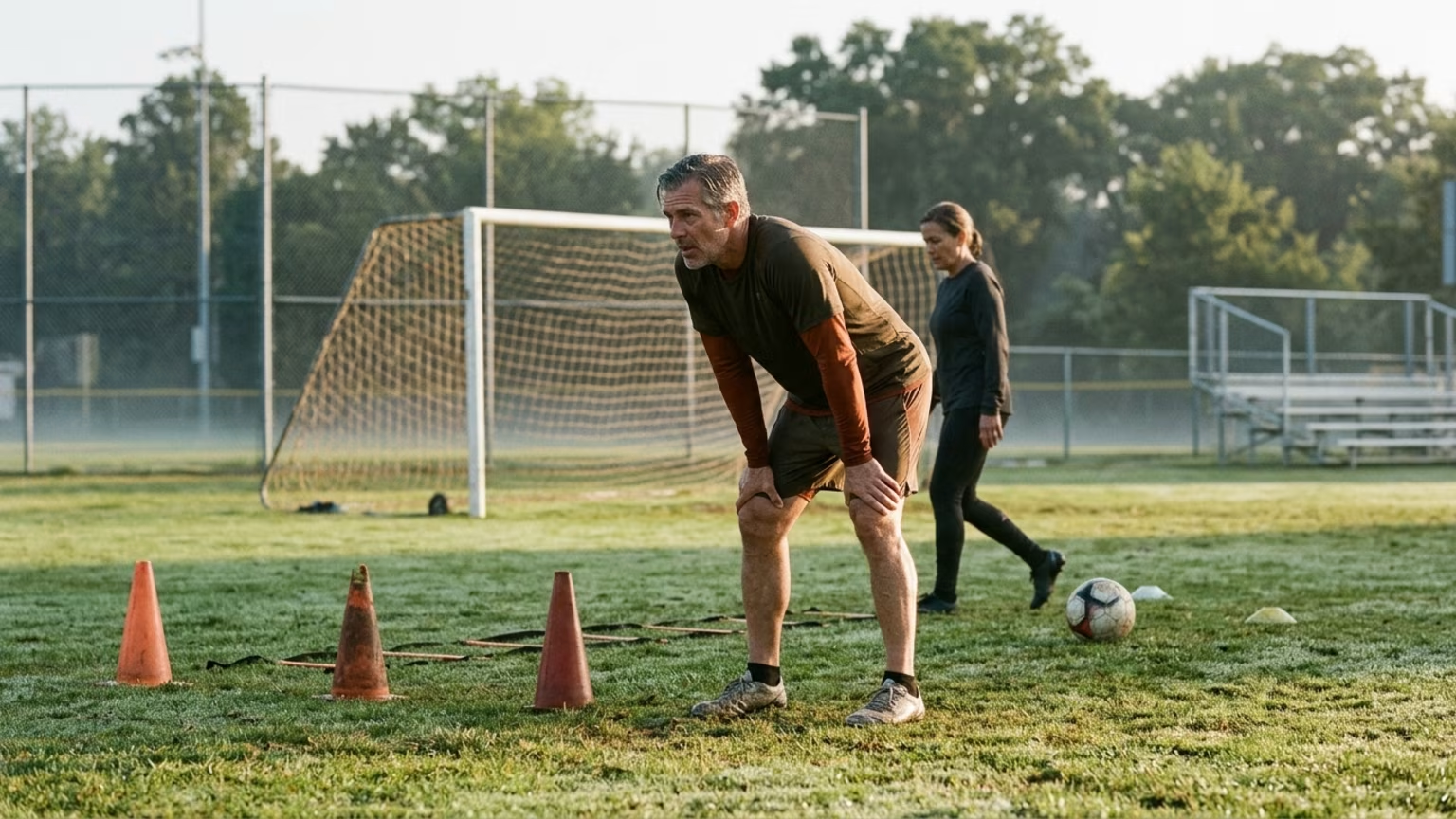
An OU soccer study links above-normal training loads with poorer next-day readiness, offering a monitoring principle for endurance athletes over 35.

A women’s soccer study links unusually heavy workloads with poorer next-day recovery and speed, offering a scheduling lesson for endurance athletes over 35.
Read practical ideas on endurance training, recovery, nutrition and healthy aging to keep progressing for years to come.
Read the Blog