Your best miles are still ahead
Read practical ideas on endurance training, recovery, nutrition and healthy aging to keep progressing for years to come.
Read the Blog

Assess creatine testing, strength-training relevance, and body-mass tradeoffs without mistaking product quality for endurance benefits.


A new breakfast guide links pre-workout fueling to available time, session demands and gut comfort. Here is the practical meaning for athletes over 35.

A coach-attributed guide to tracking mileage, effort and daily experience while keeping running-watch scores in perspective.

A short isometric routine offers strength ideas, but its bone-health claims remain unverified. A measured view for endurance athletes over 35.
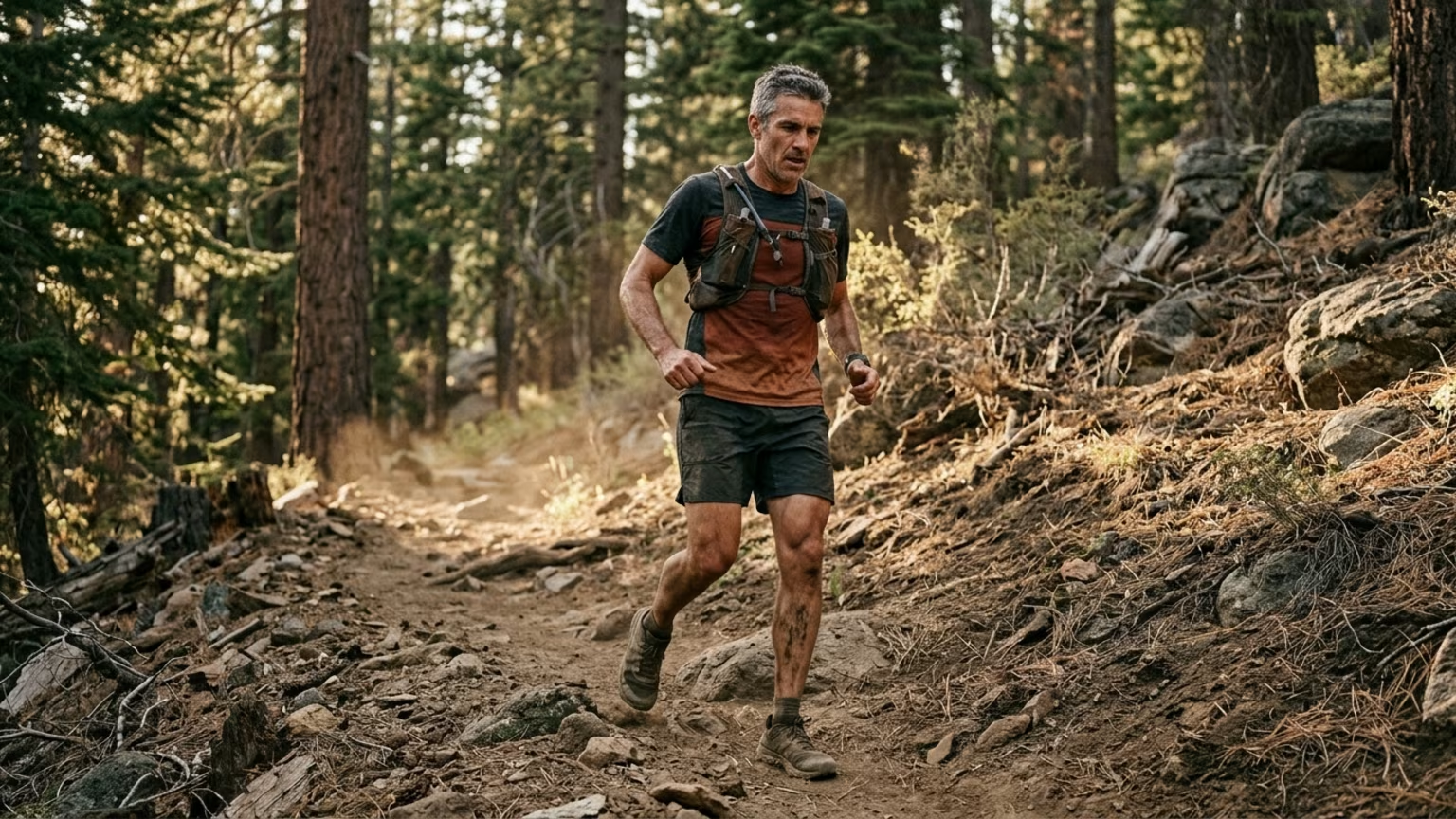
Learn how veteran endurance athletes can build trail running fatigue resistance using sub-threshold work, steep treadmill climbs, and targeted leg strength.

A recent expert report advises marathon runners to base their recovery timeline on musculoskeletal tissue repair rather than the fear of losing aerobic fitness.
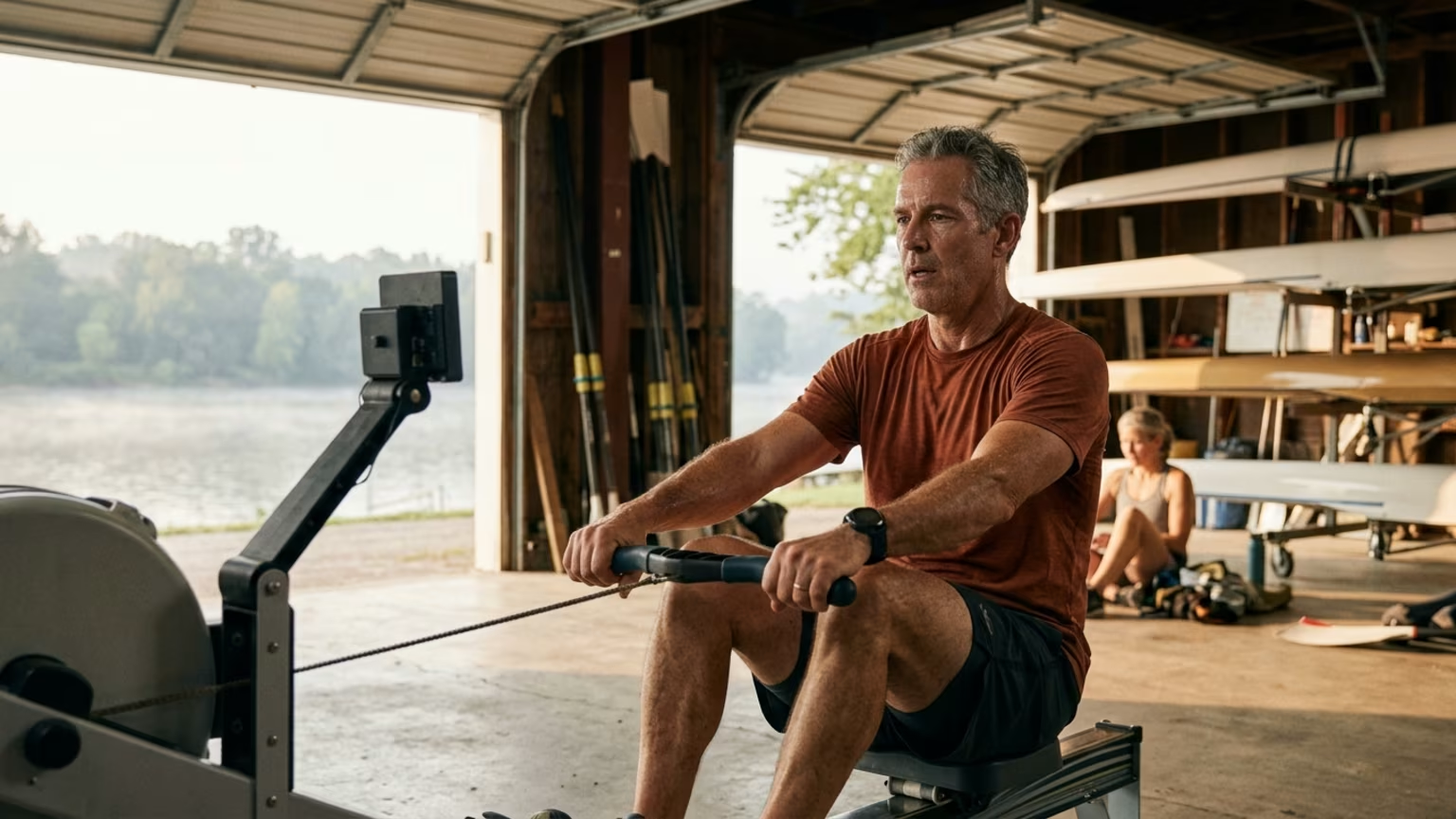
Learn how athletes over 40 can optimize their 1,000-metre rowing times by balancing low-to-moderate aerobic sessions with one focused weekly interval workout.

A 2026 study tested a prototype wearable system for tracking post-exercise HRV and fatigue. We explain what the findings mean for older endurance athletes.

A study found that a 30-minute forest run helped athletes cover 4.6 percent more distance at the same effort. Here is what that means for veteran runners.
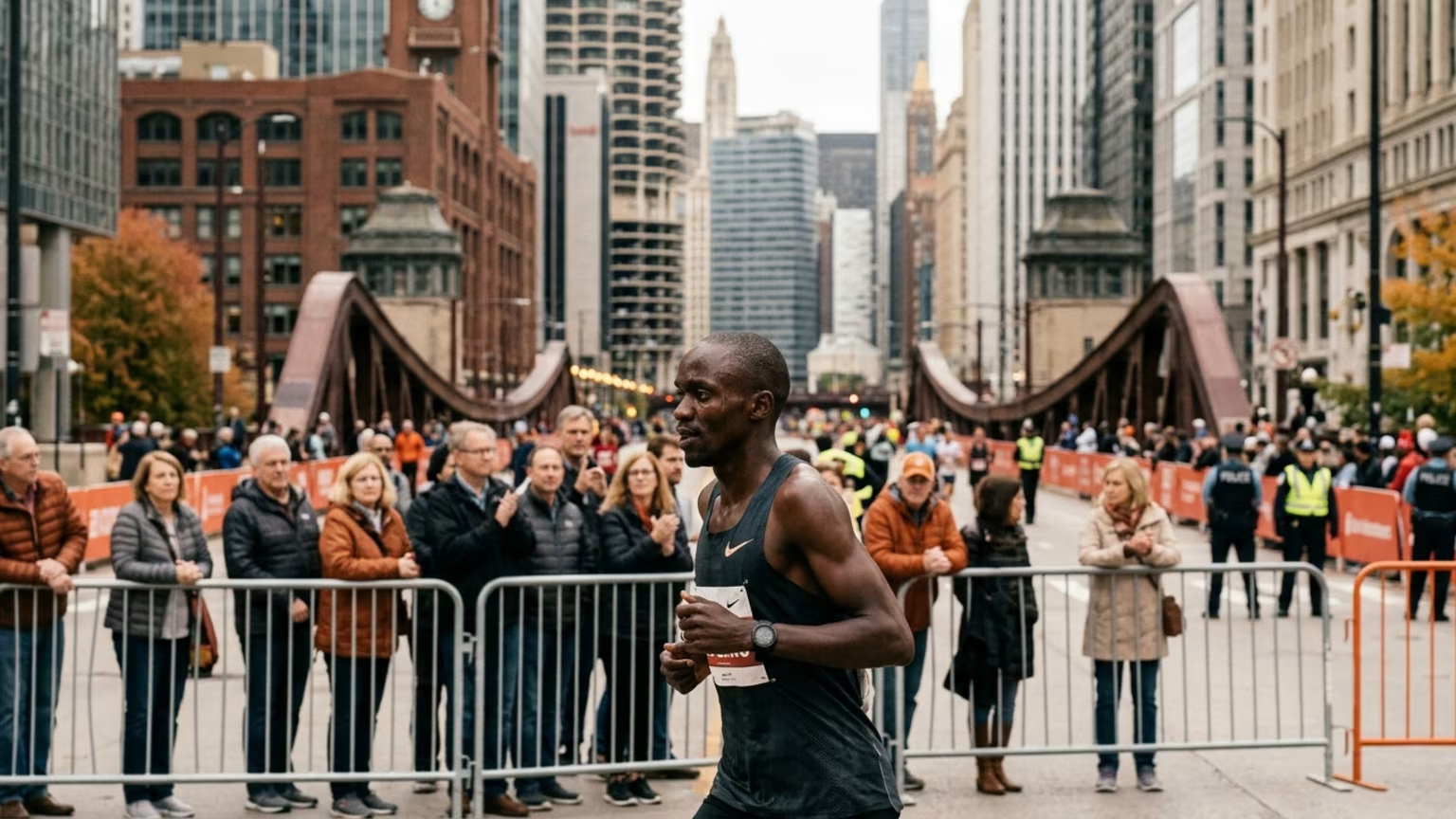
Analyzing Jacob Kiplimo's return to the Chicago Marathon and how veteran endurance athletes can apply professional lessons in pacing and distance progression.
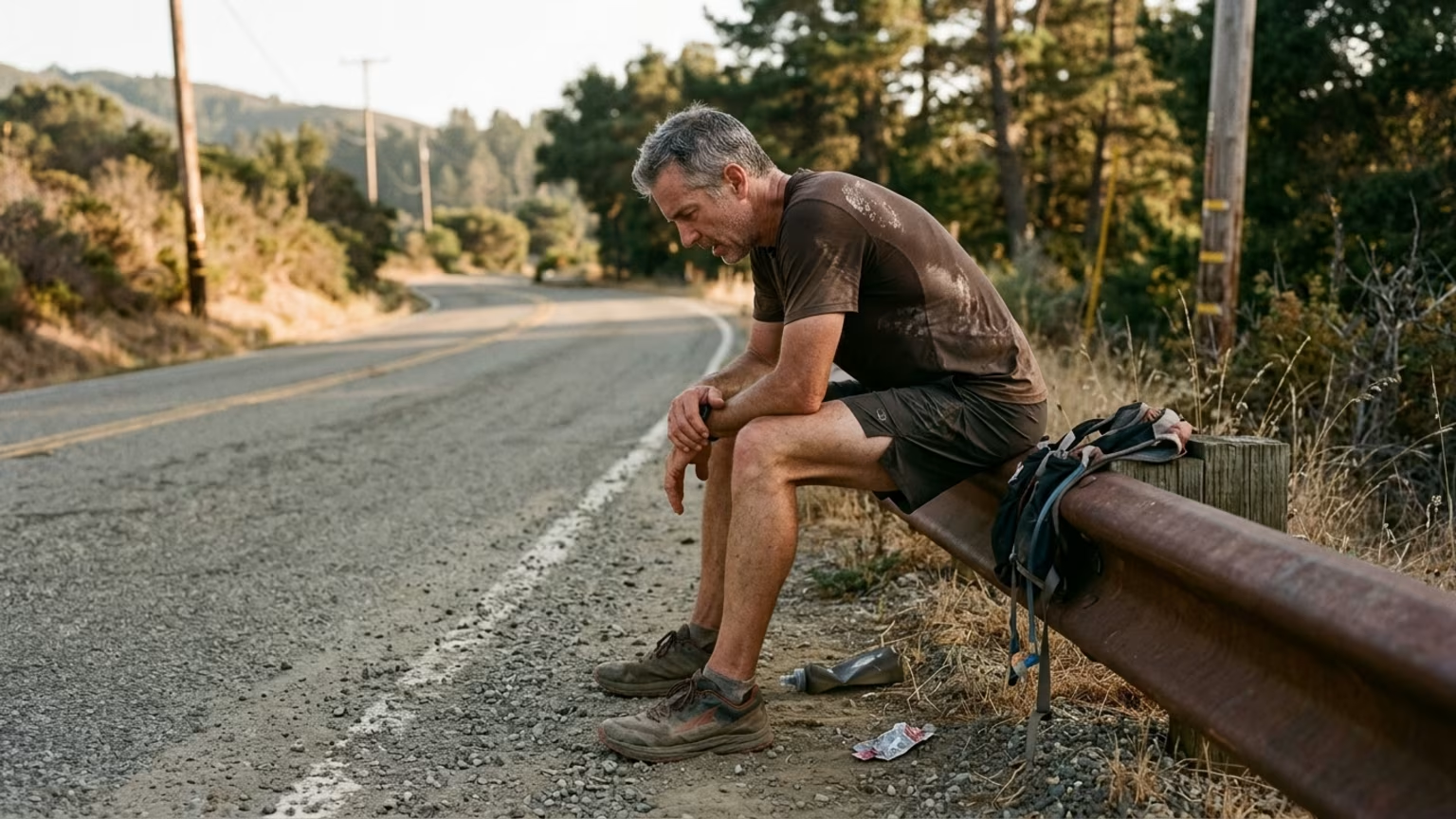
A 2026 report shows functional overreaching can boost performance by 2.6 percent, but it dramatically increases illness risk for masters endurance athletes.
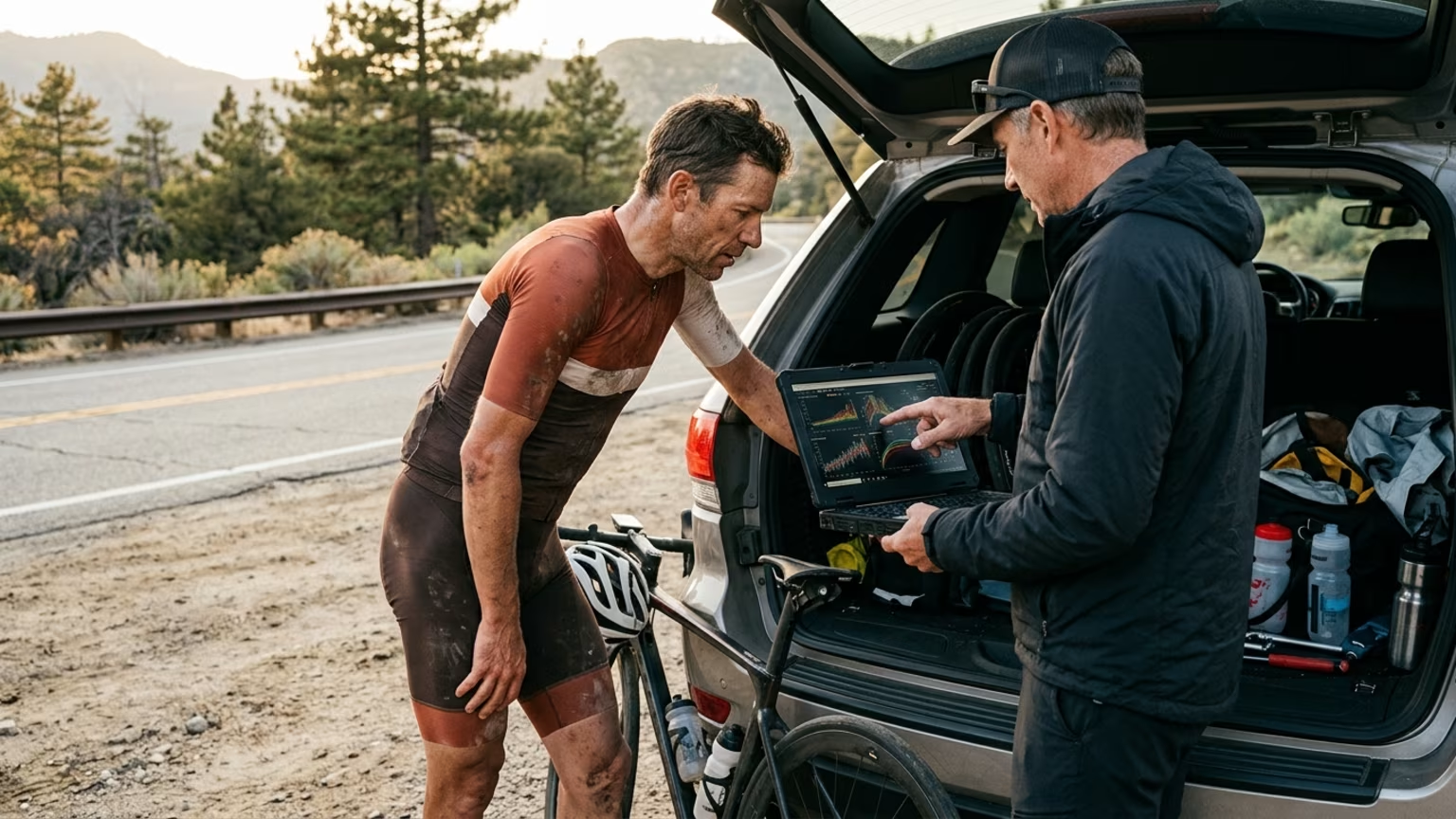
WorldTour teams use artificial intelligence to process data, but human coaching remains the ultimate authority. Why veteran athletes must rely on their instinct.

India Today reports that a week away from exercise will not destroy your cardiovascular fitness. Learn how older endurance athletes should manage short breaks.
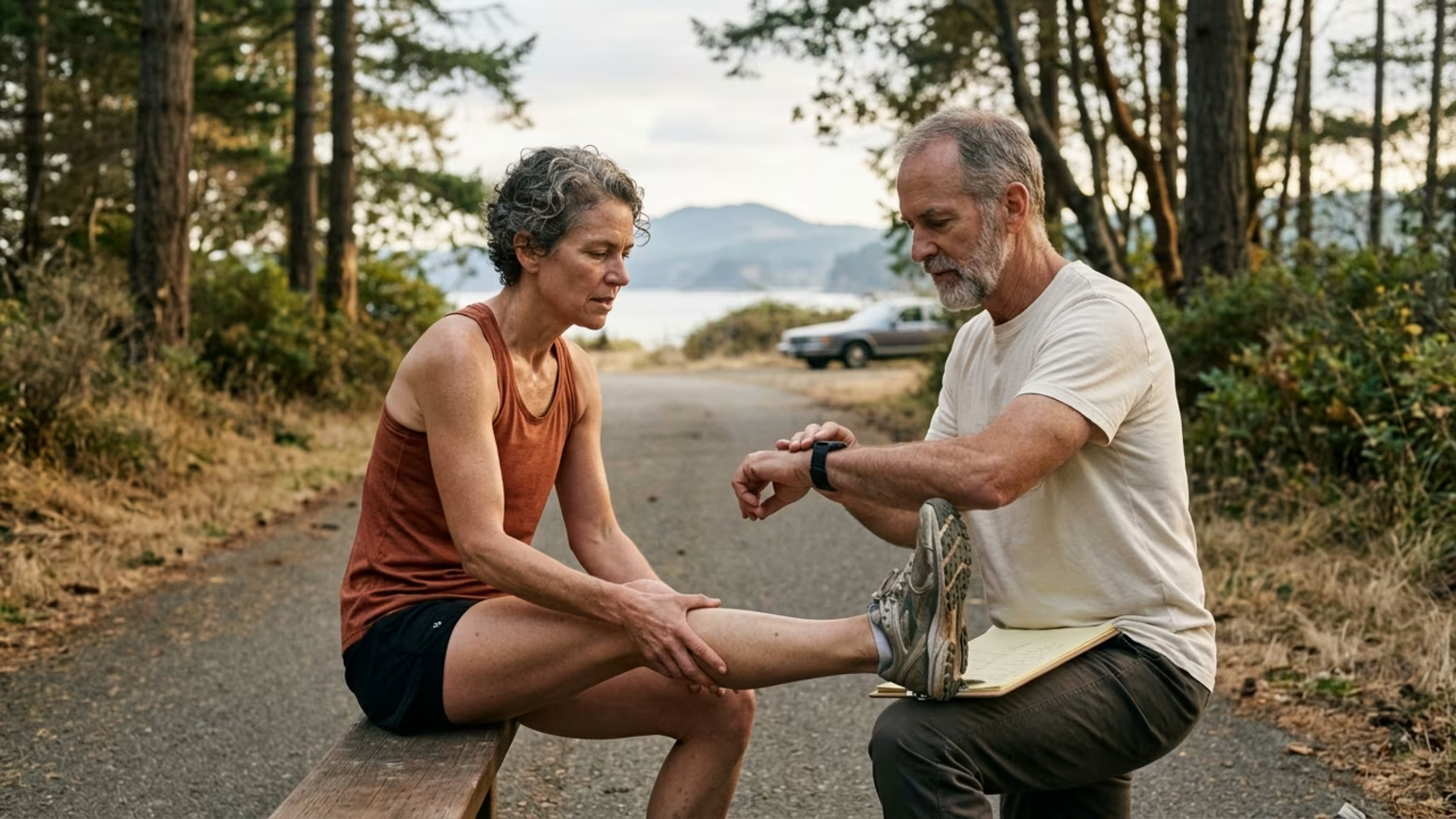
A recent NPR report monitored a reporter's marathon preparation, highlighting baseline VO2 max testing, cardiovascular adaptations, and joint stress realities.

TOUR reviews Billy Sperlich’s endurance training guide. Learn how structured VO₂max plans help older athletes break out of a moderate intensity rut.

A 2026 University of Leicester study links race day nitrogen dioxide levels to slower marathon finish times. Learn how athletes can adjust their race planning.

Recently, Canadian Running and a 2025 trial summary examined durability as a distinct endurance metric. Learn why fatigue resistance matters for veteran athletes.

A recent analysis of 917 marathoners reveals how a massive base phase, year-round quality sessions, and late-cycle rest can improve your finish time.
Read practical ideas on endurance training, recovery, nutrition and healthy aging to keep progressing for years to come.
Read the Blog