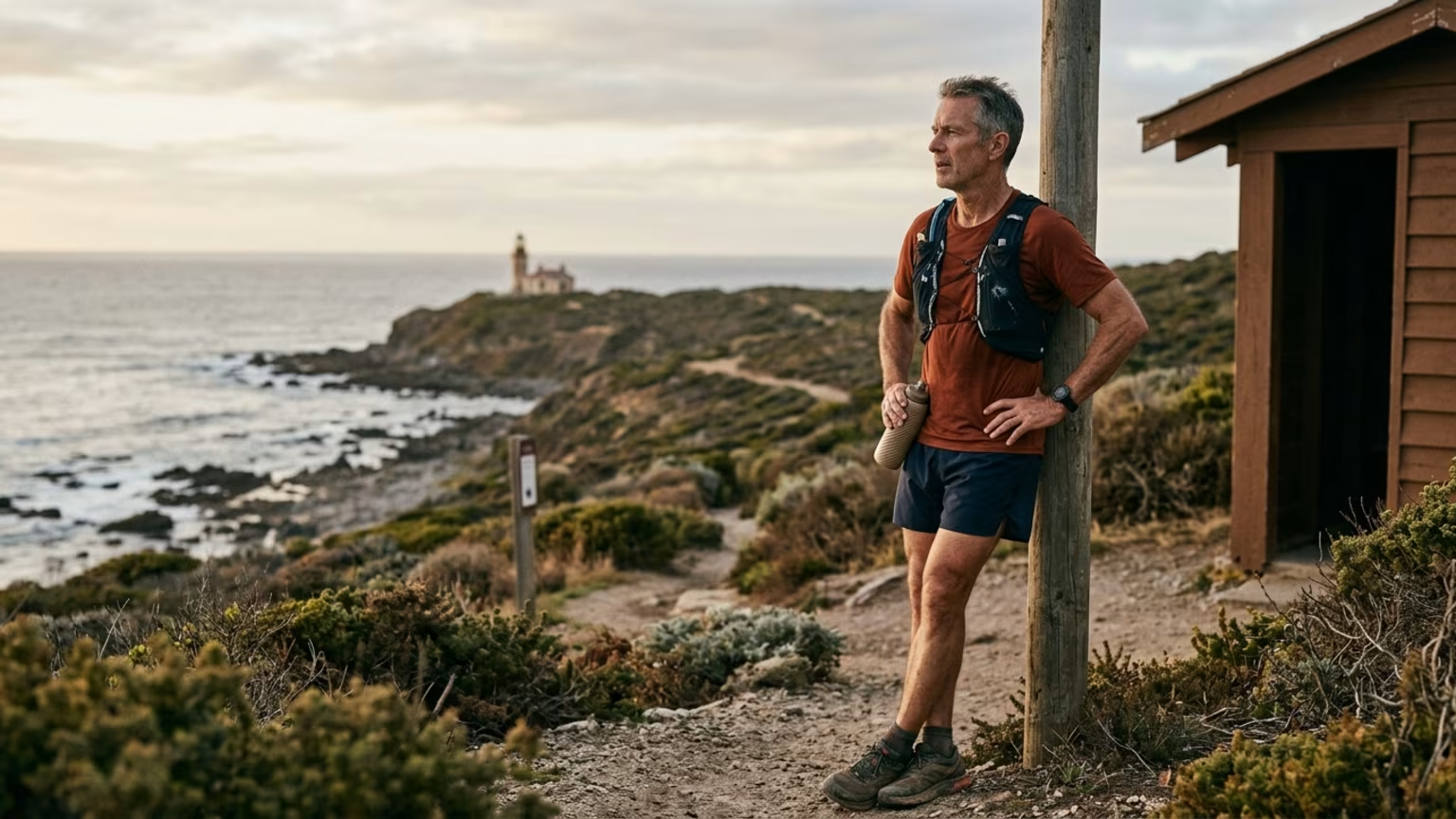

Learn how to build a 30-year athletic life by combining endurance training with strength, balance, and recovery tactics for lasting performance and independence.





My training partner recently finished a fast marathon. The next morning at the airport, he struggled to lift a heavy suitcase. That moment highlighted a quiet physical crisis in endurance sports. We often mistake race fitness for lifelong durability.
On August 18, 2026, researchers published new insights linking physical activity to social relationships. Recent public health guidance also frames physical activity as essential to physical function, mobility, and independence. This shift forces us to look beyond cardiovascular conditioning alone. Aerobic capacity is wonderful, but it does not guarantee quality of life in later decades.
The central conclusion from current research is that an endurance program lacks critical components. The World Health Organization framework recommends adults accumulate 150 to 300 minutes of moderate aerobic activity weekly. They also suggest 75 to 150 minutes of vigorous activity. Crucially, the guidance adds muscle strengthening work on at least two days per week.
The physical requirements change slightly as we age. For adults aged 65 and older, the framework adds multicomponent activity emphasizing functional balance and strength on at least three days per week. Aerobic fitness supports the heart, but strength helps us rise from a chair. Functional movement allows us to respond quickly to a sudden trip or loss of balance.
The practical implication for endurance athletes is quite clear. A high volume running or cycling program does not automatically prepare us for everyday physical challenges. We can maintain excellent cardiovascular health while slowly losing our fast twitch muscle fibers. A truly comprehensive program requires us to train multiple physical qualities simultaneously.
Researchers have looked closely at how older bodies respond to resistance training. A 2026 meta analysis of 41 randomized controlled trials involving 3,141 participants investigated this mechanism. The researchers found that resistance exercise significantly improved muscle specific strength in older adults. The review reported a standardized mean difference of 0.61, with a 95 percent confidence interval of 0.27 to 0.94.
The findings from these large studies highlight a critical physiological reality. The review noted that aerobic exercise, concurrent training, and nutritional supplementation did not produce statistically significant improvements in muscle specific strength. This proves that endurance exercise alone cannot replace heavy resistance work. We must deliberately stress our muscles to force a positive adaptation.
We also have data on how older athletes recover from this training. A 2023 scoping review screened 10,976 records and included 27 studies on resistance exercise recovery in adults aged 65 and older. The authors concluded that the available evidence was too heterogeneous to support a single clear recovery prescription. This means recovery needs are highly individual.
For the ambitious athlete over 35, this research shifts how we build our calendar. Endurance athletes often treat the weight room as an optional winter activity. A separate 2026 report summarized research suggesting that 90 to 120 minutes of weekly strength training may be associated with substantial longevity benefits when combined with cardiovascular exercise. We must treat strength as a distinct adaptation that requires a specific training stimulus.
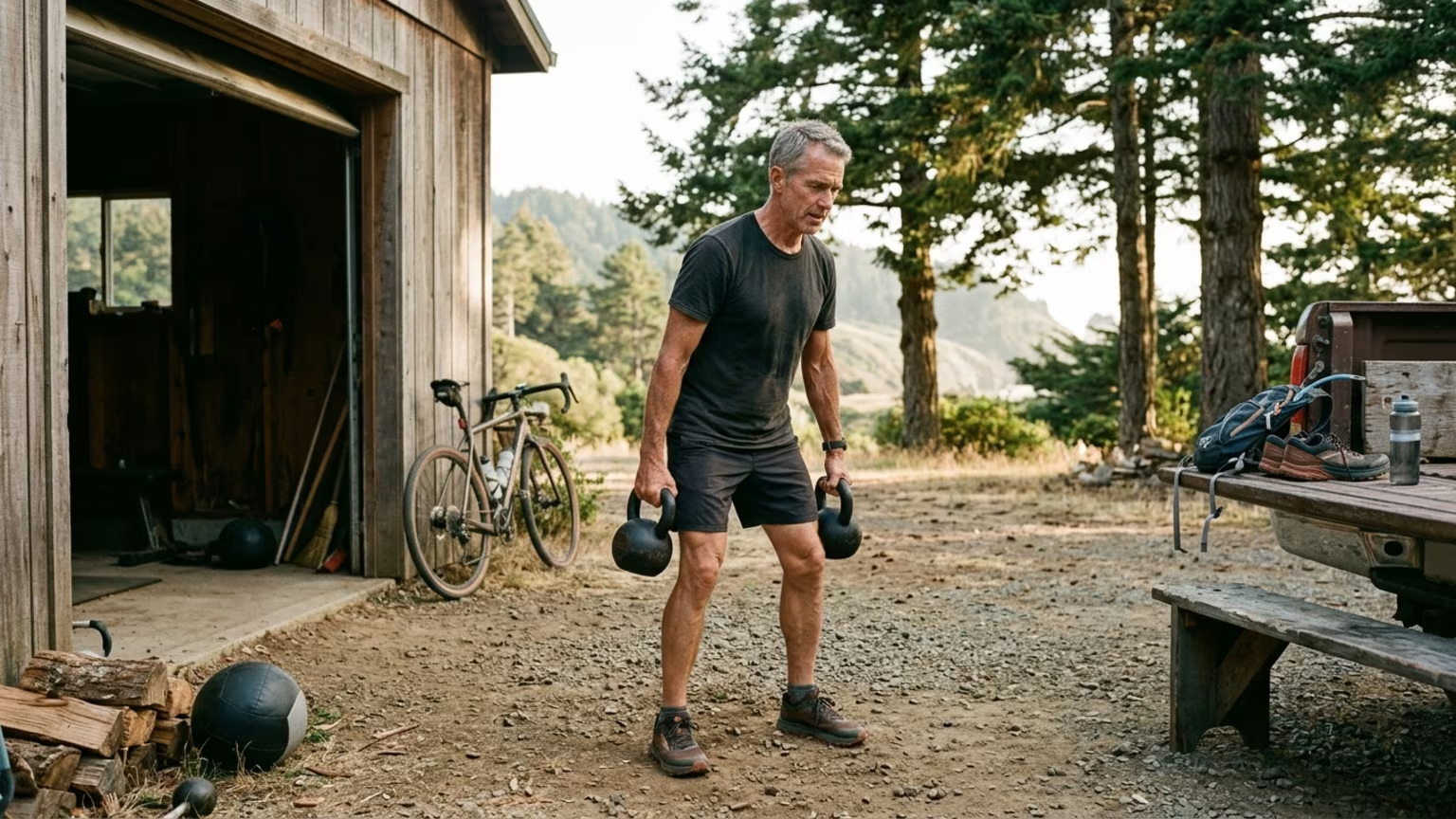
This does not mean we abandon our running or cycling plans. We simply need to integrate resistance exercise into our regular routine. Adding loaded carries, single leg work, and movements that challenge force production builds lasting durability. These habits form the core of a sustainable athletic lifestyle.
The lack of a universal recovery rule is actually an advantage. We do not need to assume that aging requires drastically more rest days. Recovery should instead be adjusted according to training type, tissue damage, sleep, and life stress. A long steady ride creates substantial fuel depletion without the heavy muscle damage of downhill running.
We must separate hard cardiovascular stress from high mechanical damage. Stacking several high damage sessions together is a mistake. We should evaluate how many highly damaging workouts we can actually absorb in a week. Managing tissue stress prevents chronic overuse injuries.
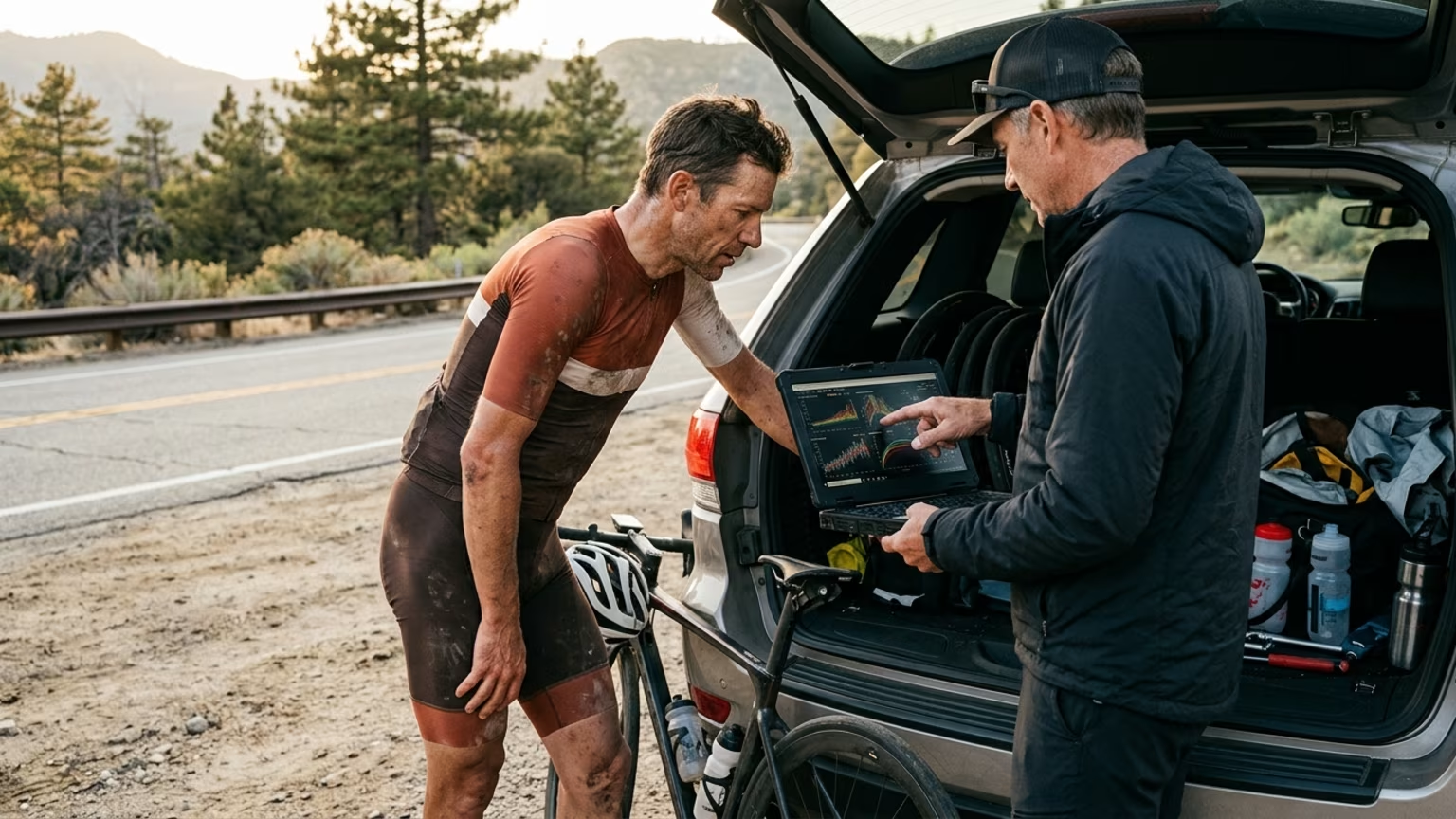
Protecting our bodies requires us to monitor several key indicators consistently. We should track our performance at familiar training intensities alongside our sleep quality. Mood, motivation, and everyday appetite provide valuable clues about our overall systemic recovery. Managing these variables properly helps us stay active and resilient for decades.
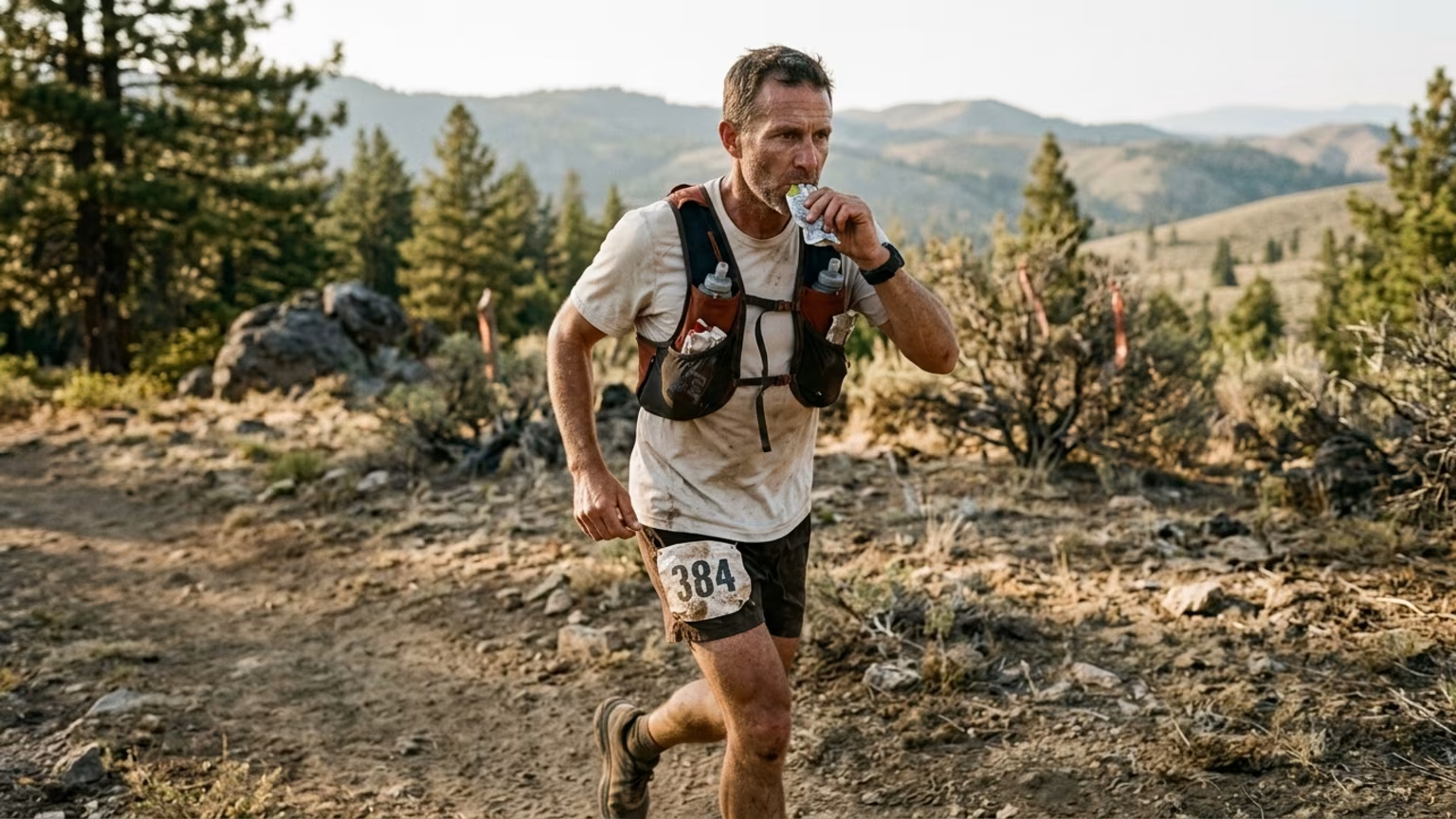
Applying new research often requires breaking old habits and testing new methods. For years, I capped my mid ride fueling at around sixty grams of carbs per hour, convinced that taking in more would wreck my stomach. Then I read a series of recent studies on gut training and higher oxidation limits for endurance athletes. I spent a three month base phase gradually increasing my intake up to ninety grams using a mix of glucose and fructose.
The difference during my next Gran Fondo was staggering. I had a late race surge that I had never experienced before, completely avoiding the usual energy crash. We can apply that same willingness to adapt to our long term strength training. Updating our approach based on evidence directly improves our daily physical capacity.
Our approach to daily fueling must evolve just like our training loads. Proper energy availability dictates whether we actually absorb our hard workouts. Reviewing our nutrition and fueling resources reveals how critical adequate carbohydrate intake is for preserving muscle mass. Older athletes simply cannot afford to undereat while managing high training volumes.
Tracking our progress requires a broader set of daily metrics. Instead of only watching our race times, we should monitor our baseline physical function. Our ability to produce force in key lifts is just as important as our threshold pace. Single leg balance and control become vital for avoiding falls.
Current U.S. public health materials encourage older adults to combine aerobic, muscle strengthening, and balance activities. This multicomponent approach protects our connective tissue over the long term. It allows gradual exposure to running impact and eccentric loading. Mobility gives us enough range of motion to perform daily tasks comfortably.
We must also recognize that training fatigue should not be confused with adaptation. ACSM commentary on resistance training describes an inverted-U relationship between fatigue and strength adaptation. Moderate levels of fatigue may produce better strength adaptations than either minimal or near maximal fatigue. Consistently exhausting every strength session is not the best way to build durability.
Physical capability is only one half of the longevity equation. The people we train with play a massive role in keeping us engaged over time. A 2026 systematic review in PLOS Medicine reported that education, self efficacy, and social support were among the factors most consistently associated with adherence across lifestyle and treatment behaviors. Physical activity and social relationships actively reinforce one another.
This means we should intentionally build a relationship infrastructure around our sport. Reliable training partners and flexible coaching make a challenging schedule far more sustainable. When a training plan repeatedly conflicts with work or family, it simply will not last over the years. Building flexible routines allows us to maintain our participation even when our goals change.
The people we surround ourselves with can normalize healthy athletic behaviors. A supportive network helps us bounce back faster from temporary setbacks or injuries. When we share our long term goals with others, we create powerful external accountability. This shared commitment makes the decades of required discipline feel much more manageable.
You can find additional guidance on balancing these life elements in our endurance life articles. Social networks provide accountability when internal motivation naturally fades. True athletic longevity is rarely achieved in complete isolation. We need a community that values consistent participation at any speed.
Many endurance athletes work demanding desk jobs that require prolonged sitting. Current public health guidance does not treat exercise as a complete counterbalance to sedentary behavior. A one hour morning workout may coexist with an otherwise highly inactive day. We are encouraged to limit sedentary time and replace it with movement of any intensity.
This creates a useful distinction between formal training and simple movement exposure. Walking breaks, standing up frequently, and active transportation remain incredibly relevant parts of a long term plan. These small daily movements prevent stiffness and preserve our resting mobility. Incorporating movement snacks throughout the day keeps our joints lubricated.
The ultimate goal for athletes at Reendure is to keep moving well for life. ACSM's Exercise is Medicine initiative promotes integrating physical activity into routine healthcare for older adults. This supports treating exercise as an ongoing health practice rather than a short term performance project. We must accept strategic trade offs during highly stressful periods.
Sometimes, preserving our energy requires doing fewer maximal efforts in training. Other times, we might need more strength work than feels strictly necessary. By focusing on durability, we ensure our healthy aging resources translate into real physical freedom. The real reward is waking up at seventy with the physical capacity to do whatever we want.
A sensible long term objective is to preserve enough aerobic fitness, strength, and mobility to remain independent. Reading our recovery and mobility articles can help refine these daily practices. We might need to change sports or event formats when the cost of one activity becomes disproportionate. The true victory is staying in the game on our own terms.
To build an athletic life that lasts thirty years, replace one weekly junk mile session with targeted strength and balance work today.

Follow ReEndure for practical insights on endurance training, recovery, nutrition and healthy aging. Stay connected for new articles, research led guidance and ideas to help you perform better for longer.



Read practical ideas on endurance training, recovery, nutrition and healthy aging to keep progressing for years to come.
Read the Blog