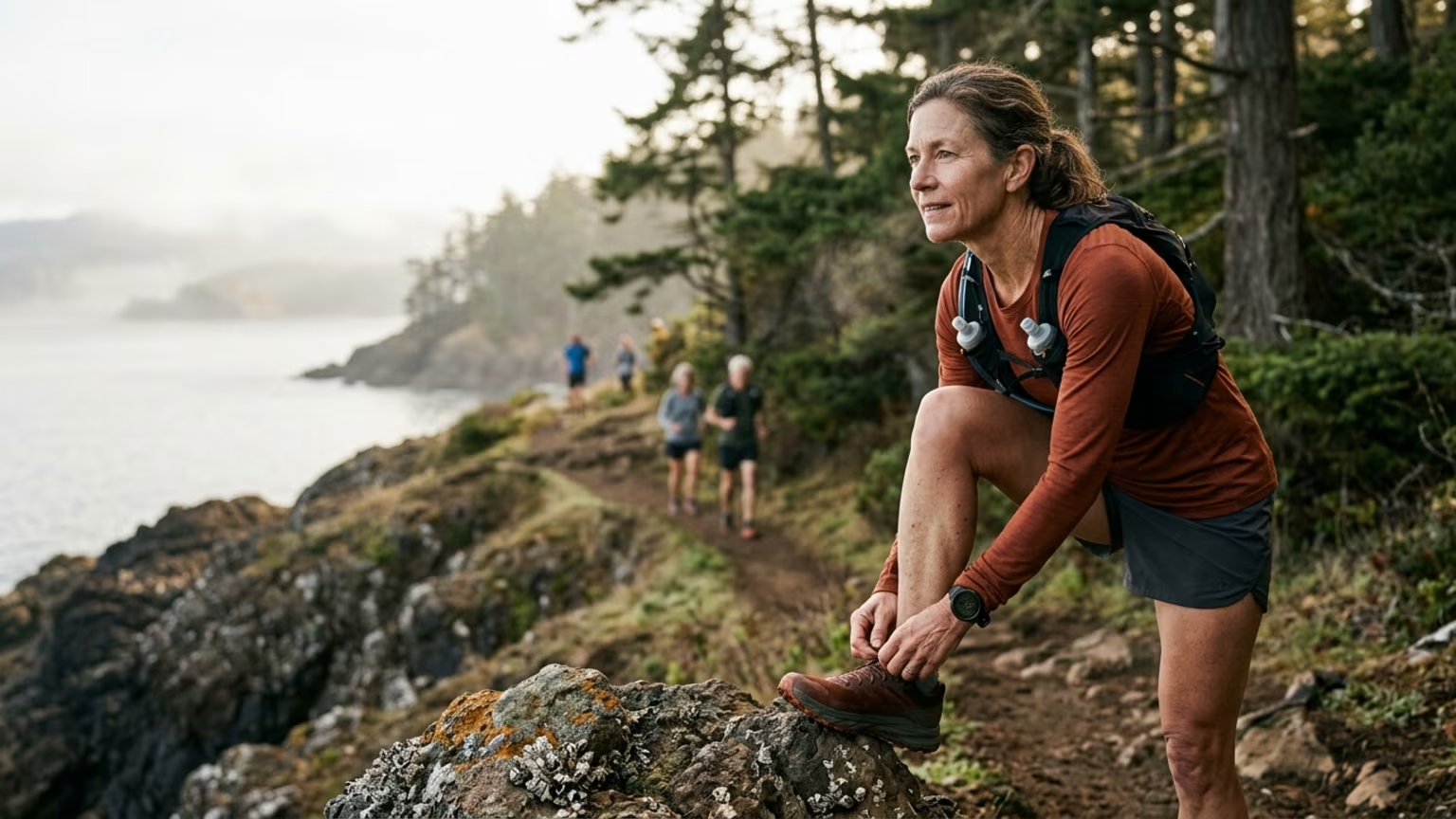

Learn how endurance athletes can track physical function, resilience, and recovery when absolute race speeds naturally begin to decline after age 35.





You cross the finish line and immediately check your wrist. The training block went exactly to plan, your nutrition was precise, and you paced it flawlessly. Yet, the final time is three minutes slower than your personal best. Why does doing everything right suddenly yield a slower result?
The short answer is that absolute physical capacity naturally begins to decline around age 35. A recent longitudinal study from Karolinska Institutet confirmed this biological reality. The emotional difficulty of this shift is very real for ambitious athletes. You might experience frustration when a familiar performance benchmark worsens.
However, losing absolute peak speed does not mean you have stopped progressing as an athlete. Progress simply changes shape as you gain experience. You can lose a fraction of your top speed while becoming vastly more resilient. The key is learning to track new metrics of success across your endurance life.
Yes, and the scientific consensus strongly supports this natural shift. A 47-year longitudinal study from Karolinska Institutet examined how physical capacity changes across adulthood. The researchers followed several hundred randomly selected men and women aged 16 to 63. Rather than comparing different age groups at one moment, they repeatedly measured the same individuals over decades.
This study design is a major strength compared to older research. Much earlier research relied on cross-sectional comparisons between different age groups. That distinction matters because a less active 60-year-old might be compared unfairly with a highly trained 35-year-old. It makes the pure effects of age difficult to separate from lifestyle factors.
The Karolinska study reported that physical performance began declining at approximately age 35. This decline continued gradually and tended to accelerate with advancing age. Lead author Maria Westerståhl noted that physical activity can slow this decline but cannot completely prevent it. This happens even to people who had trained extensively earlier in life.
The Karolinska study cannot establish that age alone caused every observed decline. Physical activity, illness and injury all influence individual trajectories. Occupation, sleep and nutrition also play major roles. Westerståhl’s interpretation is deliberately balanced, noting that exercise primarily slows the rate of decline.
However, the research also offered a deeply encouraging finding. Becoming physically active during adulthood was associated with a 5 to 10 percent increase in physical capacity. This separates two ideas that athletes often confuse. You can lose some absolute physical capacity while still improving relative to your recent baseline.
Endurance athletes should look beyond race times and track a broader portfolio of health markers. A 2026 cohort study of older adults found graded associations between lower all-cause mortality and several objectively measured domains. These included balance, lower-body strength, agility and cardiorespiratory fitness. Treating fitness as a single endurance outcome is a mistake.
We recommend building a multidimensional progress dashboard for healthy aging. First, continue tracking sport performance by comparing similar benchmark workouts over several months. You should ask whether the same pace is producing a lower heart rate. You might also notice that you are pacing more evenly or finishing stronger.
Race times certainly remain useful for ambitious endurance athletes. They are objective, highly sport-specific and easy to compare across seasons. However, they are heavily affected by course design, weather, pacing and your competition on the day. A slower time does not automatically mean that an athlete is progressing less overall.
Second, monitor physical function through simple baseline tests. A safe single-leg balance test or a timed sit-to-stand effort can reveal functional progress. The goal is not to chase arbitrary numbers but to preserve independent movement quality. You can find more strategies for this in our healthy aging resources.
Third, track your training consistency and injury resilience. Completing a sustainable year with fewer setbacks is a massive victory. An athlete who completes a sustainable year with fewer setbacks is moving forward. This remains true even if their best marathon time is no longer improving.
Resistance exercise is particularly critical for maintaining this multidimensional fitness. A 2026 meta-analysis of 41 randomized controlled trials involving 3,141 participants explored this. The review found that resistance exercise significantly improved muscle-specific strength in older adults. The authors did note considerable variation between studies, reporting an I squared value of 81 percent.
Importantly, the same review did not find conclusive improvements in muscle-specific strength from aerobic exercise alone. Concurrent training and nutritional interventions also showed inconclusive results for that specific outcome. This does not mean endurance training lacks value. It simply highlights that aerobic exercise cannot replace the distinct benefits of lifting heavy weights.
Technology companies are increasingly turning readiness into a tracked category alongside traditional pacing metrics. Garmin’s Cirqa Smart Band, reported in July 2026, reflects this exact industry shift. The device monitors heart rate, sleep, stress and skin temperature. It also measures pulse oximetry and heart-rate variability.
It provides composite training metrics like Training Readiness, VO2 max and Recovery Time. These features help athletes balance training stress with their recovery needs. Measuring how well you recover from a hard session is just as important as the session itself. This trend moves the focus from simply logging workouts to interpreting physiological preparedness.
You can read more about these readiness concepts in our recovery resources. However, you must treat proprietary readiness scores as decision-support tools rather than clinical measurements. One 2026 review noted that algorithmic composites have not been independently validated against a gold-standard measure. This applies specifically to popular tools like WHOOP Recovery and Strain scores.
A single recovery percentage simplifies incredibly complex human physiology. Do not let a wearable device completely override your own perceived exertion or symptoms. If your device says you are recovered but your legs feel heavy, trust your body. Wearable metrics are best used to spot long-term trends rather than acting as flawless diagnostic tools.
Cardiorespiratory fitness is only one aspect of a capable aging body. Recent research emphasizes that mobility, agility and balance are critical for athletic longevity. A 2026 study of national movement data reinforced this multidimensional need. The research found that meeting multiple components of movement guidelines was associated with lower odds of frailty.
Tracking these diverse domains ensures you maintain a high quality of life outside of racing. A holistic approach creates athletes who move well and recover quickly. A separate 2026 review investigated how exercise impacts physical balance. The researchers found that exercise improves balance, but the best modality differed by domain.
Interventions like Tai Chi, Pilates, sensory training and aquatic exercise showed strong signals. Perturbation training performed best for overall and static-balance outcomes under supervision. The balance review explicitly cautions against treating one exercise mode as universally superior. It states that the appropriate modality depends on whether your goal is static, dynamic or reactive balance.
Endurance athletes need multicomponent exercise routines to cover these bases. Running or cycling alone will not optimally preserve your balance or muscle-specific strength. Adding targeted resistance training and agility work builds a body capable of handling unexpected loads. You also need to evaluate your confidence and decision quality under stress.
Confidence should not mean believing that every single workout will be faster than the last. A more durable definition is the ability to make good decisions under uncertainty. Can you stop an effort before a minor problem becomes a full injury? This is a core philosophy found throughout our injury prevention resources.
Finally, monitor your overall life satisfaction to ensure your sport still improves your daily reality. Ask whether endurance sport is contributing positively to the rest of your life. Exercise research increasingly examines quality of life, psychological wellbeing and daily functioning alongside physical outcomes. For an athlete aged 35 to 65, those outcomes are highly relevant to long-term success.
Measuring progress after 35 requires a shift from chasing peak speeds to building a durable portfolio of fitness. The Karolinska study shows that biological capacity will naturally decline, but your personal trajectory remains highly trainable. The most defensible message is not that aging can be defeated entirely. It is that progress simply changes form as you mature.
A useful editorial framework is to separate your fitness into distinct categories. Think about your capacity, repeatability, recoverability, daily function and personal meaning. Capacity is what you can do on your absolute best day. Repeatability is what you can do week after week without breaking down.
Recoverability measures how quickly you return to normal after intense stress. Progress becomes less about adding absolute speed and more about improving long term durability. It is about tolerating sustainable training, recovering intelligently and extending your active years. Pick one new metric today, such as tracking your weekly sleep consistency, and focus on improving it this month.

Follow ReEndure for practical insights on endurance training, recovery, nutrition and healthy aging. Stay connected for new articles, research led guidance and ideas to help you perform better for longer.


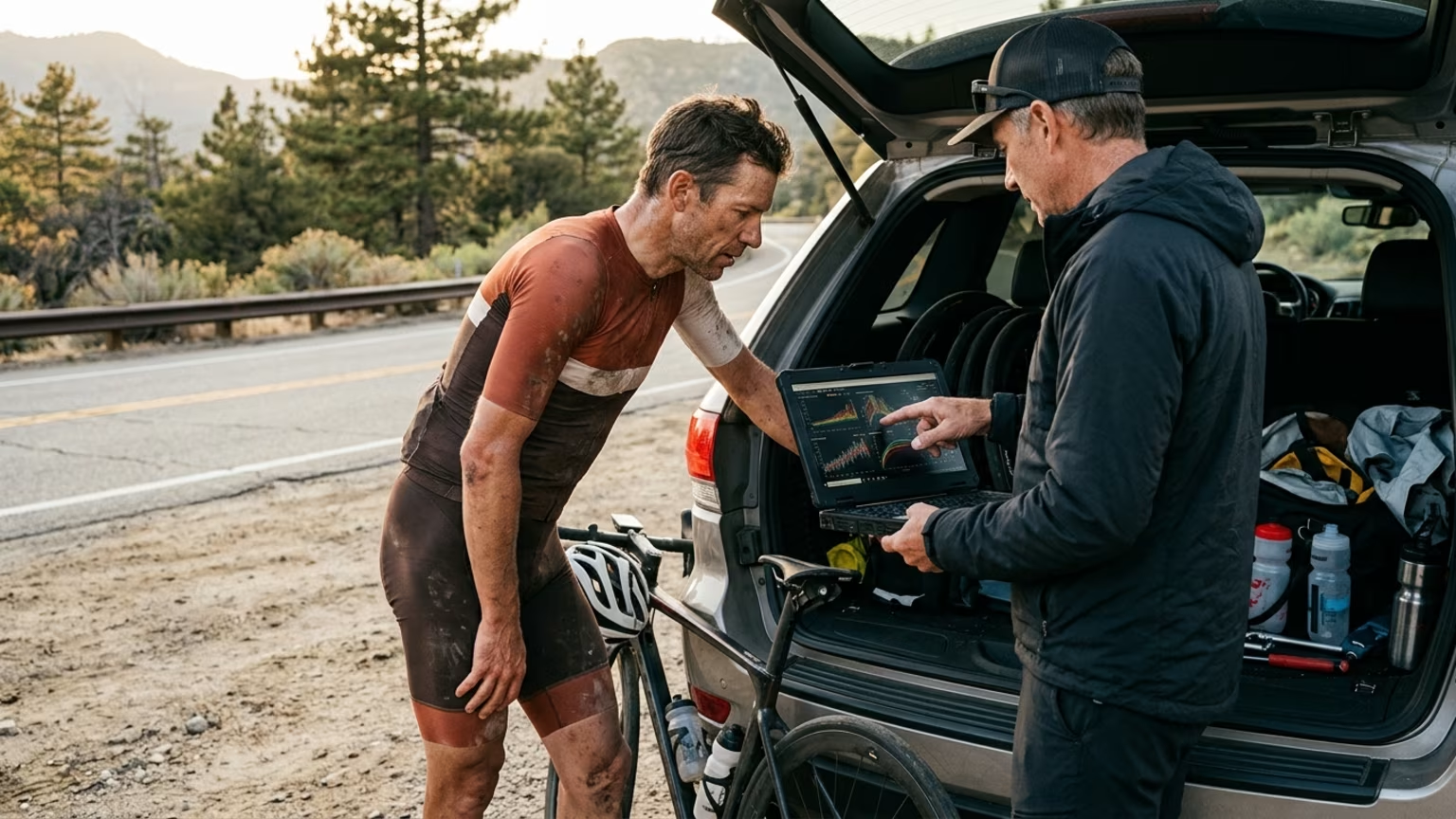

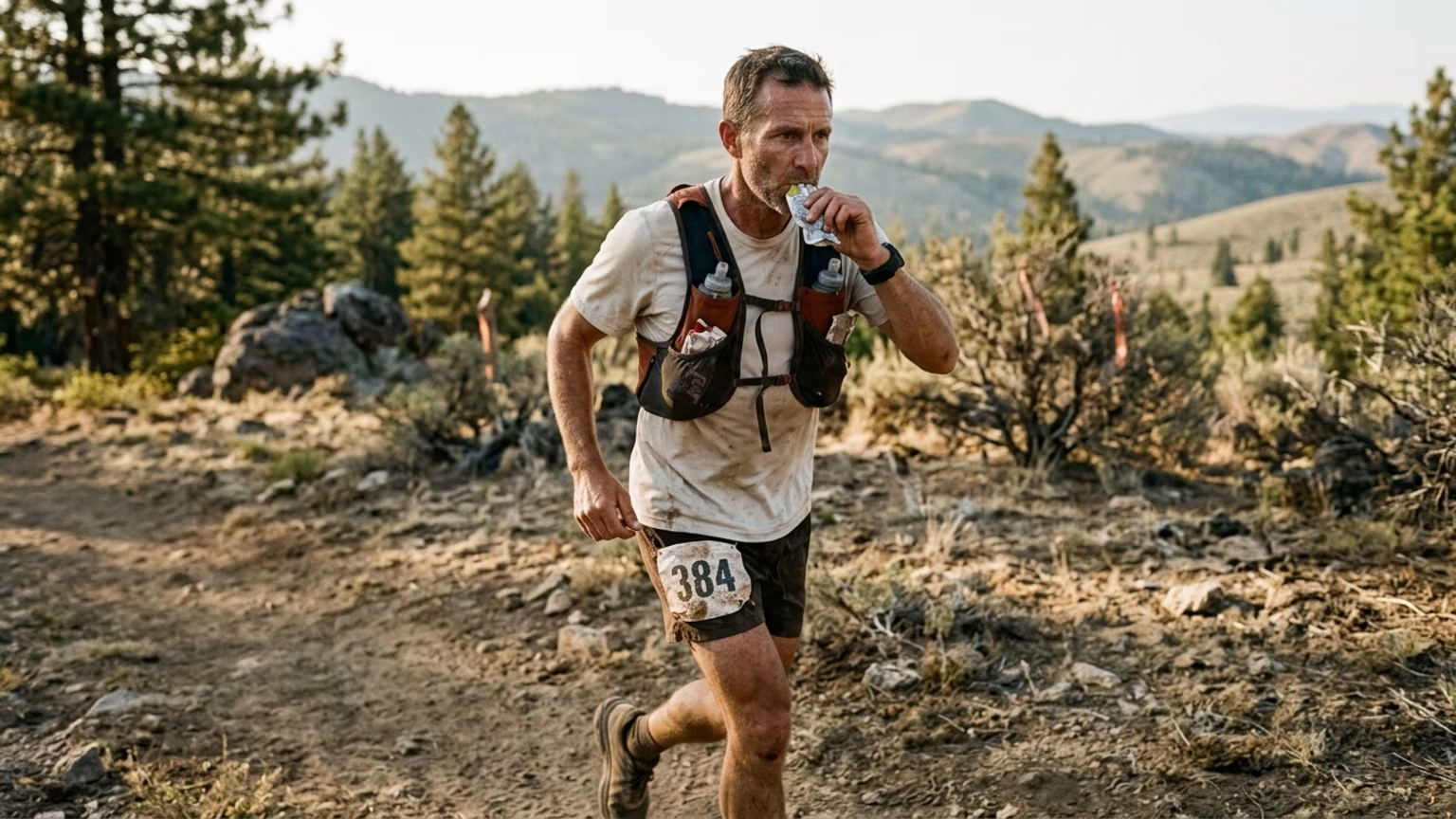
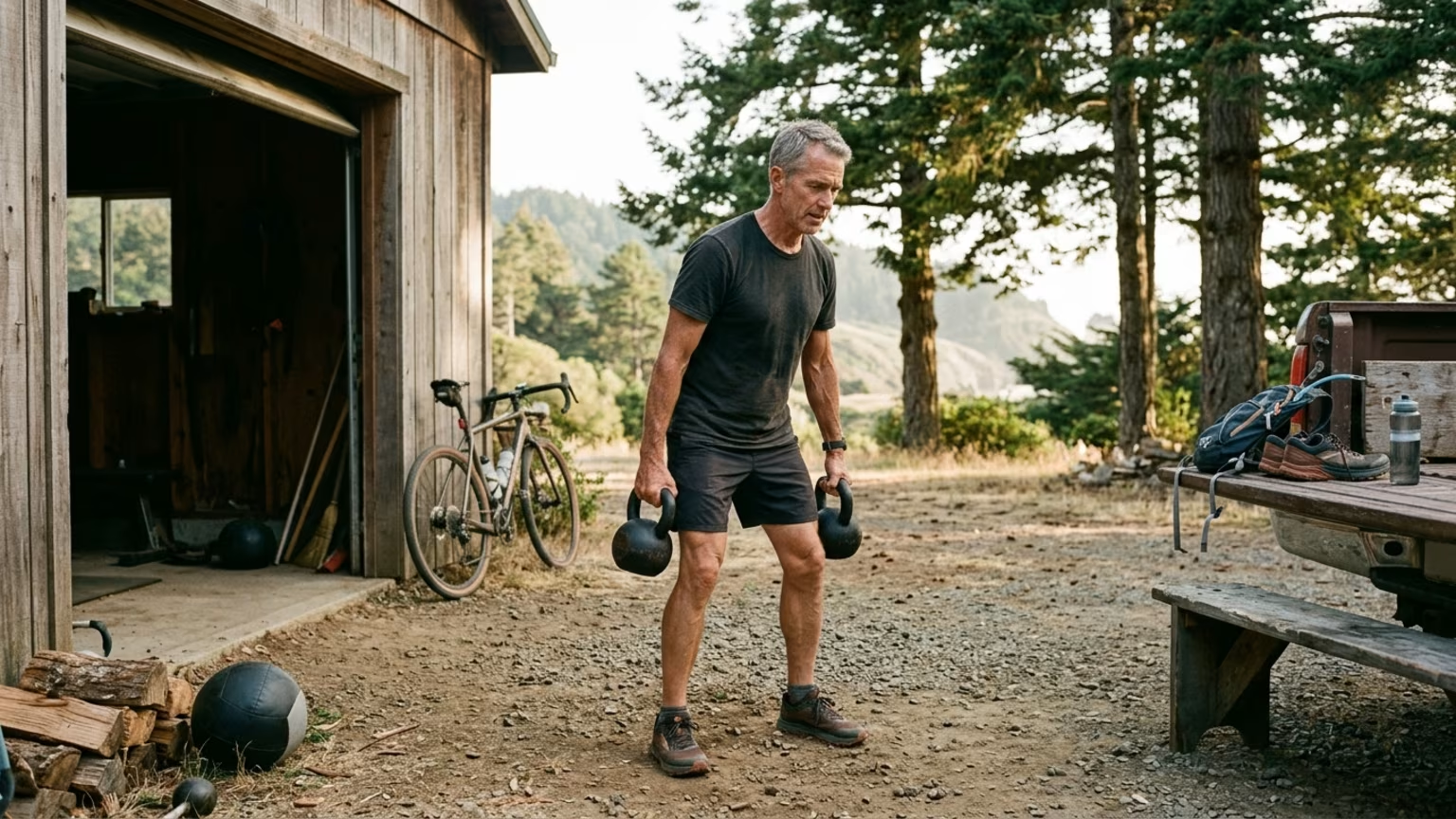
Read practical ideas on endurance training, recovery, nutrition and healthy aging to keep progressing for years to come.
Read the Blog