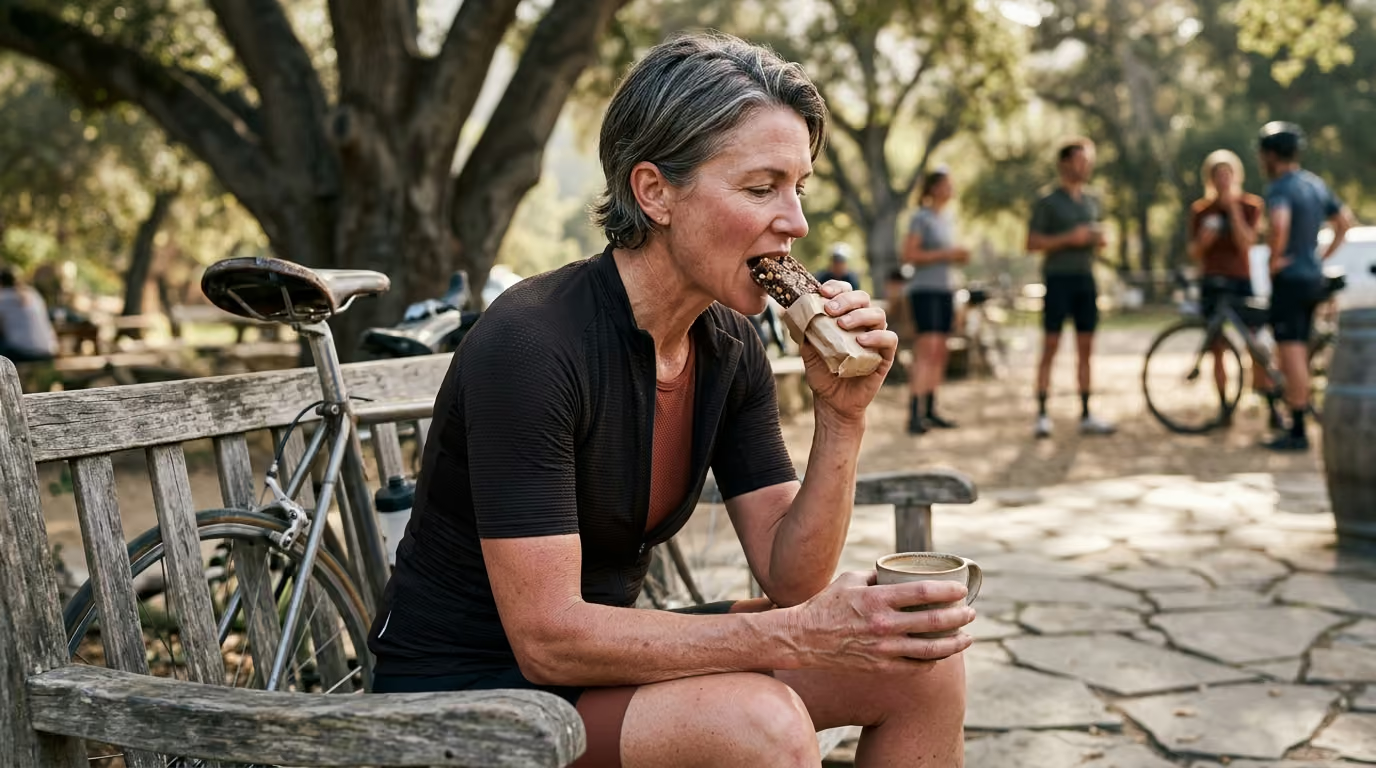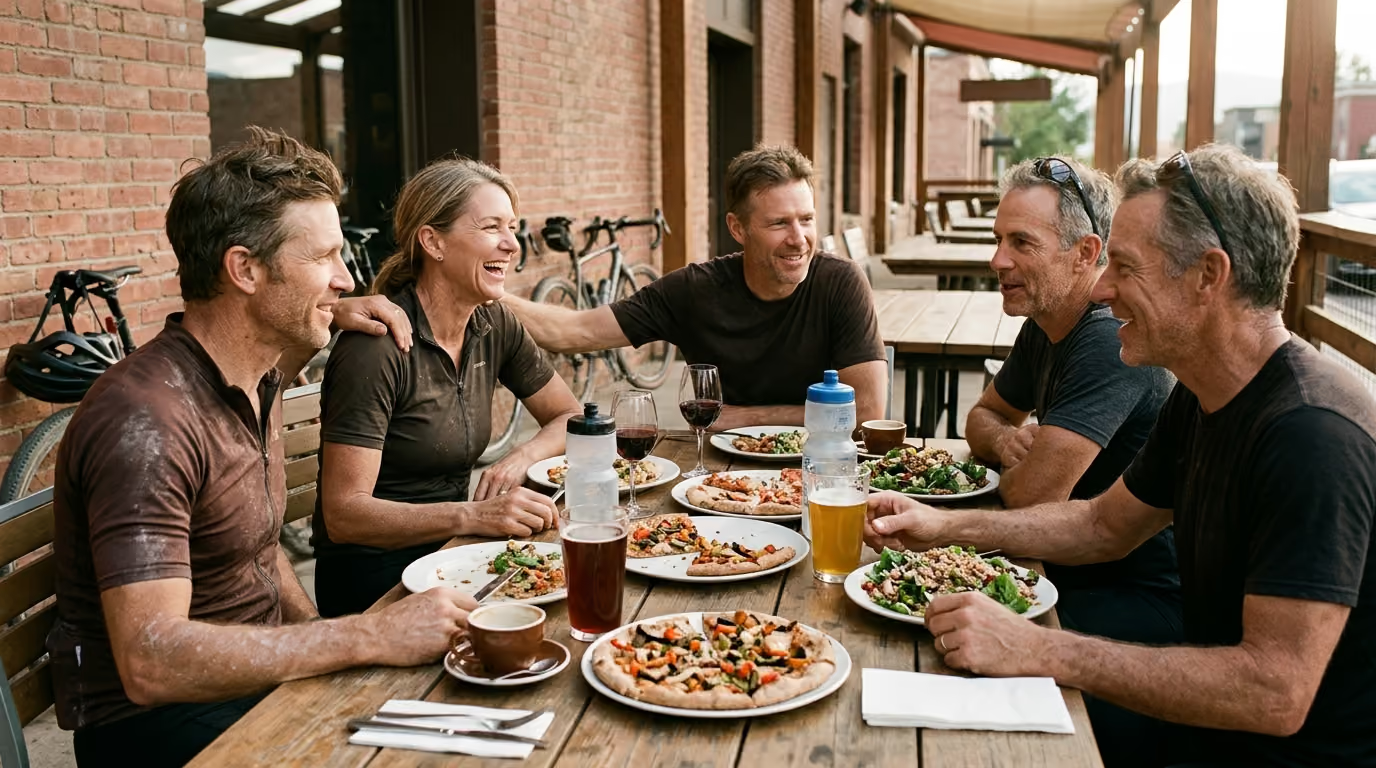

While many athletes assume social drinking ruins training gains, managing ethanol dosage and meal timing preserves vital recovery and endurance performance.





You finish a demanding twenty-mile training run on Saturday morning, complete your stretches, shower, and begin packing for a friend’s evening birthday dinner. By the time you sit down at the restaurant, your legs feel heavy, your glycogen stores are depleted, and your body is in deep recovery mode. The waiter pours drinks for the table, places high-fat appetizers in the center, and the main courses are still an hour away.
You want to enjoy the milestone with your friends without feeling isolated by rigid dietary restrictions. At the same time, you have a scheduled tempo ride on Monday morning and cannot afford two days of sluggishness, disrupted sleep, or gastrointestinal distress. Many athletes swing between two unhelpful extremes in this scenario. They either adopt strict dietary perfection that strains social relationships, or they abandon all discipline, overconsume alcohol, and spend the next forty-eight hours struggling to regain baseline performance.
Navigating social eating and alcohol does not require moralizing food or pretending that social connection has no value. A sustainable athletic life balances physiological demands with personal milestones. By understanding how ethanol and meal composition interact with human metabolism, you can make informed decisions based on clear tradeoffs rather than guilt or restriction.
Evaluating the impact of alcohol on endurance performance requires moving past casual beverage descriptions. A pint of double IPA, a glass of wine poured to the brim, and a craft cocktail do not contain identical quantities of alcohol. In sports science, the primary variable of interest is total ethanol dose rather than the physical size of the glass.
In the United States, a standard drink contains approximately 14 grams of pure ethanol. This physiological quantity corresponds to 12 fluid ounces of regular beer at 5 percent alcohol by volume, 5 fluid ounces of wine at 12 percent alcohol by volume, or 1.5 fluid ounces of 80-proof distilled spirits. You can estimate the exact alcohol content in any beverage with a straightforward formula. Multiply the liquid volume in milliliters by the alcohol percentage by volume, then multiply that result by the density of ethanol, which is 0.789.
Underestimating intake is one of the most common errors endurance athletes make at social gatherings. A single 16-ounce pour of an 8 percent craft beer provides more than 30 grams of ethanol. That single serving represents more than two standard drinks in a single glass. When an athlete consumes three large craft beers over an evening, they have consumed the equivalent of more than six standard drinks.
The National Institute on Alcohol Abuse and Alcoholism defines moderate drinking as up to two standard drinks per day for men and one standard drink per day for women on drinking days. Binge drinking is defined as a pattern of alcohol consumption that brings blood alcohol concentration to 0.08 percent or higher. This typically occurs after four drinks for women or five drinks for men within roughly two hours. From a pure health perspective, the World Health Organization notes that no level of alcohol consumption is entirely free from biological risk. For athletic performance, the combination of total ethanol volume, drinking speed, and proximity to hard training determines the ultimate physiological penalty.
To understand why alcohol affects training outcomes, you must look at how ethanol interacts with core recovery pathways. Recovery is not simply the absence of perceived muscle soreness. Complete physiological restoration requires rehydration, glycogen resynthesis, muscle tissue repair, nervous system reset, and consolidated sleep.
Sleep is arguably the most vital component of athletic recovery, and it is exceptionally vulnerable to alcohol. Ethanol is a central nervous system depressant that acts on gamma-aminobutyric acid receptors in the brain. This sedative effect often reduces sleep onset latency, leading athletes to mistakenly believe that a nightcap helps them rest.
Sedation is not equivalent to physiological sleep. As the liver metabolizes ethanol throughout the night, blood alcohol levels drop, triggering a sympathetic rebound in the autonomic nervous system. This rebound increases nighttime heart rate, suppresses heart rate variability, and fragments the second half of the sleep cycle.
Research demonstrates that alcohol suppresses rapid eye movement sleep and curtails restorative slow-wave sleep phases. The athlete wakes up with elevated morning cortisol, higher resting heart rates, and impaired motor coordination. When you wake up thirsty, overheated, and unrefreshed, your perceived exertion during the subsequent workout rises significantly.
During extended endurance sessions, athletes lose substantial fluid and sodium through sweat. International sports nutrition guidelines advise athletes to replace approximately 1.2 to 1.5 liters of fluid for every kilogram of body weight lost during training. This rehydration process requires adequate sodium to retain the ingested water within the vascular and intracellular spaces.
Ethanol inhibits the release of arginine vasopressin, which is the anti-diuretic hormone produced by the pituitary gland. Without adequate vasopressin signaling, the kidneys fail to reabsorb water, increasing urine output regardless of how dehydrated the athlete is. When an athlete drinks alcoholic beverages immediately following hard training, the diuretic effect can prolong the state of fluid deficit.
The severity of this fluid loss depends on the starting hydration status and the alcohol concentration of the drink. Low-alcohol beverages under 3 percent alcohol by volume do not significantly increase urine volume when consumed alongside adequate food and water. However, higher-proof beverages, heavy wines, and strong beers directly compete with post-exercise rehydration. Consuming alcohol before replacing sweat losses leaves blood volume reduced, impairing cardiac output and thermal regulation during the next day's training.
Endurance training induces micro-damage within skeletal muscle fibers and stimulates mitochondrial protein synthesis. To adapt and grow stronger, the body must maintain a positive net protein balance, where muscle protein synthesis exceeds muscle protein breakdown.
A controlled study examined the effects of post-exercise alcohol ingestion on muscle protein synthesis following strenuous training. The researchers found that consuming alcohol after exercise reduced muscle protein synthesis rates by roughly 24 to 37 percent, even when adequate dietary protein was consumed alongside the alcohol. Ethanol interferes with the intracellular signaling cascades that initiate muscle repair, specifically blunting the mammalian target of rapamycin pathway.
This molecular suppression is both dose-dependent and time-dependent. A single light drink does not completely arrest cellular adaptation, but substantial alcohol intake blunts the adaptive signal of the workout. If you regularly combine demanding training blocks with heavy social drinking, you compromise the cellular remodeling needed to improve your aerobic capacity and muscular resilience.
Carbohydrate is the primary metabolic fuel for high-intensity endurance performance. Prolonged training depletes glycogen stores in the skeletal muscle and liver. Replenishing these stores requires dedicated post-exercise carbohydrate intake, typically recommended at 1.2 grams of carbohydrate per kilogram of body weight per hour during rapid recovery windows.
Alcohol metabolically interferes with glycogen resynthesis in several ways. The liver treats ethanol as a toxic metabolic priority, diverting its enzymatic capacity toward alcohol dehydrogenase and aldehyde dehydrogenase pathways. While the liver is occupied with clearing acetate and ethanol from the bloodstream, hepatic gluconeogenesis is suppressed.
Beyond hepatic mechanics, alcohol often displaces carbohydrate-rich meals during social events. When athletes drink instead of eating nutritious meals, total daily carbohydrate intake falls below the threshold required for complete glycogen storage. The empty calories provided by ethanol cannot be directly converted into stored muscle glycogen. You enter your next hard session with partially empty fuel tanks, resulting in premature fatigue and early bonking.
Athletes do not need an all-or-nothing approach to social occasions. Instead of viewing choices through a moral lens, you can manage alcohol and celebratory meals using a practical decision framework based on four distinct variables: priority, timing, dose, and recovery status.
Evaluate the performance demands of your next 24 to 48 hours. Athletic schedules can be divided into three clear operational tiers:
The closer you are to an A-priority session, the higher the physiological cost of each gram of ethanol consumed.
Timing dictates how severely alcohol compromises biological processes. Drinking alcohol immediately after finishing a dehydrating long run causes the greatest disruption because cellular repair and rehydration are at their peak vulnerability. Drinking five hours later, after consuming a complete recovery meal and two liters of water, carries a much lower biological penalty.
Similarly, consider the proximity to your next sleep opportunity. Consuming alcohol within two hours of bedtime guarantees sleep architecture disruption. Ending alcohol intake three to four hours before sleep allows the liver to clear a substantial portion of circulating ethanol, preserving deep sleep stages and morning heart rate variability.
Always count pure ethanol rather than subjective beverage units. A practical target for athletes choosing to drink during active training cycles is zero to two standard drinks. Keeping consumption within this range minimizes the suppression of muscle protein synthesis and limits sleep architecture fragmentation.
Binge drinking, by contrast, creates multi-day physiological debt. Consuming five or more drinks overwhelms metabolic clearance, floods the bloodstream with toxic acetaldehyde, and impairs hormonal balance. Heavy drinking episodes require days of corrective recovery, turning a single night out into a week of compromised training adaptations.
If you plan to attend a celebratory dinner or social gathering after a workout, implement the recovery-first sequence. Never allow alcoholic beverages to serve as your initial post-workout fluid or caloric intake.
This sequence ensures that your body has the physiological building blocks for tissue repair before ethanol enters your metabolic stream.
Social dining presents challenges beyond alcohol. Restaurant meals often feature larger portion sizes, hidden cooking fats, elevated sodium levels, and unconventional meal timings. Rather than avoiding social gatherings, you can manage these environments using sensible dietary adjustments that support your targeted nutrition and fueling resources.
A common mistake is fasting throughout the day to bank calories for a large evening social meal. Arriving at a restaurant in an extreme caloric deficit causes severe hunger, leading to rapid overconsumption of fried appetizers, high-fat foods, and alcohol. Under-eating during the day also starves working muscles of necessary glycogen, compromising daytime recovery.
Eat normal, balanced meals leading up to the event. Ninety minutes before arriving at the gathering, consume a small snack containing familiar carbohydrates and moderate protein, such as oatmeal with Greek yogurt or a banana with whey protein. Entering the restaurant with stable blood glucose allows you to make deliberate, rational food choices rather than reacting to acute starvation cues.
When reviewing a restaurant menu, endurance athletes should look for carbohydrate-rich foundations that replenish energy reserves. Do not fear dietary carbohydrates at social dinners. Starchy carbohydrates are the fundamental fuel for sustained endurance output.
Look for grilled, baked, or roasted protein sources like chicken breast, fish, lean sirloin, or tofu. Pair these proteins with substantial carbohydrate portions like baked potatoes, steamed rice, pasta with tomato-based sauces, or warm sourdough bread. Request that heavy sauces, cream dressings, and cooking oils be served on the side, allowing you to regulate total fat intake without compromising the enjoyment of the dish.
High-fat restaurant meals slow down gastric emptying times significantly. While dietary fat is an essential macronutrient, a massive bolus of saturated fat consumed late in the evening can cause gastrointestinal reflux, impair sleep quality, and delay digestion.
If you know you have a hard training session scheduled for the following morning, keep evening dietary fat moderate. Limit deep-fried foods, heavy cheese platters, and cream-based soups. Choose meals composed of lean proteins, easily digestible carbohydrates, and modest amounts of healthy fats like olive oil or avocado. This meal composition clears the stomach efficiently, ensuring sound sleep and preventing morning stomach distress during high-intensity intervals.
As endurance athletes advance into their forties, fifties, and sixties, their physiological response to both alcohol and social dietary shifts changes markedly. What was easily tolerated at age twenty-five can disrupt training consistency at age fifty. Understanding these aging dynamics helps masters athletes adjust their habits while supporting athletic longevity and healthy aging principles.
The liver’s capacity to clear toxins gradually declines with advancing age. Hepatic blood flow decreases over time, and the production of alcohol dehydrogenase enzymes slows down. Consequently, ethanol and its toxic byproduct, acetaldehyde, circulate in the bloodstream for a significantly longer duration in older adults.
A dose of two standard drinks that cleared an athlete's system in two hours at age thirty might require three to four hours at age fifty-five. This prolonged exposure magnifies the biological penalty on cellular recovery, extending systemic inflammation and delaying the return of normal resting metabolic parameters.
Natural aging alters baseline sleep patterns. As humans age, total time spent in slow-wave deep sleep and rapid eye movement sleep naturally declines, while nighttime awakenings become more frequent.
When you introduce alcohol to an already fragile sleep architecture, the disruption is magnified. In masters athletes, even a single evening drink can completely eliminate restorative slow-wave sleep phases. The resulting morning fatigue impairs neuromuscular recruitment, elevates injury risk, and dampens motivation for demanding endurance training. Older athletes must be far more selective with evening alcohol timing to safeguard their baseline sleep quality.
Masters endurance athletes face a gradual age-related loss of muscle mass and functional power, a condition known as sarcopenia. Aging skeletal muscle displays anabolic resistance, meaning it requires higher doses of dietary leucine and protein to trigger muscle protein synthesis compared to younger muscle tissue.
Because ethanol directly blunts muscle protein synthesis pathways, older athletes pay a steeper price for post-exercise drinking. Compromising the anabolic repair window makes it difficult to maintain functional lean mass, slow down muscle breakdown, and recover from heavy eccentric loads. Athletes over forty must prioritize high-quality protein distribution and minimize alcohol exposure during heavy strength and endurance phases.
Endurance sports culture is filled with persistent misconceptions regarding alcohol and post-exercise recovery. Correcting these myths allows you to make decisions grounded in verifiable sports science.
A widespread narrative across endurance communities claims that beer is an ideal post-race recovery beverage due to its carbohydrate and water content. While standard beer does contain water and trace carbohydrates, it lacks sufficient sodium to drive cellular rehydration and possesses an alcohol content that stimulates diuresis.
Sports medicine consensus statements confirm that alcoholic beer provides no physiological recovery advantage over non-alcoholic alternatives. The minimal maltose and carbohydrates present in beer are insufficient to drive rapid glycogen replenishment compared to standard sports nutrition fuels. If you enjoy the taste of beer after finishing a race, choose a modern non-alcoholic craft beer, which provides hydration and polyphenols without ethanol-induced recovery penalties.
Many athletes operate under the assumption that drinking one glass of water for every alcoholic beverage completely neutralizes the physiological impact of the alcohol. While consuming water alongside alcohol helps maintain baseline hydration and slows down your drinking pace, it does not accelerate hepatic metabolism.
Water does not clear acetaldehyde from your blood, nor does it prevent alcohol from crossing the blood-brain barrier. Drinking water will not stop ethanol from suppressing muscle protein synthesis, nor will it protect your autonomic nervous system from nighttime heart rate elevation. Hydration helps, but it is not an antidote to the cellular effects of alcohol.
Another common misconception is that consuming large doses of protein powders will override alcohol's negative effects on muscle recovery. Controlled laboratory trials demonstrate that even when athletes consume optimal amounts of whey protein alongside alcohol, muscle protein synthesis remains significantly depressed compared to consuming protein alone. Protein is essential after hard training, but it cannot fully counteract ethanol-induced cellular signaling blunts.
Athletes frequently attempt to earn social meals or punish themselves after overindulging by adding extra volume, skipping meals, or scheduling punishing interval sessions. This compensatory mindset is physically counterproductive and psychologically harmful.
Attempting a hard workout while dehydrated, under-fueled, and sleep-deprived dramatically increases the risk of acute soft-tissue injuries and overtraining syndrome. If you overindulge at a social gathering, do not slash your caloric intake the following day or perform punishing workouts. Resume your standard nutrition plan, rehydrate with electrolytes, adjust your workout to an easy aerobic recovery session, and return to normal programming once your biological markers stabilize.
Rather than guessing how social events affect your physical capacity, you can track objective physiological metrics. Utilizing wearable biometric devices and training logs provides clear data on how alcohol and social dining influence your recovery status and long-term training performance benchmarks.
Resting heart rate and heart rate variability are exceptionally sensitive indicators of autonomic nervous system status. Heart rate variability measures the variation in time between consecutive heartbeats, reflecting the balance between parasympathetic rest-and-digest signaling and sympathetic fight-or-flight signaling.
When you consume alcohol in the evening, your nocturnal resting heart rate frequently increases by five to fifteen beats per minute above baseline. Concurrently, heart rate variability drops significantly, indicating prolonged autonomic stress. Tracking these metrics upon waking gives you an objective assessment of your readiness. If your resting heart rate remains elevated and heart rate variability is suppressed, convert high-intensity interval workouts into easy aerobic recovery work.
Modern biometric trackers provide useful estimates of sleep stage distribution, capturing light, deep, and rapid eye movement sleep phases. Observe your sleep stage graphs following social occasions involving alcohol or late-night high-fat meals.
Look closely at your sleep fragmentation indices, nocturnal awakenings, and the percentage of time spent in slow-wave deep sleep. If your wearable displays severe deep sleep suppression or elevated restlessness, acknowledge that your nervous system is unrecovered. Align your training intensity with actual sleep quality rather than forcing adherence to an arbitrary training calendar.
Pay attention to your internal metrics during workouts following social events. Track your rate of perceived exertion at fixed paces or power outputs. If an easy aerobic pace that normally feels effortless requires noticeable mental struggle and produces a heart rate ten beats higher than normal, your cardiovascular system is experiencing residual strain.
Log these subjective observations alongside your objective nutrition data in your training diary. Over time, you will identify your personal physiological thresholds. You will learn precisely how many drinks, what meal timings, and which food choices you can comfortably integrate without compromising your athletic consistency.
Certain athletic scenarios carry heightened physiological risks, requiring complete avoidance of alcohol and strict attention to nutrient timing to support structured recovery and mobility strategies.
Training in extreme environments places immense stress on fluid balance and cardiovascular regulation. Hot and humid weather accelerates sweat and electrolyte loss, while high altitude accelerates respiratory fluid loss and increases baseline metabolic rates. Ultra-endurance events drain glycogen reserves and cause extensive muscle membrane damage.
Introducing alcohol in these environments is hazardous. Ethanol accelerates fluid loss, impairs the body's internal thermoregulatory sweating mechanisms, and interferes with blood glucose stability. If you are training in extreme heat, adapting to altitude, or recovering from an ultramarathon, abstain from alcohol entirely until fluid balance, body temperature, and systemic inflammation return to safe baselines.
When your training program includes two workouts within a single day separated by less than six hours, the recovery window is compressed. Rapid glycogen resynthesis and fluid restoration are paramount during this brief inter-session gap.
Sports nutrition guidelines recommend aggressive carbohydrate intake of 1.2 grams per kilogram per hour, combined with 0.3 grams of protein per kilogram during short recovery windows. Alcohol has no place between two daily sessions. Consuming alcohol between workouts impairs neuromuscular coordination, elevates injury risk during the second session, and halts the cellular refueling process.
During periods of acute musculoskeletal injury, soft-tissue strains, or post-surgical recovery, the body relies on robust inflammatory signaling and collagen synthesis to heal damaged tissues. Alcohol impairs the production of key anti-inflammatory cytokines, suppresses myofibrillar protein synthesis, and dilates peripheral blood vessels, which can worsen localized swelling and hematoma formation.
If you are rehabilitating a muscle tear, tendon pathology, or bone stress injury, view total alcohol abstention as an active part of your treatment plan. Direct your energy toward nutrient-dense whole foods, adequate total caloric intake, quality protein distribution, and restorative sleep to accelerate structural tissue healing.
Review this guide whenever you transition between different phases of your seasonal training calendar. Revisit these frameworks when preparing for key race tapers, planning holiday celebrations, navigating travel-heavy work periods, or if you notice unexplained drops in morning heart rate variability, persistent sleep fragmentation, or declining workout quality.
Building a sustainable, lifelong relationship with endurance sports does not require complete withdrawal from social connection or festive meals. True athletic mastery lies in understanding the biological tradeoffs of your choices, respecting the physiological demands of your body, and applying structured nutritional strategies that protect both your long-term health and your performance goals.

Follow ReEndure for practical insights on endurance training, recovery, nutrition and healthy aging. Stay connected for new articles, research led guidance and ideas to help you perform better for longer.


Read practical ideas on endurance training, recovery, nutrition and healthy aging to keep progressing for years to come.
Read the Blog