
Enhanced stamina and lower perceived exertion result from dialing in caffeine dosages, timing strategies, delivery formats, and essential safety protocols.





It is two hours into a difficult weekend long run, and your legs feel heavy. Your breathing remains controlled, but your mental drive begins to fade. You reach into your pocket and take an energy gel containing fifty milligrams of caffeine. Within twenty minutes, the perceived effort drops noticeably. Your stride smooths out, your focus sharpens, and the pace feels manageable again.
Yet on another weekend, taking a double espresso before an early tempo run produces a completely different outcome. Your heart rate spikes before you finish warming up. Your stomach turns into knots, and you spend the workout searching for a restroom.
Caffeine is the most widely researched and frequently used legal performance aid in endurance sport. It is readily accessible, inexpensive, and supported by hundreds of peer-reviewed studies. However, the line between an optimal performance boost and a ruined workout is narrow.
Understanding how caffeine interacts with your central nervous system, digestion, and sleep is essential. This guide breaks down the underlying sports science, proper dosing protocols, timing frameworks, and recovery trade-offs so you can use caffeine with precision.
For decades, sports scientists believed caffeine improved endurance performance by altering muscle metabolism. The early theory suggested that caffeine forced the body to burn more free fatty acids. In theory, this spared muscle glycogen during prolonged exercise. Modern research has largely disproved this mechanism as the primary driver of performance.
The primary ergogenic mechanism of caffeine occurs in the central nervous system. Caffeine has a chemical structure very similar to adenosine, a biochemical compound that accumulates in the brain while you are awake.
As you go through your day or sustain hard physical training, adenosine levels rise. Adenosine binds to specific receptors on nerve cells, slowing down neural activity and signaling tiredness. This process creates sleep pressure and promotes physical relaxation.
Caffeine acts as an adenosine receptor antagonist. Because its molecular shape mimics adenosine, it fits directly into adenosine receptors, primarily the A1 and A2A subtypes. Once bound, caffeine blocks adenosine from attaching to those receptors without slowing down the nerve cell.
By blocking adenosine, caffeine prevents the brain from detecting normal fatigue signals. The central nervous system maintains a high state of alertness. Neurons fire more rapidly, and the perception of physical effort decreases during sustained work.
The primary functional benefit of caffeine in endurance sport is the reduction in Rating of Perceived Exertion, commonly abbreviated as RPE. When running or cycling at a set power output or pace, caffeine makes the workload feel easier.
A landmark meta-analysis by Doherty and Smith published in the International Journal of Sport Nutrition and Exercise Metabolism examined this effect across dozens of trials. The researchers found that caffeine reduced RPE during exercise by an average of five point six percent. Furthermore, caffeine improved overall endurance performance by roughly eleven percent across various trial formats.
When an effort feels easier, you can sustain a higher pace before reaching mental exhaustion. This allows athletes to maintain race pace deep into an event when fatigue would otherwise force a deceleration.
Beyond the brain, caffeine exerts modest effects directly on neuromuscular function. Research demonstrates that caffeine enhances calcium release from the sarcoplasmic reticulum inside muscle fibers. Calcium is the essential trigger that allows muscle filaments to contract.
By facilitating calcium release, caffeine helps maintain force production even as muscle fibers fatigue. It also stimulates the release of beta-endorphins in the central nervous system. These natural neurochemicals dull pain signaling from working muscles, allowing you to tolerate the discomfort of high-intensity efforts for longer periods.
Reviewing evidence-based protocols through comprehensive nutrition and fueling resources can help you combine caffeine with your broader fueling strategy.
Using caffeine effectively requires balancing performance benefits against undesirable side effects. Sports science literature provides clear dosage guidelines based on body mass.
The consensus across sports nutrition literature is that an effective dose of caffeine ranges between 3 and 6 milligrams per kilogram of body mass. For a 70-kilogram athlete, this equates to 210 to 420 milligrams of caffeine.
Taking doses within this range consistently produces measurable performance improvements in time-to-exhaustion tests and time trials. Doses in this window provide robust adenosine receptor blockade without overloading the cardiovascular system.
Recent research demonstrates that lower doses of caffeine can provide substantial cognitive and endurance benefits with fewer side effects. Doses between 1 and 3 milligrams per kilogram of body mass are effective for many athletes.
For a 70-kilogram athlete, a low dose equals 70 to 210 milligrams. This amount is roughly equivalent to one to two cups of brewed coffee or a couple of caffeinated sports gels.
Low doses are particularly useful during events lasting longer than three hours. Rather than taking a massive dose before the start, athletes can consume smaller amounts regularly to maintain steady plasma concentrations without upsetting their gastrointestinal tract.
Consuming more than 6 milligrams of caffeine per kilogram of body mass rarely provides additional performance gains. Instead, high doses dramatically increase the likelihood of negative side effects.
Doses exceeding 9 milligrams per kilogram can cause severe tremors, rapid heart rates, acute anxiety, and gastrointestinal distress. In extreme cases, massive overdoses can impair motor coordination and ruin race execution entirely. More is not better when it comes to central nervous system stimulants.
To determine your optimal caffeine intake, calculate your target based on body weight rather than standard beverage servings.
The delivery format you choose influences how quickly caffeine enters your bloodstream and reaches the brain. Endurance athletes have several convenient options.
Caffeine anhydrous is a dehydrated, concentrated powder often pressed into tablets or packed into capsules. Most laboratory research on sports performance utilizes anhydrous caffeine because it allows for precise dosing.
Anhydrous caffeine is absorbed efficiently through the gastrointestinal tract. Peak blood concentrations typically occur between 45 and 60 minutes after ingestion. Pills are cost-effective and eliminate the acidity associated with brewed beverages.
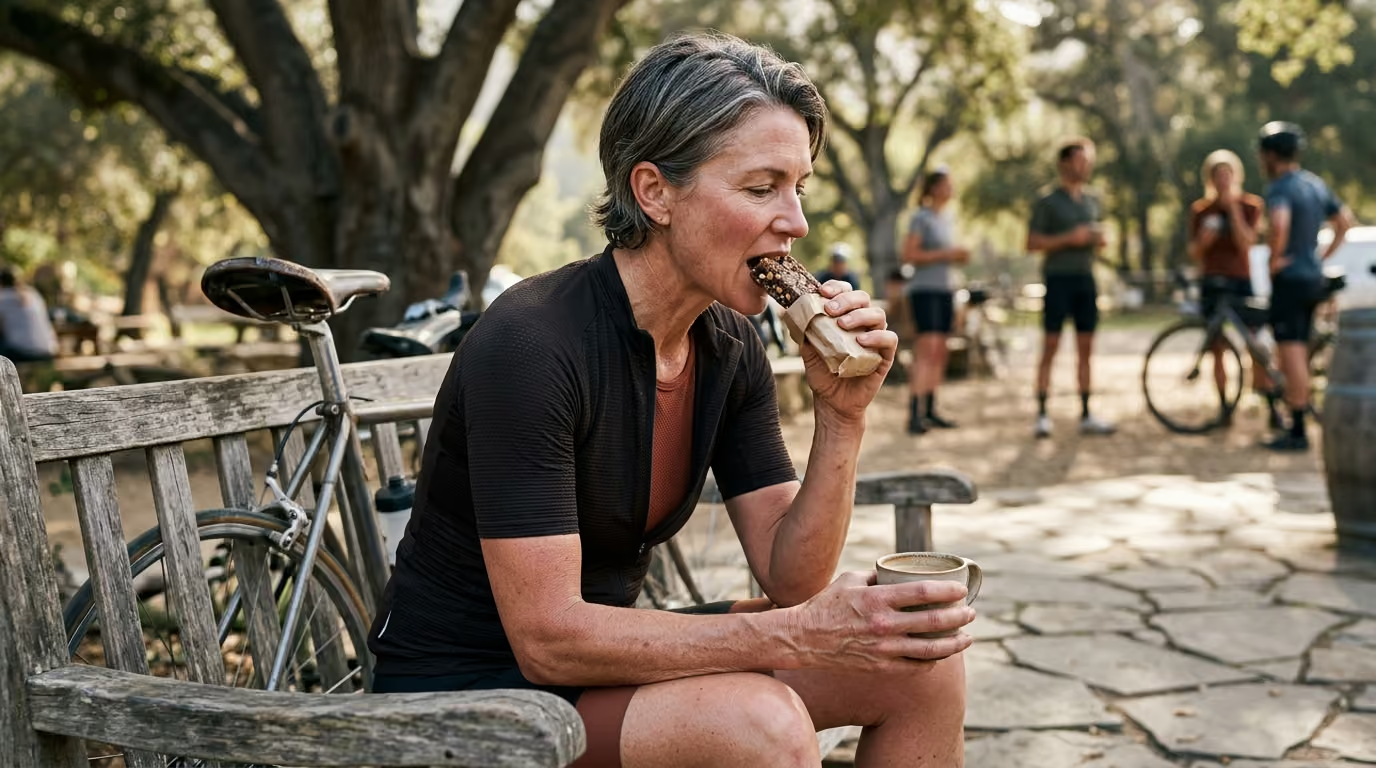
Many athletes prefer regular brewed coffee or espresso as part of their pre-race routine. Coffee contains antioxidants, polyphenols, and other bioactive compounds alongside caffeine.
The primary challenge with brewed coffee is dosage variability. A standard cup of drip coffee can contain anywhere from 80 to 200 milligrams of caffeine depending on the bean type, grind size, and brewing method. Furthermore, coffee contains chlorogenic acids that stimulate gastric motility, which can trigger urgent bowel movements before a race.
Energy gels and chews formulated for endurance sport often contain between 25 and 100 milligrams of caffeine per serving. These products combine fast-acting carbohydrates with stimulants.
Gels are convenient for mid-race consumption because they require no preparation and fit easily into running belts or bike jerseys. The caffeine in gels is absorbed through the stomach and intestines alongside simple sugars, providing a dual source of physical and neural energy.
Caffeinated gums and dissolvable mints offer a distinct physiological advantage regarding absorption speed. When you chew caffeinated gum, a significant portion of the caffeine is absorbed directly through the oral mucosa in your mouth.
Studies show that caffeine delivered via chewing gum reaches meaningful blood concentrations within 10 to 15 minutes. This rapid uptake bypasses the slower digestive tract, making gum an exceptional tool for quick tactical surges or late-race fatigue management.
Understanding the characteristics of each format helps you choose the right tool for specific scenarios.
Timing caffeine intake correctly ensures peak blood levels coincide with the most demanding phases of your workout or race. Caffeine pharmacokinetics dictate how you should schedule your intake.
When using pills, coffee, or standard sports nutrition products, consume your primary dose 45 to 60 minutes before the start of exercise. This allows sufficient time for gastric emptying, intestinal absorption, and circulation to the brain.
If you are participating in a short, high-intensity event like a 5k or 10k run, take your entire target dose during this pre-race window. The race will conclude while your blood caffeine levels are near their absolute peak.
For endurance events lasting longer than two hours, a single pre-race dose may wear off before you reach the finish line. Caffeine has an elimination half-life of roughly three to five hours in healthy adults, but circulating levels begin to drop noticeably after two hours.
A micro-dosing strategy involves taking smaller amounts of caffeine at regular intervals throughout the event. For example, an athlete might consume 25 to 50 milligrams of caffeine every 45 to 60 minutes after the first hour of racing.
This approach maintains a stable concentration of caffeine in the bloodstream. It prevents the sharp mental crash that can occur when a large pre-race dose metabolizes during the second half of an event.
In ultra-endurance running, long-course triathlons, or gravel cycling races exceeding four hours, save caffeinated products for the final third of the event. Fatigue accumulates progressively in these events, making central nervous system support most valuable near the end.
Starting an eight-hour race with heavy caffeine intake can lead to elevated heart rates and stomach upset during the middle hours. Delaying your first caffeinated gel until hour four or five provides a strong mental lift precisely when motivation begins to falter.
Integrating your timing protocols with structured training and performance guidance ensures you test these strategies well before race day arrives.
A common concern among endurance athletes is whether daily coffee consumption blunts the performance-enhancing effects of caffeine. If you drink three cups of coffee every morning, will a pre-race gel still work?
Research indicates that chronic caffeine intake causes the brain to create additional adenosine receptors. This upregulation is the biological basis of caffeine tolerance. With more receptors present, the same amount of caffeine blocks a smaller percentage of total receptor sites.
However, modern sports science studies show that habitual users still experience significant performance benefits from acute caffeine supplementation. A comprehensive study by Gonçalves and colleagues published in the Journal of Applied Physiology tested low, moderate, and high habitual caffeine consumers.
The researchers found that all three groups experienced comparable performance improvements from an acute pre-exercise dose of caffeine. Habitual consumption did not eliminate the ergogenic benefit, provided the acute dose was sufficient.
In the past, coaches often recommended that athletes completely eliminate caffeine for one to two weeks before a major competition. The theory was that a washout period would reset adenosine receptors and maximize the punch of race-day caffeine.
Contemporary research suggests this practice carries substantial risks. Caffeine withdrawal causes well-documented side effects, including severe headaches, irritability, lethargy, muscle stiffness, and gastrointestinal changes.
If an athlete suffers through withdrawal symptoms during their taper week, their sleep quality, mood, and training readiness deteriorate. Any slight theoretical increase in receptor sensitivity on race day is often offset by the negative impacts of a miserable withdrawal week.
If you are a regular coffee drinker, you do not need to undergo an extreme withdrawal period before your target race. Instead, follow these sensible guidelines:
While caffeine provides substantial neuromuscular benefits, it can create challenges for the digestive and cardiovascular systems. Managing these side effects is critical for endurance athletes.
Caffeine stimulates the release of gastrin, a hormone that speeds up motility in the stomach and colon. It also stimulates gastric acid production.
In endurance sports, blood flow is diverted away from the gut to support working muscles. Combining reduced digestive blood flow with caffeine-induced gastric motility can lead to cramping, acid reflux, nausea, and urgent diarrhea.
Athletes who are prone to digestive issues should avoid acidic brewed coffee on race morning. Pure anhydrous caffeine tablets or low-volume sports gels are far gentler on the stomach lining.
Caffeine stimulates the adrenal glands to release epinephrine and norepinephrine, commonly known as adrenaline and noradrenaline. These hormones increase heart rate, elevate blood pressure, and heighten alertness.
In nervous athletes, pre-race adrenaline combines with caffeine to produce resting heart rates well above normal. This heightened sympathetic nervous system state can cause trembling hands, shallow breathing, and acute pre-race anxiety.
If you notice excessive jitteriness or racing thoughts after taking caffeine, your dose is too high. Scale back to a low-dose protocol of 1 to 2 milligrams per kilogram to maintain mental composure.
A persistent myth in endurance sports suggests that caffeine causes severe dehydration and electrolyte imbalances during exercise. Caffeine is a mild diuretic when consumed at rest by non-habitual users.
However, extensive research by Dr. Douglas Armstrong and other exercise physiologists has thoroughly debunked this concern during athletic performance. During exercise, the release of catecholamines and antidiuretic hormone blunts the diuretic effect of caffeine.
Numerous clinical trials confirm that consuming moderate amounts of caffeine before or during exercise does not increase fluid loss or impair thermoregulation. You can safely consume caffeine in hot environments without increasing your risk of heat illness, provided your overall hydration strategy is sound.
Performance in endurance sport is fundamentally limited by your ability to recover from training stress. Sleep is the single most powerful recovery tool available to athletes. Improper caffeine use can quietly compromise sleep architecture.
The human body clears caffeine slowly through the liver. The average half-life of caffeine in healthy adults ranges between three and seven hours.
If you consume 200 milligrams of caffeine at 3:00 PM to power an afternoon interval session, roughly 100 milligrams remain active in your system at 9:00 PM. By midnight, around 50 milligrams continue to circulate and bind to adenosine receptors in your brain.
Even if you can fall asleep with caffeine in your bloodstream, the quality of that sleep is fundamentally altered.
Caffeine consumption close to bedtime disrupts normal sleep architecture. Polysomnography studies show that caffeine reduces total sleep time and delays sleep onset.
Critically, caffeine significantly decreases the amount of slow-wave sleep, also known as deep sleep. Slow-wave sleep is the stage during which the pituitary gland releases human growth hormone. This hormone facilitates muscle tissue repair, bone remodeling, and systemic recovery from training stress.
Caffeine also fragments sleep, causing subtle micro-awakenings that you may not consciously remember. Over weeks and months, this chronic loss of deep sleep undermines physiological adaptations and increases injury risk. Exploring dedicated recovery and mobility resources can help you build evening routines that protect your restorative rest.
To protect your sleep architecture and long-term recovery, establish a strict caffeine curfew based on your bedtime.
As athletes move past age forty and fifty, physiological changes alter how the body processes stimulants. Masters athletes must account for these shifts when designing a caffeine strategy.
Caffeine is metabolized in the liver primarily by an enzyme called CYP1A2. As we age, liver volume and hepatic blood flow naturally decrease.
This reduction in liver clearance rates means caffeine often has an extended half-life in older adults. A dose that cleared your system in four hours when you were twenty-five years old might take six or seven hours to clear at age fifty-five.
Masters athletes often discover that their tolerance for late-day coffee disappears. An afternoon espresso that once felt harmless can lead to hours of tossing and turning at night.
Arterial stiffness increases naturally with age, leading to higher baseline systolic blood pressure in many adults over forty. Caffeine temporarily increases peripheral vascular resistance, causing a transient rise in blood pressure.
While this elevation is generally harmless in young athletes with compliant arteries, it warrants attention in older endurance competitors. Masters athletes with hypertension or cardiovascular risk factors should monitor their blood pressure response to high caffeine doses.
For these individuals, lower doses of 1 to 2 milligrams per kilogram offer an ideal compromise. They provide mental clarity and reduce perceived effort without triggering excessive cardiovascular strain.
Sleep architecture changes naturally across the lifespan. Older adults experience an age-related decline in natural slow-wave sleep and more frequent nocturnal awakenings.
Because baseline sleep quality becomes more fragile with age, the disruptive effects of caffeine are amplified. An older athlete cannot afford the recovery deficit caused by evening stimulants. Masters competitors must be exceptionally disciplined with their caffeine cutoff times to maintain training consistency.
Balancing hard training with physiological aging requires a thoughtful approach. Reviewing healthy aging resources can provide valuable context on adapting your performance habits over time.
Even experienced endurance athletes make fundamental errors when utilizing caffeine. Avoiding these common pitfalls will save your stomach and protect your race results.
The most frequent mistake in endurance sports is introducing high-dose caffeine on race morning without prior testing. Athletes often buy specialty caffeinated gels at race expos and consume them during the event.
Race day brings elevated psychological stress, altered morning routines, and reduced gut blood flow. Adding an unfamiliar stimulant dose to this environment frequently causes severe stomach cramps, nausea, and emergency bathroom stops. Always test your exact race-day caffeine products during demanding training sessions weeks in advance.
Caffeine provides a temporary sensation of energy by stimulating the brain, but it contains zero caloric value. It cannot replace carbohydrates.
Some athletes mistakenly use caffeine to suppress appetite or push through long workouts on inadequate glycogen stores. While caffeine can temporarily hide feelings of fatigue, it cannot prevent the sudden physiological collapse known as bonking. Caffeine must always complement adequate carbohydrate intake, never replace it.
Many modern sports nutrition products contain hidden or unexpected caffeine. Pre-workout drinks, energy gels, electrolyte tablets, and recovery bars often include added stimulants.
Athletes who take a pre-workout drink, sip a caffeinated hydration mix on the bike, and consume caffeinated gels on the run can easily exceed safe intake levels. Stacking products unintentionally can push your total dose beyond 6 milligrams per kilogram, leading to severe tremors and digestive distress.
Always read ingredient labels carefully and calculate the cumulative milligrams of caffeine across all products you plan to consume during a session.
In ultra-marathons and long-distance cycling events, athletes sometimes consume large doses of caffeine at the starting line. High early doses elevate your heart rate and accelerate gastric emptying when pacing should be conservative.
When that initial surge wears off several hours later, the resulting mental fatigue feels twice as severe. Save your caffeine reserves for the back half of ultra-distance events when genuine neuromuscular and mental fatigue sets in.
Using caffeine to power through workouts when suffering from chronic sleep deprivation is a dangerous cycle. Caffeine masks adenosine buildup, tricking you into feeling alert while your muscular and hormonal systems remain unrecovered.
Pushing through hard training sessions on artificial alertness increases your risk of overuse injuries and systemic overreaching. If you are chronically exhausted, prioritize an extra hour of sleep over an extra scoop of pre-workout powder.
Because individual genetic variations in the CYP1A2 and ADORA2A genes influence caffeine metabolism, responses vary widely from athlete to athlete. You must systematically test protocols to find what works for your unique physiology.
The best environment to evaluate caffeine is a structured, race-pace workout such as a long tempo run or a sustained sweet-spot cycling interval session.
Compare how your perceived effort and heart rate varied across the three sessions. An effective protocol will show a lower RPE at the same heart rate and output without causing digestive discomfort.
When experimenting with caffeine timing and dosage, closely monitor objective recovery markers over the subsequent 48 hours.
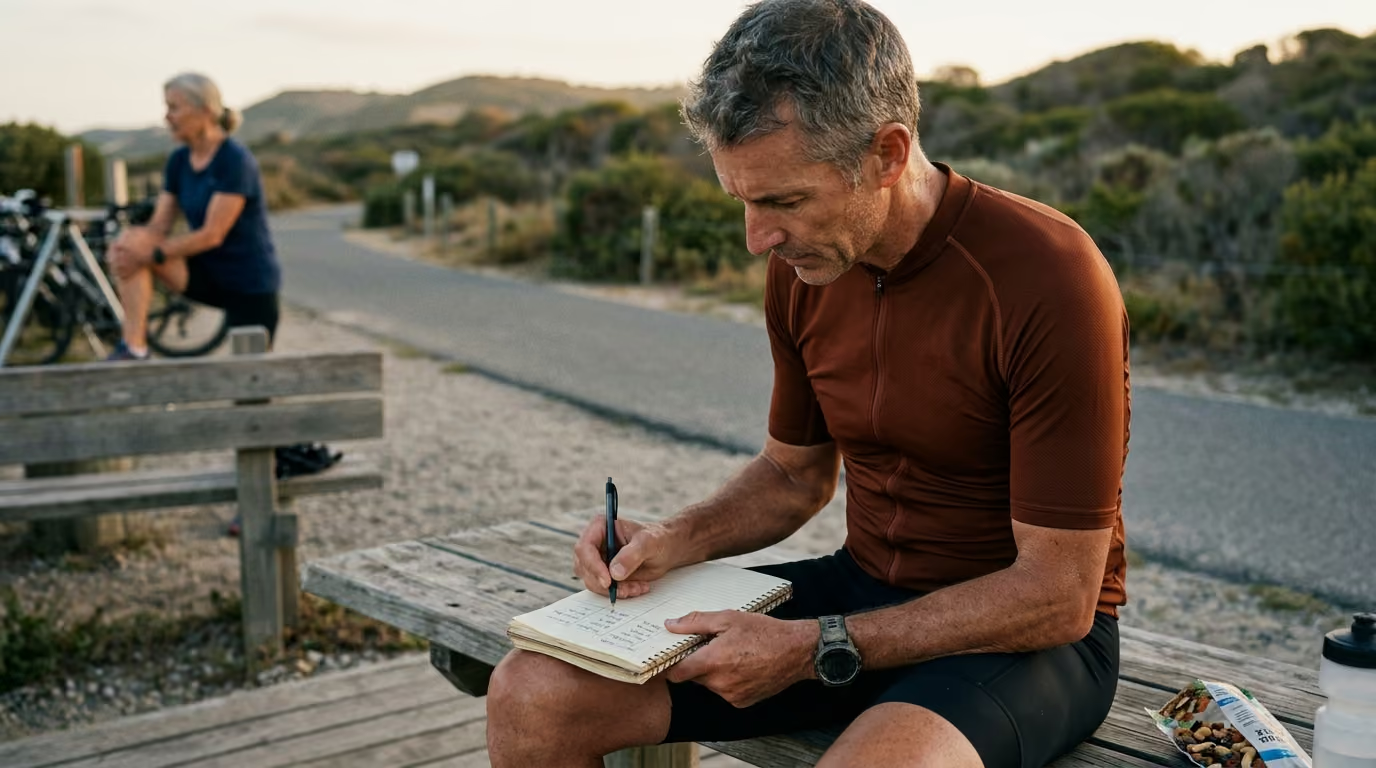
Documenting these experiments in your training log allows you to refine your fueling strategy with scientific rigor. For broader perspectives on structuring your overall athletic year, browse through our endurance training blog for additional performance frameworks.
To implement caffeine safely and effectively, use this quick reference framework for your training and racing:
Revisit this guide whenever you transition to a new race distance, adjust your target training volume, or notice changes in your sleep quality. Re-evaluating your caffeine protocols is especially important if you experience unexplained gastrointestinal distress during races or find yourself relying on stimulants to compensate for accumulated fatigue.
Using caffeine as a precision tool rather than a daily crutch ensures you gain every physiological advantage while protecting your long-term health and athletic longevity.

Follow ReEndure for practical insights on endurance training, recovery, nutrition and healthy aging. Stay connected for new articles, research led guidance and ideas to help you perform better for longer.


Read practical ideas on endurance training, recovery, nutrition and healthy aging to keep progressing for years to come.
Read the Blog