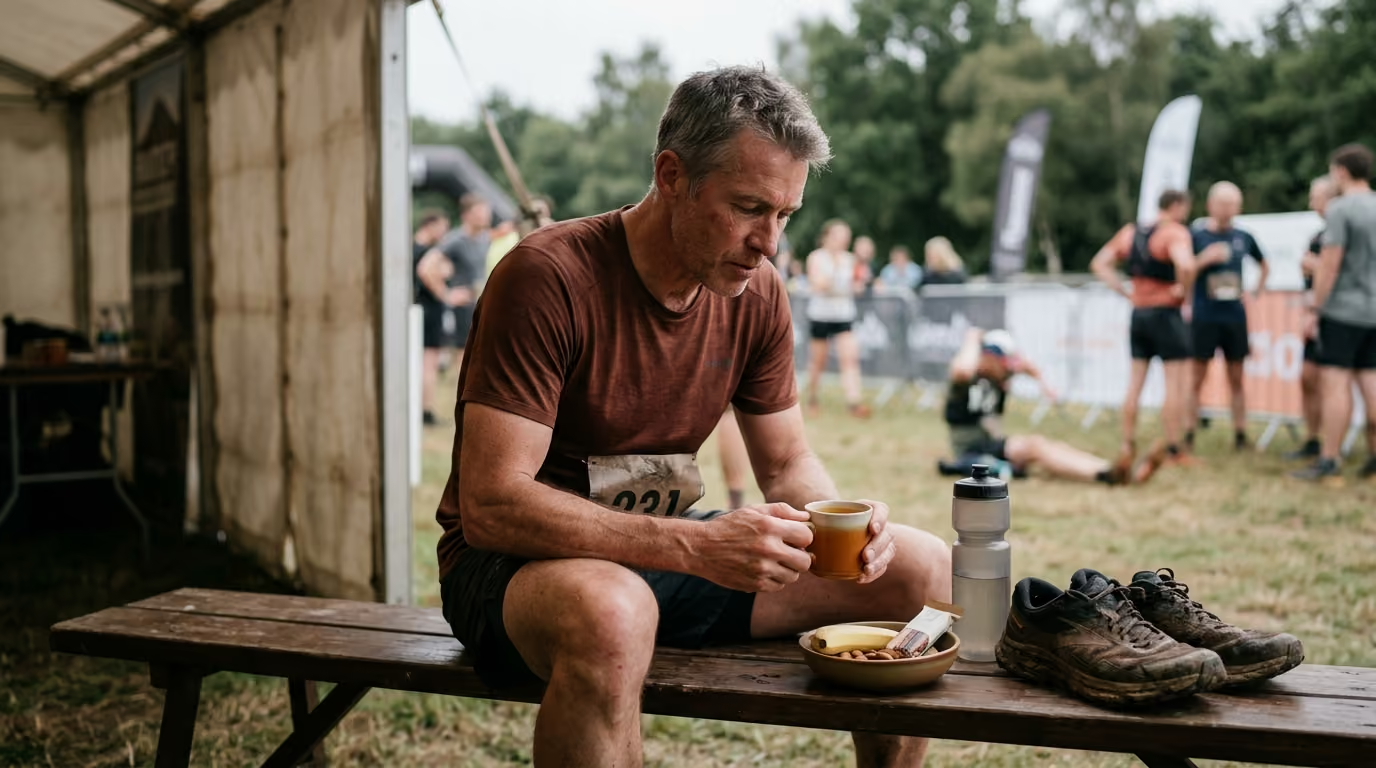

Ninety percent of muscle glycogen is often depleted during hard endurance racing, making a multi-day post-race nutrition strategy essential for full muscular recovery.





Post-race nutrition is not an isolated celebratory meal, nor is it an emergency thirty-minute window where you must consume specific powders to avoid muscular collapse. Instead, post-race nutrition is a systematic, multi-day physiological protocol designed to restore cellular homeostasis, repair damaged skeletal muscle, replenish depleted substrate stores, and resolve systemic inflammation.
When you cross the finish line of a marathon, ultra-marathon, or long-course triathlon, your internal environment is severely altered. Your muscle and liver glycogen levels are near zero, your plasma volume is contracted, and your muscle fibers carry thousands of micro-tears. The choices you make at the aid station, in the hours following the event, and across the subsequent four to six days dictate how quickly you restore normal function.
This guide examines the physiological mechanisms of race-induced fatigue and provides a precise, evidence-based nutrition protocol for the hours and days following a major endurance event. You will learn how to overcome post-exercise appetite disruption, rehydrate effectively without inducing hyponatremia, support cellular repair through targeted macronutrient timing, and safely transition your diet as your training volume temporarily drops.
The finish line of an endurance event presents a striking physical scene. Athletes stumble across the timing mats with salt-stained jerseys, glassy eyes, and unstable legs. Some experience sudden shivers despite warm ambient temperatures, while others lean over barriers to fight off nausea. These outward presentations reflect severe internal disruption.
During multiple hours of continuous exertion, your body experiences significant metabolic, mechanical, and hormonal stress. Skeletal muscles preferentially oxidize intra-muscular glycogen, the stored form of glucose. Research indicates that prolonged endurance exercise depletes up to ninety percent of these stores, leaving both slow-twitch and fast-twitch fibers starved of immediate energy. Liver glycogen, which regulates blood glucose homeostasis and supplies the central nervous system, undergoes similar depletion.
Simultaneously, mechanical strain and eccentric muscle contractions cause widespread micro-trauma to myofibrils. This structural damage triggers an acute inflammatory cascade characterized by the release of pro-inflammatory cytokines such as interleukin-6 and tumor necrosis factor-alpha. While this inflammatory response is essential for long-term adaptation, its acute peak creates swelling, localized soreness, and temporary loss of contractile force.
Systemic blood flow is also heavily redistributed during hard racing. To dissipate heat and supply working muscles, cardiac output shifts away from the splanchnic organs. This temporary gut hypoperfusion compromises the integrity of the intestinal mucosal barrier. As a result, the gastrointestinal tract becomes hyper-permeable and sensitive, which explains why many athletes struggle to process solid foods immediately after finishing. Understanding these physiological disruptions is the first step toward implementing effective structured athletic recovery protocols.
A frequent paradox of endurance racing is the complete absence of hunger despite a massive caloric deficit. An athlete might burn between three thousand and six thousand calories during an event, yet the thought of chewing a solid meal thirty minutes after finishing can trigger intense nausea. This phenomenon is known clinically as exercise-induced anorexia.
Exercise-induced anorexia is driven by complex neuroendocrine alterations. High-intensity and prolonged endurance exercise suppresses acylated ghrelin, the primary circulating hormone that stimulates hunger. At the same time, prolonged physical exertion significantly increases circulating levels of satiety-inducing peptides, including peptide YY, glucagon-like peptide-1, and pancreatic polypeptide.
Thermal stress and nervous system state also play major roles. Elevated core body temperature directly suppresses appetite centers within the hypothalamus. Furthermore, the finish line environment keeps the sympathetic nervous system dominant, maintaining elevated levels of circulating epinephrine and norepinephrine. This fight-or-flight state actively downregulates digestive processes, including gastric motility and saliva production.
To navigate this temporary appetite disruption, athletes should avoid forcing heavy solid foods into a compromised stomach. The practical solution involves consuming cool, semi-liquid or liquid carbohydrates and proteins that require minimal mechanical digestion. Liquid nutrients bypass gastric delays more easily and help lower internal core temperature without triggering nausea.
Restoring fluid balance after a race requires far more than drinking plain water when you feel thirsty. During sustained racing, an athlete can lose between one and three liters of sweat per hour, depending on ambient temperature, humidity, and individual sweat rates. Along with water, sweat carries substantial quantities of electrolytes, predominantly sodium and chloride, with smaller amounts of potassium, magnesium, and calcium.
If you attempt to rehydrate by drinking large volumes of plain water, you dilute the extracellular sodium concentration. This dilution triggers the kidneys to excrete water through increased urine output, worsening dehydration. In severe cases, over-consuming plain water without adequate sodium leads to exercise-associated hyponatremia, a potentially life-threatening clinical condition.
Effective rehydration relies on replacing both water and sodium in precise ratios. Scientific consensus from sports medicine organizations recommends consuming 125 to 150 percent of the total body mass lost during the race over the first two to four hours of recovery. The additional 25 to 50 percent accounts for ongoing obligatory urine losses and post-exercise sweating.
To ensure fluid retention, rehydration fluids must contain between 500 and 1,000 milligrams of sodium per liter of water. Alternatively, athletes can consume sodium-dense foods alongside plain water. Salted pretzels, broth, and electrolyte-rich recovery drinks provide the osmotic gradient necessary for the small intestine to absorb fluid rapidly via sodium-glucose cotransporters. Mastering these fluid balance fundamentals is a cornerstone of evidence-based endurance nutrition.
Post-race macronutrient intake must address two distinct biological tasks: the resynthesis of muscle and liver glycogen, and the stimulation of muscle protein synthesis for tissue repair. Treating both goals systematically optimizes the rate of cellular recovery.
Glycogen resynthesis occurs in two distinct phases. The first phase is the insulin-independent phase, lasting roughly thirty to sixty minutes post-exercise. During this window, low intracellular energy levels and high concentrations of glucose transporter type 4 (GLUT4) at the cell membrane allow rapid glucose uptake into muscle cells without requiring insulin. The second phase is insulin-dependent, where glycogen synthase activity remains elevated for several hours, provided carbohydrate availability remains high.
To maximize the rate of muscle glycogen storage, you should consume 1.0 to 1.2 grams of carbohydrate per kilogram of body weight per hour during the first four hours post-race. High-glycemic carbohydrates such as maltodextrin, dextrose, white rice, and fruit purees are ideal during this window because they enter the bloodstream rapidly.
Muscle protein synthesis requires an adequate supply of essential amino acids, particularly leucine. Prolonged endurance racing elevates muscle protein breakdown. To shift the net muscle protein balance from negative to positive, consume 0.3 to 0.4 grams of high-quality protein per kilogram of body weight within the initial recovery window, followed by similar doses every three to four hours.
Co-ingesting protein with carbohydrates provides an added physiological benefit. The amino acids stimulate an enhanced insulin response, which further accelerates glycogen storage while simultaneously initiating myofibrillar repair.
The post-race alcoholic beverage is a longstanding social tradition in running, cycling, and triathlon communities. However, from an applied sports science perspective, ethanol directly opposes almost every physiological recovery process.
First, alcohol inhibits muscle protein synthesis. Research shows that consuming alcohol following strenuous exercise reduces myofibrillar protein synthesis by twenty-four to thirty-seven percent, even when co-ingested with optimal amounts of protein. Ethanol impairs the activation of the mammalian target of rapamycin (mTOR) signaling pathway, blunting the intracellular machinery responsible for repairing structural micro-tears in muscle fibers.
Second, alcohol disrupts rehydration and cardiovascular recovery. Ethanol acts as a peripheral vasodilator and inhibits the release of arginine vasopressin, the anti-diuretic hormone produced by the pituitary gland. This inhibition increases renal water output, counteracting the body's efforts to retain fluid and restore normal plasma volume.
Third, alcohol interferes with normal sleep architecture. While alcohol may reduce the time it takes to fall asleep, it significantly suppresses rapid eye movement (REM) sleep and disrupts slow-wave sleep. Slow-wave sleep is the stage during which human growth hormone is secreted in highest concentrations to facilitate tissue repair.
If you choose to drink alcohol after an event, implement a harm-reduction approach. Rehydrate fully with water and electrolytes first, and consume a balanced meal containing carbohydrates and protein before having an alcoholic drink. Limit your intake to one standard drink, and ensure you finish drinking several hours before going to bed.
Post-race recovery extends far beyond the immediate finish area. Restoring systemic balance requires a structured nutritional framework spanning the seventy-two hours following the race. This timeline can be divided into four distinct phases.
The priority during this phase is rehydration, electrolyte replacement, and providing easily digestible carbohydrates and protein without distressing the gut.
As splanchnic blood flow normalizes and core temperature drops, your digestive tract becomes receptive to solid foods. The goal is to sustain glycogen resynthesis and provide amino acids for muscle repair.
During this secondary phase, acute glycogen stores are largely replenished, and the focus shifts toward cellular repair, micronutrient replenishment, and systemic inflammation modulation.
As acute muscular soreness subsides and training volume remains low, you must adjust total caloric intake to match your reduced energy expenditure. Continuing to eat at race-week volumes during a complete rest week leads to unwanted fat accumulation.
Endurance athletes over the age of forty face distinct physiological recovery dynamics compared to their younger peers. The aging process introduces specific metabolic changes that require targeted adjustments to post-race fueling protocols. These considerations are critical for maintaining nutritional needs for masters athletes.
The most prominent physiological change is anabolic resistance. With advancing age, skeletal muscle tissue exhibits a blunted response to both hyperaminoacidemia (circulating amino acids) and hyperinsulinemia. A protein dose of twenty grams that fully stimulates muscle protein synthesis in a twenty-five-year-old athlete is often insufficient for a fifty-five-year-old athlete.
Masters athletes require higher per-meal doses of protein to achieve the same muscle-repair stimulus. Research indicates that older athletes should target 0.40 to 0.45 grams of protein per kilogram of body weight per meal, with an absolute leucine content of at least 3.0 to 3.5 grams. This equates to thirty-five to forty-five grams of high-quality protein per feeding.
Older athletes also experience changes in fluid and electrolyte balance. Aging is associated with a blunted thirst sensation, reduced renal concentrating capacity, and subtle declines in total body water percentage. Consequently, masters athletes often finish races in a deeper relative dehydration state and take longer to re-establish fluid balance. Relying on thirst alone is inadequate; masters athletes must follow a structured, scheduled rehydration plan using verified weight metrics.
Finally, older athletes face elevated baseline oxidative stress and slower microvascular remodeling. To support capillary repair and reduce secondary muscle damage, masters competitors benefit significantly from a higher dietary intake of polyphenols, tart cherry concentrate, and long-chain omega-3 fatty acids during the four days following a competition.
Even experienced endurance athletes make significant nutritional errors following a target race. These mistakes can prolong systemic fatigue, impair gastrointestinal recovery, and cause unnecessary metabolic distress.
Finishing a major race is a huge achievement, but viewing it as a license to consume ultra-processed foods can backfire. High-fat, greasy fast foods delay gastric emptying, reduce the efficiency of glycogen resynthesis, and trigger gastrointestinal distress in an already inflamed digestive tract. Enjoy celebratory meals, but ensure your initial recovery needs for clean carbohydrates, lean protein, and electrolytes are met first.
Some athletes worry about weight gain during their post-race rest week and drastically cut their calorie intake twenty-four hours after the race. This severe deficit deprives the body of the energy needed for cellular repair, bone remodeling, and immune system recovery. Keep total calories near maintenance for at least four to five days post-race before adjusting for reduced training volume.
Drinking multiple liters of plain water without sufficient sodium drops plasma osmolarity, suppresses thirst prematurely, and stimulates excessive urination. In severe cases, it can cause exercise-associated hyponatremia. Always pair recovery water with sodium-rich foods or dedicated electrolyte formulations.
Eating high-fiber foods immediately post-race can irritate a sensitive gut, while avoiding fiber and vegetables for days afterward deprives the body of essential micronutrients and antioxidants. Avoid heavy fiber in the first two to four hours, then steadily reintroduce colorful vegetables, berries, and whole grains over the next forty-eight hours to support your microbiome and reduce systemic inflammation.
Evaluating the effectiveness of your post-race recovery strategy requires looking beyond subjective feelings of tiredness. Monitoring specific physiological biomarkers and objective metrics reveals whether your cellular repair, rehydration, and glycogen replenishment are proceeding on schedule. These insights help secure long-term performance gains across successive racing seasons.
You should avoid non-steroidal anti-inflammatory drugs (NSAIDs) such as ibuprofen and naproxen immediately after a race. NSAIDs inhibit cyclooxygenase (COX) enzymes, which blunts the natural muscle repair cascade and can impair kidney function when plasma volume is low. Additionally, NSAIDs increase intestinal permeability, worsening exercise-induced gastrointestinal damage. Rely instead on proper nutrition, hydration, and active recovery to manage post-race soreness.
Post-race diarrhea and cramping are usually caused by splanchnic hypoperfusion, carbohydrate malabsorption, or mechanical jostling of the intestines. If your stomach is upset, avoid solid foods, dairy, high-fat items, and caffeine. Stick to small, frequent sips of an oral rehydration solution, diluted fruit juices, and simple starch broths until your gut settles. Once cramping subsides, introduce gentle foods such as bananas, plain white rice, applesauce, and toast before returning to balanced solid meals.
No. Fasting or restricting carbohydrates immediately after an endurance race is counterproductive. Your body is in a catabolic, depleted state with elevated cortisol levels and broken-down muscle tissue. Depriving your system of carbohydrates and amino acids prolongs muscle breakdown, delays glycogen storage, and suppresses immune function. Prioritize nutrient-dense re-feeding to shift your body into an anabolic, restorative state.
If you normally practice intermittent fasting, pause the protocol for at least seventy-two hours following a marathon, ultra-marathon, or long-course triathlon. Restricting your eating window directly interferes with the regular amino acid feedings (every three to four hours) required to treat anabolic resistance and repair damaged muscle tissue. Resume your regular fasting schedule only after your resting heart rate, morning body weight, and muscle soreness have fully returned to baseline.

Follow ReEndure for practical insights on endurance training, recovery, nutrition and healthy aging. Stay connected for new articles, research led guidance and ideas to help you perform better for longer.


Read practical ideas on endurance training, recovery, nutrition and healthy aging to keep progressing for years to come.
Read the Blog