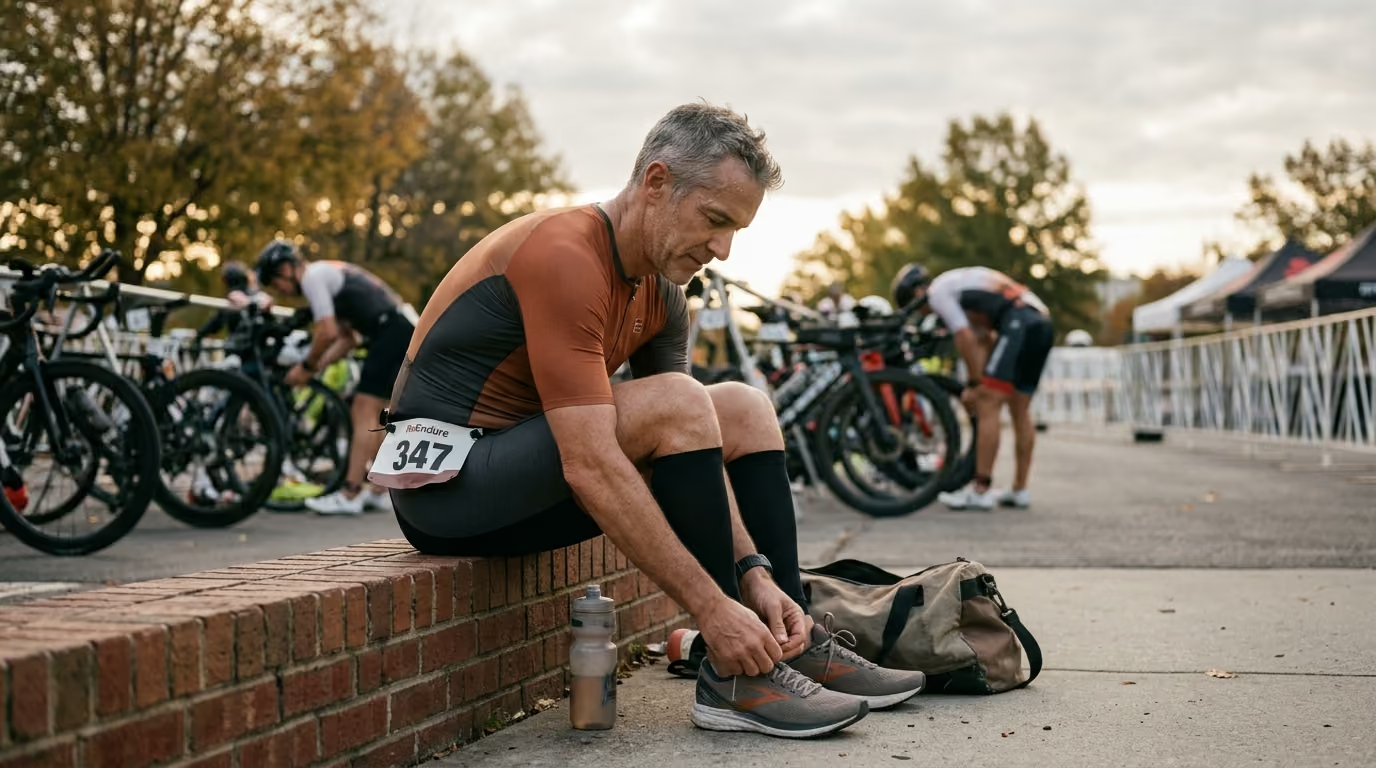

Structured endurance race-day routines optimize metabolic priming, reduce pre-race anxiety, and establish a reliable morning timeline for peak performance.





A race-day routine is a deliberate sequence of physical and psychological actions designed to optimize physiological readiness and lower autonomic stress. It is not an inflexible collection of superstitions or a magical safeguard against difficulty. When executed correctly, a routine preserves mental energy, regulates your nervous system, and ensures that your physical preparation translates into steady performance.
Many endurance athletes confuse functional routines with rigid rituals. They wear a specific pair of socks because of a past victory. They panic if traffic delays their breakfast by fifteen minutes. This comprehensive guide examines the sports science behind pre-race preparation, details an actionable timeline from wake-up to the start corral, and explains how to build a flexible protocol that withstands unpredictable race conditions.
A functional performance routine relies on direct physiological and psychological mechanisms. It exists to serve a clear purpose, such as raising muscle temperature, mobilizing joint capsules, or stabilizing blood glucose. In contrast, a superstition relies on perceived control over random external events. A superstition assigns outcome power to an object or an arbitrary sequence of events that has no physical bearing on your aerobic output.
Psychological research categorizes functional routines as behavioral self-regulation strategies. These strategies lower cognitive load by automating mundane choices before an event starts. When you already know when to drink, when to stretch, and when to put on your timing chip, your prefrontal cortex expends minimal energy. Superstitions, however, increase cognitive vulnerability. If a superstitious athlete loses their lucky item, their subjective anxiety spikes, which directly harms endurance efficiency.
Flexible routines build genuine confidence through repeatable habits. They account for delays, weather shifts, and logistical friction without causing psychological collapse. When building your race morning protocol, every single action must justify its place through measurable physiological utility or documented cognitive calming. If an action does not actively prepare your body or steady your focus, remove it from your schedule.
You can study broader approaches to balancing competitive ambition with structured preparation across our racing and lifestyle resources. Developing intentional habits ensures that you arrive at every starting line composed, focused, and ready to execute your race plan.
Consider a common scenario on race morning. An athlete wakes up at four in the morning after six hours of restless sleep. Their heart rate is already ten beats per minute above normal baseline. In a rush of nervous energy, they pace around the hotel room, continually rearrange their hydration pack, and consume a breakfast that sits heavily in their gut. By the time they reach the starting corral, their shoulders are tense, their breathing is shallow, and their early pacing turns frantic within the first mile.
This common breakdown stems directly from autonomic nervous system imbalance. When the brain perceives a high-stakes event, it activates the sympathetic nervous system. This trigger floods the bloodstream with epinephrine and cortisol. While moderate arousal sharpens reaction time and increases glycogen availability, excessive sympathetic tone causes significant physiological problems. It increases peripheral vascular resistance, elevates resting heart rate, and shunts blood flow away from the gastrointestinal tract.
This sudden shift in blood flow explains why nervous athletes frequently suffer from unexpected nausea or cramping before the race even starts. Research published in the International Journal of Sports Physiology and Performance confirms that acute psychological stress impairs running economy and alters perceived exertion. When you feel overwhelmed, your muscles maintain subtle baseline tension. This baseline tension burns through valuable glycogen stores before the gun even sounds.
Furthermore, high anxiety narrows attentional focus. An anxious athlete misses key environmental cues, such as wind direction or aid station spacing. They struggle to maintain the disciplined pacing established during months of training. A structured routine acts as an external anchor. It gives the conscious mind a clear sequence of mechanical tasks, which suppresses erratic thought patterns and restores parasympathetic tone.
Sports science views pre-performance routines as integrated psychophysiological primers. These primers combine metabolic activation, neuromuscular potentiation, and attentional focus strategies. According to cognitive load theory, the human working memory has limited processing capacity. When an athlete faces hundreds of small decisions on race morning, they experience decision fatigue. Automating those decisions preserves cognitive stamina for the difficult middle miles of an event.
From a neuromuscular standpoint, specific warmup habits prime the motor units you will rely on during the race. Dynamic stretching and progressive strides stimulate the central nervous system. This process, known in sports medicine as post-activation potentiation, increases muscle twitch force and enhances cross-bridge cycling within muscle fibers. A proper movement sequence signals your nervous system to recruit high-threshold motor units smoothly without inducing premature metabolic fatigue.
Metabolically, an established routine ensures that liver and muscle glycogen levels remain stable. Ingesting carbohydrates at precise intervals prevents reactive hypoglycemia. It also gives the digestive tract adequate time to clear solid food. Controlled breathing exercises embedded in your routine stimulate the vagus nerve. Vagal nerve stimulation slows the heart rate, reduces blood pressure, and improves heart rate variability, allowing you to conserve glycogen for when the race truly demands it.
To refine your training and movement mechanics ahead of race day, review our training and performance guides. Understanding the physiological foundation of movement preparation helps you separate vital physical primers from useless nervous habits.
A reliable race-day timeline works backward from the official start time. It builds in generous buffers for unexpected disruptions like transportation delays, long restroom lines, or gear adjustments. The goal is to move methodically through distinct preparation phases without ever needing to sprint or rush.
Your primary objective during this phase is to restore liver glycogen depleted during overnight sleep. Wake up three to four hours before your start time. Drink sixteen to twenty ounces of water containing light electrolytes to rehydrate your tissues. Consume a familiar, low-fiber, high-carbohydrate meal providing one to two grams of carbohydrate per kilogram of body weight.
Do not experiment with new foods or local hotel buffet items. Stick to easily digestible sources such as oatmeal with maple syrup, white rice with a light protein source, or white toast with a thin spread of nut butter. Keep dietary fat and protein moderate to ensure rapid gastric emptying. Once you finish eating, dress in your base racing kit and complete your primary personal hygiene tasks.
Arrive at the race venue well ahead of the mass crowds. This window accounts for parking congestion, security checks, and locating portable restrooms. Scan the venue to identify key landmarks, including the baggage drop, medical tents, and the path to your specific starting corral. Familiarizing yourself with the physical space reduces subconscious spatial anxiety.
Use this time to drop off your dry post-race bag. Keep an old throwaway layer of clothing on if the morning air is cold. Vasoconstriction caused by shivering wastes muscle glycogen and strains connective tissues. Stay off your feet as much as possible during this stage. Sit on a bench or a warm blanket rather than pacing around the vendor village.
Begin your physical warm-up thirty to forty-five minutes before your wave starts. For long endurance events like marathons or long-course triathlons, your warm-up should be brief and low-intensity to conserve metabolic fuel. For shorter, higher-intensity events like 5Ks or sprint triathlons, your warm-up must be more vigorous to prepare your anaerobic pathways.
Start with five minutes of easy walking or light jogging to increase core body temperature. Follow this with dynamic mobility movements targeting the hips, ankles, and thoracic spine. Perform leg swings, walking lunges with an overhead reach, high knees, and ankle circles. Conclude this phase with two to three short running strides at your target race pace to activate fast-twitch muscle fibers.
Enter your designated starting corral fifteen to twenty minutes before the start. Take small sips of water if your mouth feels dry from adrenaline. If your fueling protocol calls for a pre-race carbohydrate boost, consume a single energy gel five to ten minutes before the start gun. This timing ensures the glucose enters your bloodstream just as exercise begins, preventing an insulin spike while you are stationary.
Use these final minutes to practice controlled box breathing. Inhale through your nose for four counts, hold for four counts, exhale through your mouth for four counts, and hold for four counts. This breathing rhythm regulates carbon dioxide levels in the blood and dampens excessive adrenaline. Stand tall, relax your jaw, and let your pre-race mental cues anchor your focus on early pacing discipline.
Making decisions on race morning depletes mental energy that you need for race execution. Preparing every piece of equipment the afternoon before eliminates cognitive friction. Lay out your complete racing uniform, shoes, socks, timing chip, bib number, and GPS watch on a flat surface. Take a photograph of the layout to give yourself visual confirmation that nothing has been omitted.
Inspect all mechanical equipment methodically. If you are cycling, check tire pressure with an accurate gauge, ensure your chain is cleaned and lubricated, and verify that your shifting batteries are fully charged. If you are running, check your lace tension and apply anti-chafe balm to high-friction areas such as underarms, inner thighs, and sports bra seams. Thread your safety pins through your bib or attach it securely to your race belt.
Weather unpredictability requires a structured contingency protocol. Prepare three separate bags: one for hot weather, one for rain, and one for cold conditions. Include items such as light running gloves, a waterproof cap, or clear lens glasses. Having these items organized in advance prevents panic if a sudden rain shower appears two hours before the start.
You can learn more about gear maintenance and setup protocols by reading through our gear and technology guides. Standardizing your gear layout turns race preparation into a calm, mechanical checklist rather than an emotional scramble.
Nutrition rituals must serve physiological needs rather than emotional habits. The purpose of pre-race nutrition is twofold: fully saturate muscle and liver glycogen stores and establish optimal fluid-electrolyte balance. It is not an opportunity to load up on exotic supplements or drastically alter your regular dietary macronutrient distribution.
Hydration should begin days in advance rather than hours before the start. Chugging excessive plain water on race morning does not hydrate muscle tissue effectively. Instead, it dilutes blood sodium levels and triggers frequent urination. Sip a balanced electrolyte solution containing sodium and potassium alongside your morning carbohydrates. Sodium helps your vascular system retain fluid, supporting blood volume and cardiac output during exertion.
Avoid high-fiber cereals, legumes, and heavy fats on race morning. Insoluble fiber increases stool volume in the lower intestine, leading to urgent pit stops during the race. Fat delays stomach emptying, keeping food in your stomach where it causes sloshing and gastrointestinal distress. Select refined, familiar carbohydrate sources like white bagels, cream of rice, or ripe bananas.
To read deeper analyses of fluid dynamics, electrolyte replenishment, and fueling guidelines, visit our fueling and hydration library. Adhering to validated nutritional guidelines protects your digestive tract from the disruptive effects of race-day stress.
The aging process introduces distinct physiological changes that require intentional adjustments to race-day routines. Masters endurance athletes experience changes in connective tissue elasticity, reduced baseline muscle blood flow, and altered thermoregulatory efficiency. A warm-up that worked well at age twenty-five is rarely sufficient at age forty-five or fifty-five.
First, older athletes require a more progressive, gradual physical warm-up. Tendons, ligaments, and joint capsules lose water content with age, making them stiffer when cold. Masters competitors should spend extra time on low-impact dynamic joint mobility before initiating any fast strides. Gentle spinal rotations, controlled hip circles, and calf activation exercises warm the synovial fluid within your joints, protecting against early acute strains.
Second, cardiovascular kinetics change over time. The transition from rest to aerobic steady-state takes longer in older muscle tissue due to slower microvascular vasodilation. A sudden surge in pace at the race start causes a steeper initial oxygen deficit for a masters athlete. A structured warm-up that gently elevates heart rate into zone two allows microvascular pathways to open fully before the race begins.
Third, hepatic metabolism of stimulants like caffeine slows down with age. If you use caffeine on race morning, pay close attention to your dosing timeline. Taking high doses of caffeine too close to the start can trigger cardiac arrhythmias, elevated blood pressure, and severe digestive spasms in older athletes. Dose conservatively and test all caffeine protocols thoroughly during training blocks.
For a comprehensive collection of sports science resources tailored specifically for experienced competitors, check our healthy aging resources. Tailoring your habits to your changing biology allows you to stay competitive while preserving joint integrity and metabolic health.
Even the most dedicated endurance athletes frequently fall into behavioral traps on race morning. Identifying these common errors helps you maintain a flexible mindset when race conditions deviate from your ideal plan.
The most dangerous pitfall is confusing consistency with perfection. If your routine requires a specific brand of toaster, an exact three-minute song, and a private restroom, your routine will fail during travel. When minor logistical delays occur, rigid athletes experience an emotional meltdown that drains mental focus. Build your routine around portable, adaptable steps that you can execute anywhere.
Amateur athletes often mimic the warm-up rituals of elite competitors without considering their physiological context. An elite marathoner running a two-hour-and-ten-minute race might run three miles of hard warm-up strides because their baseline volume exceeds one hundred miles per week. An age-group athlete running a four-hour marathon will simply waste crucial glycogen by running long pre-race warm-up miles. Match your routine to your individual training volume and race duration.
The atmosphere at race expos encourages impulse purchases of new shoes, compression gear, and novel energy gels. Introducing untried clothing or nutritional products on race morning violates the foundational rule of endurance sports. New fabrics cause unexpected chafing, and untested carbohydrate blends frequently trigger severe gastrointestinal distress. Lock in your race-day gear weeks in advance and leave the expo with only your bib number.
If unexpected muscle tightness or joint stiffness occurs during your preparation, explore our recovery and mobility guides. Having reliable mobility movements ready helps you resolve minor physical issues without panicking on race morning.
A race-day routine should not remain static. It requires objective tracking, honest evaluation, and systematic refinement across multiple training cycles and tune-up races. Treat your routine like an ongoing experiment, collecting qualitative and quantitative data after every major event.
Log your resting heart rate and heart rate variability (HRV) on race morning using a reliable wearable sensor. A moderate drop in HRV is normal due to race-day arousal. However, a massive plunge in HRV paired with an elevated resting pulse often indicates severe sympathetic overload or poor pre-race sleep. Compare these objective markers against your subjective anxiety rating on a simple one-to-ten scale.
Evaluate your pacing discipline during the opening miles of the race. If you consistently blow through your target pace in the first fifteen minutes, your pre-race routine failed to regulate your arousal. Conversely, if you feel sluggish, heavy-legged, and struggle to reach race pace, your physical warm-up was likely too short or lacked dynamic activation strides.
Review your gastrointestinal comfort throughout the race. Note any bloating, side stitches, or unexpected restroom stops. Trace those issues back to your wake-up breakfast, your hydration volume, or the timing of your final pre-race gel. Continuously adjusting these variables creates a reliable, personalized race-day protocol that delivers consistent performance under all conditions.
To read about broader athletic methodologies, explore our comprehensive collection on the ReEndure platform. Refining your preparation protocols systematically builds the foundation for long-term athletic longevity and competitive success.
Focus entirely on the non-negotiables: basic hydration, dynamic joint mobility, and mental composure. If your arrival is delayed, eliminate static warm-up jogging and execute five minutes of dynamic mobility directly in the corral. Remember that your aerobic fitness is already built into your muscular system. Missing a few warm-up strides will not compromise months of disciplined physiological conditioning.
Music is an effective tool for regulating autonomic arousal, but it must match your psychological needs. If you tend to feel lethargic and unmotivated, upbeat music can increase sympathetic drive and alertness. If you struggle with high anxiety and an elevated heart rate, choose slow, ambient music or spoken word tracks to induce parasympathetic tone. Remove headphones ten minutes before the start to connect with your physical environment.
Recognize that insomnia the night before a race has minimal impact on physiological performance. Peer-reviewed sports science demonstrates that aerobic capacity, muscular power, and glycogen storage are determined by sleep accumulated over the entire previous week. Rest quietly in bed with your eyes closed to allow physical recovery, and trust that your earlier training will carry you through the event.
In cold conditions, extend your dynamic warm-up and wear cheap, disposable layers that you can shed right at the start line to keep your muscles warm. In high heat, shorten your physical warm-up to prevent your core temperature from rising prematurely. Use cold water neck wraps or ice slushies during the hour before the start to lower your baseline core body temperature.

Follow ReEndure for practical insights on endurance training, recovery, nutrition and healthy aging. Stay connected for new articles, research led guidance and ideas to help you perform better for longer.


Read practical ideas on endurance training, recovery, nutrition and healthy aging to keep progressing for years to come.
Read the Blog