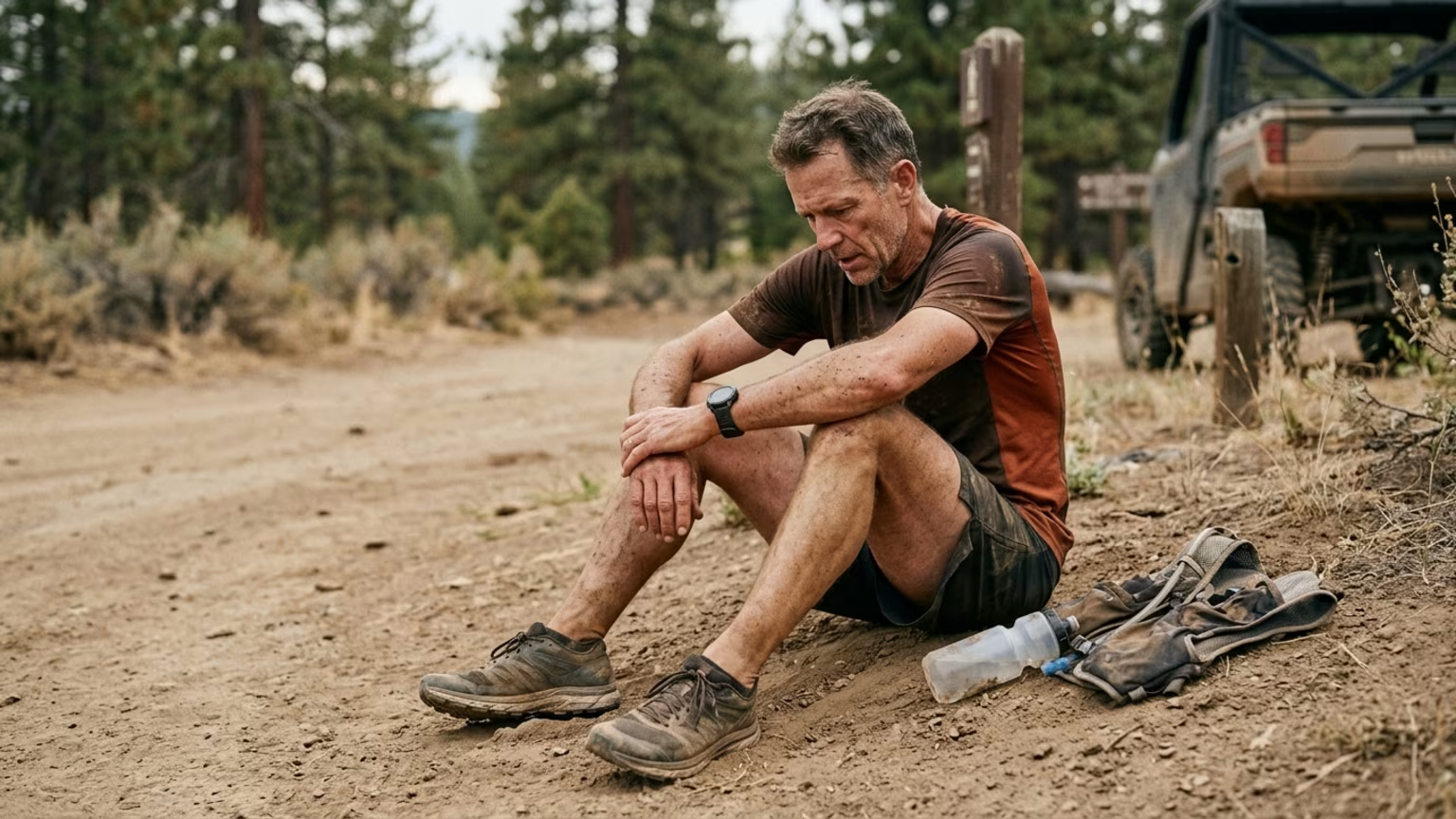

Overtraining syndrome disrupts the hormonal, immune, and nervous systems. Learn why proper periodization and clinical assessment are essential for recovery.





On September 30, 2026, Science Insights published an explanatory article titled "Overtraining Syndrome: What Happens Inside the Body." The piece outlines the specific physiological cascade that occurs when an endurance athlete exceeds their recovery capacity for an extended period. The publication describes overtraining syndrome as a prolonged, unexplained drop in athletic performance that is accompanied by deep fatigue and mood disturbances. Rather than a simple case of sore muscles, this condition involves severe disruption across the hormonal, immune, and nervous systems.
The recovery process from this level of systemic breakdown can take months to resolve. The core finding from the Science Insights publication centers on how overtraining syndrome operates as a systemic failure. The article emphasizes that this condition is not defined by a single metric crossing a red line on a laboratory test. Instead, the European College of Sports Science treats overtraining syndrome as a complex clinical diagnosis.
This diagnosis relies heavily on an athlete's physical presentation, symptom history, and persistent performance decline. Because it impacts the hormonal, immune, and nervous systems simultaneously, the condition presents a wide array of symptoms. These symptoms include significant sleep disruption and noticeable mood changes.
A separate sports-focused article from GalSports provides important context on how medical professionals evaluate these symptoms. Citing the 2013 joint consensus statement from the European College of Sports Science and the American College of Sports Medicine, the article characterizes overtraining syndrome strictly as a diagnosis of exclusion. This means a doctor cannot diagnose the condition simply by observing fatigue and a drop in race times. Clinicians must first actively consider and rule out other diseases that might cause identical symptoms.
While the Science Insights article confirms there is no single lab threshold to prove overtraining, blood tests remain a critical part of the medical evaluation. GalSports notes that these tests help physicians rule out other common causes of chronic fatigue. Clinicians frequently use blood work to check for underlying issues such as anemia, iron deficiency, or thyroid dysfunction. Only when these and other medical conditions are entirely excluded can a physician confidently attribute the prolonged performance decline to overtraining syndrome.
For ambitious endurance athletes over 35, these clinical realities fundamentally change how we manage our weekly routines. The available sources do not establish that overtraining syndrome is more common, takes longer to resolve, or requires different prevention in older athletes. However, the sheer severity of a months-long recovery period makes prevention the only logical strategy for longevity. You cannot push through persistent mood disturbances and sleep disruption without risking severe physiological consequences.
Protecting your health means actively incorporating the prevention measures recommended by Science Insights into your regular routine. The primary prevention measure highlighted in the publication is structured periodization. Athletes must build their calendars with intentional variations in training volume and intensity. This approach requires incorporating planned lighter weeks and distinct recovery phases throughout the year.
You cannot sustain a heavy, unyielding physical burden week after week without eventual breakdown. These planned recovery periods allow the nervous and hormonal systems to stabilize. Understanding this balance is essential for redefining progress and improvement after 35.
Fueling is another vital pillar of prevention highlighted in the Science Insights article. The publication recommends ensuring adequate total energy and carbohydrate intake to support your training load. Endurance athletes burn massive amounts of calories, and chronic under-fueling leaves the immune and hormonal systems vulnerable to stress. You must match your daily nutrition to the specific physical demands of your workouts.
Exploring strategies like using maple syrup as a high carbohydrate endurance fuel can help athletes meet these critical intake targets during heavy training blocks. Science Insights also emphasizes the profound impact of sleep and non-training stress on the body's overall burden. The physiological toll of a demanding career, family responsibilities, and financial pressure adds directly to the stress of your endurance training. The nervous system does not distinguish between a grueling interval session and a stressful week at the office.
Athletes must secure adequate sleep to allow the body to repair this cumulative damage. A holistic approach to training requires actively monitoring these external life stressors. Learning to balance these elements is a key part of managing your evolving athletic goals.
If you face a sustained performance decline alongside deep fatigue and disrupted sleep, treat these signs as a serious call to action. The GalSports article makes it clear that you should not attempt to self-diagnose overtraining syndrome. Instead, treat this pattern as a reason to reassess your entire approach to training and recovery. Because the condition is a diagnosis of exclusion, you must seek a qualified clinical assessment to rule out other possible diseases.
Getting a professional medical evaluation ensures you do not overlook a treatable condition like an iron deficiency or a thyroid issue. The veteran endurance athlete must recognize that preventing overtraining syndrome requires proactive periodization, adequate fueling, and clinical consultation when persistent fatigue strikes. This approach is far safer than blindly pushing through physiological breakdown.

Follow ReEndure for practical insights on endurance training, recovery, nutrition and healthy aging. Stay connected for new articles, research led guidance and ideas to help you perform better for longer.






Read practical ideas on endurance training, recovery, nutrition and healthy aging to keep progressing for years to come.
Read the Blog