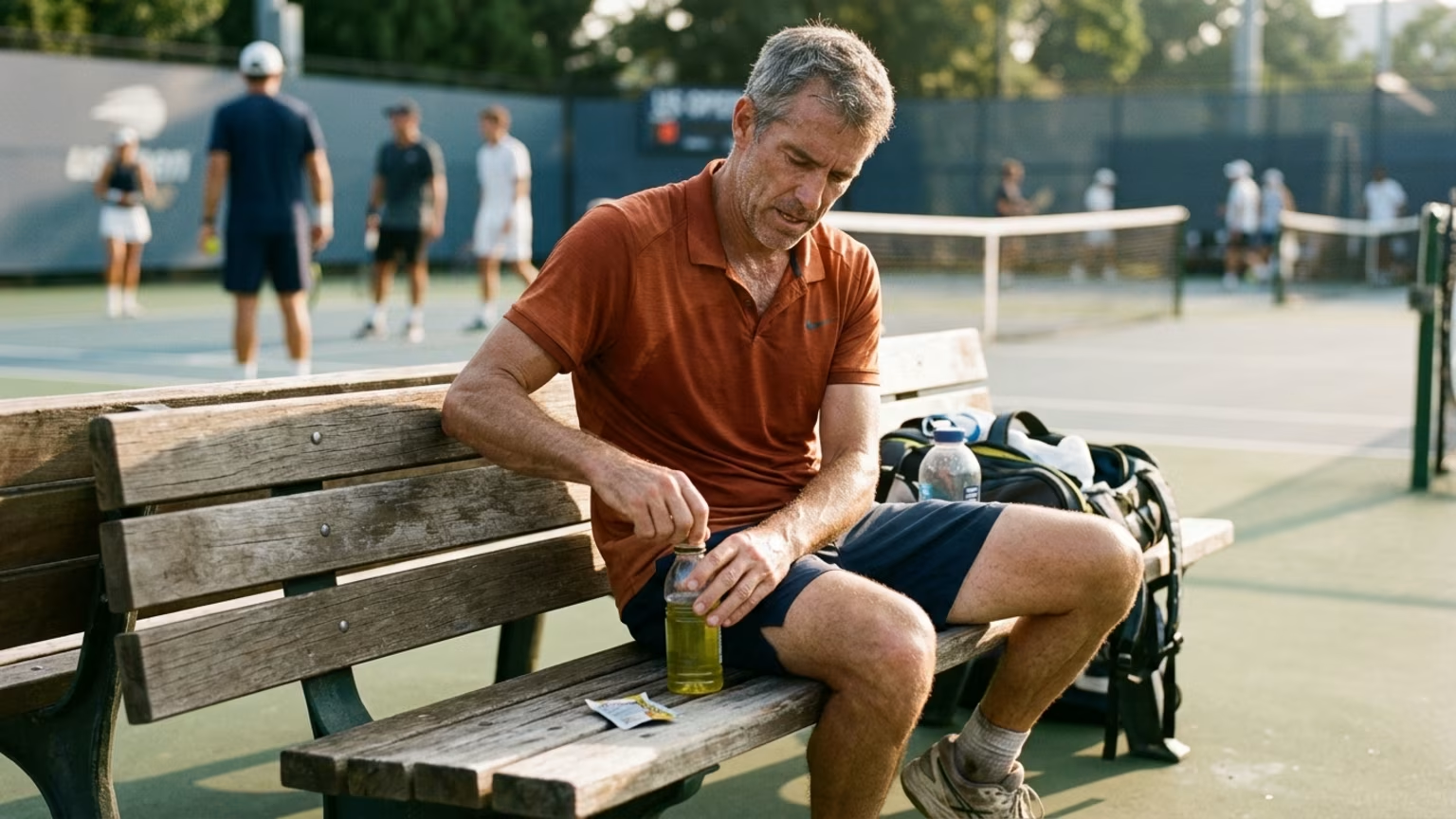

The US Open medical team uses pickle juice for rapid cramp relief. Understand the neurological reflex behind this tactic and how it fits your hydration plan.





The effective dose for relieving an acute muscle cramp is just 2 to 3 ounces of pickle juice. This surprisingly small volume challenges the persistent assumption that massive dehydration is the sole cause of every muscular failure. True physiological prevention requires a comprehensive and structured fueling strategy. Yet, rapid relief on the field relies on a completely different biological trigger.
This specific 2 to 3 ounce measurement does not represent a meaningful replacement of lost sweat or depleted sodium. Instead, it functions as a rapid trigger for the central nervous system. According to Dr. Melissa Leber, a Mount Sinai physician and director of player medical services at the US Open, pickle juice works through a mechanism distinct from standard fluid replacement. The intervention targets the nervous system directly, bypassing the slow absorption rates of the human gut.
The active component in this biological process is likely the acetic acid, commonly known as vinegar. When this specific acid contacts sensory receptors in the mouth and the back of the throat, it may trigger a potent neurological reflex. This reflex sends an immediate signal through the nervous system, which then commands the cramping muscle fiber to relax. Leber points out that this neurological effect can occur within a couple of minutes of ingestion.
The speed of this localized reaction is potentially much faster than waiting for swallowed electrolytes to process through the digestive system and finally enter the bloodstream. The New York Post distinguishes among three distinct roles in athletic fluid management, clarifying why this exact mechanism is so highly specialized. Water is strictly used to replace the actual physical fluid lost through heavy sweat. Sports drinks serve a much broader metabolic purpose, providing vital fluids, electrolytes, and necessary carbohydrates to sustain physical effort over time.
Pickle juice, by contrast, sits in a category entirely of its own as an acute, short-term intervention for an existing cramp. This conceptual framework is crucial because muscle cramps often strike even when an athlete has completely normal electrolyte levels. Dehydration or massive sodium loss is not necessarily the sole explanation for every mid-race cramp, which complicates standard nutritional advice. In fact, Leber notes that insufficient carbohydrate intake is also thought to be a major contributor to muscular cramping during prolonged efforts.
Therefore, relying on a single explanation for muscle failure leaves ambitious athletes vulnerable to repeated structural issues. Maintaining steady everyday fueling and hydration protocols provides a much stronger defense than waiting for a crisis to occur.
As endurance athletes progress through their 30s and 40s, the distinction between acute symptom relief and baseline hydration becomes increasingly critical. The physical tolerance for chaotic fueling strategies diminishes, meaning that a convenient remedy can be extremely easy to mistake for a complete strategy. Adults aged 35 to 65 must recognize that treating a symptom is entirely different from preventing the underlying physiological stress. Relying on a small neurological trigger to mask poor foundational preparation often leads to systemic fatigue later in a long session.
Moving into their 50s and 60s, athletes face a narrowing margin for error with core temperature and fluid management. Leber explicitly warns that pickle juice does not prevent dehydration or serious heat illness. Older competitors must prioritize a structured approach, beginning their hydration protocols the day before any prolonged exercise. They must continue to replace both fluids and electrolytes steadily during the activity itself, while also ensuring they consume adequate carbohydrates.
Athletes in their later decades also need to monitor their cumulative sodium exposure with far more scrutiny. Pickle juice can be heavily loaded with sodium, and its exact nutritional content varies significantly depending on the commercial brand. The New York Post notes that one popular pickle brand lists 330 milligrams of sodium per spear. This amount is equivalent to about 14 percent of the recommended daily value, which is a substantial load for a single serving.
Because of this high sodium density, Leber specifically advises caution for older athletes managing concurrent medical issues. Individuals with hypertension, heart failure, or kidney disease must discuss the use of pickle juice with a qualified healthcare professional. Even small quantities of concentrated sodium can disrupt medication efficacy or cardiovascular stability in susceptible individuals. Consulting a doctor ensures that a simple cramp remedy does not unintentionally create a much larger systemic problem.
For the first time, Mount Sinai’s medical team is making pickle juice available at the US Open as a potential treatment for exercise-related muscle cramps. This deployment on the professional tennis court illustrates how elite medical staffs incorporate low-volume, rapidly administered interventions. The strategy provides a secondary option that sits alongside conventional on-court care. Medical personnel still rely heavily on gentle stretching, targeted massage, and standard fluid replacement for overall athlete safety.
The broader trend visible at the US Open is a strict separation between acute symptom management and long-term prevention. Clinicians are not using vinegar to reverse a systemic fluid deficit mid-match, nor are they replacing actual sports drinks. Leber emphasizes that she does not recommend drinking pickle juice routinely before every workout. She firmly states that it should not be regarded as a daily hydration strategy or a performance enhancer.
For endurance athletes watching these elite events, the practical application requires discipline. If an athlete chooses to test this reflex, they should trial the exact 2 to 3 ounce dose during routine training. Testing a new variable for the first time during an important race is a classic tactical error. It is vital to assess elite fueling needs against your own reality and scale those interventions appropriately.
Furthermore, athletes must establish a definitive stop-exercise rule when competing in severe heat. The presence of a cramp should never distract an athlete from the far more dangerous warning signs of heat illness. Leber stresses that heat-related conditions require appropriate systemic cooling, aggressive hydration, and prompt medical evaluation when indicated. A quick shot of vinegar cannot lower a dangerous core body temperature.
The New York Post report deliberately avoids framing this tactic as a universal cure for all athletes. The reporting presents the intervention strictly as a medical-team option and an expert-described strategy rather than a quantified tournament-wide trend. There is no controlled evidence provided that pickle juice improves endurance performance, extends stamina, or directly betters match outcomes. It simply offers a potential way to clear a localized muscular hurdle so an athlete can continue competing.
Endurance athletes should view the 2 to 3 ounce dose of pickle juice as a highly specific emergency tool rather than a daily metric to obsess over. It offers a fascinating look into the neurological components of muscle fatigue, proving that the body operates on complex, interconnected feedback loops. However, it cannot replace the sheer physiological requirement for steady water intake, consistent carbohydrate fueling, and proactive thermal cooling. When athletes focus too heavily on rapid fixes, they often neglect the foundational habits that prevent the crisis in the first place.
Maintaining proper post-race nutrition and rehydration along with daily fluid management remains the true pillar of athletic longevity. If recurrent cramps consistently ruin your long sessions, the most effective response is a thorough audit of your training load, heat acclimation, and overall nutritional balance. Symptom relief is a temporary bridge, but cause-finding builds the road to lasting performance. The most reliable physiological advantages are built quietly in the disciplined weeks of preparation, long before the first cramp ever has a chance to form.

Follow ReEndure for practical insights on endurance training, recovery, nutrition and healthy aging. Stay connected for new articles, research led guidance and ideas to help you perform better for longer.


Read practical ideas on endurance training, recovery, nutrition and healthy aging to keep progressing for years to come.
Read the Blog