

A 2026 clinical trial reveals how a six-month structured lifestyle program lowered biological age markers in adults. We explain what athletes can learn from it.





In 2026, the journal Frontiers in Aging published a multicenter randomized clinical trial examining biological age markers. The researchers set out to determine whether a structured lifestyle modification program could alter PhenoAge in Saudi Arab adults with prediabetes. PhenoAge serves as a composite biological aging measure, calculated carefully from chronological age and several clinical biomarkers. These clinical biomarkers include glucose, albumin, creatinine, and C-reactive protein.
The study brings robust clinical observation to the ongoing conversation around metabolic function. The trial was funded through the Ongoing Research Funding Program at King Saud University. It tracked concrete clinical markers over time rather than relying solely on observational associations. By focusing on adults with prediabetes, the researchers targeted a population facing clear metabolic challenges.
The primary conclusion is that a structured lifestyle program significantly lowered PhenoAge over a six month period. Participants in the intervention group saw their mean PhenoAge fall from 48.4 to 43.5 years, a reduction of approximately 4.9 years. In contrast, the control group experienced a PhenoAge increase from 49.8 to 51.1 years. This divergence resulted in a between group difference of about 6.2 years.
Beyond the composite aging score, the program improved several specific cardiometabolic measures. The intervention group lost an average of 5.7 kilograms, while the control group gained approximately 1.6 kilograms. The active group also saw their waist circumference decrease by about 6.3 centimeters. The control group experienced a slight waist circumference increase of roughly 0.6 centimeters over the same period.
Blood sugar regulation and cardiovascular markers showed similar positive trends for the active group. HbA1c declined from approximately 5.9 percent to 5.5 percent in the intervention group. Fasting glucose decreased by roughly 0.6 mmol/L for those following the program. Furthermore, systolic blood pressure fell by approximately 4.5 mmHg, and diastolic blood pressure dropped by roughly 3.7 mmHg.
Because the intervention was multicomponent, the trial cannot isolate a single dietary or exercise cause for the results. The researchers did not identify whether the PhenoAge reduction was driven primarily by weight loss, fiber intake, or counseling. Furthermore, the study found no significant intervention specific effect on GDF-15 or sclerostin. This detail indicates that the program did not alter every available biomarker associated with aging.
The trial screened hundreds of candidates and included 181 adults who completed the six month intervention. The participants had a mean age of 50.8 years and a mean BMI of 30.0. Prediabetes was explicitly defined using American Diabetes Association criteria, with participants showing HbA1c levels between 5.7 and 6.4 percent. The participants were randomized into either the lifestyle program or a control group.
The control group received standard advice alongside printed educational material. The intervention group received a highly structured package of clinical and lifestyle targets. These goals included at least five percent weight loss and 150 minutes of moderate physical activity per week. Dietary parameters required keeping total fat intake below 30 percent of total energy, while consuming at least 15 grams of fiber per 1000 calories.
To support these ambitious goals, the intervention group received individualized counseling from a registered nutritionist every two weeks. They attended six education sessions during the first three months of the study. The program provided online support and continuous monitoring of lifestyle and weight related goals. Median reported energy intake for this group fell from approximately 1984 to 1794 calories, while the control group saw their median intake rise.
Adherence to the individual lifestyle targets varied significantly among the active participants. The reported weight loss target was achieved by 78.4 percent of the intervention group, but only 21.6 percent achieved the stated fat reduction goal. Just 8.0 percent of the intervention group achieved both the fat reduction and fiber targets. Median walking time rose to 60 minutes per week, but participants still failed to reach the prescribed 150 minutes.
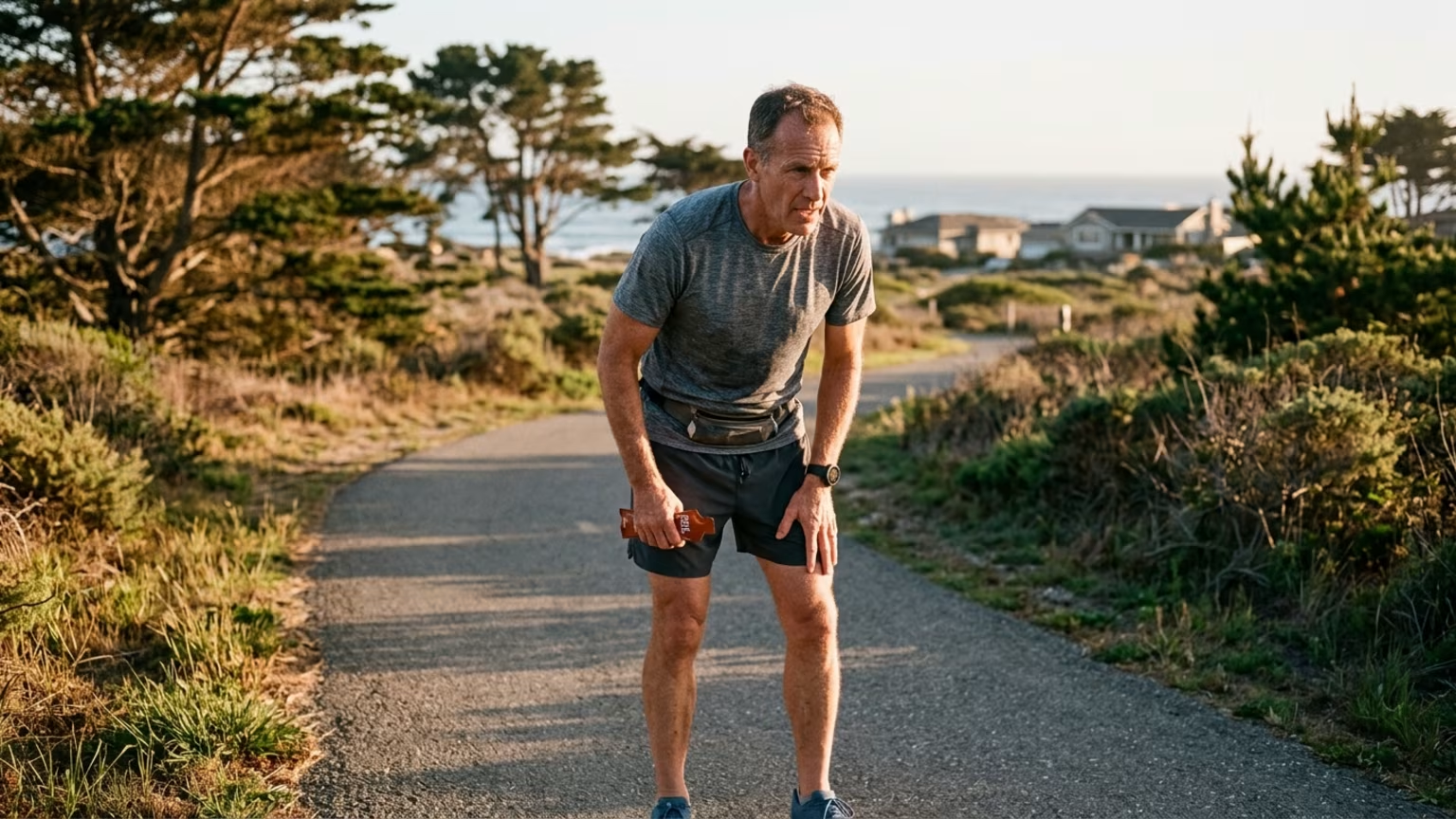
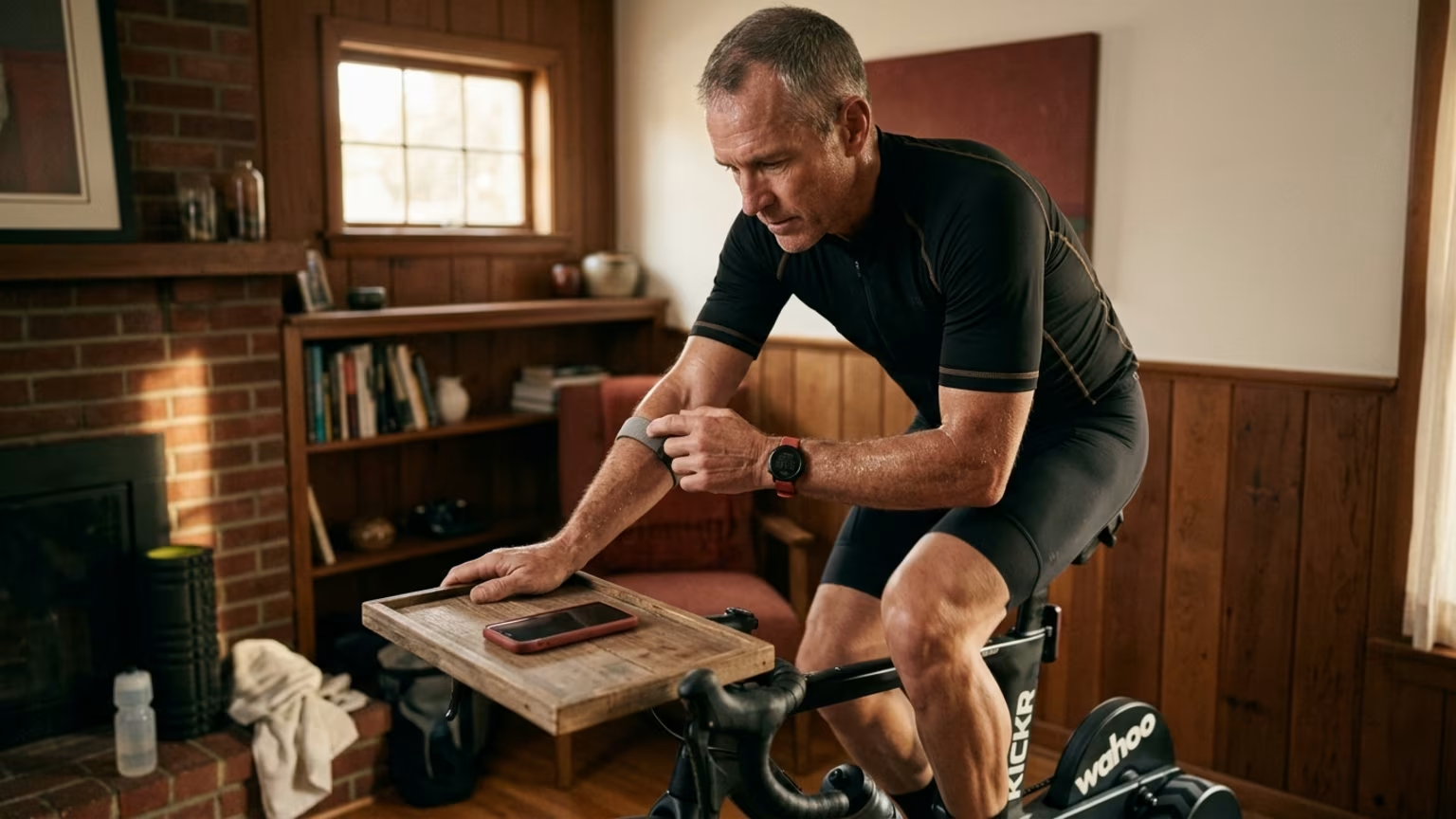
This research offers valuable perspective for ambitious adults prioritizing everyday endurance nutrition. The participants were adults with prediabetes rather than highly trained runners or cyclists. Therefore, we cannot directly generalize these exact outcomes to leaner masters athletes. However, the findings reinforce the importance of treating everyday metabolic health as a critical performance asset.
As we progress through different decades of training, our approach to physical stress must evolve. Hitting my forties brought a harsh reality check. The track workouts were not getting slower, but the days after them felt significantly heavier. Instead of forcing my old Tuesday and Thursday intensity schedule, I looked at the data on Masters athletes and muscle protein synthesis.
I pushed my second hard session to Friday, allowing an extra forty eight hours of low intensity recovery. My total weekly volume stayed the same, but the quality of my intervals skyrocketed. This principle of sustainable adaptation applies equally to our daily nutrition and long term metabolic health. Endurance athletes often seek rapid solutions or isolated supplements, yet this trial demonstrated the power of a coordinated approach.
The broader biological aging literature continues to examine these sustained interventions. A separate 2026 analysis of 777 older adults from the DO-HEALTH randomized trial examined different longevity markers. That study reported that omega-3 supplementation produced modest changes in several DNA-methylation aging measures over three years, particularly when combined with vitamin D and exercise. The DO-HEALTH analysis reported additive slowing of biological aging, though the effect corresponded to months rather than multi year changes.
These separate findings highlight that consistent daily habits matter more than temporary lifestyle adjustments. We must clearly separate our everyday metabolic nutrition from our specific race fueling requirements. A 2026 review discussing endurance fueling reported that trained athletes may be able to oxidize exogenous and whole body carbohydrate at intakes up to 120 grams per hour. This represents a significant shift from earlier guidance of no more than 90 grams per hour.
While that high carbohydrate intake is crucial during intense efforts, our daily dietary patterns serve an entirely different purpose. An athlete can pursue a high quality eating pattern for cardiometabolic health while still consuming adequate fuel during demanding sessions. Incorporating advanced fueling strategies does not mean abandoning the basic principles of preserving muscle mass as you age. Athletes should discuss dietary targets with a qualified professional to ensure their everyday intake supports both recovery and metabolic function.
Athletes must avoid blindly copying the severe calorie restriction observed in this specific study. The intervention group lowered their intake to support intentional weight loss in a clinical context. Older athletes managing heavy training loads require sufficient energy to preserve muscle mass and support proper recovery. Anyone dealing with unexplained fatigue, persistent weight changes, or cardiovascular concerns should seek individualized advice before modifying their diet.
Active adults should track practical health markers, including fasting glucose and blood pressure, with their primary care physician. Integrating routine cardiovascular screening into your annual routine provides clear data on how your body is handling systemic stress. Sustained, structured habits build the foundation that allows older athletes to keep competing successfully. True resilience comes from balancing high athletic ambition with a realistic respect for the aging body.
For the veteran endurance athlete, sustainable metabolic health habits provide the essential foundation for decades of future performance.

Follow ReEndure for practical insights on endurance training, recovery, nutrition and healthy aging. Stay connected for new articles, research led guidance and ideas to help you perform better for longer.




Read practical ideas on endurance training, recovery, nutrition and healthy aging to keep progressing for years to come.
Read the Blog