

Athletic identity foreclosure can turn physical setbacks into psychological crises. Learn how to maintain your athletic drive while building an expanded self.





Athletic identity foreclosure is a psychological state where the athlete role becomes so dominant that other interests and possible selves are left completely undeveloped. A 2023 systematic review of pediatric athletes examined 19 publications from 627 records and associated this intense sporting focus with more severe depressive symptoms following musculoskeletal injury. This matters because it exposes the profound vulnerability of letting athletic performance define your entire self-worth. When your physical capacity is abruptly taken away by injury, lacking a broader identity leaves you entirely adrift.
The International Olympic Committee’s 2026 consensus statement identifies a close relationship between mental health, injury and performance. When an athlete gets hurt, the physical tissue damage is only half the problem. The IOC highlights pain and uncertainty about recovery as major issues alongside isolation from teammates. Loss of identity and the pressure to return are also relevant concerns during rehabilitation.
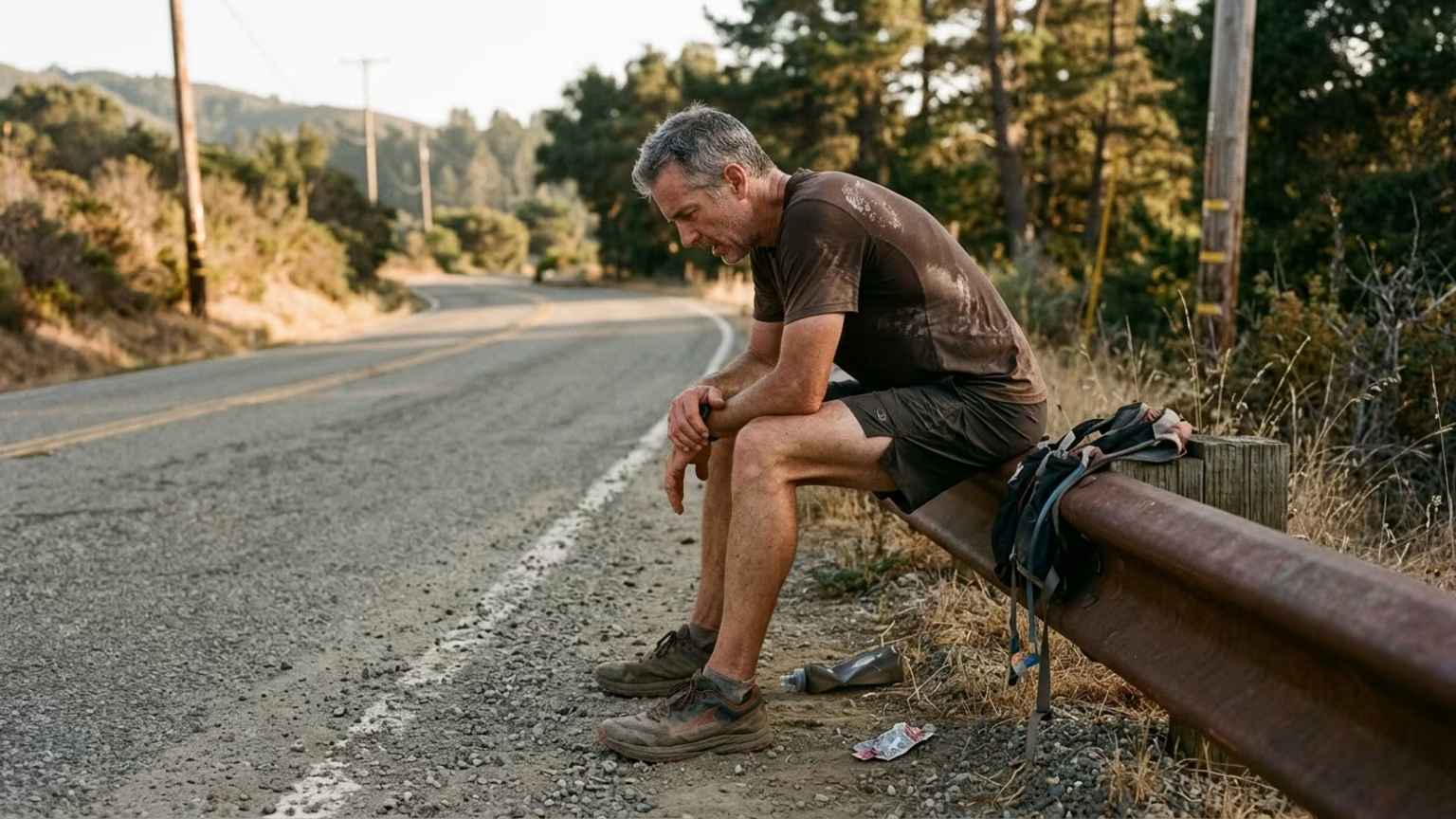
An injured athlete loses their primary coping mechanism and their main social circle simultaneously. This sudden isolation creates a dangerous mental vacuum. The daily structure provided by training plans vanishes overnight. Without the familiar routine of early workouts, athletes often struggle to find purpose in their day.
Endurance athletes aged 35 to 65 face a shifting reality. Natural physiological changes mean that recovery takes longer and minor niggles can become persistent problems. This creates a critical intersection between physical health and mental resilience. The IOC recommends that athlete mental health be treated as a shared responsibility across the sporting ecosystem.
When my Achilles flared up right before a major marathon build, the standard advice was total rest. Reading the clinical research on tendon loading changed my approach entirely. I swapped complete rest for heavy slow resistance training, specifically utilizing heavy calf raises on a deficit. It felt counterintuitive to load an injured tendon, but the science was clear.
Within six weeks, the morning stiffness faded and I was back to building mileage without the chronic ache. This experience reinforced that physical recovery requires active engagement. However, mental recovery demands equal attention when you are sidelined. We must acknowledge that adjusting performance expectations as we age is a necessary part of a sustainable athletic life.
The transition-support guidance published by the Victorian Institute of Sport describes a progression from a strong athlete identity toward an expanded self. In this expanded model, sport remains important but is no longer the only defining role. The guidance specifically recommends mapping desired roles outside sport. Building new communities and sources of belonging protects your mental well-being when racing is not possible.
Major life transitions require deliberate focus and a flexible mindset. A prolonged absence from competition often forces an athlete to confront their broader identity. The IOC recommends targeted support during major transitions such as injury or retirement. Applying sporting skills in other contexts helps maintain a strong sense of purpose.
The Victorian Institute of Sport’s practical framework argues that multiple identities improve adjustment outcomes. Social groups are central to identity resilience, and sporting skills can transfer powerfully to non-sport settings. A veteran athlete must cultivate relationships that do not depend on race results. Maintaining a smart injury prevention plan is crucial, but building a life outside sport is equally vital.
We often mistake a balanced life for simply adding random hobbies to a busy schedule. True balance involves developing roles that express genuine values and relationships. Being a dedicated partner or a community advocate provides independent sources of meaning. These non-sport roles act as a buffer against the inevitable disappointments of competitive racing.
You do not need to abandon competition to grow as a person. The Victorian Institute of Sport explicitly retains sport as part of identity while encouraging education and community involvement. It also recognizes that mixed emotions such as grief and freedom can coexist during transition. Building this expanded self ensures that your foundational answer to who you are remains robust.
Individual resilience is important, but a supportive environment changes everything. The IOC's 2026 consensus statement notes that responsibility for mental health belongs to the entire elite-sport ecosystem. Coaches, organizational staff and health professionals all play a part in athlete well-being. A psychologically safer culture reduces stigma and makes it easier to ask for help.
We should not wait for an emotional crisis to seek professional guidance. The IOC recommends mental-health monitoring at predictable points in a career rather than waiting for severe symptoms. Psychologists suggest maintaining regular contact with people who know you completely outside of your sport. These relationships provide necessary perspective when a terrible workout threatens your self-worth.
Returning to sport after a hiatus involves much more than just biological healing. A 2026 review found that return-to-play decisions after muscle injury remain heterogeneous. The review noted that readiness should consider functional recovery alongside psychological readiness and load tolerance. Measuring recovery solely by whether an athlete can finish a workout is a deeply flawed approach.
Physical status and mental confidence must always be evaluated together. Rebuilding trust in your body takes time, and expecting flawless execution immediately only leads to frustration. A veteran athlete understands that patience is a strict requirement during this process. Discussing fears of reinjury with a professional helps clear the mental hurdles of rehabilitation.
The path backward into heavy training is rarely a straight line. Setbacks will happen, and your reaction to them depends entirely on your mental framework. If sport is your only identity, a minor setback feels like a monumental failure. When you have an expanded self, a setback is just a temporary logistical problem to solve.
When a race is taken off the calendar, you must adapt your goals immediately. Substitute your performance targets with clear objectives that preserve your agency. Focus on completing physical therapy, restoring your sleep quality or learning about proper nutrition. These process-oriented actions keep the athlete role alive without demanding immediate athletic results.
An injured athlete still possesses the intrinsic traits that made them successful in the first place. Qualities like persistence, thorough preparation and adaptability remain available even when physical capacity is missing. Applying these traits to your recovery protocol turns a passive waiting period into an active mission. You can still practice immense discipline by simply choosing to rest properly.
Tracking progress during this phase requires an entirely different set of metrics. Instead of pace or power output, track your consistency with mobility work and sleep hygiene. We highly recommend integrating a structured approach to your daily routines. Reviewing how aging changes recovery can help set realistic expectations for your physical progress.
After crossing a finish line, athletes instinctively focus on their total elapsed time. This singular focus reinforces the dangerous idea that self-worth equals physical output. A healthier practice is to evaluate the specific character traits you utilized during the event. Consider your patience during the early miles or your adaptability when nutrition failed.
These internal qualities belong entirely to you and transcend any single performance. They remain accessible even when an injury confines you to a rehabilitation clinic for months. By valuing persistence over pacing, you ensure that a bad race does not ruin your week. This vital mindset shift is a critical component of lifelong athletic participation.
It is completely normal to feel frustrated or irritable after a poor result. Disrupted goals naturally cause temporary grief and a noticeable loss of motivation. However, persistent hopelessness or severe anxiety are clear signals that professional support is necessary. The IOC calls for individualized care and clear emergency action plans within the sporting environment.
Athletes must be fiercely honest with themselves about their emotional state. Masking pain with stoicism only prolongs the recovery process unnecessarily. A strong athlete identity provides purpose, but it should never become a rigid cage. Acknowledging vulnerability is a sign of psychological strength rather than a weakness.
The best time to develop a life outside of sport is when you are completely healthy. Building a minimum viable non-sport identity provides a solid safety net before you actually need one. Choose one meaningful commitment outside of your training routine and protect it fiercely. This might mean dedicating time to mentoring colleagues or committing to a weekly family tradition.
These commitments should not feel like tedious chores added to an overloaded calendar. They should be genuine expressions of your values that do not rely on your cardiovascular fitness. When a sudden illness forces you to skip a crucial race, these relationships provide immediate perspective. You realize quickly that your community values you for your presence rather than your finish times.
Athletic longevity requires a highly sustainable approach to both training and personal identity. Success might mean returning intelligently after surgery rather than setting records. Balancing intensive training blocks with family commitments is a profound achievement in itself. Our definition of victory must naturally evolve as our bodies change over the decades.
This evolution does not mean lowering your standards or giving up on competition. It means recognizing that a healthy life requires multiple strong pillars of support. If you construct your entire identity on top of a single pillar, any structural damage is catastrophic. By distributing your self-worth across family, career and community, you protect your core identity from collapse.
When you finally build an identity that outlasts your next finish line, a physical setback is no longer a threat to your existence but simply a temporary pause in a much larger life.

Follow ReEndure for practical insights on endurance training, recovery, nutrition and healthy aging. Stay connected for new articles, research led guidance and ideas to help you perform better for longer.




Read practical ideas on endurance training, recovery, nutrition and healthy aging to keep progressing for years to come.
Read the Blog