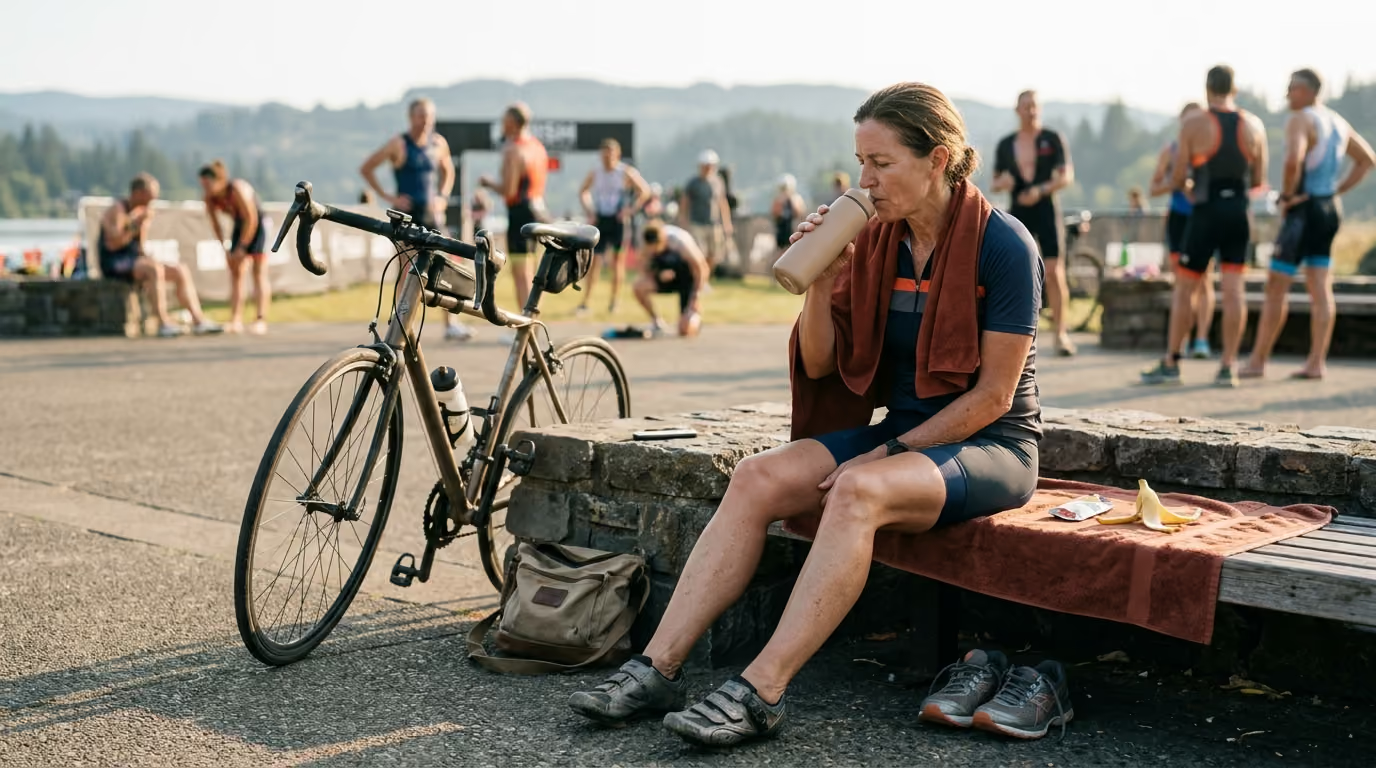

Endurance recovery is not simply passive resting, but a criteria-based physiological process tailored to the distinct demands of your specific event.





The most persistent myth in endurance sports is that recovery is simply a fixed number of rest days dictated by race distance. Many athletes assume that finishing a marathon requires exactly two weeks of rest, or that completing a fifty-mile trail race demands a month off.
This rigid calendar approach fails because physiological repair does not occur along a single linear path. Your muscular integrity, metabolic stores, central nervous system, and endocrine function all heal at entirely different speeds.
Treating recovery as a passive waiting period leaves performance gains on the table and invites chronic injury. Recovering properly requires an active, criteria-based system tailored to the specific mechanical and metabolic demands of your event.
True recovery represents the restoration of multiple distinct biological systems rather than a simple binary state of feeling rested. When you cross a finish line, different tissues and systems experience varying degrees of disruption.
Subjective recovery reflects your perception of fatigue, muscle soreness, mood, and motivation. You might feel mentally refreshed and eager to train within four days of a race. However, your underlying tissues may still be compromised.
Mechanical recovery involves repairing physical damage to muscle fibers, tendons, ligaments, and joint capsules. High-impact running produces microtrauma and localized inflammation that require structural remodeling. In contrast, non-impact cycling spares the joints from vertical loading while still generating substantial metabolic strain.
Neuromuscular recovery governs the ability of your nervous system to recruit motor units and produce force. Research on mountain ultramarathons shows that maximal voluntary force can drop by 35 to 40 percent immediately after an event. While basic biological markers of muscle damage may stabilize within nine days, full maximal force capacity often takes up to two weeks to return.
Metabolic recovery encompasses the replenishment of depleted muscle and liver glycogen stores, alongside fluid balance. Restoring intracellular energy availability is essential for cellular repair and immune function. If you resume training before metabolic deficits are resolved, systemic stress escalates rapidly.
Systemic recovery addresses inflammatory, immune, renal, and hormonal markers. Studies on ultramarathon runners show massive temporary increases in creatine kinase, blood urea nitrogen, and serum creatinine, alongside significant drops in estimated glomerular filtration rate. Your kidneys, cardiovascular system, and liver need time to clear metabolic byproducts and normalize blood volume.
Training recovery is the final milestone. This is the stage where you can tolerate normal training volume, intensity, and progressive overload without triggering a setback. Navigating these systems requires a clear understanding of our core training and performance principles.
Two runners completing the same marathon in identical finishing times can face completely different recovery timelines. The actual physiological toll depends on multiple internal and external variables.
Event duration and pacing play massive roles. Sustained movement over ten hours depletes systemic energy reserves and disrupts hormonal balance far more than a high-intensity two-hour effort. However, racing a fast, flat road marathon near your lactate threshold causes greater mechanical impact damage than jogging a slow, flat fifty-kilometer trail run.
Terrain selection drastically alters muscle trauma. Downhill running introduces severe eccentric loading, forcing muscle fibers to lengthen while resisting force. This eccentric stress causes micro-tears in the sarcomeres, elevating creatine kinase and causing delayed-onset muscle soreness. Mountain events combine this eccentric loading with unstable footing that fatigues stabilizer muscles across your feet and ankles.
Environmental stressors compound muscular fatigue. Racing in high heat increases core temperature, accelerates glycogen depletion, and places exceptional strain on your kidneys and cardiovascular system. Cold conditions force your body to expend energy on thermoregulation, while high altitude reduces arterial oxygen saturation and suppresses your immune response.
Sleep deprivation is an often-overlooked source of biological strain in ultra-distance events. In multi-day races and wilderness expeditions, acute sleep debt impairs cognitive function and suppresses anabolic hormone secretion. Research demonstrates that cumulative sleep debt from ultra-endurance racing often fails to return to baseline levels even after a full week of rest.
Individual athlete variables further shape the recovery trajectory. Chronological age, training history, pre-race nutritional status, and soft-tissue durability all dictate how quickly you bounce back. An athlete managing high professional stress will inevitably recover slower than an athlete with open schedules and optimized sleep hygiene.
The choices you make immediately after crossing the finish line dictate the trajectory of your recovery over the following weeks. Your immediate priorities are stabilizing core temperature, protecting compromised kidneys, and initiating cellular repair.
Resist the urge to collapse onto the ground immediately after finishing. Walking gently for five to ten minutes encourages venous blood return to your heart and helps clear circulating lactate. Stopping abruptly can cause rapid blood pooling in your lower extremities, leading to dizziness or fainting.
Once your breathing and heart rate settle, change out of wet or sweaty racing clothes immediately. Prolonged exposure in damp clothing impairs thermoregulation and invites rapid hypothermia, even in mild weather. Inspect your feet for deep blisters, assess hot spots, and clean any abrasions to prevent localized infections.
Nutritional intervention should begin as soon as your stomach settles. Sports nutrition guidelines recommend consuming approximately 0.25 grams of high-quality protein per kilogram of body weight, paired with at least 0.75 grams of carbohydrate per kilogram. This pairing stimulates muscle protein synthesis and accelerates the first phase of glycogen replenishment.
Rehydrate gradually based on thirst rather than forcing excessive volumes of pure water. Drinking large quantities of plain water without electrolytes can dilute blood sodium, creating exercise-associated hyponatremia. Sip electrolyte solutions containing sodium and potassium, allowing your kidneys to process fluids naturally.
During the first two days, delayed-onset muscle soreness reaches its peak. Focus entirely on sleep hygiene, balanced nutrition, and gentle non-weight-bearing movement.
Maintain a consistent caloric surplus rich in complex carbohydrates and complete proteins to support cellular rebuilding. Explore our dedicated endurance nutrition and fueling resources to optimize your daily macronutrient splits during this crucial rebuilding phase.
Light active recovery, such as fifteen minutes of casual flat walking or easy spinning on a stationary bike, can promote blood flow without adding mechanical stress. Keep intensity strictly in a recovery zone where your heart rate remains well below your aerobic threshold.
Avoid aggressive soft tissue treatments during this acute window. Deep tissue massage, aggressive foam rolling, or intense stretching over acutely damaged muscle fibers can exacerbate micro-tears and prolong local inflammation. Gentle mobility drills and passive recovery strategies are far more productive.
Every endurance event imposes a distinct physiological signature. The following protocols outline structured return-to-performance pathways tailored to specific event categories.
A road marathon involves hours of repetitive, hard-surface pounding at a high percentage of your aerobic capacity. The primary challenge is repairing mechanical muscle damage in your quadriceps, calves, and hamstrings while replenishing deep glycogen deficits.
Research shows that returning to very light running within 48 hours does not necessarily impair muscle damage recovery in some athletes. However, clinical guidance from institutions like Yale Medicine and the Mayo Clinic conservatively advises taking five to seven days off from running for recreational athletes.
Begin your return with non-impact cross-training on day four or five if your gait is completely normal. Keep your first run short, flat, and conversational, avoiding all pace targets. If you experience lingering joint ache or compensatory movement patterns, return to cycling or walking for another three days.
Ultramarathons introduce immense cumulative fatigue, extensive eccentric damage from elevation changes, and significant systemic stress. In a 161-kilometer race, elevations in creatine kinase correlate directly with profound muscular weakness and prolonged systemic fatigue.
Subjective soreness often resolves within five to seven days after an ultra. Do not let this deceive you. Biological markers of tissue damage, force production deficits, and renal stress often persist for two weeks or longer.
Prioritize foot care, wound management, and sleep restoration throughout the first week. When you resume cross-training, maintain low resistance to protect irritated tendons. Delay any technical trail running, steep descents, or high-intensity workouts until you have completed at least three weeks of completely pain-free, flat easy running.
Long-course triathlons present a multifaceted recovery challenge. You must heal shoulder and postural fatigue from the swim, spinal and hip flexor compression from the bike, and impact trauma from the marathon.
Systemic inflammation can linger for up to five days after an Ironman event, even as acute soreness subsides. Studies tracking Ironman finishers reveal that maximal oxygen uptake and jump performance remain suppressed for up to fifteen days post-race.
Separate your disciplines during the rebuilding phase. Swimming is an excellent early tool to restore upper body mobility without impact, provided you omit paddles and high-load intervals. Cycling allows you to rebuild aerobic stimulus with minimal eccentric stress. Keep your running volume low and conservative, as running on pre-fatigued, recovering tissues substantially increases the risk of bone stress injuries.
Cycling eliminates ground impact stress, but long-course sportives and multi-day stage races create unique muscular and postural fatigue. Sustained isometric contractions, severe glycogen depletion, and prolonged spinal flexion require structured unloading.
In multi-day stage racing, muscle damage markers and hormonal suppression accumulate continuously across consecutive stages. Even if you feel recovered overnight, cumulative systemic stress remains elevated.
Treat the conclusion of a multi-stage event as the end of a major training cycle rather than a single workout. Focus on spinal decompression, neck mobility, and saddle sore management. Reintroduce high-torque efforts and maximal sprint intervals only after resting heart rate, leg power, and subjective mood scores return to baseline.
Expeditions and adventure races combine multi-day physical exertion with sustained sleep deprivation, caloric deficits, harsh environments, and heavy load carriage. Research shows that three weeks of sustained altitude exposure above 3,000 meters impairs both aerobic and anaerobic muscle capacity.
After an expedition, athletes often return home with suppressed immune systems, altered metabolic baselines, and profound central nervous system fatigue. Sleep debt accrued during multi-day continuous racing does not resolve in a few days.
Your initial focus must be nutritional repletion, cognitive rest, and restoring endocrine balance. Screen thoroughly for lingering respiratory infections, gastrointestinal parasites, or persistent altitude-induced fatigue. Do not attempt to force structured training until normal sleep architecture and daily energy levels have stabilized for at least two consecutive weeks.
Relying on arbitrary calendar dates to resume hard workouts is a dangerous gamble. A criteria-based progression ensures that you advance only when your body demonstrates verifiable physiological readiness.
The goal of this phase is restoring circulation and daily functional mobility without accumulating training fatigue. You enter this stage immediately after the event.
This milestone marks the resumption of light, unstructured cardiovascular sessions designed to promote active recovery.
At this stage, you reintroduce planned aerobic workouts, progressive volume, and mild intensity.
This final phase allows for race-specific intensity, heavy strength training, high-volume blocks, and competitive efforts.
As endurance athletes age, physiological changes alter the speed and character of tissue repair. Muscle protein synthesis rates decline, tendon collagen turnover slows, and sleep architecture undergoes subtle shifts.
Masters athletes often maintain exceptional aerobic capacity while experiencing a reduction in tissue elasticity and soft-tissue recovery rates. Tendons and ligaments receive significantly less blood flow than skeletal muscle, meaning connective tissues require longer timelines to remodel after high-impact events.
When my Achilles flared up right before a major marathon build, the standard advice was total rest. But reviewing clinical research on tendon loading changed our team's approach entirely. We swapped complete rest for heavy slow resistance training, specifically utilizing heavy calf raises on a deficit.
It felt counterintuitive to load an injured tendon, but the science was clear. Within six weeks, the morning stiffness faded, and we were back to building mileage without the chronic ache. For mature athletes, combining smart active loading with structured rest is essential for long-term health. Incorporating targeted injury prevention strategies protects your tendons as you age.
Post-race protein requirements increase for older athletes due to anabolic resistance. Aim for 30 to 40 grams of high-quality protein per meal, ensuring a high concentration of the amino acid leucine to trigger muscle protein synthesis.
Sleep quality often degrades with age, reducing the duration of deep slow-wave sleep where growth hormone is released. Masters athletes should protect sleep hygiene aggressively, utilizing dark, cool environments and consistent sleep schedules. Dedicating extra time to athletic longevity and healthy aging principles keeps you competitive year after year.
Even experienced competitors frequently make critical errors during post-race recovery, undermining their previous training investments.
The most widespread mistake is assuming that the absence of muscle soreness equals complete structural recovery. An athlete may feel zero pain while running at an easy pace, only to suffer a calf tear or bone stress injury during a track workout. Musculoskeletal remodeling outlasts subjective soreness by several weeks.
Many athletes invest heavily in massage guns, pneumatic compression boots, and infrared saunas while ignoring sleep and caloric intake. While passive tools can temporarily reduce perceived soreness, they cannot replace fundamental biological needs. Seven hours of quality sleep and adequate carbohydrate intake will accomplish more cellular repair than any recovery device.
Attempting to stretch out post-race tightness can actively damage healing muscle fibers. Post-event stiffness is often a protective neuromuscular response designed to prevent unstable joint movement. Aggressive stretching or deep tissue massage over acutely damaged tissues can increase localized swelling and delay cellular repair.
Athletes frequently swap running for hard indoor cycling intervals after a marathon, believing that the absence of impact makes the session free of cost. High-intensity cross-training generates massive central nervous system fatigue and drains glycogen reserves. Keep all post-race cross-training strictly within low aerobic zones.
Ice baths are frequently used immediately following long endurance events. However, research indicates that a single cold-water immersion session yields no significant physiological recovery benefit within 40 hours after an Ironman. Furthermore, blunting acute inflammation through excessive icing can interfere with natural cellular signaling pathways required for long-term muscular adaptation.
Evaluating recovery requires tracking both subjective feedback and objective physiological markers. Relying exclusively on how you feel can lead to false confidence, while relying solely on wearable data can create unnecessary anxiety.
Track resting heart rate each morning upon waking. A sustained elevation of five beats per minute or more above your baseline indicates incomplete cardiovascular or autonomic recovery.
Monitor heart rate variability trends over seven-day rolling averages rather than reacting to single-day fluctuations. A suppressed root mean square of successive differences indicates continued sympathetic nervous system dominance, meaning your body is still managing systemic stress.
Track your submaximal heart rate to pace relationship during easy test workouts. If running at your standard easy pace requires a heart rate eight to ten beats higher than normal, your cardiovascular and metabolic systems remain compromised.
Maintain a daily recovery log assessing five key subjective variables on a one-to-five scale:
A downward trend across these subjective scores provides clear evidence of accumulated fatigue. If your metrics lag behind your expectations, integrate dedicated recovery and mobility routines into your weekly schedule to address movement limitations.
Ordinary post-race fatigue is expected, but certain symptoms indicate serious medical complications that demand urgent clinical evaluation rather than rest.
Exertional rhabdomyolysis occurs when damaged skeletal muscle breaks down rapidly, releasing cellular contents like myoglobin into the bloodstream. This can cause acute kidney injury and renal failure.
The Centers for Disease Control and Prevention lists severe muscle swelling, profound weakness, and dark tea- or cola-colored urine as classic symptoms of rhabdomyolysis. If you notice abnormally dark urine or extreme, incapacitating muscle pain after an event, seek emergency medical care immediately. Do not attempt to self-treat this condition by drinking large quantities of water at home.
Exercise-associated hyponatremia is defined as a serum sodium concentration below 135 mmol/L, occurring during or up to 24 hours after prolonged exertion. It is frequently caused by over-consuming hypotonic fluids like water during an event.
Early warning signs include progressive headache, nausea, unexplained vomiting, dizziness, and sudden lethargy. Severe cases can rapidly progress to confusion, seizures, pulmonary edema, and coma. If an athlete gains weight during an endurance event and displays neurological symptoms or confusion, transport them to an emergency facility immediately.
Long-course triathlons and extreme ultramarathons place immense demands on the cardiovascular system. Echocardiographic studies after Ironman events have documented transient reductions in left-ventricular systolic and diastolic function, which typically normalize within 48 hours.
While temporary functional changes are common, symptoms like persistent chest pressure, heart palpitations, fainting, or acute shortness of breath at rest are entirely abnormal. These symptoms warrant immediate clinical screening by a qualified medical professional before any exercise is resumed.
True athletic longevity is built on respecting the biological timelines of tissue repair and returning to training only when your body is fully prepared to adapt.

Follow ReEndure for practical insights on endurance training, recovery, nutrition and healthy aging. Stay connected for new articles, research led guidance and ideas to help you perform better for longer.


Read practical ideas on endurance training, recovery, nutrition and healthy aging to keep progressing for years to come.
Read the Blog