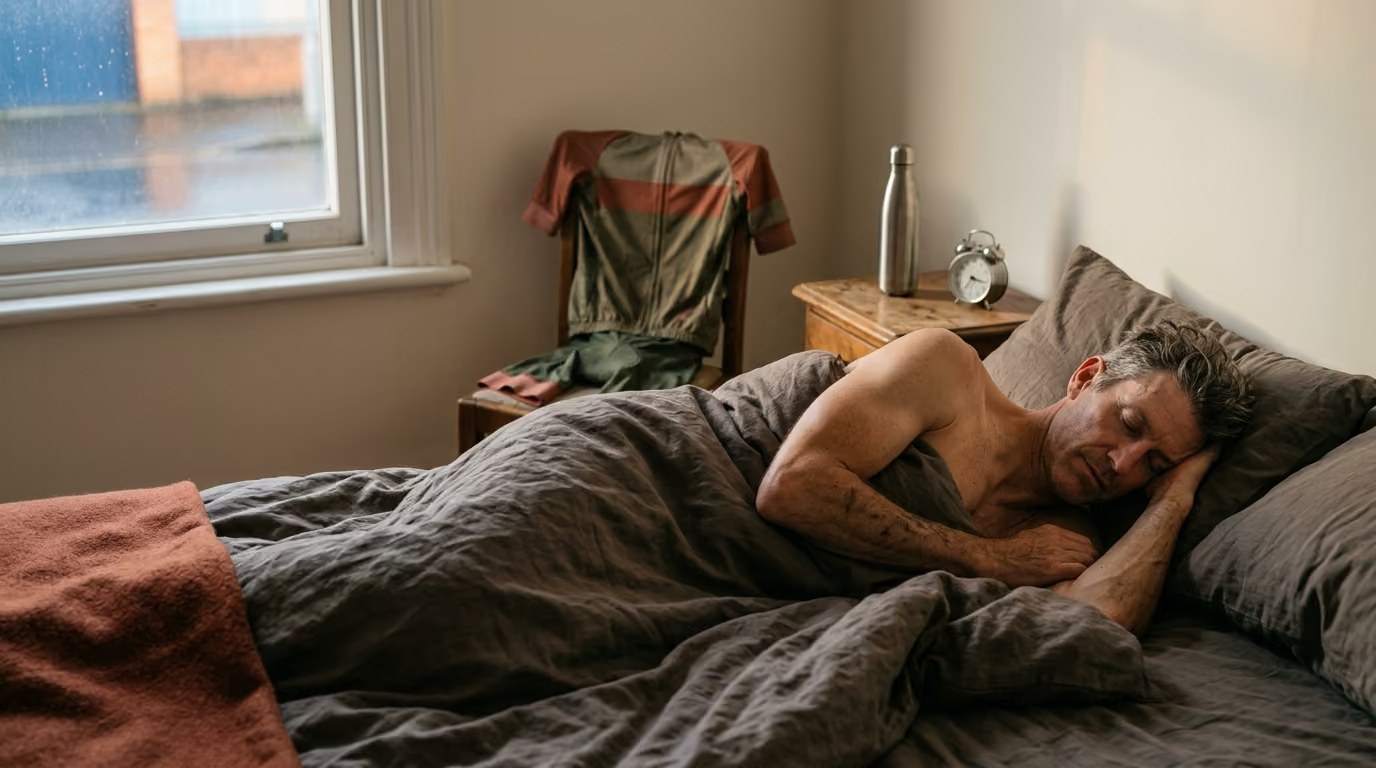
The alarm sounds at 5:15 AM on a Thursday morning. You went to bed at 11:00 PM, read emails until 11:30 PM, woke up twice during the night, and now face a ninety-minute tempo workout before work. Your legs feel heavy walking down the stairs, and your resting heart rate is four beats higher than normal. Ten minutes into the warmup, your usual baseline pace feels like race effort.
This scenario plays out constantly among masters runners, cyclists, and triathletes. Many athletes treat sleep as whatever hours remain after training, professional responsibilities, and family commitments are finished. When fatigue accumulates, the default reaction is often to adjust nutrition, buy new gear, or push through with extra caffeine.
Sleep is not passive downtime. It is an active biological state that dictates adaptation, autonomic balance, tissue repair, and cognitive stamina. Treating sleep as an essential training input transforms how your body absorbs physical stress.
To build durable fitness over decades, you need an evidence-based system. This manual provides a complete framework for protecting sleep duration, stabilizing circadian timing, engineering your environment, and managing the inevitable disruptions of busy athletic lives.
How sleep loss affects endurance physiology and performance
Endurance performance relies on the continuous integration of cardiovascular capacity, metabolic fuel delivery, neuromuscular recruitment, and psychological resilience. Sleep loss disrupts every component of this chain. When sleep is restricted, your aerobic engine remains structurally intact, but your brain and nervous system alter how that engine operates.
A comprehensive systematic review and meta-analysis published in sports medicine literature examined the direct impact of sleep deprivation on endurance tasks. The researchers found a moderate negative effect on endurance performance, with a pooled standardized mean difference of -0.52. This impairment was consistent across walking, running, and cycling protocols. Notably, exercise lasting longer than thirty minutes suffered greater performance decrements than shorter bouts.
The primary driver of this performance drop is an increase in the rating of perceived exertion. A study evaluating endurance cyclists following total sleep deprivation revealed that second-day time-trial performance was roughly 10% slower compared to normal sleep conditions. The cyclists did not experience a dramatic drop in maximal oxygen uptake. Instead, their relationship between heart rate and perceived effort decoupled, making standard workloads feel substantially more taxing.
- Sleep Deprivation vs. Baseline Endurance Capacity
- Time-trial performance decline: 10% to 11% reduction
- Self-paced distance run (12 minutes): 6% reduction in distance covered
- Perceived exertion (RPE): Significantly higher at identical submaximal workloads
- Psychomotor vigilance: Measurable slowing in reaction time and decision speed
Partial sleep restriction, which reflects real-world schedules far more closely than total deprivation, produces similar consequences. In a study evaluating a self-paced twelve-minute running test, athletes subjected to partial sleep debt experienced a 6% reduction in total distance covered. They selected slower running speeds, reported higher perceived exertion, and demonstrated impaired pacing control. Sleep debt causes an athlete to subconsciously adopt conservative pacing strategies to avoid premature exhaustion.
Beyond acute pacing decisions, chronic sleep deficiency undermines foundational physiological processes:
Autonomic balance and cardiovascular recovery
During non-rapid eye movement sleep, particularly slow-wave sleep, parasympathetic nervous system activity increases. This shift lowers heart rate, reduces blood pressure, and allows systemic vascular resistance to decline. When sleep is shortened or fragmented, sympathetic tone remains elevated throughout the night. This prolonged autonomic stress delays recovery, reduces heart rate variability, and leaves resting heart rate elevated the following morning.
Glycogen resynthesis and substrate utilization
Research suggests that prolonged sleep restriction may impair glucose tolerance and insulin sensitivity. Endurance athletes depend on rapid glycogen replenishment following demanding workouts. When sleep is compromised, skeletal muscle glycogen resynthesis can be impaired even when carbohydrate intake is theoretically adequate. This metabolic friction limits an athlete's capacity for back-to-back high-intensity training days.
Immune competence and tissue remodeling
Slow-wave sleep coincides with major surges in growth hormone release and the circulation of pro-inflammatory cytokines that direct tissue repair. Chronic sleep loss disrupts this endocrine environment, blunting muscular adaptation and collagen remodeling. Athletes experiencing ongoing sleep debt show heightened vulnerability to upper respiratory tract infections. Minor illnesses frequently interrupt training blocks, creating a far greater long-term performance cost than missing a single workout.
For athletes interested in broader restoration strategies, exploring structured recovery protocols for endurance training can help support systemic adaptation alongside healthy sleep habits.
Cognitive processing and motor skill control
Endurance racing requires constant cognitive work. Athletes must navigate technical terrain, monitor hydration, track pacing metrics, and manage equipment over hours of continuous exertion. Sleep disturbance impairs executive function, risk assessment, and vigilance. In sports like gravel cycling, mountain running, or open-water swimming, a momentary drop in attention caused by sleep fatigue can lead to crashes, missed turns, or acute injuries.
Research on student-athletes found that poor sleep quality was associated with an injury odds ratio of 2.2. A separate investigation indicated that each incremental increase in sleep disturbance predicted a 1.07-fold increase in injury risk. While sleep is not the sole cause of athletic injuries, poor sleep clearly amplifies the risks associated with high training volume, muscular fatigue, and compromised coordination.
Understanding sleep architecture, sleep pressure, and circadian timing
To build a reliable sleep routine, you must understand the biological mechanisms that govern human rest. Sleep is not a uniform block of time. It is a highly organized series of physiological transitions managed by two primary forces: homeostatic sleep pressure and the circadian timing system.
The two-process model of sleep regulation
Sleep timing and depth are controlled by the interaction of Process S and Process C.
- Process S (Homeostatic Sleep Pressure)
- Builds continuously during wakefulness due to adenosine accumulation in the brain.
- Dissipates rapidly during deep, slow-wave sleep.
- Higher training volume increases adenosine turnover and daytime sleep pressure.
- Process C (Circadian Rhythm)
- Governed by the master biological clock in the suprachiasmatic nucleus.
- Synchronized by environmental zeitgebers, primarily ambient light and temperature.
- Dictates natural alertness peaks, core body temperature swings, and melatonin release.
When Process S and Process C are aligned, an athlete falls asleep quickly and experiences consolidated, restorative sleep. If they are misaligned, you can feel exhausted yet remain wide awake in bed.
An intense interval workout completed at 8:00 PM demonstrates this mismatch. The physical effort creates high homeostatic sleep pressure, but the elevated core temperature, elevated cortisol, and bright indoor lighting delay circadian sleep readiness.
Key sleep terminology for endurance athletes
Precise terminology allows you to evaluate your sleep habits objectively without confusing time in bed with actual physiological recovery.
- Time in Bed (TIB): The total duration spent in bed from the moment you attempt to sleep until rising in the morning.
- Total Sleep Time (TST): The actual number of minutes spent asleep, excluding wakeful awakenings.
- Sleep Efficiency: The ratio of Total Sleep Time to Time in Bed, expressed as a percentage. A value above 85% is considered healthy.
- Sleep Latency: The duration of time required to transition from full wakefulness to sleep onset, ideally between ten and twenty minutes.
- Wake After Sleep Onset (WASO): The cumulative minutes spent awake after initial sleep onset.
- Sleep Regularity: The day-to-day consistency of sleep onset and wake times across a weekly training cycle.
- Sleep Debt: The accumulated deficit between your physiological sleep requirement and the actual sleep obtained over successive days.
The phases of sleep architecture
A normal night of sleep consists of four to six ninety-minute cycles. Each cycle alternates between non-rapid eye movement (NREM) sleep and rapid eye movement (REM) sleep.
- Stage N1 (Light Transition)
- Represents the bridge between wakefulness and sleep, lasting only a few minutes.
- Heart rate slows and muscle tone begins to decrease.
- Stage N2 (Light NREM Sleep)
- Accounts for roughly 50% of total nocturnal sleep time.
- Features sleep spindles and K-complexes on electroencephalography.
- Supports motor memory consolidation, baseline cardiovascular rest, and neural repair.
- Stage N3 (Slow-Wave Sleep / Deep Sleep)
- Predominates during the first third of the night.
- Characterized by high-amplitude, low-frequency delta brain waves.
- The primary window for physical restoration, growth hormone release, and metabolic replenishment.
- REM Sleep (Rapid Eye Movement)
- Predominates during the final third of the night.
- Characterized by rapid eye movements, temporary skeletal muscle atonia, and vivid dreaming.
- Essential for emotional regulation, complex problem-solving, cognitive processing, and tactical decision-making.
Many endurance athletes monitor these stages using consumer wearables. Commercial devices estimate sleep stages based on movement, skin temperature, and heart rate variability algorithms. While useful for tracking general trends in sleep duration and timing, consumer wearables are not clinical polysomnography devices.
Do not judge your recovery solely on a wearable device's deep sleep score. If you feel energetic, alert, and perform well in training, your sleep architecture is likely doing its job regardless of what your device displays.
Sleep extension and strategic napping for endurance training
The baseline sleep recommendation for general adults is seven to nine hours per night. For adults over age sixty-five, standard guidance suggests seven to eight hours.
Endurance athletes carrying heavy training loads require more recovery opportunity than sedentary individuals. A comprehensive review of athlete sleep profiles revealed an average sleep duration of approximately 7.2 hours per night. This indicates that many dedicated athletes live in a state of chronic, low-grade sleep restriction.
- Sleep Need Categorization for Athletes
- Baseline Need: 7.5 to 8.5 hours for normal health and low-volume training phases.
- Training-Adjusted Need: 8.5 to 9.5 hours during peak volume blocks, high-intensity intervals, or altitude camps.
- Recovery Need: 9 to 10 hours following ultra-endurance races, multi-day events, or severe fatigue.
- Minimum Viable Sleep: The absolute personal threshold (often 6.5 hours) below which coordination, mood, and training quality collapse.
The science of sleep extension
Sleep extension involves deliberately increasing your time in bed beyond habitual levels to expand total sleep time. Research demonstrates that sleep extension is among the most effective non-pharmacological interventions for improving athletic output.
A systematic review examining athletic interventions found that extending sleep opportunity by 26 to 106 minutes per night yielded meaningful performance improvements across multiple sports. In athletes who habitually slept around seven hours, extending sleep by 46 to 113 minutes improved reaction times, reduced systemic stress markers, and preserved mood profiles.
In a study of endurance athletes, three consecutive nights of sleep extension improved the maintenance of endurance performance compared to baseline sleep. Conversely, three nights of sleep restriction produced noticeable declines in endurance capacity.
Sleep extension does not require spending ten hours in bed every day. Increasing your sleep opportunity by thirty to forty-five minutes during heavy training blocks provides measurable recovery benefits.
- Calculating Your Sleep Opportunity
- 1. Desired Total Sleep Time: 8.0 hours (480 minutes)
- 2. Normal Sleep Efficiency: 85% (0.85)
- 3. Required Time in Bed: 480 / 0.85 564 minutes (9.4 hours)
- Conclusion: To achieve eight hours of actual sleep, you must schedule nearly nine and a half hours in bed.
Strategic napping protocols
Napping provides a practical way to supplement nocturnal sleep debt without overhauling your entire evening schedule. Daytime naps improve alertness, motor memory, and mood after a normal night of rest. They can also restore performance decrements following partial sleep restriction.
- The Endurance Athlete Nap Guide
- The 10-to-20-Minute Power Nap
- Purpose: Acute alertness and cognitive restoration.
- Mechanism: Confined to Stage N1 and light Stage N2 sleep.
- Benefit: Negligible sleep inertia; athlete can train immediately afterward.
- The 20-to-30-Minute Standard Nap
- Purpose: Midday recovery during double-session training days.
- Mechanism: Deepens Stage N2 sleep while avoiding slow-wave sleep.
- Benefit: Balances physical rejuvenation with minimal post-wake grogginess.
- The 60-to-90-Minute Full-Cycle Nap
- Purpose: Substantial recovery after major sleep debt, red-eye travel, or early-morning racing.
- Mechanism: Completes a full cycle including slow-wave sleep and REM.
- Benefit: Maximizes hormone release and cognitive recovery.
- Consideration: Causes temporary grogginess (sleep inertia) lasting 15 to 30 minutes. Must finish at least four hours before evening bedtime.
Naps should support nocturnal sleep rather than replace it on a permanent basis. Taking naps late in the afternoon or evening can reduce homeostatic sleep pressure, making it harder to fall asleep at night.
For structured guidance on balancing training volume with recovery strategies, review our endurance performance resources.
Practical steps to optimize your daily sleep schedule
Optimizing your sleep requires a reliable daily system rather than occasional recovery efforts. Managing sleep like an essential training input eliminates guesswork and protects your health over long seasons.
- Daily Sleep System Architecture
- Morning Wake Anchor
- Daytime Light & Caffeine Timing
- Evening Wind-Down Window
- Optimized Sleep Cave
Step 1: Anchor the morning wake time
The most powerful tool for stabilizing your circadian clock is a consistent morning wake time. Your wake time anchors your biological rhythms, dictating when cortisol peaks and when melatonin begins to rise in the evening.
Select a realistic wake time that accommodates your work schedule and training sessions. Maintain this wake time within a sixty-minute window on both training days and rest days.
If you sleep poorly on a specific night, avoid the temptation to sleep in for three hours on the weekend. Sleeping late delays your circadian phase, making it difficult to fall asleep on Sunday evening and triggering a cycle of weekday sleep restriction.
Step 2: Use morning light to set your biological clock
Expose your eyes to outdoor sunlight within thirty to sixty minutes of waking. Natural sunlight delivers high-intensity lux levels that signal the suprachiasmatic nucleus to halt melatonin production and start your circadian timer.
- Clear sunny mornings: Spend ten to fifteen minutes outside without sunglasses.
- Overcast or cloudy mornings: Spend twenty to thirty minutes outside.
- Dark winter mornings: Use a 10,000-lux seasonal daylight lamp at your desk for twenty to thirty minutes while eating breakfast.
Step 3: Establish nutritional and chemical cutoff times
What you put into your body during the afternoon directly influences the quality of your nocturnal sleep architecture.
- Caffeine: Caffeine has an average elimination half-life of five to seven hours and a quarter-life of up to twelve hours. Stop consuming caffeinated coffee, energy drinks, and pre-workout supplements at least eight to ten hours before your target bedtime.
- Evening meals: Complete large, high-fat, or heavily spiced meals two to three hours before sleep. Digesting dense food elevates core body temperature and metabolic rate, which can increase wakefulness during the first half of the night.
- Hydration: Front-load your fluid intake during morning and afternoon training hours. Taper fluid consumption sixty to ninety minutes before bed to reduce nocturnal bathroom visits.
Proper nutritional timing also supports glycogen storage and overnight muscular repair. Athletes can reference evidence-based nutrition and fueling guides to coordinate their post-workout meals with sleep timing.
Step 4: Protect the evening wind-down window
Transitioning from a high-stress workday or an intense training session into restful sleep requires a structured off-ramp. Protect the final forty-five to sixty minutes of your day from excessive stimulation.
- The 60-Minute Pre-Bed Protocol
- Minute 60 to 40: Prepare equipment, pack training gear for the morning, and complete household chores.
- Minute 40 to 20: Turn off work laptops, dim overhead lights, and take a warm shower or bath.
- Minute 20 to 0: Read fiction, perform gentle mobility exercises, practice nasal breathing, or listen to calm audio.
Dimming household lighting in the evening encourages natural melatonin synthesis. Warm showers or baths promote peripheral vasodilation: blood flows to your hands and feet, which rapidly drops your core body temperature when you step out of the bathroom. This core temperature drop is a primary physiological signal for sleep onset.
- Comparing Evening Training Adjustments
- Challenge: Late-evening high-intensity interval training (finishing after 8:00 PM).
- Consequence: High core body temperature, elevated sympathetic drive, suppressed melatonin.
- Solution: Shift intense workouts to early morning or midday. Limit late evening training to low-intensity Zone 1 or Zone 2 aerobic recovery.
- Challenge: Late-evening race fueling and digestion.
- Consequence: Gastric reflux, elevated resting heart rate, fragmented slow-wave sleep.
- Solution: Consume a rapidly digestible liquid recovery shake containing simple carbohydrates and whey protein immediately after the session. Avoid dense solid fats late at night.
Step 5: Engineer the sleep environment
Your bedroom should function as a dedicated recovery space. Build an environment based on three foundational elements: cold, dark, and quiet.
- Temperature: Maintain your bedroom between 16°C and 20°C (60°F to 68°F). Your body must dump heat to initiate and maintain deep sleep. A room that is too warm causes frequent micro-arousals and reduces slow-wave sleep duration.
- Darkness: Eliminate all ambient light sources. Use blackout curtains or shades to block external streetlights. Cover glowing electronics with black electrical tape or wear a fitted, contoured sleep mask.
- Acoustics: Ambient noise disruptions elevate nocturnal cortisol even if they do not wake you fully. Use continuous white, pink, or brown noise machines to mask intermittent environmental sounds, or use silicone earplugs.
Managing sleep disruptions across travel, racing, and shift schedules
Competitive endurance athletes regularly navigate disrupted sleep environments. Long-distance travel, time zone changes, early race starts, and rotating work shifts can compromise recovery. Having a systematic plan minimizes the impact of these disruptions.
- Travel Recovery System
- Pre-Travel Baseline & Banking
- In-Transit Hydration & Sleep Protection
- Destination Circadian Alignment
Distinguishing travel fatigue from circadian jet lag
Athletes often confuse general travel fatigue with circadian jet lag. These conditions stem from distinct physiological mechanisms and require different solutions.
- Travel fatigue: The cumulative exhaustion, dehydration, muscular stiffness, and cognitive drain caused by prolonged transit. It occurs regardless of whether time zones are crossed. It responds to hydration, light mobility, adequate nutrition, and a solid night of sleep.
- Jet lag: True circadian misalignment resulting from the rapid crossing of three or more time zones. Your internal body clock remains synchronized with your departure location while local environmental cues demand an immediate shift. Jet lag requires deliberate circadian phase-shifting protocols.
- Circadian Shifting Strategies by Travel Direction
- Eastward Travel (Phase Advance)
- Challenge: The destination day begins earlier than your internal body clock expects.
- Pre-Travel Prep: Shift bedtime and wake time 30 to 60 minutes earlier per day for three days before departure.
- Destination Light Strategy: Seek bright outdoor light in the local morning. Avoid light exposure in the late afternoon and evening.
- Evening Strategy: Keep the bedroom dark and cool. A short-term low dose of melatonin (0.5 mg to 3 mg) taken thirty to sixty minutes before local bedtime may assist sleep onset.
- Westward Travel (Phase Delay)
- Challenge: The destination day extends later than your internal body clock expects.
- Pre-Travel Prep: Shift bedtime and wake time 30 to 60 minutes later per day for three days before departure.
- Destination Light Strategy: Seek bright outdoor light in the late afternoon and early evening to delay melatonin production. Avoid bright light in the early local morning.
- Evening Strategy: Stay awake until a reasonable local bedtime (at least 9:30 PM). Use a short twenty-minute nap in the early afternoon if sleepiness peaks.
Sleep banking ahead of major disruptions
If an upcoming race involves an early morning start or overnight endurance challenges, use sleep banking during the preceding week.
Research indicates that banking sleep by extending time in bed by thirty to sixty minutes per night for five to seven days builds resilience against acute sleep restriction. When you arrive at race morning with banked sleep, losing two hours of rest due to pre-race nerves will have a minimal impact on your cardiovascular capacity or pacing ability.
Athletes competing in multi-day events can explore additional training and performance strategies to prepare their pacing and fueling plans for extended efforts.
- The Hotel Room Sleep Setup
- Temperature override: Set the hotel thermostat to 18°C (65°F) upon arrival.
- Blackout audit: Use clothes hangers with clips from the closet to seal gaps in the window drapes.
- Light discipline: Unplug glowing digital clocks, microwave displays, and television power lights.
- Acoustic barrier: Run the hotel room ventilation fan continuously on manual mode to create steady background noise.
Overnight and ultra-endurance racing strategies
For events lasting longer than twenty-four hours, such as 100-mile trail runs or multi-day cycling races, total sleep deprivation eventually impairs motor control and mental clarity.
- Pre-race preparation: Bank sleep for two weeks prior to the event to reduce baseline sleep debt.
- Short events (24 to 30 hours): Most athletes perform best by pushing through without planned sleep. Use strategic caffeine doses (50 mg to 100 mg) during the biological low point between 2:00 AM and 5:00 AM.
- Multi-day events (48+ hours): Schedule deliberate twenty-minute power naps or ninety-minute full sleep cycles at designated aid stations. Match sleep stops to your natural circadian dip during early morning hours.
Sleep considerations for athletes over forty and fifty
As the body ages, sleep architecture and circadian biology undergo predictable changes. Masters athletes often notice that their sleep becomes lighter, more fragmented, and harder to maintain.
Understanding these physiological shifts helps you adapt your habits rather than viewing age-related sleep changes as an inevitable roadblock to athletic performance.
- Age-Related Biological Shifts in Sleep Architecture
- Slow-Wave Sleep (Deep Sleep): Naturally declines from roughly 20% of total sleep in early adulthood to 8% to 12% after age fifty.
- Circadian Phase Advance: The internal clock shifts earlier, leading to natural evening sleepiness and early morning awakenings.
- Growth Hormone Secretion: Nocturnal pulses of growth hormone decrease, placing greater importance on overall sleep duration for tissue repair.
- Arousal Threshold: Sleep becomes lighter, making the central nervous system more sensitive to noise, light, and temperature changes.
For athletes balancing training demands with long-term vitality, integrating these principles with healthy aging endurance resources supports sustainable performance over decades.
- Common Challenges and Solutions for Masters Athletes
- Challenge 1: Early Morning Awakenings (Waking at 4:00 AM unable to return to sleep)
- Underlying Cause: Circadian phase advance combined with declining homeostatic sleep pressure.
- Action Plan: Avoid going to bed excessively early (such as 8:30 PM) simply out of boredom. Ensure adequate evening light exposure to help delay the circadian clock. Maintain a stable wake time.
- Challenge 2: Nocturia (Frequent nighttime urination)
- Underlying Cause: Declining nocturnal secretion of antidiuretic hormone (vasopressin), prostate enlargement in men, or pelvic floor changes.
- Action Plan: Shift fluid intake to earlier in the day. Complete hydration needs two hours before bed. Elevate the legs for twenty minutes in the early evening to encourage fluid reabsorption into the vascular space before sleep.
- Challenge 3: Thermoregulation and Hormonal Fluctuations
- Underlying Cause: Menopausal transitions in female athletes causing hot flashes and night sweats; declining vascular responsiveness in older athletes.
- Action Plan: Use moisture-wicking natural bedding (bamboo, linen, or lightweight wool). Lower ambient room temperatures to 16°C to 17°C (61°F to 63°F). Consider active mattress cooling pads that regulate surface temperature throughout the night.
- Challenge 4: Joint Stiffness and Musculoskeletal Aches
- Underlying Cause: Accumulated wear on joint cartilage, mild osteoarthritis, and tendon stiffness.
- Action Plan: Audit your mattress and pillow support every three to five years. Incorporate gentle mobility, stretching, or a warm bath into the evening wind-down window to ease resting muscle tension.
Screening for clinical sleep disorders
Masters endurance athletes often assume that severe daytime fatigue or broken sleep is merely the price of hard training. However, endurance fitness does not make an athlete immune to clinical sleep disorders.
- Obstructive Sleep Apnea (OSA): While frequently associated with obesity, sleep apnea also occurs in lean endurance athletes due to craniofacial anatomy or upper airway collapse during deep sleep. Warning signs include loud habitual snoring, witnessed pauses in breathing, morning headaches, and persistent daytime exhaustion despite eight hours in bed.
- Restless Legs Syndrome (RLS): Characterized by an irresistible urge to move the legs in the evening or during the night, often accompanied by uncomfortable sensations. RLS can be exacerbated by peripheral fatigue, low ferritin stores, or heavy training loads.
- Chronic Insomnia: Difficulty falling or staying asleep lasting more than three months. It is best addressed through Cognitive Behavioral Therapy for Insomnia (CBT-I) rather than long-term sedative medications.
If you experience persistent daytime exhaustion, loud snoring, or broken sleep despite good habits, consult a board-certified sleep specialist.
Common sleep mistakes endurance athletes make
Even experienced endurance athletes can fall into counterproductive sleep habits. Avoiding these common mistakes will keep your recovery consistent throughout demanding training blocks.
Mistake 1: Relying on weekend catch-up sleep to resolve weekday debt
Sleeping six hours Monday through Friday and ten hours on Saturday creates social jet lag. This four-hour weekend shift disrupts your peripheral circadian clocks, impairing Monday morning alertness and resetting the cycle of sleep restriction.
Aim to keep weekday and weekend sleep duration within a sixty-minute window. Use short afternoon naps rather than massive weekend sleep-ins to address accumulated fatigue.
Mistake 2: Overreacting to consumer wearable sleep scores
Becoming overly fixated on achieving ideal sleep numbers on a smart watch or ring is known as orthosomnia.
- Managing Wearable Anxiety (Orthosomnia)
- 1. Treat wearable data as long-term rolling weekly averages rather than absolute daily truths.
- 2. If low deep sleep scores cause morning anxiety or make you dread your workout, remove the device for two weeks.
- 3. Prioritize subjective recovery indicators: morning energy levels, resting muscle soreness, and training execution.
Mistake 3: Using alcohol as an evening sleep aid
Alcohol acts as a central nervous system depressant that induces sedation. Sedation is not physiological sleep.
Alcohol suppresses Stage N3 slow-wave sleep and REM sleep, elevates nocturnal heart rate, and causes frequent micro-awakenings during the second half of the night. Even moderate alcohol intake within three hours of bedtime degrades restorative sleep quality and blunts overnight training adaptations.
Mistake 4: Pushing through high-intensity sessions after severe sleep loss
Training through occasional poor nights of sleep is part of athletic life. However, forcing a high-intensity threshold or VO2 max workout after multiple nights of severe sleep restriction can be counterproductive.
- Sleep-Based Training Adjustment Decision Matrix
- Scenario A: One isolated poor night (5 hours sleep, normal mood, low soreness)
- Action: Proceed with the scheduled workout. Extend the warmup by five to ten minutes. Rely on subjective RPE and power/pace targets.
- Scenario B: Two to three consecutive poor nights (Persistent sleep debt, elevated resting HR, lethargy)
- Action: Modify the session. Replace high-intensity intervals with a steady Zone 2 aerobic endurance ride or run. Prioritize an early bedtime.
- Scenario C: Chronic sleep debt combined with systemic symptoms (Elevated resting HR, sore throat, extreme mood disturbance)
- Action: Cancel the session entirely. Take a rest day, perform light mobility, and focus on recovery sleep.
Mistake 5: Expecting sleep hygiene alone to solve clinical insomnia
Basic sleep hygiene practices like cool temperatures and dark rooms support healthy sleep. However, they are rarely sufficient to resolve severe, chronic insomnia on their own.
Athletes struggling with long-term sleep onset or maintenance issues should seek structured clinical interventions, such as Cognitive Behavioral Therapy for Insomnia (CBT-I), rather than relying solely on sleep hygiene checklists.
How to measure and track sleep progress
To verify whether your sleep interventions are supporting performance, track your metrics across multiple training blocks. Focus on long-term trends rather than day-to-day fluctuations.
- Core Sleep Metrics
- Total Sleep Time: Target 7.5 to 9.0 hours based on training load.
- Sleep Efficiency: Target greater than 85%.
- Sleep Latency: Target 10 to 20 minutes (under 5 minutes suggests severe sleep debt; over 30 minutes indicates poor sleep readiness).
- Wake After Sleep Onset: Target under 30 to 40 minutes per night.
- Sleep Regularity Index: Target less than 45 minutes of variation in sleep and wake times across seven days.
Building a two-week sleep and recovery log
Before making major lifestyle changes, complete a two-week baseline log. Record these core metrics alongside your training notes:
- Lights-out time and estimated sleep onset: What time did you attempt sleep, and how long did it take to drift off?
- Awakenings: How many times did you wake up, and what was the estimated time awake?
- Morning wake time and out-of-bed time: Did you wake up naturally or with an alarm?
- Subjective sleep quality: Rate your sleep quality from 1 to 5.
- Morning resting readiness: Rate your morning alertness and muscle soreness from 1 to 5.
- Session RPE: Did your planned training feel harder than normal relative to output?
Reviewing this data alongside your training volume reveals clear patterns. You will see which behaviors support sound sleep and identify which habits disrupt your overnight recovery.
Case patterns: Applying sleep systems to athletic schedules
Real-world schedules introduce constraints that require practical compromises. The following case patterns show how different athletes can apply these principles.
Case 1: The early-morning worker
- The Athlete: A 42-year-old marathon runner waking at 5:00 AM for training before work, sleeping six hours per night.
- The Friction: Chronic sleep debt leads to elevated perceived exertion and stalled progress.
- The System:
1. Establish 5:00 AM as the firm morning wake anchor.
2. Move bedtime earlier in fifteen-minute increments over three weeks until reaching 9:30 PM (7.5 hours time in bed).
3. Prepare all running gear, hydration bottles, and breakfast the night before to eliminate morning friction.
4. Move one weekday quality session to the weekend to allow an extra forty-five minutes of sleep on Wednesday.
5. Add a twenty-minute nap during the early afternoon lunch break.
Case 2: The late-evening interval trainer
- The Athlete: A 38-year-old cyclist completing high-intensity indoor trainer workouts finishing at 8:30 PM.
- The Friction: High core body temperature and sympathetic nervous system activation delay sleep onset past midnight.
- The System:
1. Shift the hardest workouts sixty minutes earlier when possible, or move quality sessions to early morning.
2. Consume a rapidly digestible carbohydrate and protein recovery shake immediately after finishing the session.
3. Take a ten-minute lukewarm shower to assist peripheral vasodilation and drop core body temperature.
4. Dim household lights immediately after training and avoid computer screens during the wind-down period.
Case 3: The masters triathlete with early awakenings
- The Athlete: A 56-year-old triathlete going to bed at 9:00 PM, waking at 3:30 AM unable to return to sleep, and assuming it is unavoidable aging.
- The Friction: Spending 6.5 hours in bed with high nighttime wakefulness and frustration.
- The System:
1. Delay bedtime to 10:15 PM to build higher homeostatic sleep pressure.
2. Increase evening indoor light exposure to help delay the circadian phase.
3. Taper fluid intake two hours before bed and elevate the legs for twenty minutes in the evening to reduce nocturia.
4. Maintain a 6:00 AM wake time and step outside into natural morning sunlight immediately upon rising.
When to revisit this resource
Revisit this manual at the start of every new training block, when planning travel across multiple time zones, or whenever you notice persistent fatigue, elevated resting heart rates, or stalled training progress.
Sleep is a foundational training pillar that directly dictates your capacity to absorb physical stress, adapt to workloads, and perform consistently over a lifetime of endurance sport.
Sources
- Athlete sleep behavior and load management recommendations
- Circadian rhythms, travel, and athletic performance
- Sleep deprivation affects next-day endurance capacity and perceived exhaustion
- Sleep environment optimization and insomnia interventions in sport
- Athlete sleep characteristics and average nocturnal duration
- Pre-travel sleep banking and circadian shifting protocols
- Sleep extension and athletic recovery interventions