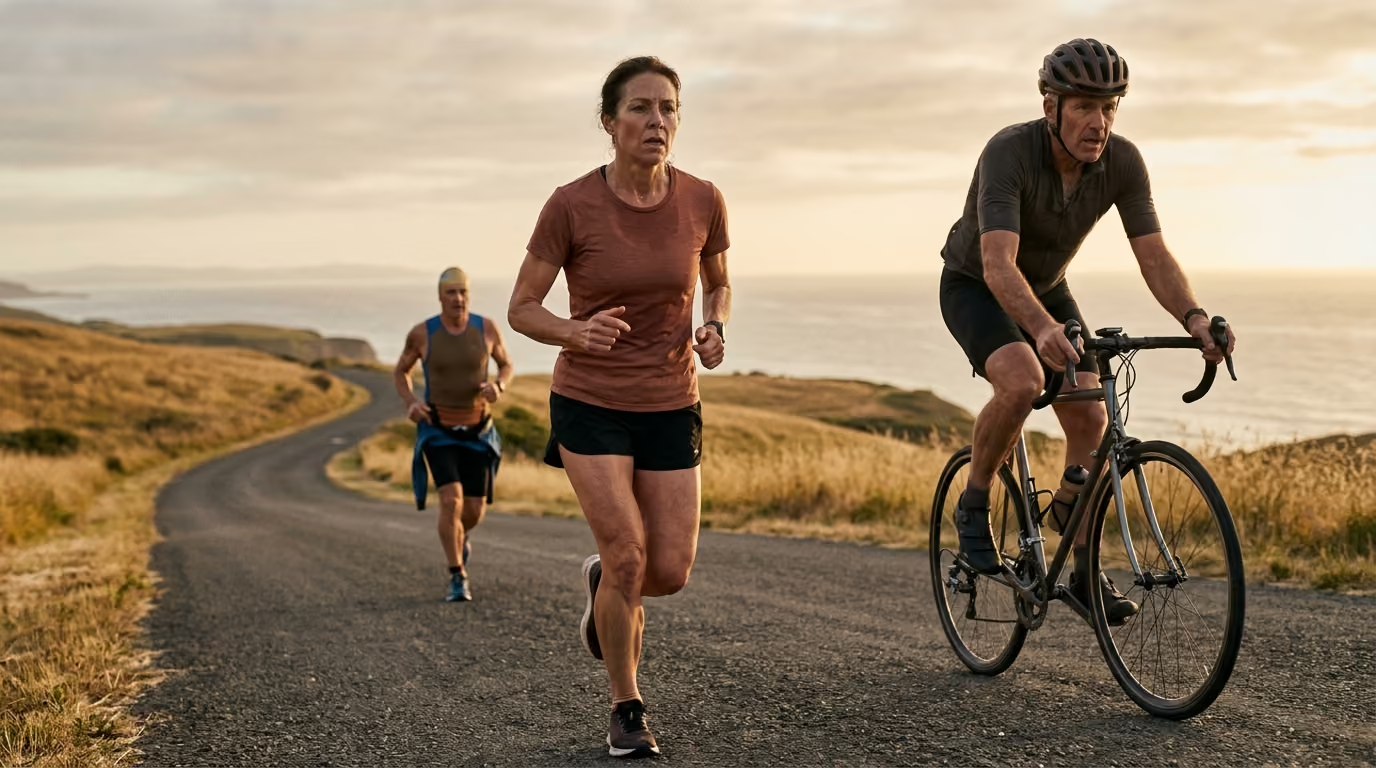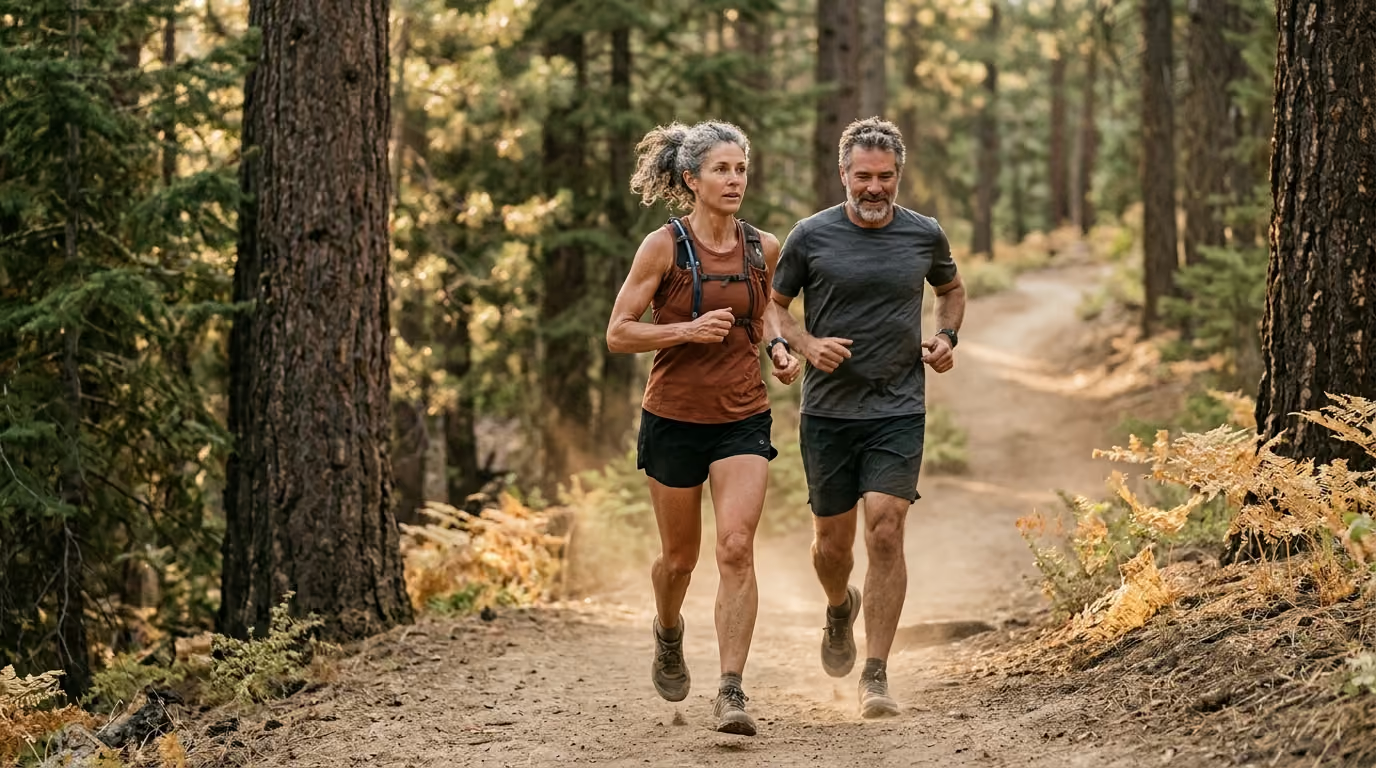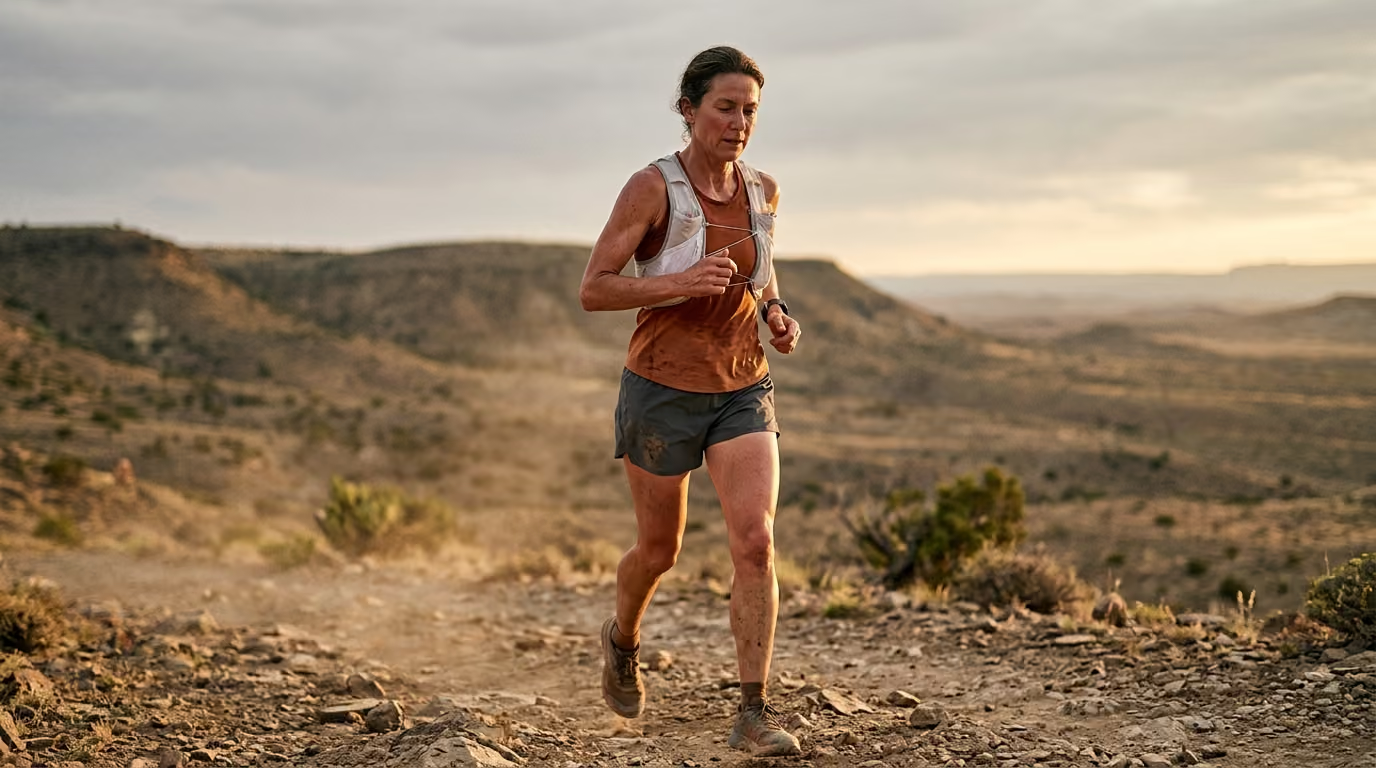

Five critical environmental questions help endurance athletes manage severe heat, cold weather, and high altitude across diverse racing conditions.





You spend sixteen weeks executing every workout on your calendar with precision. Your long runs hit the exact splits, your recovery metrics look solid, and your nutrition strategy feels dialed. Then race morning arrives, bringing an unexpected heat wave, thick humidity, a biting crosswind, or a cloud of drifting wildfire smoke. If you attempt to run your target pace under those conditions, your physiology will quickly break down.
Environmental variables change the physiological cost of every stride and pedal stroke. A pace that feels sustainable at 50 degrees Fahrenheit can quickly lead to severe fatigue at 80 degrees with high humidity. True race readiness requires understanding how temperature, humidity, altitude, wind, and air quality alter internal workload.
When you learn to assess external stressors objectively, you can adapt your pacing, hydration, gear, and race goals before minor stress turns into a medical emergency.
Every race venue presents a unique physiological challenge. Rather than treating bad weather as bad luck, experienced athletes analyze the environment using a clear decision framework.
First, you must identify the primary environmental stressor. Is the main obstacle heat, humidity, cold, wind, high altitude, poor air quality, or a combination of several factors?
Second, you must determine how that stressor alters your physiology. Heat increases cardiovascular strain and core temperature, while altitude directly limits arterial oxygen availability.
Third, you must recognize the realistic timeline for physical adaptation. Heat adaptation can develop within seven to fourteen days of consistent exposure. Altitude acclimatization requires weeks to months, and some aerobic capacity loss remains unavoidable regardless of how long you adapt.
Fourth, you need to identify which direct controls you can apply on race day. Pacing adjustments, cooling methods, fluid intake, clothing choices, and drafting can dramatically change your internal strain.
Finally, you must decide when environmental stress requires changing your race goal. The correct response might mean holding your original plan, adjusting to an effort-based target, focusing solely on a safe finish, or withdrawing from the event.
Managing external conditions is not separate from your competitive plan. The environment directly determines the relationship between your target pace, internal strain, and your likelihood of crossing the finish line safely. You can examine these principles in depth across our evidence-based endurance performance strategies.
Metabolic heat production increases dramatically during hard endurance exercise. Working skeletal muscles convert only a fraction of energy into mechanical movement, releasing the remaining energy as heat. To keep your core temperature within a safe operational range, your body must transfer this heat to the surrounding air through convection, radiation, conduction, and sweat evaporation.
Evaporation is your primary defense against overheating during intense exercise in warm environments. As sweat reaches the surface of your skin, it absorbs thermal energy from your capillaries and evaporates into the air, effectively cooling your circulating blood.
High humidity disrupts this cooling pathway by narrowing the vapor-pressure gradient between your skin and the ambient air. When the air is saturated with moisture, sweat beads up and drips off your body without evaporating. Dripping sweat provides virtually zero cooling benefit while accelerating fluid and electrolyte loss. Sweating profusely does not mean you are cooling effectively.
As your core temperature climbs, your cardiovascular system faces competing demands. Your heart must pump oxygenated blood to working muscles while simultaneously directing large volumes of blood toward the skin for thermoregulation.
This dual demand reduces stroke volume, which is the amount of blood pumped with each contraction. To maintain cardiac output and sustain your target speed, your heart rate must increase. This phenomenon, known as cardiovascular drift, causes your heart rate and perceived exertion to rise even when your pace remains completely flat. A target pace that feels comfortable during the first hour can become unsustainable later as dehydration and heat accumulation compound.
An extensive analysis of 1,258 endurance events published in sports science literature found that peak running performance occurs in wet-bulb globe temperatures between 7.5 and 15 degrees Celsius, which roughly corresponds to air temperatures between 10 and 17.5 degrees Celsius. For every single degree above this optimal range, endurance performance declines by an estimated 0.3 to 0.4 percent across large athletic populations.
Athletes often treat fluid loss as a rigid equation, assuming any weight loss automatically ruins performance. Sports science shows a more nuanced reality. Controlled studies indicate that mild fluid losses of two to three percent of body mass frequently cause no measurable decline in real-world performance or physical capacity.
Dehydration becomes a serious issue when losses exceed approximately three percent of body mass, particularly in hot conditions where blood volume is already diverted to the skin. Dehydration thickens blood, elevates core temperature, impairs thermal comfort, and accelerates fatigue.
The primary goal is starting your event fully hydrated and consuming fluids in a way that minimizes excessive dehydration without causing stomach distress. Individual sweat rates vary wildly, ranging from 0.5 liters to more than 2.5 liters per hour based on body size, intensity, and climate. For a detailed breakdown of sweat testing and electrolyte replenishment, explore our guide to proper race fueling and hydration.
Heat acclimation remains the single most effective intervention for reducing physiological strain in warm environments. Repeated heat exposures stimulate a cascade of protective adaptations that lower resting and exercising core temperatures.
According to consensus statements from the International Olympic Committee, optimal heat acclimation requires 60 to 90 minutes of daily exercise in the heat for approximately two weeks. Meaningful adaptations begin appearing within the first five to seven days. A meta-analysis of randomized controlled trials demonstrated that heat acclimation produces moderate improvements in time-trial performance and lowers maximal exercising heart rate by an average of seven beats per minute.
Physiologically, acclimation expands blood plasma volume, improves whole-body sweat rates, and encourages your body to start sweating at lower core temperatures. Acclimation also prompts the sweat glands to reabsorb sodium, lowering the electrolyte concentration of your sweat and conserving vital minerals.
Acclimation adaptations begin to decay once heat exposure stops. Research indicates that core temperature adaptations decline at an average rate of roughly 2.5 percent per day without continuing heat exposure. Maintaining your adaptation requires at least two maintenance sessions per week in the days leading up to your target event.
External cooling techniques provide immediate relief from thermal strain and help stabilize cardiovascular function. Effective race-day cooling requires planning your methods well before you step up to the starting line.
Pre-cooling before the start lowers baseline core temperature and creates a larger thermal buffer for the early miles. Practical pre-cooling methods include wearing ice vests, draping cold wet towels over your neck and shoulders, and drinking ice-slurry beverages.
During the race, take full advantage of every aid station. Pouring cold water over your head, neck, and forearms lowers skin temperature, reduces thermal sensation, and improves movement efficiency. Placing ice cubes inside your running cap or against your sports bra provides continuous, slow-melting convective and conductive cooling.
Plan your race effort around shaded sections of the course whenever possible. Direct solar radiation adds substantial heat load independent of air temperature, making tree cover and building shadows valuable tactical assets.
Endurance athletes often underestimate cold weather because hard metabolic work generates substantial internal heat. Exercising in cold conditions presents serious challenges regarding muscle function, fuel utilization, manual dexterity, and the risk of hypothermia.
Your body loses heat to a cold environment through four primary mechanisms: conduction, convection, radiation, and respiration. Conduction occurs through direct physical contact with cold surfaces or wet materials, while convection involves the movement of air or water across your skin.
Water conducts heat away from your body roughly twenty-four times faster than air at the same temperature. When rain, sleet, or accumulated sweat soaks your clothing, your body loses heat rapidly. If your exercise intensity drops due to muscle fatigue, hilly terrain, or mechanical issues, your metabolic heat production will plummet while heat loss continues unabated.
Cold exposure alters fuel metabolism by increasing your reliance on muscle glycogen. Shivering and involuntary muscle tension consume stored carbohydrates at accelerated rates, which can trigger premature glycogen depletion if your nutrition intake fails to keep pace.
Managing cold weather requires a functional layering system that regulates moisture and traps warm air without causing excessive sweating.
The base layer sits directly against your skin. Its sole purpose is transporting moisture away from your body toward outer layers. Synthetic fabrics like polyester and polypropylene or natural fibers like merino wool work best. Cotton must be completely avoided because it absorbs moisture, holds it against your skin, and rapidly drains body heat.
The middle layer provides thermal insulation by trapping warm air in tiny pockets within the fabric. Breathable fleece, wool blends, or lightweight synthetic insulation provide warmth without restricting movement. This layer must remain permeable enough to allow moisture vapor from your base layer to pass through freely.
The outer layer serves as a protective shell against wind, rain, and snow. A quality technical shell features a breathable membrane that blocks outside moisture and convective wind while allowing internal moisture vapor to escape. Look for shells equipped with mechanical ventilation features, such as underarm zippers, which let you dump heat quickly on steep climbs.
Protecting your extremities is vital for safety and comfort. Vasoconstriction reduces peripheral blood flow to your hands and feet to preserve core temperature, leaving your fingers and toes vulnerable to numbness and frostbite. Wear moisture-wicking socks, windproof shoe covers, thermal gloves or mittens, and a breathable hat that covers your ears.
Wind chill represents the combined cooling effect of air temperature and wind speed on exposed skin. Moving air strips away the thin layer of warm air that naturally surrounds your body, accelerating convective heat loss.
The American College of Sports Medicine recommends heightened surveillance when the wind-chill temperature falls below minus 27 degrees Celsius, or minus 18 degrees Fahrenheit. At these temperatures, exposed skin can develop frostbite in thirty minutes or less, particularly when skin is wet or wind speeds are elevated.
Wind also introduces a substantial mechanical tax on movement. Running into a strong headwind increases the metabolic energy required to maintain a given pace. In cycling, aerodynamic drag accounts for the vast majority of resistance at racing speeds, meaning that pushing into a headwind can cut your forward speed dramatically while demanding maximum power output.
When cycling into variable winds, rely strictly on power output or perceived exertion rather than chasing an arbitrary road speed. Attempting to hold a specific speed into a block headwind will drain your glycogen stores early in the race. Adjust your riding posture to minimize frontal surface area, and utilize legal drafting whenever race regulations allow.
Hypothermia occurs when your core body temperature falls below 35 degrees Celsius, or 95 degrees Fahrenheit. It develops quietly when cold, wet conditions combine with physical exhaustion and inadequate clothing.
Mild hypothermia presents as persistent, uncontrollable shivering, cold and pale skin, loss of fine motor dexterity in the fingers, and mild apathy. If an athlete continues to lose heat, they progress into moderate hypothermia. Shivering may stop entirely, muscles become rigid, speech becomes slurred, and the athlete exhibits confusion, poor coordination, and irrational behavior.
Immediate field management requires stopping heat loss. Move the affected athlete into a warm, sheltered environment away from wind and rain. Remove all wet clothing immediately and replace it with dry, insulating layers and blankets. Cover the head and neck, as substantial heat radiates from the scalp. Provide warm, sweet, non-caffeinated beverages if the athlete is fully conscious and capable of swallowing safely.
Traveling to an event at high elevation introduces an unavoidable physiological challenge. The fundamental obstacle at altitude is not a lower percentage of oxygen in the air, but a decrease in barometric pressure.
The fraction of oxygen in ambient air remains constant at approximately twenty-one percent across all elevations. As you ascend above sea level, total atmospheric pressure drops, reducing the partial pressure of oxygen in the air you breathe.
This drop in partial pressure lowers the pressure gradient that drives oxygen across the alveolar membrane into your bloodstream. Arterial oxygen saturation falls, reducing the total volume of oxygen delivered to your working muscles per minute.
Acute exposure to moderate altitude causes a marked reduction in your maximal oxygen uptake, known as VO2 max. Research indicates that VO2 max declines by approximately fifteen to twenty percent at moderate elevations between 2,000 and 3,000 meters above sea level. Submaximal efforts require a higher percentage of your available aerobic capacity, which elevates your ventilation rate, resting heart rate, and blood lactate concentration for any standard pace.
Acclimatization helps your body cope with reduced oxygen availability through several compensatory mechanisms. Within hours of arrival, your ventilation rate increases to draw more oxygen into the lungs, and your kidneys begin excreting bicarbonate to balance your blood pH.
Over subsequent days and weeks, your body increases erythropoietin production, stimulating the bone marrow to produce more red blood cells and hemoglobin. This structural adaptation increases the oxygen-carrying capacity of your blood, helping offset the lower arterial saturation.
Sports science shows that acclimatization cannot fully restore sea-level aerobic performance at elevations above 3,000 meters. The IOC consensus and high-altitude research show that while submaximal comfort improves significantly over two to four weeks, maximal aerobic capacity remains depressed compared to sea-level baselines.
Acclimatization varies widely between individual athletes. Tracking resting oxygen saturation or morning heart rate provides general feedback, but research demonstrates that resting metrics do not reliably predict exercising performance at elevation.
Your arrival timing significantly influences race performance. Two distinct arrival strategies exist for sea-level athletes competing at altitude:
Arriving within eighteen to twenty-four hours of your event minimizes exposure to altitude-induced sleep disruption, fluid shifts, and respiratory fatigue. You race before the full systemic stress of acute altitude sickness takes hold, though you must accept a reduced aerobic capacity.
Arriving at least ten to fourteen days prior to competition allows your body to complete initial ventilatory and fluid adjustments. This approach improves submaximal exercise comfort, stabilizes sleep quality, and restores plasma volume balance, but it requires substantial time and logistics.
Arriving between three and six days before an event is often the worst window. During this middle phase, sleep disruption, dehydration, and systemic fatigue peak, while meaningful hematological adaptations have not yet developed.
On race day, discard sea-level pace targets entirely. Pace your effort using perceived exertion, breathing rhythm, or power output. If you try to run your normal sea-level 10K or marathon splits at altitude, you will accumulate oxygen debt within the first mile and struggle through the remainder of the event. Allow longer recovery intervals after surges, back off aggressively on uphill sections, and drink extra fluids to counter the dehydrating effects of dry mountain air.
Endurance athletes face elevated risks from air pollution and wildfire smoke due to the massive volume of air moved through their lungs during exercise.
At rest, an average adult breathes approximately six to ten liters of air per minute. During hard endurance exercise, minute ventilation can exceed 100 to 150 liters per minute. Heavy exercise also forces a switch from nasal breathing to oral breathing, bypassing the natural filtration and humidification systems of the nasal passages.
Wildfire smoke contains a toxic mixture of gases and fine particulate matter, specifically particles with a diameter of 2.5 microns or smaller, designated as PM2.5. These microscopic particles penetrate deeply into the alveolar regions of your lungs, where they enter the bloodstream, trigger systemic inflammation, irritate airway tissues, and impair gas exchange.
Inhaling particulate pollution during exercise increases airway resistance, aggravates exercise-induced bronchoconstriction, and places extra strain on your cardiovascular system. For athletes over forty or those with underlying respiratory conditions, smoke exposure significantly elevates the risk of acute asthma attacks and cardiac events.
Navigating poor air quality requires clear operating rules. Public health agencies utilize the Air Quality Index, or AQI, while Canadian organizations rely on the Air Quality Health Index, or AQHI.
When the AQI sits between 0 and 50, air quality is satisfactory and outdoor training proceeds normally. When the AQI registers between 51 and 100, air quality is acceptable, though highly sensitive athletes should monitor for unusual cough or throat irritation.
When the index rises into the 101 to 150 range, labeled Unhealthy for Sensitive Groups, athletes with asthma, allergies, or cardiovascular conditions should move training sessions indoors. Healthy athletes should consider reducing the duration and intensity of outdoor workouts.
When the AQI enters the 151 to 200 range, categorized as Unhealthy, all athletes should avoid strenuous outdoor training. High-intensity intervals and prolonged long runs must move indoors to a facility with filtered air. Public health guidelines and the Australian Institute of Sport recommend canceling or postponing competitive outdoor events when conditions exceed this threshold.
Readings above 200 represent Very Unhealthy or Hazardous conditions. All outdoor physical activity must cease immediately, and athletes should focus on indoor recovery or light cross-training using HEPA-filtered air.
Consistently monitor local air quality forecasts using reliable real-time tracking applications before heading outside for training. Air quality can shift dramatically within a few hours based on local wind direction, temperature inversions, and active fire behavior.
If your local index approaches moderate or unhealthy thresholds, modify your training route. Avoid running or cycling alongside major highways, industrial zones, and urban corridors where vehicle exhaust concentrates particulate matter. Choose wooded parks or open green spaces that sit far from heavy traffic.
Wearing an N95 respirator can filter out fine particulate matter during low-intensity outdoor walking or commuting. However, wearing a tightly fitted respirator during hard training creates substantial breathing resistance and is impractical for competitive racing. Do not use an N95 mask as an excuse to perform strenuous workouts in dangerous wildfire smoke.
If you develop coughing, wheezing, chest tightness, throat burning, or unusual dizziness during an outdoor workout, stop immediately and move indoors. Continuing to push through respiratory distress causes lasting airway inflammation that can derail your training block for weeks. For practical advice on structuring safe indoor alternatives, consult our guide to structured training and performance planning.
Environmental variables rarely appear in isolation. Real-world race conditions typically present complex combinations of multiple stressors that multiply physiological strain.
When high ambient temperature pairs with saturated humidity, your body faces a severe thermoregulatory crisis. The high temperature drives heat into the body through radiation and convection, while the thick humidity prevents sweat from evaporating.
Your core temperature climbs rapidly, cardiovascular drift accelerates, and gastrointestinal blood flow drops as blood rushes to the skin. This dual stress requires aggressive pre-cooling, early pace reductions of five to fifteen percent, and strict adherence to effort-based racing.
A dry 40-degree Fahrenheit day can provide exceptional conditions for a road marathon. However, that same 40-degree temperature paired with steady rain and a 20-mile-per-hour wind creates a dangerous hypothermia hazard.
Rain completely destroys the insulating capacity of traditional running apparel, while wind accelerates convective cooling. An athlete who slows their pace on a long downhill or stops to fix a flat tire can experience a rapid drop in core temperature within minutes. Surviving these conditions requires technical waterproof shells, sealed gloves, and an immediate focus on warmth over split times.
Racing at elevation in hot weather forces your body to manage two severe physiological compromises simultaneously. Hypoxia restricts the volume of oxygen delivered to your working muscles, while the heat demands that substantial blood volume be diverted away from muscles toward the skin for cooling.
Your aerobic ceiling drops significantly under this combined load. You must pace your event with extreme conservatism, maintain vigilant hydration to counter dry mountain air, and accept that finishing times will be substantially slower than sea-level marks.
Wildfire smoke frequently coincides with summer heat waves, trapping athletes between thermal strain and respiratory toxicity. High ambient temperatures increase your breathing rate, which directly amplifies the volume of toxic particulate matter pulled into your lungs.
In this scenario, outdoor racing should generally be abandoned. Attempting to manage severe heat stress while breathing fine particulate pollution places an unacceptable burden on your heart and lungs.
Navigating environmental challenges requires transforming sports science into practical, step-by-step actions on race day.
When you arrive from a cool climate to find race-day temperatures twenty degrees warmer than your training conditions, follow this structured plan:
When facing prolonged exposure to cold rain and freezing winds on remote mountain trails, execute these defensive steps:
When competing on a road cycling course exposed to severe crosswinds and headwinds, apply this mechanical and tactical framework:
When competing at elevations above 2,500 meters without prior acclimatization, implement this protective pacing strategy:
Aging alters your physiological response to extreme environmental stress. Athletes over forty and fifty can continue competing at exceptional levels, but they must account for specific changes in thermoregulation, fluid balance, and cardiovascular reserve.
Thermoregulatory efficiency declines gradually with advancing age. Aging skin exhibits a lower density of active sweat glands and reduced capillary blood flow, which impairs the rate of heat dissipation during hard exercise. Older athletes take longer to initiate sweating, store heat more rapidly in warm conditions, and face an elevated risk of exertional heat illness.
Thirst perception also decreases with age. Master athletes frequently fail to recognize dehydration during long events because their central osmoreceptors trigger weaker thirst signals. Relying solely on thirst often leads to significant fluid deficits, making a practiced, scheduled hydration plan essential for older runners and cyclists.
In cold environments, master athletes experience accelerated convective heat loss due to reduced subcutaneous fat and slower peripheral vasoconstriction reflexes. Maintaining muscle temperature requires longer, more gradual warm-up routines and proactive clothing adjustments to prevent muscle strains and joint stiffness. You can review our dedicated resources on longevity and healthy aging protocols for more guidance on training through the decades.
Post-race recovery from environmental stress takes longer as you age. Intense heat, altitude, and smoke exposure induce systemic inflammation and cellular oxidative stress that require dedicated rest. Integrate structured soft-tissue work, adequate sleep, and targeted nutrition into your routine using our targeted recovery and mobility routines.
Endurance athletes frequently fall victim to conventional wisdom that contradicts environmental exercise science.
Many athletes believe that sweating heavily proves their cooling system is working efficiently. Sweating provides cooling only when that moisture evaporates into the surrounding air. In humid environments, heavy sweating leads to dehydration without providing meaningful heat dissipation.
Some runners believe they must replace every gram of fluid lost during exercise. Forcing excessive water intake beyond your natural sweat rate does not improve performance and can cause exercise-associated hyponatremia. This dangerous condition occurs when excess water dilutes blood sodium levels, leading to cellular swelling, confusion, seizures, and potential collapse.
Completing a two-week heat acclimation protocol significantly improves your thermal tolerance, but it does not make you immune to heat illness. Acclimated athletes can still overheat if they push unsustainable paces, neglect hydration, or compete in extreme wet-bulb globe temperatures. Acclimation provides a wider buffer, not an absolute shield.
Athletes often rely entirely on fingertip pulse oximeters to evaluate their altitude acclimatization. Research demonstrates that resting SpO2 levels and resting morning heart rates do not change systematically during altitude stays and correlate poorly with exercising capacity at elevation. Evaluate your readiness using submaximal exercise response rather than static resting numbers.
Athletes often step onto the starting line wearing heavy, non-breathable jackets because they feel chilly while standing still. Once racing begins, metabolic heat production increases tenfold, causing heavy sweating that saturates their inner clothing layers. When their pace slows later in the race, that trapped moisture chills the body and increases hypothermia risk. Start your event feeling slightly cool, knowing that physical effort will warm you within ten minutes.
Relying on cheap, non-breathable plastic shells during wet, windy events creates a personal greenhouse. Sweat vapor cannot escape, condensing on the inside of the jacket and soaking your base layer from within. Always invest in high-quality technical membranes featuring active venting options to manage moisture effectively.
Objective tracking metrics allow you to evaluate your environmental tolerance and determine whether your acclimation strategies are producing real physiological adaptations.
Determine your fluid needs by calculating your hourly sweat rate under race-like conditions:
First, weigh yourself naked immediately before a one-hour training session at your target race pace and record the value in kilograms or pounds.
Second, complete the one-hour workout, tracking the exact volume of water you consume in milliliters or fluid ounces. Do not urinate during the testing hour.
Third, towel off all sweat and weigh yourself naked again immediately following the workout.
Subtract your post-exercise weight from your pre-exercise weight, add the weight of the fluid you consumed, and subtract any urine volume produced. The resulting number represents your baseline sweat rate per hour for that specific temperature, humidity, and intensity. Repeat this test across different seasons to build an accurate hydration reference profile.
Monitor your cardiovascular drift during steady-state workouts in the heat using the aerobic decoupling metric, often labeled as Pw:HR or Pa:HR in training analysis software.
A standard endurance workout in temperate conditions typically shows a decoupling rate below five percent, meaning heart rate and pace remain closely aligned across the session.
If your decoupling rate climbs to eight, ten, or twelve percent during a warm run, your cardiovascular system is experiencing substantial thermal drift. Track this metric across a two-week heat acclimation block; as your body adapts, your decoupling percentage will drop back toward normal baselines.
When adapting to altitude or recovering from severe heat stress, record resting morning metrics to monitor systemic strain. Track resting heart rate, heart rate variability, sleep quality, and perceived muscle soreness every morning.
A sustained spike in resting heart rate paired with a sharp drop in heart rate variability indicates incomplete recovery from environmental stress, signaling that you should reduce training intensity for the day.
Revisit this environmental guide whenever you begin planning an A-priority target race that takes place in a climate substantially different from your home training grounds. Review these protocols four to six weeks before traveling to a hot, cold, high-altitude, or humid venue so you have sufficient time to execute proper acclimation blocks, select appropriate technical apparel, and dial in your pacing adjustments.
Environmental conditions will always remain outside your personal control on race morning. By understanding the underlying exercise physiology, respecting the real limits of human performance, and executing a proactive environmental strategy, you can turn severe weather from a race-ending obstacle into a distinct competitive advantage.

Follow ReEndure for practical insights on endurance training, recovery, nutrition and healthy aging. Stay connected for new articles, research led guidance and ideas to help you perform better for longer.


Read practical ideas on endurance training, recovery, nutrition and healthy aging to keep progressing for years to come.
Read the Blog