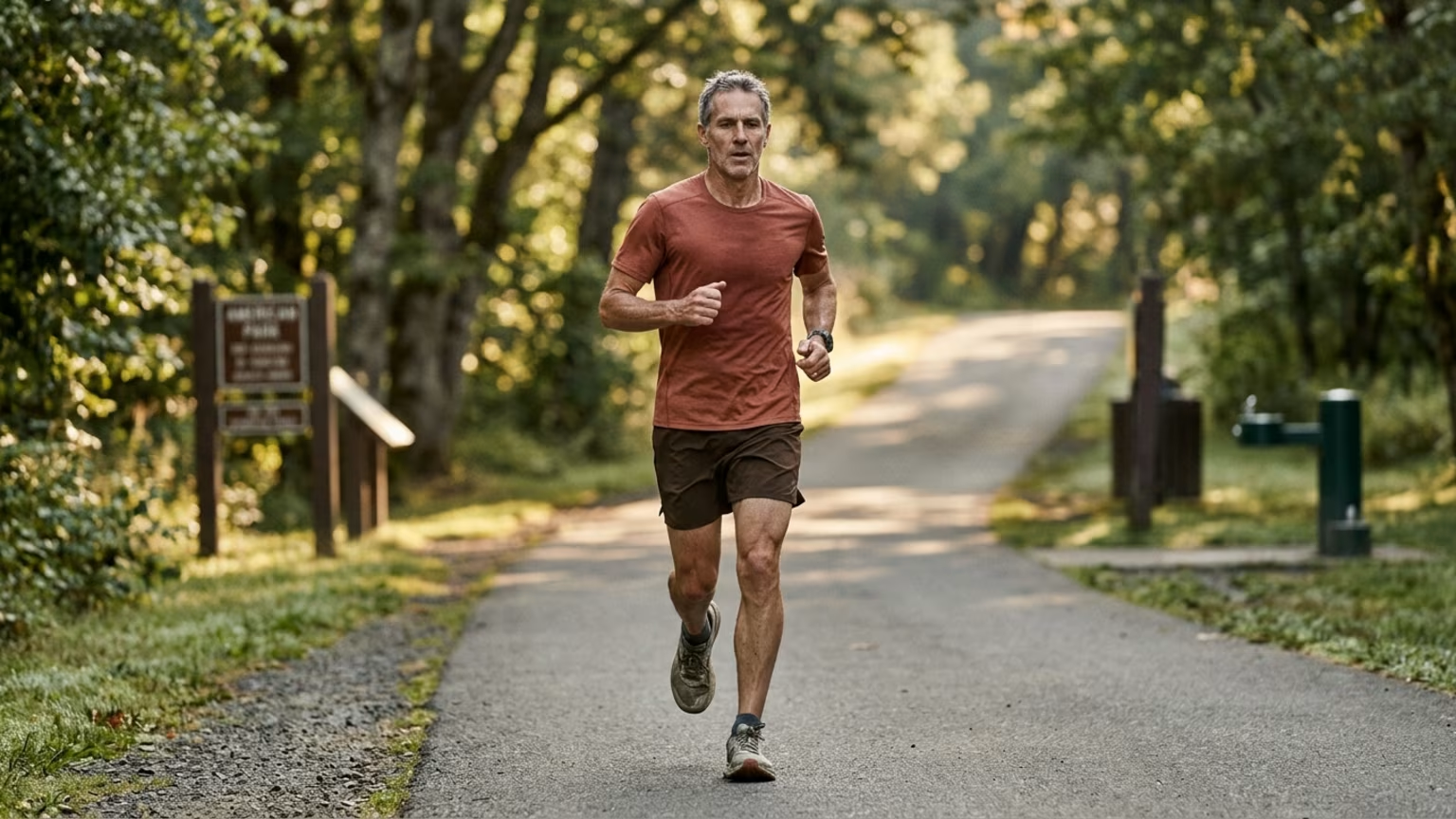

Learn how endurance athletes over 35 can preserve function through consistent aerobic volume, resistance training, and targeted daily nutrition.





Active aging is the deliberate preservation of physical function, strength, and cardiovascular health through consistent aerobic exercise, resistance training, and targeted daily nutrition.
Endurance athletes face a natural shift in muscle protein synthesis as they get older. The body gradually becomes less efficient at maintaining muscle tissue without a highly specific physical stimulus. This physiological reality requires older adults to carefully manage their training and recovery protocols. A systematic review confirms that age-related anabolic resistance is not necessarily an insurmountable barrier.
Counteracting this natural decline requires precision in both exercise and nutrient intake. Combining exercise with adequate protein, amino acids, and leucine can effectively restore muscle-protein-synthesis rates in older adults. This targeted process brings those synthesis rates back to levels comparable with younger adults. Athletes must realize that their bodies require a more deliberate approach to maintenance than they did at age twenty.
Aerobic exercise alone does not provide the necessary mechanical tension to preserve all physical function. A 2026 systematic review and meta-analysis evaluated 41 randomized controlled trials involving 3,141 participants. This analysis found that resistance exercise significantly improved muscle-specific strength in older adults. The findings demonstrated a standardized mean difference of 0.61 and a 95 percent confidence interval of 0.27 to 0.94.
Running or cycling primarily trains the cardiovascular system rather than building dense muscle tissue. The same 2026 review concluded that evidence for aerobic exercise alone was inconclusive for that specific strength outcome. Endurance athletes must recognize that logging miles cannot replace the physiological benefits of lifting heavy weights. Integrating a dedicated strength routine becomes non-negotiable for preserving long-term durability.
Preserving cardiovascular health for endurance athletes still requires dedicated volume and sustained intensity over the long term. The World Health Organization provides a concrete framework for building this weekly routine. Their guidance recommends that older adults complete 150 to 300 minutes of moderate-intensity aerobic activity weekly. Alternatively, athletes can perform 75 to 150 minutes of vigorous activity each week.
Hitting these aerobic targets requires a thoughtful approach to weekly scheduling and physical recovery. This aerobic volume must happen alongside muscle-strengthening activity on at least two days per week. Competitive athletes often train above these basic levels during peak racing seasons. However, the guideline gives recreational athletes a highly defensible baseline for general health and longevity.
Frequent daily movement can supplement a highly structured endurance training program. Researchers often evaluate these short bouts of activity as exercise snacks. A meta-analysis of 21 studies involving 921 participants examined this specific approach across different demographics. The analysis found measurable improvements in peak power across the examined age groups.
While short bursts of activity help maintain power, they have distinct limitations for older athletes. The meta-analysis reported that VO2max improvement was not statistically evident in studies where participants were over 50. Short bouts support overall function and general mobility for aging adults. However, they simply do not replace the cardiovascular adaptations created by a proven endurance plan.
Training adaptations rely entirely on having the right building blocks available for muscular recovery. The International Society of Sports Nutrition position stand outlines clear daily targets for active populations. The guidance states that 1.4 to 2.0 grams of protein per kilogram of body weight per day is sufficient. This daily intake helps most exercising individuals build or maintain lean muscle tissue effectively.
Applying these guidelines requires simple math based on an athlete's total body weight. For a 75-kilogram athlete, the ISSN range corresponds to approximately 105 to 150 grams of protein per day. Athletes with underlying medical conditions should seek professional advice before adopting high protein diets. The primary goal is to provide enough structural support for the body to repair exercise-induced muscle damage.
The timing and distribution of these nutrients dictate how well the aging body utilizes them. The ISSN provides a general per-serving range of approximately 0.25 grams per kilogram. This specific measurement equates to roughly 20 to 40 grams of protein per meal. Athletes should space these servings every three to four hours for optimal metabolic results.
Mike Annear, Hoani Smith, and Richard Keith Wright recently examined continued athletic performance later in life. Distributed by Mirage.News courtesy of The Conversation, their feature highlights several high-performing older athletes. The authors argue that aging does not automatically mean major losses in fitness, strength, or independence. Research actually suggests that meaningful improvements in cardiorespiratory fitness and strength can continue beyond age 70.
Professional athletes offer highly visible proof of what consistent training makes possible over time. LeBron James was averaging 20.9 points and 7.2 assists during his 23rd NBA season at age 41. Courtney Dauwalter won the 2026 Hardrock Hundred Mile Endurance Run at age 41. The feature also points to Kazuyoshi Miura at 59, Lionel Messi at 39, and Cristiano Ronaldo at 41.
The longevity of professional careers continues to challenge historical assumptions about biological aging. Ma’a Nonu continued his athletic career at 44. Chunli Li remarkably returned to Commonwealth Games competition at 52 after an extended period of retirement. These specific individuals benefit from exceptional genetics, extensive training histories, and world-class professional support systems.
Recreational competitors also establish exceptional benchmarks for physical capability in their later decades. The feature notes Kenton Brown as holding a sub-15-second 100-meter world record in the over-80 men’s category. It also names Sarah Roberts as holding a sub-seven-minute mile world record in the over-75 women’s category. These older athletes represent rare survivorship examples rather than a guaranteed baseline that every person should reproduce.
Adapting endurance training by decade helps ambitious adults aged 35 to 65 translate these extreme examples into realistic daily habits. Elite competitors routinely utilize physiotherapists, nutritionists, and specialized coaches to manage their extensive workloads. Everyday athletes should focus purely on the underlying consistency of their own aerobic and resistance training. Those looking to balance aerobic work, intervals, and strength can establish a much safer and highly effective long-term routine.
Sustaining athletic performance requires proper attention to basic physiological recovery between hard training sessions. The underlying feature emphasizes training but does not provide specific hydration targets or sleep-duration recommendations. Athletes should view hydration and sleep as sensible supporting pillars rather than guaranteed performance levers. Fluid intake always requires strict individualization based on climate, personal sweat loss, and specific medical considerations.
Measuring functional progress helps veteran athletes stay motivated without relying on highly unrealistic performance comparisons. Tracking the ability to complete a weekly training routine safely offers an excellent metric for progress. Creating a sustainable training strategy for masters athletes requires an intense focus on consistent everyday movement. The most severe threat to function and overall quality of life is simply a gradual slide into inactivity.
Endurance longevity does not require imitating the extreme workloads of genetic outliers, but rather relying on consistent aerobic volume, targeted resistance training, and deliberate daily nutrition to preserve physical capability for life.

Follow ReEndure for practical insights on endurance training, recovery, nutrition and healthy aging. Stay connected for new articles, research led guidance and ideas to help you perform better for longer.


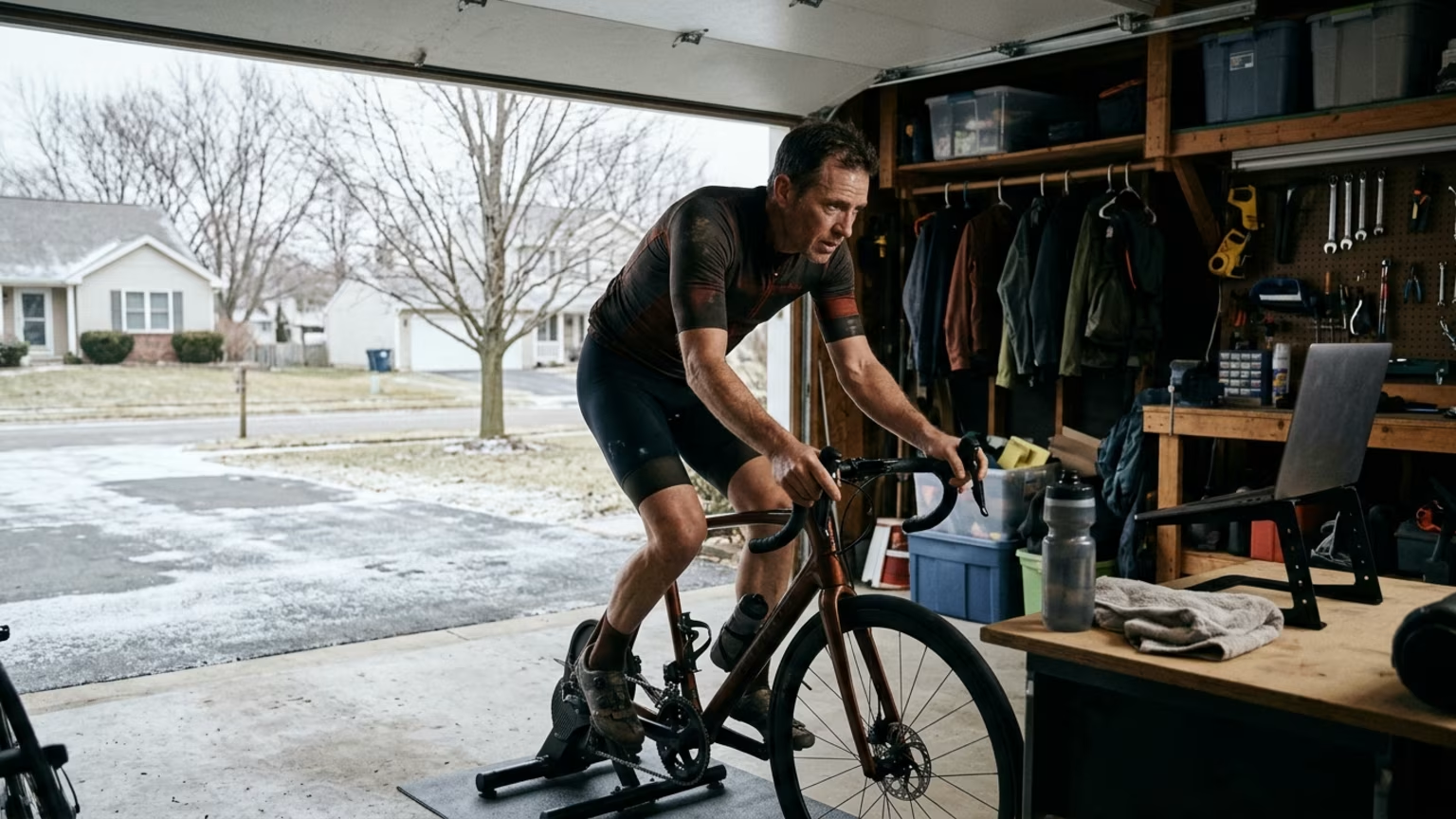


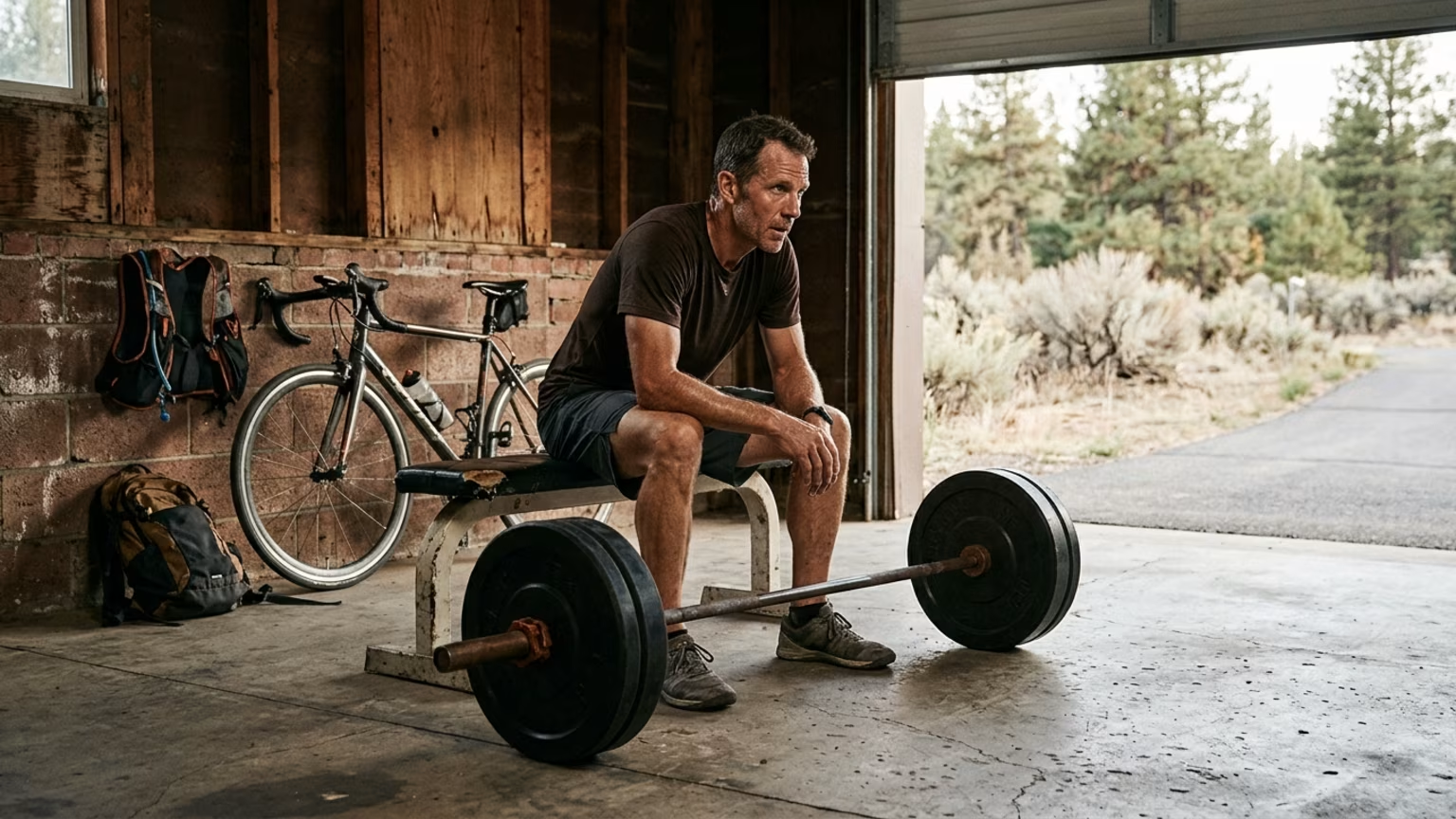
Read practical ideas on endurance training, recovery, nutrition and healthy aging to keep progressing for years to come.
Read the Blog