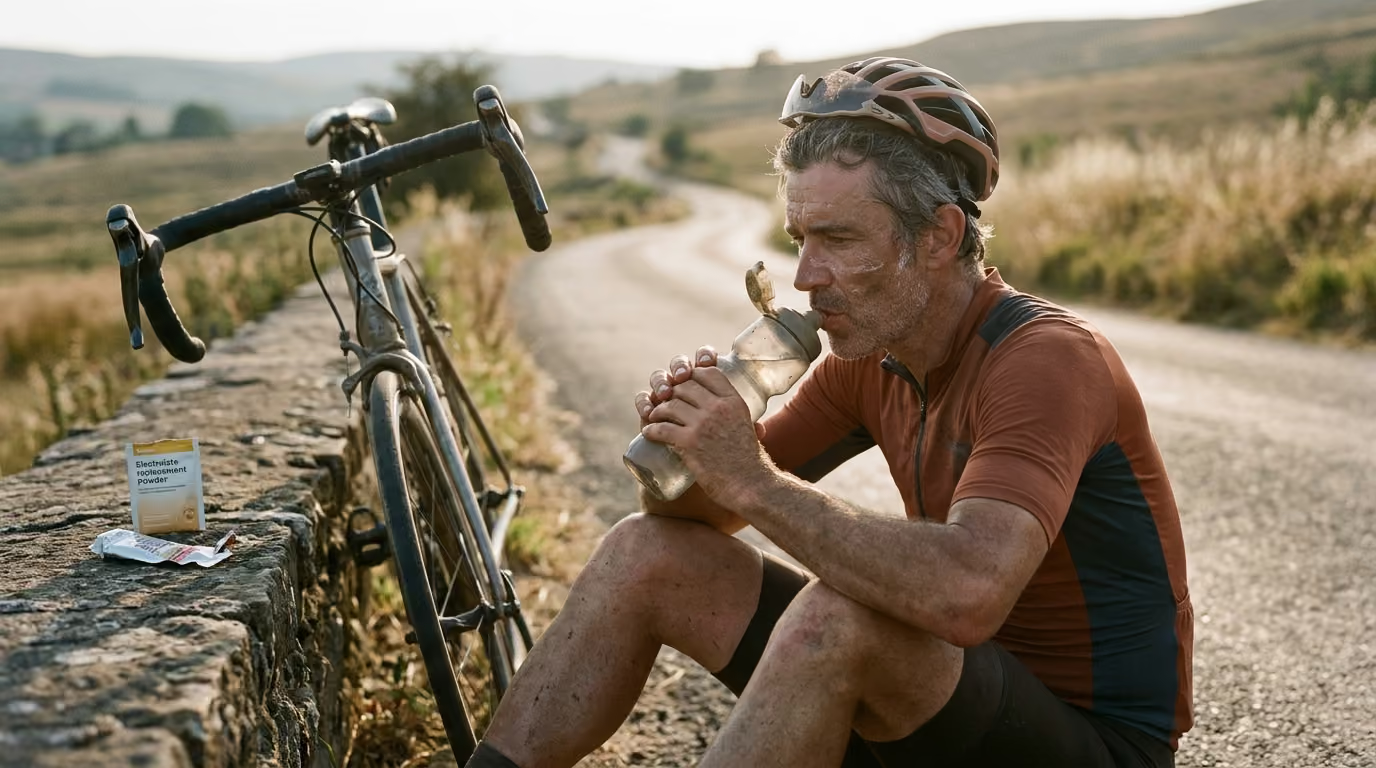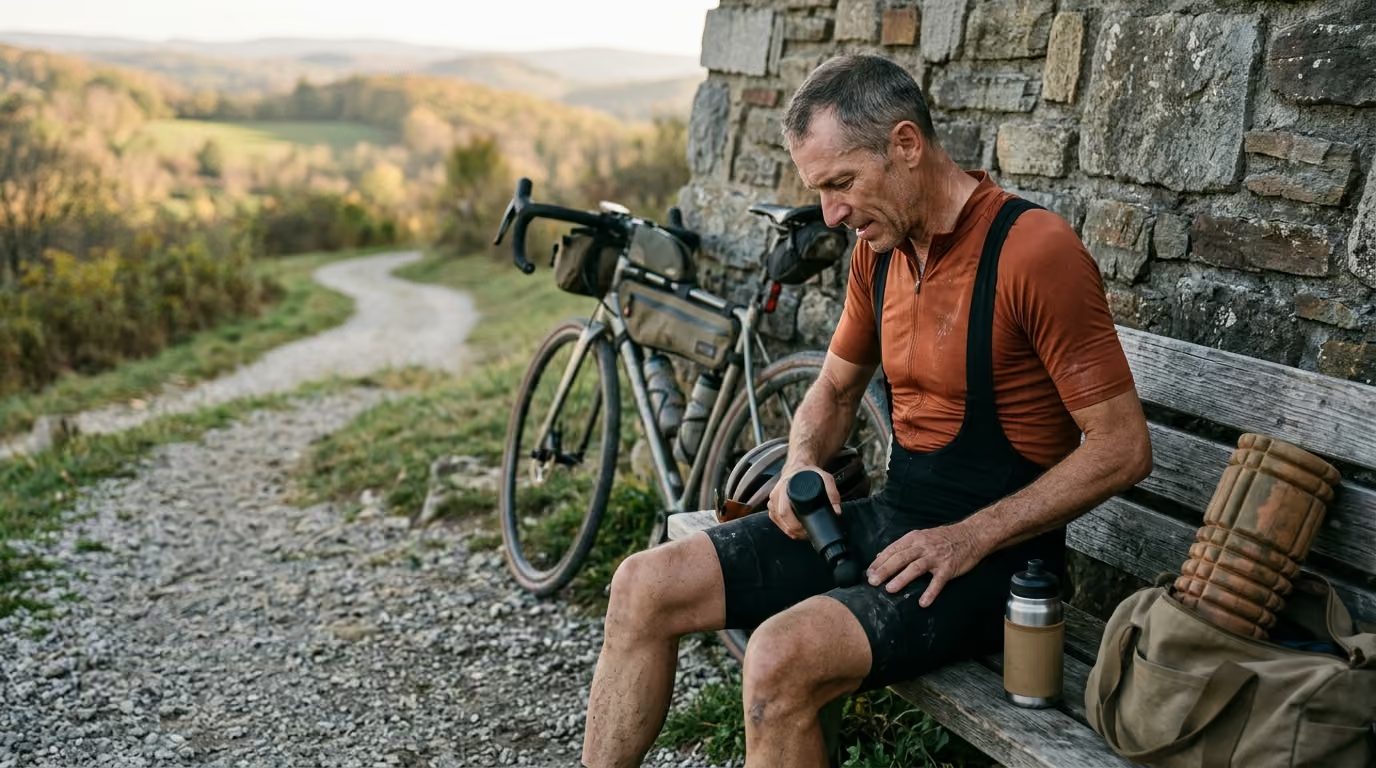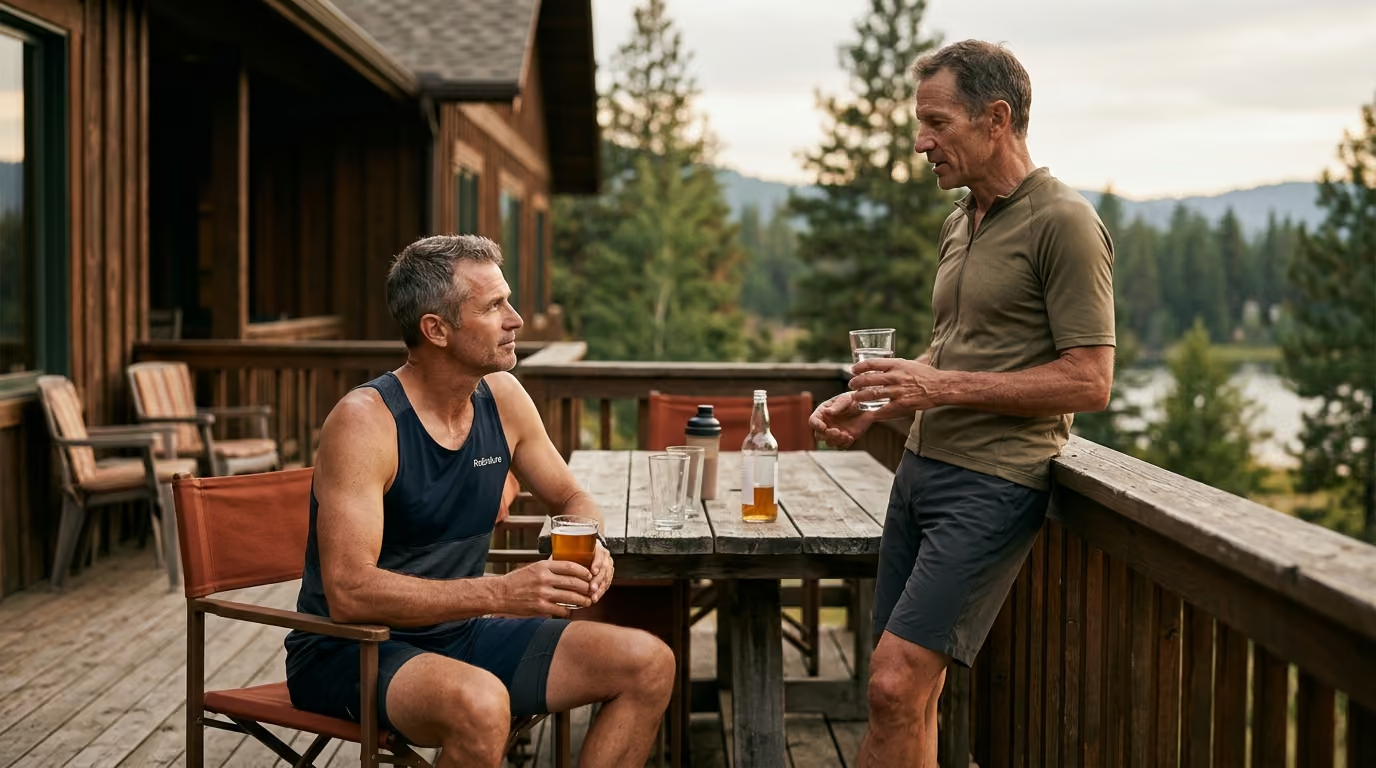

Grabbing a celebratory post-run beer with training partners affects deeper cellular repair and muscle protein synthesis despite feeling rested the next morning.





Many endurance athletes assume that waking up without a headache means their body absorbed yesterday's training session without a penalty. In reality, subjective readiness and cellular recovery operate on completely separate tracks. An athlete can wake up feeling relatively normal, yet their underlying physiological restoration remains incomplete. Understanding how alcohol influences the recovery process requires moving past simple moralizing to examine the exact biological systems involved.
Athletic recovery is not a single outcome that can be judged solely by muscle soreness or perceived energy. It represents an interconnected system involving muscle protein synthesis, glycogen storage, fluid balance, sleep architecture, and autonomic nervous system regulation. When an athlete consumes alcohol after training, every one of these systems faces a distinct challenge. Evaluating these trade-offs with scientific precision allows athletes over 35 to make informed decisions that support both their athletic goals and their social lives.
Most athletes assess their recovery through immediate subjective feelings. If their legs do not ache and they feel alert after a morning coffee, they assume the previous evening's drinks caused zero harm. This assumption overlooks the hidden physiological processes that dictate long-term athletic adaptation.
Recovery operates across several distinct operational layers:
This layer includes feelings of relaxation, perceived sleepiness, reduced muscle stiffness, or the social enjoyment of celebration. Alcohol acts as a central nervous system depressant, which can temporarily numb sensations of fatigue or soreness. This temporary numbness often masks genuine neuromuscular strain.
This level involves cellular processes occurring in the 24 hours following a hard workout. It includes the rehydration of intracellular spaces, the replenishment of hepatic and muscular glycogen stores, and the repair of micro-tears in skeletal muscle fibers. It also encompasses the stabilization of the endocrine system and the reduction of systemic inflammation.
The third layer covers next-day physical capacity. It measures whether an athlete can produce maximal force, maintain aerobic pace, sustain mental focus, and execute technical movements safely. Research indicates that certain physical qualities, such as single-effort power, may appear preserved even while motor coordination and cognitive processing are compromised.
Repeated small disruptions to molecular signaling pathways can blunt the long-term benefits of training. Muscle protein synthesis, mitochondrial biogenesis, and chronic tissue remodeling require uninterrupted cellular cascades. Chronic interference with these pathways reduces the structural return on an athlete's physical investment over weeks and months.
The final layer involves the actions that alcohol frequently replaces. When an athlete drinks, they often delay their post-workout meal, skip necessary rehydration protocols, consume low-quality processed food, or cut their total sleep opportunity short. This indirect behavioral disruption often causes more measurable physiological damage than the ethanol itself.
An unchanged soreness score does not prove that cellular recovery proceeded smoothly. Multiple laboratory studies demonstrate that hormones, immune markers, and protein synthesis rates can shift significantly without producing an immediate spike in perceived muscle pain. To optimize training outcomes, athletes must examine how alcohol influences each individual physiological system.
Sleep represents the primary physical and cognitive recovery tool available to an endurance athlete. While many people believe a nightcap helps them rest, alcohol is a potent disruptor of sleep architecture. It acts as a sedative rather than a sleep aid, altering the natural progression through necessary sleep stages.
Alcohol shortens the time it takes to fall asleep by enhancing gamma-aminobutyric acid activity in the brain. This sedative effect creates the false impression of high-quality rest. An athlete falls asleep quickly and believes the drink aided their recovery.
However, sedation is not physiological sleep. The presence of circulating ethanol alters the natural balance between slow-wave deep sleep and rapid eye movement sleep throughout the night.
The body processes alcohol in a predictable biphasic pattern across the night:
A comprehensive systematic review of sleep research found that rapid eye movement sleep disruption occurs even at low alcohol doses of 0.50 grams per kilogram of body mass or less. That amount equals roughly two standard drinks for an average adult. As the dose increases toward 0.85 grams per kilogram, or roughly four to five standard drinks, rapid eye movement sleep is delayed significantly and reduced in total duration.
Alcohol also affects the physical mechanics of breathing during sleep. It relaxes the muscles of the upper airway, which increases the frequency of snoring and worsens sleep-disordered breathing events. This reduces nocturnal oxygen saturation and forces the cardiovascular system to work harder.
Athletes who wear biometric trackers consistently observe elevated resting heart rates and depressed heart rate variability after drinking. The sympathetic nervous system remains dominant, preventing the deep parasympathetic recovery required to reset the central nervous system. When planning evidence-based recovery routines, protecting sleep quality should always remain the primary objective.
Endurance training and resistance exercise both trigger muscle protein turnover. The mechanical tension and metabolic stress of a workout cause micro-trauma in muscle fibers, stimulating muscle protein synthesis to repair and strengthen the tissue. Alcohol acts as a direct inhibitor of this anabolic remodeling process.
The landmark laboratory trial evaluating post-exercise muscle protein synthesis was conducted by Evelyn Parr and her colleagues in 2014. The researchers examined physically active men who performed strenuous concurrent exercise consisting of resistance training followed by high-intensity cycling.
The study compared three post-exercise nutrition protocols:
The findings showed that alcohol consumed with carbohydrate reduced myofibrillar muscle protein synthesis by approximately 37 percent compared with the protein-only condition. When athletes consumed the large alcohol dose alongside 25 grams of protein, muscle protein synthesis was still 24 percent lower than with protein alone.
A widespread belief among athletes is that drinking a high-protein shake before a night out eliminates the negative effects of alcohol. The data from the Parr study clearly disproves this idea. Protein co-ingestion provides partial protection, but it fails to restore the full anabolic response seen with protein alone.
Alcohol impairs the intracellular signaling pathways responsible for initiating protein translation, specifically the mammalian target of rapamycin complex 1 pathway. When ethanol enters the circulation, it blunts the phosphorylation of key downstream proteins that signal the ribosome to build new muscle tissue. Consuming a protein-rich meal remains essential, but athletes must recognize that it acts as damage control rather than a complete remedy.
The dose used in the Parr trial was substantial, representing approximately 10 to 12 standard drinks. This large amount established biological plausibility for muscle protein synthesis impairment under extreme conditions. For smaller social doses, such as a single glass of wine or a single beer, the molecular suppression is likely much smaller.
However, timing remains critical. The early post-exercise window is when the muscle is most receptive to amino acid uptake and cellular signaling. Introducing alcohol during this initial three-hour window produces the largest relative disruption to the recovery cascade.
Restoring fluid and electrolyte balance is an essential component of post-exercise recovery, especially after long sessions in warm weather. Alcohol alters normal fluid balance by interfering with the hormonal control of kidney function.
Ethanol acts as an inhibitor of arginine vasopressin, which is also known as antidiuretic hormone. Antidiuretic hormone is produced in the hypothalamus and released by the posterior pituitary gland to signal the kidneys to reabsorb water back into the bloodstream.
When alcohol enters the system, antidiuretic hormone secretion drops rapidly. The kidneys fail to reabsorb water, increasing urine output regardless of how dehydrated the athlete might be. This diuretic response slows the recovery of plasma volume, delays cellular rehydration, and promotes the loss of essential electrolytes.
The diuretic potency of an alcoholic beverage depends largely on its total alcohol concentration by volume:
The National Athletic Trainers' Association recommends against using beverages with an alcohol content greater than 4 percent for post-exercise fluid replacement. Drinks exceeding this threshold increase urinary fluid loss at the precise moment when the body requires rapid fluid retention.
The hydration risk is highest when alcohol is consumed immediately after heavy sweat losses. An athlete who finishes a hot summer marathon with a fluid deficit of 3 percent of their body mass faces serious cardiovascular strain. Drinking high-proof alcohol in that state delays plasma volume expansion, impairs thermoregulation, and increases the workload on the kidneys.
Athletes should always complete their primary rehydration protocol using water, electrolytes, and post-workout nutrition strategies before consuming any alcoholic beverage. Alcohol should never serve as the primary liquid used to quench post-exercise thirst.
Glycogen is the primary storage form of carbohydrate in human skeletal muscle and liver tissue. For endurance athletes, restoring depleted glycogen reserves determines their capacity to perform hard training sessions on consecutive days.
Sports science literature suggests that alcohol's direct chemical interference with glycogen synthase enzymes is relatively modest when carbohydrate intake remains adequate. The primary issue with alcohol and glycogen replenishment is behavioral displacement.
Alcohol provides approximately 7 calories per gram, but these calories cannot be converted into muscle glycogen. When an athlete consumes alcoholic drinks after a workout, several indirect disruptions take place:
The consequence of delayed glycogen resynthesis depends entirely on the athlete's upcoming training schedule:
If an athlete participates in a multi-day stage race, a weekend tournament, or back-to-back training days, alcohol poses a severe performance risk. In these compressed recovery windows, any displacement of carbohydrate intake or delay in glycogen storage translates directly into premature fatigue during the next event.
For athletes utilizing structured endurance training plans, protecting glycogen storage should be treated as a strict requirement following exhaustive workouts.
As athletes cross into their forties, fifties, and sixties, the physiological margin for error narrows. The body's capacity to process alcohol and recover from hard training sessions changes naturally over time. Master athletes must recognize these shifts to preserve their performance and longevity.
Aging brings subtle changes in body composition and organ function that amplify the effects of alcohol:
These pharmacokinetic changes mean that two standard drinks can produce a higher peak blood alcohol concentration in a 52-year-old athlete than the same drinks produced twenty years earlier.
Sleep architecture naturally changes as people age. Older adults experience less deep slow-wave sleep and greater sleep fragmentation even under ideal conditions. Adding alcohol to an already fragile sleep environment amplifies these age-related disruptions.
An older athlete who drinks in the evening faces more frequent nocturnal awakenings, greater suppression of restorative growth hormone release, and a pronounced reduction in next-day cognitive clarity. When building healthy aging frameworks, prioritizing clean sleep architecture is one of the most effective ways to preserve athletic capacity.
Older muscle tissue exhibits a degree of anabolic resistance, requiring higher per-meal doses of leucine and protein to stimulate the same rate of muscle protein synthesis. Because alcohol actively blunts muscle protein synthesis pathways, combining anabolic resistance with alcohol exposure creates a substantial obstacle to tissue repair.
Master athletes recovering from heavy eccentrics, high-volume mileage, or soft tissue strains must be especially careful. The combination of slower protein synthesis and reduced sleep quality significantly prolongs the timeline required to recover from micro-trauma.
Navigating the intersection of social life and athletic performance requires debunking several persistent myths. Athletes frequently make predictable errors when trying to balance drinking with structured training.
Non-alcoholic beer containing less than 0.5 percent alcohol provides water, carbohydrates, and beneficial polyphenols without impairing antidiuretic hormone or disrupting sleep. Standard beer with 5 percent alcohol contains enough ethanol to stimulate diuresis, alter sleep stages, and suppress protein repair. Athletes should never treat regular beer as a sports recovery drink.
Delayed-onset muscle soreness reflects micro-tears in connective tissue and inflammatory signaling, but it does not measure metabolic or neurological readiness. Laboratory trials show that strength, power, and muscle protein synthesis can remain depressed even after subjective soreness has faded. Relying on leg soreness to decide whether alcohol had an impact is deeply flawed.
Exercising intensely the morning after drinking under the guise of sweating out toxins places extreme stress on an already compromised cardiovascular system. The body metabolizes alcohol through hepatic oxidation, not through sweat glands. High-intensity exercise in a dehydrated, sleep-deprived state increases the risk of acute injury and cardiac arrhythmias.
When an athlete suffers an acute sprain, strain, or contusion, consuming alcohol increases local blood flow and swelling through peripheral vasodilation. Alcohol also interferes with the early inflammatory cascade required for collagen synthesis and tissue remodeling. For effective injury prevention strategies, alcohol should be strictly avoided during the acute 48-hour injury repair phase.
While consuming 30 to 40 grams of protein after training is critical, it does not fully prevent the molecular suppression caused by alcohol. Athletes often assume that double-scooping a protein powder gives them license to consume unlimited drinks without consequences. Protein reduces the damage, but it cannot restore full anabolic signaling in the presence of heavy alcohol consumption.
Athletes do not live in laboratory environments. A successful recovery strategy must accommodate social celebrations, team dinners, and personal milestones without resorting to rigid, impractical ultimatums. Using a clear decision framework helps athletes manage the trade-offs effectively.
Before having a drink after training, ask these five objective questions:
Measure alcohol intake by body mass rather than using vague terms like a couple of drinks. Keep consumption near or below 0.5 grams of alcohol per kilogram of body weight. For a 70-kilogram (154-pound) athlete, this represents roughly 35 grams of alcohol, which equals about two standard beers or glasses of wine.
Avoid alcohol during the immediate two-to-three-hour window following hard exercise. Allow the body to initiate fluid uptake, glycogen synthesis, and protein translation before introducing ethanol into the bloodstream.
Never drink on an empty stomach or while severely dehydrated. Complete your full recovery sequence before having a social drink:
A restful recovery day allows for greater physiological flexibility than a day requiring an early-morning long run, interval session, or technical skill work. Match your intake to the demands of the following day.
An occasional social drink creates minor acute disruptions that the body easily manages over time. In contrast, regular drinking multiple nights per week creates chronic sleep fragmentation, elevated resting heart rates, and blunted training adaptations.
To see how this framework applies in the real world, consider how the physiological trade-off changes across three common athletic situations:
Rather than relying on subjective feelings, athletes can use wearable technology and simple functional tests to understand their personal tolerance for alcohol. Monitoring these metrics provides clear, unbiased feedback on how drinking influences your physiological recovery.
Wearable devices that track sleep stages provide helpful approximations of sleep architecture. Look for changes in your rapid eye movement sleep percentages and the time of your first rapid eye movement cycle. A substantial reduction in rapid eye movement sleep combined with frequent micro-awakenings in the second half of the night confirms that alcohol disrupted your recovery.
Track your perceived exertion during standardized warm-ups the day after drinking. Even when heart rate and power output appear normal, athletes frequently report that a standard baseline effort feels noticeably heavier and requires greater mental focus. A higher perceived exertion at standard paces indicates incomplete neurological recovery.
Weigh yourself in the morning under standardized conditions and monitor urine specific gravity or color. If you wake up lighter than expected despite drinking fluids the night before, antidiuretic hormone suppression likely caused excess overnight fluid loss.
Tracking these markers over several weeks reveals your unique physiological threshold. You will quickly see the exact dose and timing that allows you to enjoy social events without compromising your long-term athletic potential.
Balancing athletic performance with everyday life does not require extreme rules, but it does demand an honest understanding of physiological trade-offs.

Follow ReEndure for practical insights on endurance training, recovery, nutrition and healthy aging. Stay connected for new articles, research led guidance and ideas to help you perform better for longer.


Read practical ideas on endurance training, recovery, nutrition and healthy aging to keep progressing for years to come.
Read the Blog