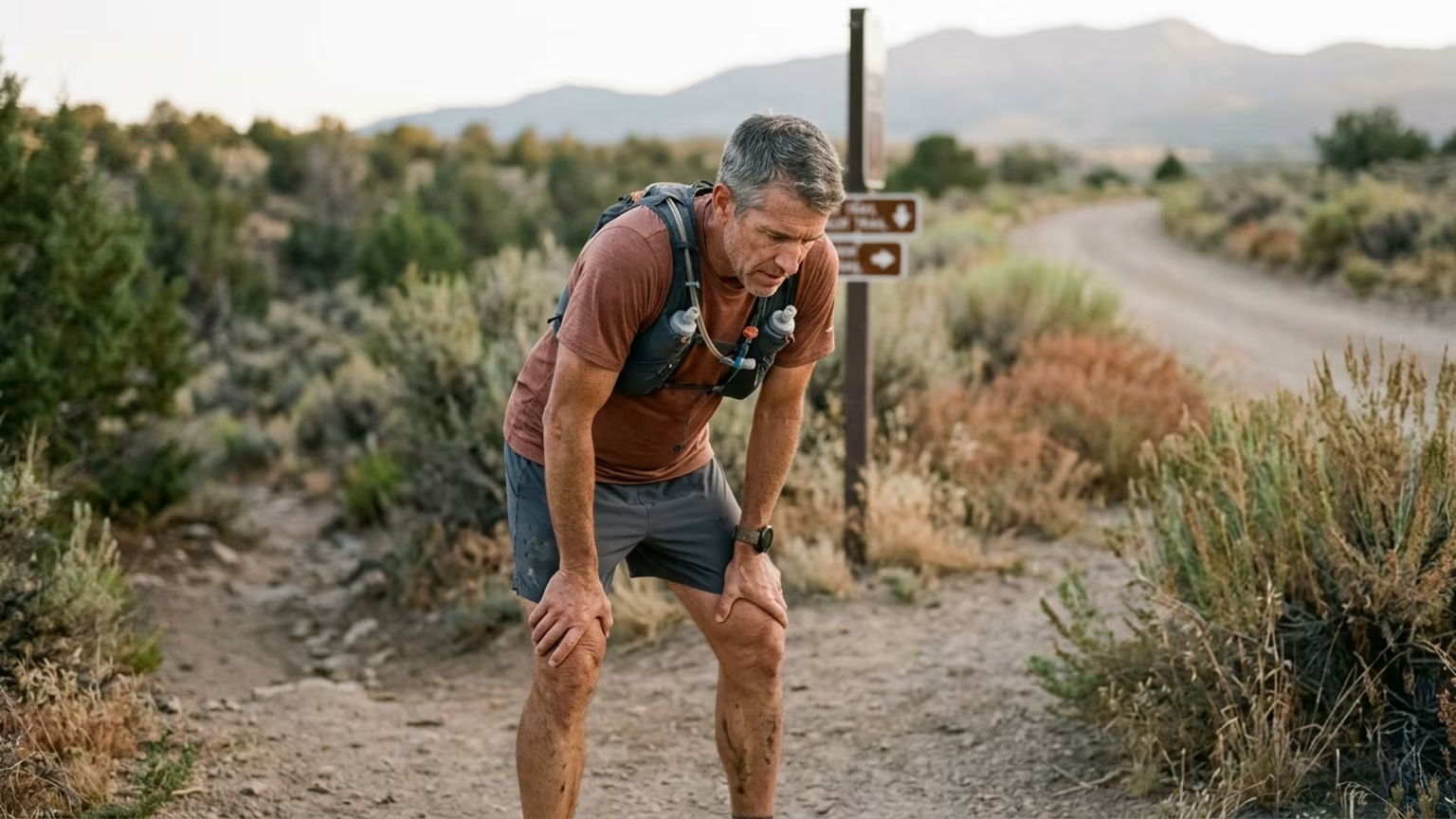

Learn how to distinguish productive training discomfort from dangerous warning signs to safely adapt your workouts and prolong your endurance sports career.





The most successful endurance athletes do not ignore pain. Walk into any pre-race corral, and you will see half the pack trying to block out every physical sensation, while the other half hyper-analyzes every minor twinge. We are often taught that athletic resilience means suffering in silence. For the aging competitor, that mindset is a fast track to a forced retirement.
Understanding the difference between productive effort and actual danger is critical. Hard training naturally creates heavy breathing, muscular burning, and generalized fatigue. Those sensations alone are rarely evidence of tissue damage. The true skill lies in interpreting those signals correctly, modifying the load when necessary, and knowing exactly when to stop.
Reendure advocates for a practical approach to this daily negotiation. You need clear rules for when to push, when to pivot, and when to seek medical help. A disciplined approach to endurance life requires setting your ego aside and focusing strictly on the physiological facts. A master athlete must become an expert in translating sensations into objective data.
Athletic growth requires a calculated exposure to physical stress. During a hard interval session, you will experience heavy breathing and a temporary sense of overwhelming difficulty. This is a normal part of the adaptation process. The discomfort is usually diffuse and proportional to the planned effort.
Symmetrical muscular fatigue and generalized leg heaviness are standard responses to endurance training. If you can still coordinate your movement and maintain your technique, the stimulus is likely productive. Sinking into this type of effort builds the capacity needed for ambitious long term goals. For example, a UK Biobank observational study found that individuals whose fitness improved by at least 1 mL/kg/min per year had a 16% lower risk of incident cardiovascular disease.
The body also learns to tolerate specific environmental stressors through controlled exposure. In one recent study, five days of isothermic heat acclimation increased plasma volume by 7.3% and sweat loss by 500 mL. These adaptations demonstrate how the body positively responds to intense but measured stress. The defining characteristic of productive discomfort is that symptoms improve rapidly when you reduce the intensity.
Athletes must learn to trust these normal physiological responses over time. Generalized fatigue that resolves with rest is simply the currency of athletic progress. Adapting your training plans during periods of fatigue is a core component of healthy aging. A mature athlete understands that a productive session often feels heavy and requires immense concentration. You are intentionally challenging the body so it can rebuild itself stronger during the recovery phase.
Not every physical sensation is a green light for continued effort. Sharp localized pain and rapidly worsening symptoms are clear warning signs. Swelling, joint instability, altered gait, and persistent numbness also indicate severe trouble. According to sports medicine guidance, these symptoms are reasons to stop and assess rather than push forward. A new one-sided calf that is warm or swollen warrants same-day urgent assessment.
Deteriorating physical control is another absolute boundary. If fatigue produces stumbling or a loss of coordination, the workout is no longer productive. Confusion and an inability to perform a movement safely are also major red flags. This is especially critical in hot conditions where poor judgment can quickly become fatal. A lack of sweating is not a safe or reliable test for whether an athlete is overheating.
Official heat illness guidance lists heavy sweating, sudden weakness, and nausea as severe warning signs. A rapid pulse and muscle cramps also point to dangerous heat stress. Confusion, unsteadiness, altered behavior, or collapse in the heat should be treated as an emergency. You must stop, cool down, and escalate the situation urgently if these neurological signs appear. Relying on sheer willpower in high temperatures is physically irresponsible.
Cardiopulmonary symptoms require a hard stop and immediate professional evaluation. You must stop for chest pain, unexplained severe breathlessness, and fainting. Severe dizziness or a persistent racing heartbeat also require immediate attention. Fainting during or immediately after exercise demands particular caution because exercise associated syncope can require further cardiac investigation. This evaluation may include ambulatory rhythm monitoring, a cardiac MRI, or genetic testing.
Furthermore, unusual fatigue paired with other cardiac symptoms should not be dismissed as poor fitness. Exercise safety guidelines clearly identify these symptoms as reasons to seek medical assessment. Recognizing cardiovascular health considerations for aging athletes is a fundamental responsibility. Suspected tendon issues require immediate cessation of the activity. A sudden pop, severe bruising, or major swelling are serious red flags. A palpable gap or an inability to perform a heel raise also dictate an instant stop.
For athletes over 35, the calculus of risk and reward changes significantly. Long term performance does not require winning every momentary argument with fatigue. A modified workout that preserves consistency is vastly more valuable than a completed session that creates a prolonged recovery problem. The goal is sustainable exposure to training over years and decades.
Mental strain is also a crucial part of the safety picture for older competitors. The International Olympic Committee published a new consensus statement in August 2026 regarding athlete mental health. The IOC treats mental health as a shared responsibility and recommends regular monitoring, psychological safety, and emergency action plans. This framework explicitly rejects the outdated idea that the athlete alone must manage all psychological risk.
For an individual athlete, persistent dread and panic should be treated as critical information. Feelings of hopelessness or an inability to concentrate are equally important signals. Feeling compelled to train despite a known injury is a clear sign of emotional strain rather than admirable dedication. Integrating proper recovery and mobility practices can help mitigate some of this cumulative stress. The aging athlete must learn to view psychological readiness as a measurable performance variable.
Return to play decisions for older athletes remain complex and highly individualized. A recent systematic review found that return to play criteria remain heterogeneous and are often grounded in expert opinion rather than universally validated checklists. You cannot rely on a single metric or a simple pain scale to clear yourself for intense exercise. Recovery involves biological healing, functional readiness, psychological comfort, and load tolerance.
Failing to respect these boundaries often results in chronic overuse injuries. Developing durability through targeted strength and preparation helps masters athletes handle training loads safely. The veteran athlete understands that a pragmatic retreat today guarantees the ability to train tomorrow.
Every ambitious athlete needs a framework for making safe decisions in the moment. You should define the acceptable level of effort before starting any session. If the sensation is familiar and proportional to the planned intensity, you can proceed with confidence. If pain changes your gait, pedal stroke, or swim mechanics, you must stop the provoking load.
Building an exit ramp into every hard session takes the emotion out of the decision. You might switch from intervals to easy aerobic work, shorten the route, or head home early. Change one variable first, such as reducing your pace, and observe how your body responds. A mild, stable symptom that disappears with rest may call for training modification and follow up rather than emergency care.
Do not use motivation as a medical test to justify dangerous training practices. The ability to tolerate pain is not evidence that the activity is safe for your body. You should record trends in your sleep, mood, soreness, and illness symptoms to spot lingering issues. A single bad day is ambiguous, but a persistent pattern deserves professional investigation. Keeping an honest training log is the easiest way to separate emotional fatigue from physical breakdown.
Physical limitations are not personal failures. True athletic maturity is knowing when a symptom is simply the cost of doing business and when it is a genuine threat to your health. A single aborted workout is merely a footnote in a decade of consistent training. The quiet wisdom of longevity lies in making the safe choice today so you can line up again tomorrow.

Follow ReEndure for practical insights on endurance training, recovery, nutrition and healthy aging. Stay connected for new articles, research led guidance and ideas to help you perform better for longer.


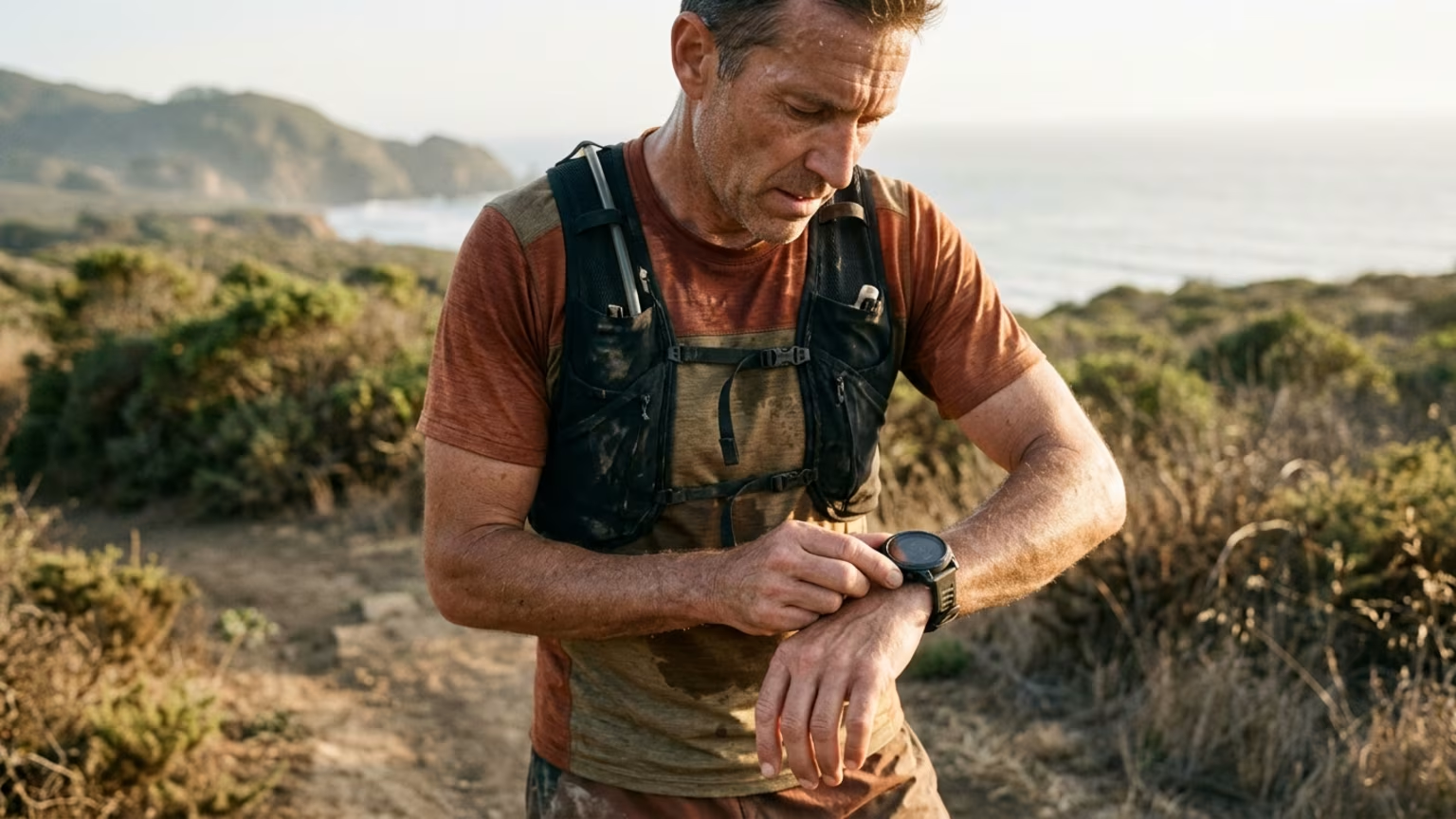

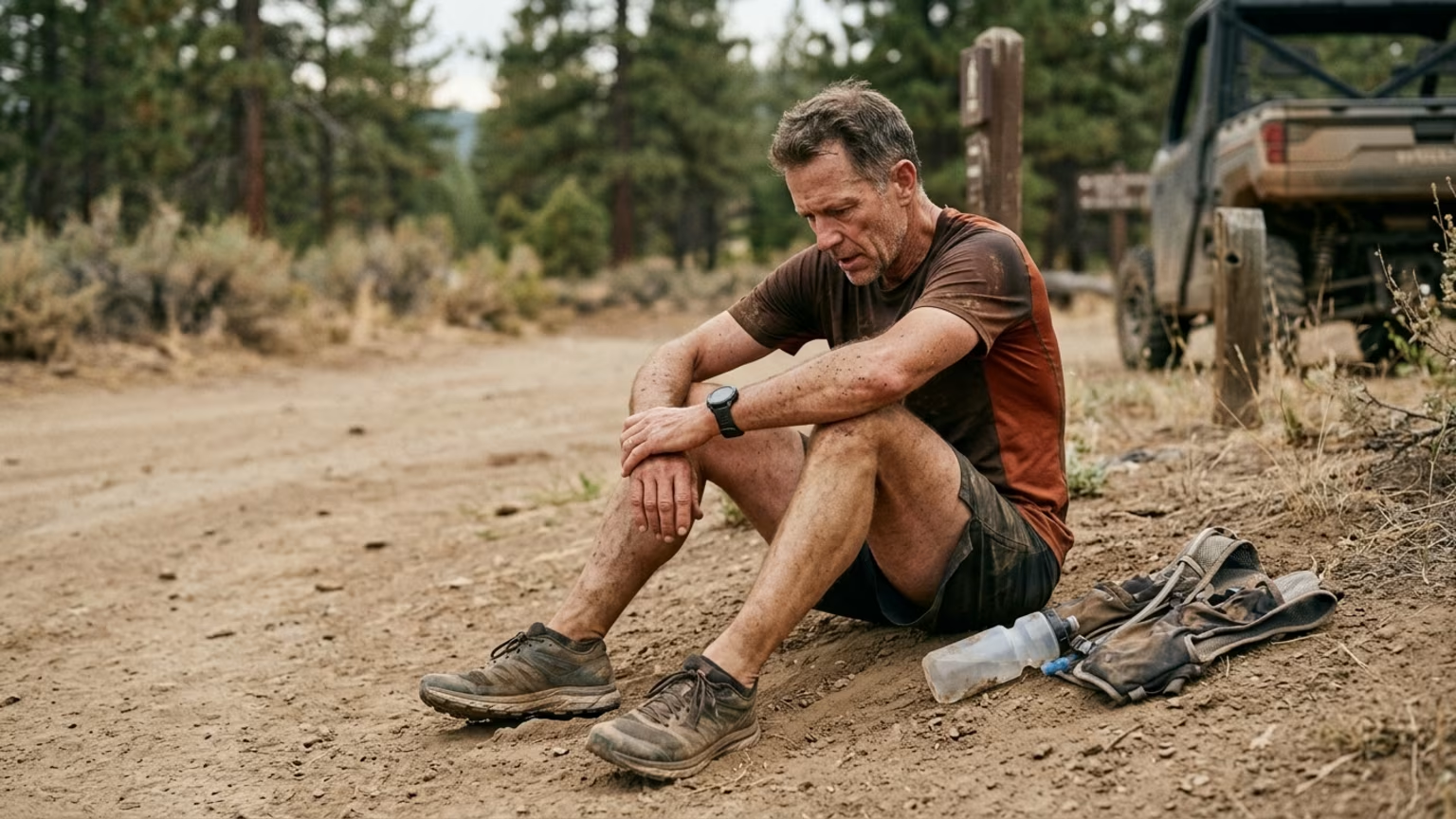
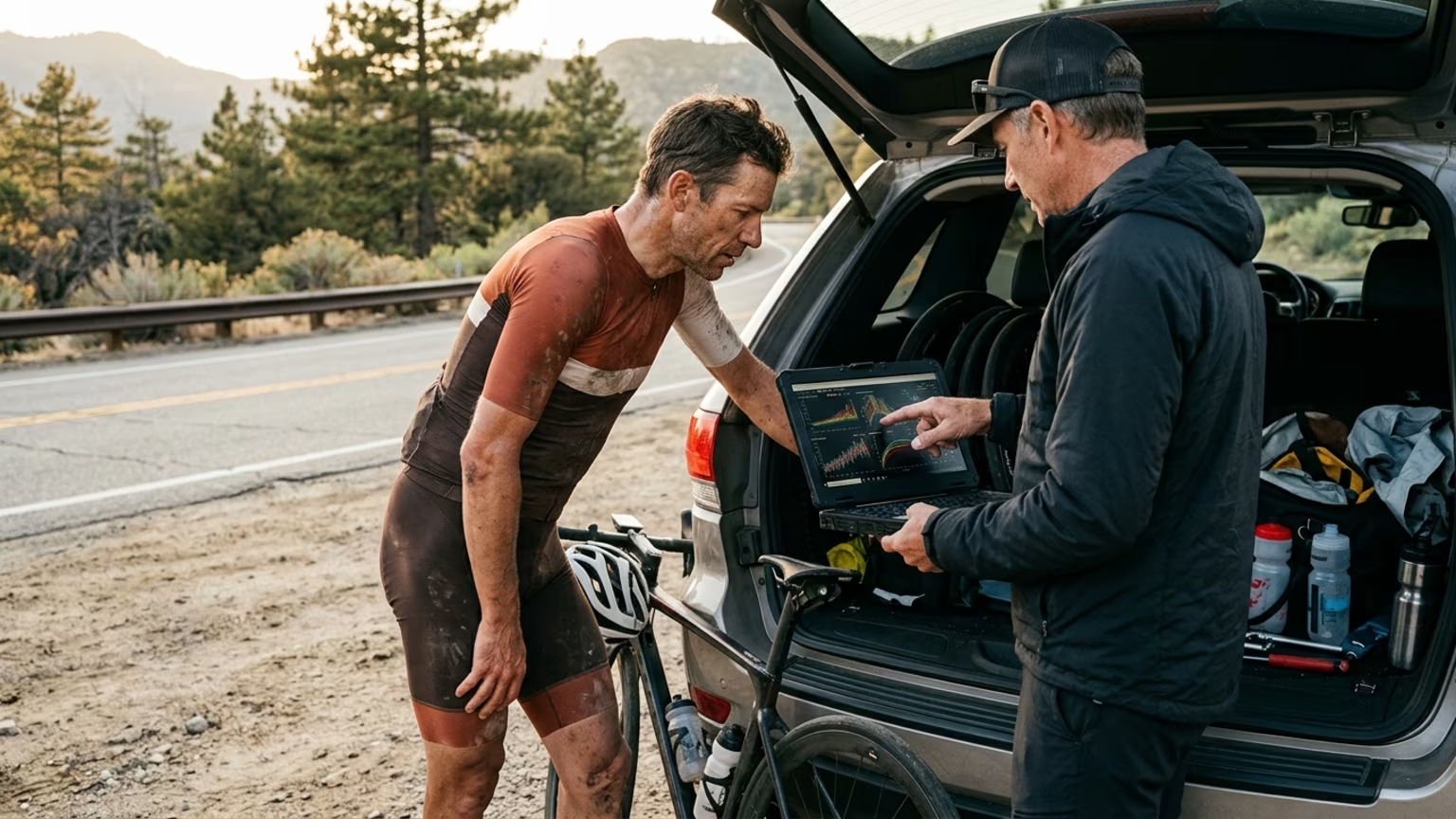
Read practical ideas on endurance training, recovery, nutrition and healthy aging to keep progressing for years to come.
Read the Blog