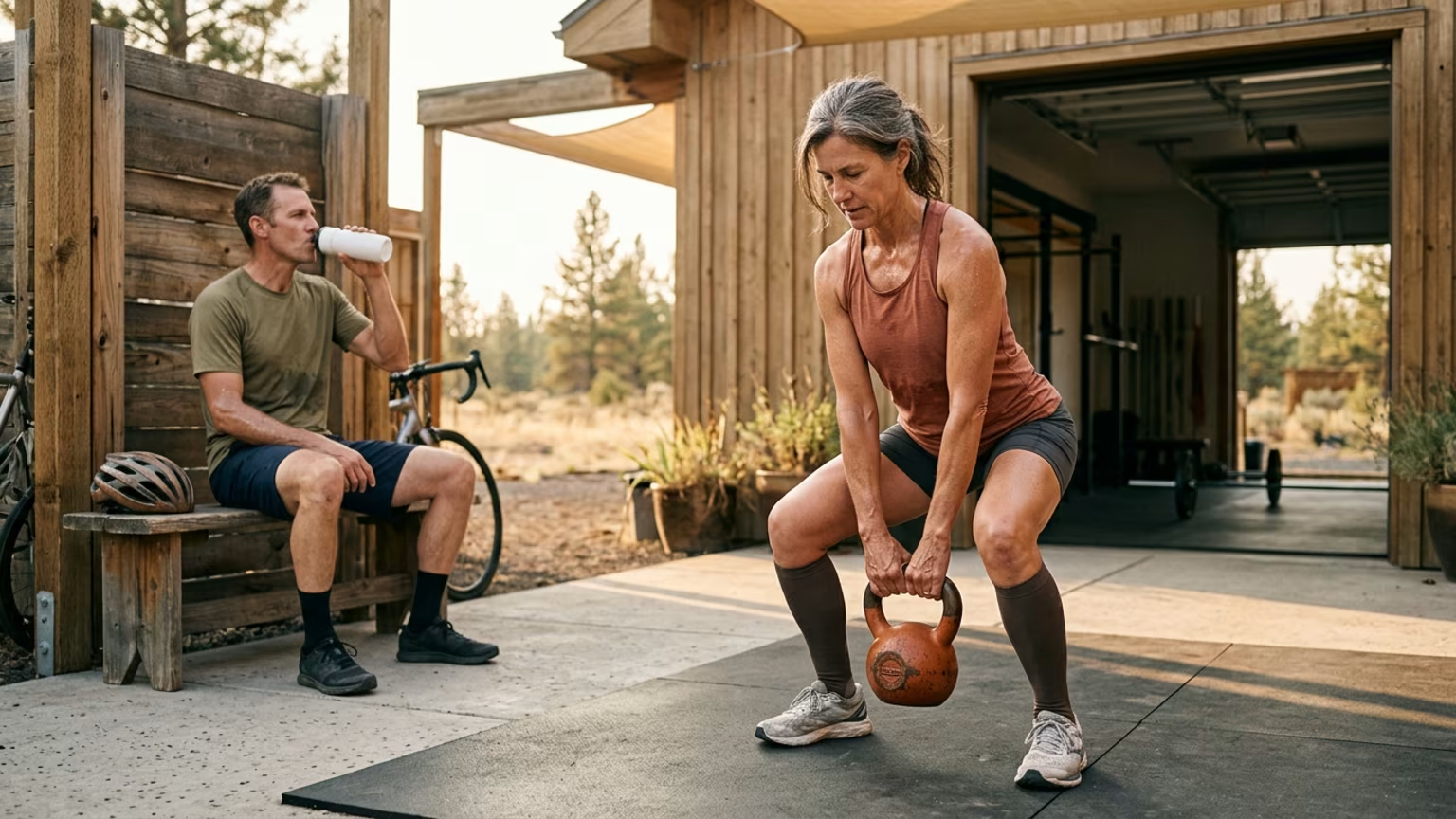

Consistent resistance training and structured recovery can improve mobility for masters endurance athletes. We translate recent longevity research into practice.





On September 10, 2026, Canyon Ranch published an article titled "The Hidden Longevity Benefits of Resistance Training and Recovery." The feature evaluates how loaded movement and planned rest work together to promote healthy aging. It presents resistance training and structured recovery as complementary components of an active lifespan. This publication offers an objective look at shifting from isolated stretching toward load-bearing mobility.
Endurance athletes often view mobility work and strength training as entirely separate disciplines. For decades, the standard approach to preventing joint stiffness involved isolated stretching sessions performed before or after long aerobic efforts. However, recent scientific evaluations are changing how we view the relationship between lifting weights and preserving joint health. Ambitious athletes aged 35 to 65 face a unique operational tension. They must balance high athletic ambition with the unavoidable realities of an aging body and slower natural repair cycles.
When athletes ignore this tension, chronic overuse injuries inevitably follow. Integrating heavy loads correctly is not just about producing more power on the bike or running faster splits. It is a fundamental requirement for maintaining the structural integrity necessary to endure high training volumes year after year.
The primary conclusion from the publication is that resistance training can improve joint range of motion comparably to stretching. The article distinguishes functional mobility from simply pursuing maximal range of motion for its own sake. Canyon Ranch frames mobility as controlled and pain-free movement through a joint’s available range. In contrast, flexibility is defined strictly as the ability of a muscle to lengthen or bend without restriction.
This distinction is crucial for aging athletes who need joint stability alongside basic flexibility. A highly flexible joint without the muscular strength to control it is highly susceptible to injury. The feature attributes several profound physiological benefits directly to the American Heart Association. Resistance exercise can slow age-related losses in muscle mass, strength, and power. It also improves physical function and overall mobility while reducing fall risk in older populations.
To help active adults achieve these specific outcomes, Canyon Ranch highlights guidance from the Centers for Disease Control and Prevention. The agency recommends that adults perform muscle-strengthening activity on at least two days per week. These sessions must work all major muscle groups to ensure balanced structural support across the entire body. Treating these baseline recommendations as a strict weekly minimum is an excellent starting point for endurance athletes.
The article supports its flexibility claims by citing a specific study examining inactive men aged 65 to 78. In this targeted demographic, flexibility improved by 3 to 12% following low-intensity resistance training. High-intensity training yielded even larger flexibility improvements, ranging from 8 to 28%. The researchers carefully noted that these flexibility gains reversed after participants stopped training entirely.
This immediate reversal highlights that consistency is an inescapable part of the longevity message. Endurance athletes often view strength work as a seasonal pursuit, lifting heavily in the winter and dropping it during race season. However, this study demonstrates that strength-driven mobility adaptations require an ongoing stimulus to persist year round. Treating resistance training as a permanent fixture in your weekly schedule is mandatory for long-term joint health. If you stop lifting, you will inevitably lose the functional range of motion you worked so hard to build.
For endurance athletes, resistance training offers a highly efficient way to address strength and range of motion simultaneously. Beginners can start with simple bodyweight movements before progressing to added resistance. Canyon Ranch lists resistance bands, kettlebells, dumbbells, and pull-up bars as possible tools for building capacity. As structural strength improves, progressive loading ensures the musculoskeletal system continues to adapt favorably.
This aligns perfectly with our own internal adjustments at Reendure. Hitting my forties brought a harsh reality check. The track workouts were not getting slower, but the days after them felt significantly heavier. Instead of forcing my old Tuesday and Thursday intensity schedule, I looked at the data on Masters athletes and muscle protein synthesis.
I pushed my second hard session to Friday, allowing an extra forty eight hours of low intensity recovery. My total weekly volume stayed the same, but the quality of my intervals skyrocketed. Integrating proper recovery scheduling is vital when you add heavy lifting into an endurance program. Scheduled demanding lifting should not consistently collide with key endurance sessions, races, or long run recovery periods.
Older athletes often make the mistake of stacking heavy squats the day before a long aerobic effort. This creates compounding fatigue that compromises both the lifting adaptation and the endurance outcome. Athletes must monitor whether strength training leaves persistent soreness or declining endurance quality. Disrupted sleep or worsening joint symptoms always warrant reducing your overall training load immediately.
Endurance athletes should prioritize controlled exercises supporting the trunk and lower body. Key target areas include the hips, knees, and ankles. It is also important to strengthen the back and shoulders to maintain upper body posture during long events. You do not need to treat strength work as bodybuilding isolated from sport function.
Canyon Ranch explicitly connects strength, stability, coordination, and neuromuscular control with useful, everyday movement. Use a full, controlled range of motion that is appropriate for your own personal anatomy. Forcing maximal depth or extreme stretch under heavy load is often counterproductive and unnecessary. The goal is building strength through the ranges of motion you actually use during your sport.
The article describes recovery as a highly trainable skill rather than passive time away from exercise. Canyon Ranch recommends prioritizing seven to nine hours of high quality sleep nightly to facilitate physical repair. They suggest scheduling one or two planned rest days per week to allow tissues to recover fully. You should also eat adequate daily protein combined with all necessary micronutrients to support muscle regeneration.
Athletes can easily incorporate gentle movement such as walking or easy yoga on rest days. Using easy training for active recovery supports blood flow without adding unnecessary systemic fatigue. This low impact movement helps clear metabolic waste from heavy sessions while maintaining baseline joint lubrication. Canyon Ranch also recommends managing stress levels and considering basic recovery rituals like warm baths, massage, or saunas.
The publication also promotes its CR Vitality offering as part of a broader longevity plan. This specific corporate offering includes red-light therapy, infrared sauna, cold plunge, and Shiftwave technology. These are commercial services rather than scientifically proven requirements for preserving lifelong mobility or improving athletic performance.
The article does not provide comparative clinical evidence proving these specific modern technologies are mandatory. Recovery modalities like cold plunges and red-light therapy should never displace fundamental, time tested habits. Total sleep duration, appropriate training load management, nutrition, and planned recovery days remain the most critical factors. True functional mobility for athletes is built through consistent muscular work rather than expensive wellness interventions.
Consistent resistance training and structured, fundamental recovery provide the most reliable foundation for older endurance athletes wanting to preserve lifelong mobility and performance.

Follow ReEndure for practical insights on endurance training, recovery, nutrition and healthy aging. Stay connected for new articles, research led guidance and ideas to help you perform better for longer.


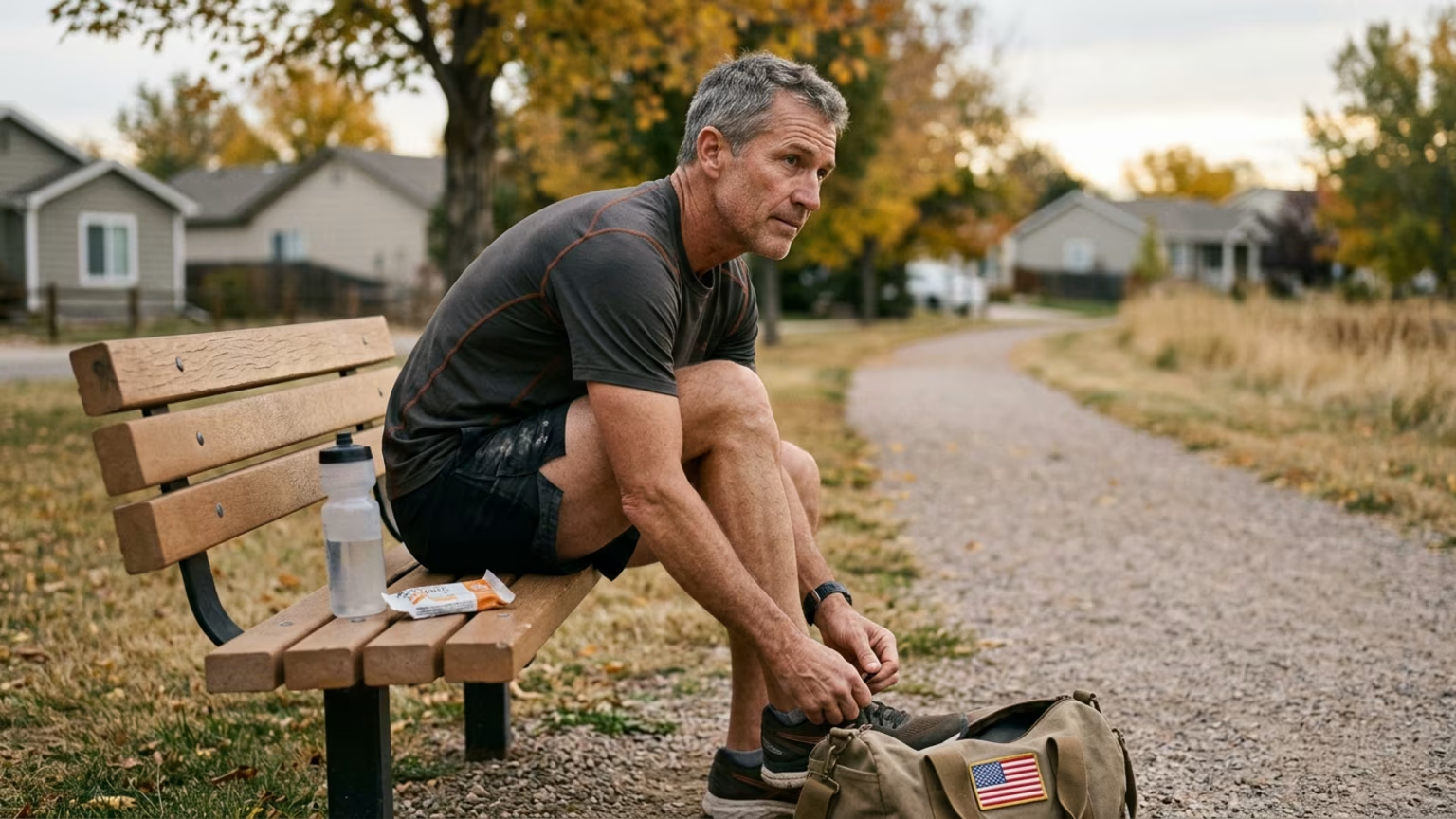

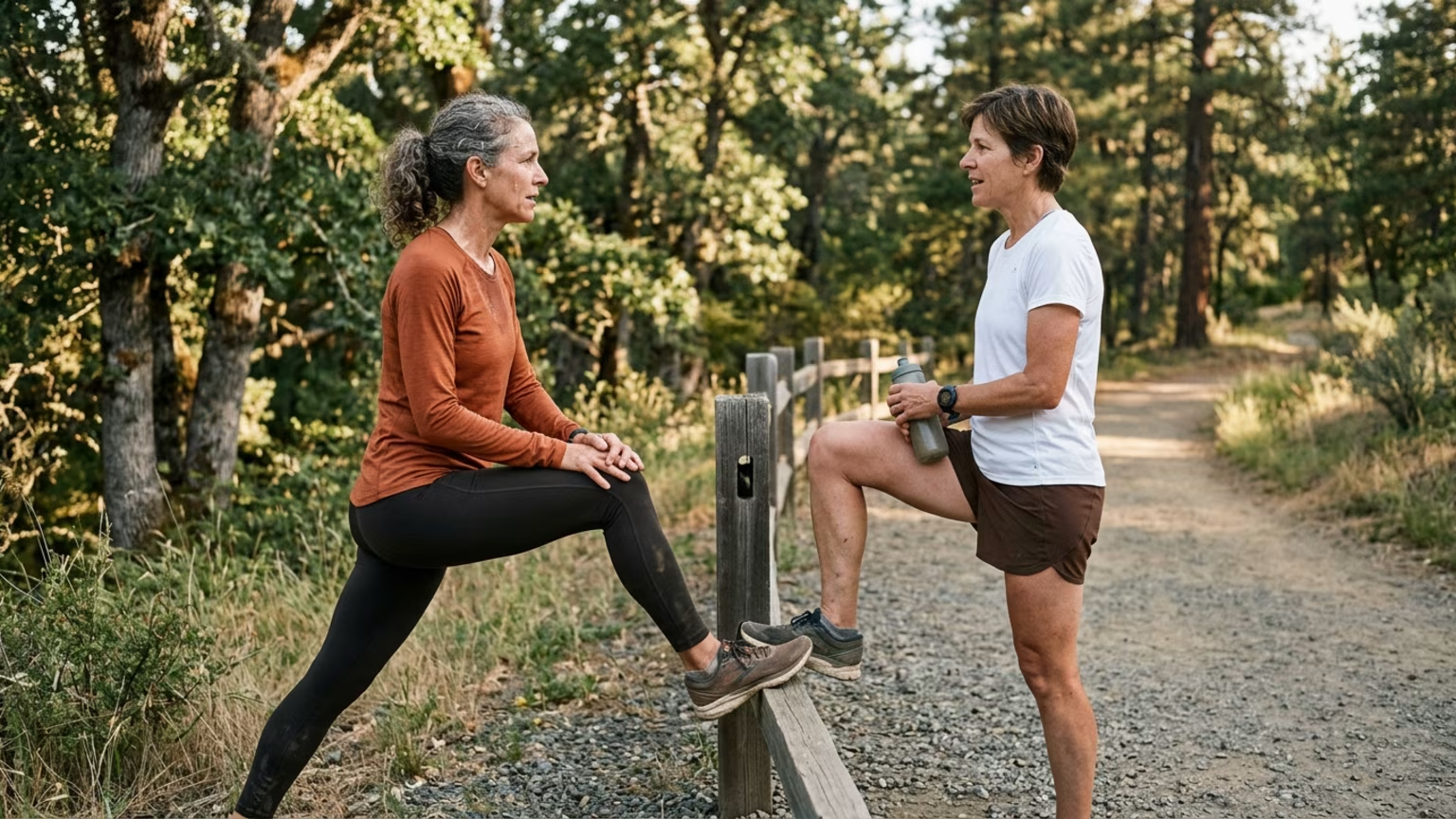

Read practical ideas on endurance training, recovery, nutrition and healthy aging to keep progressing for years to come.
Read the Blog