Your best miles are still ahead
Read practical ideas on endurance training, recovery, nutrition and healthy aging to keep progressing for years to come.
Read the Blog
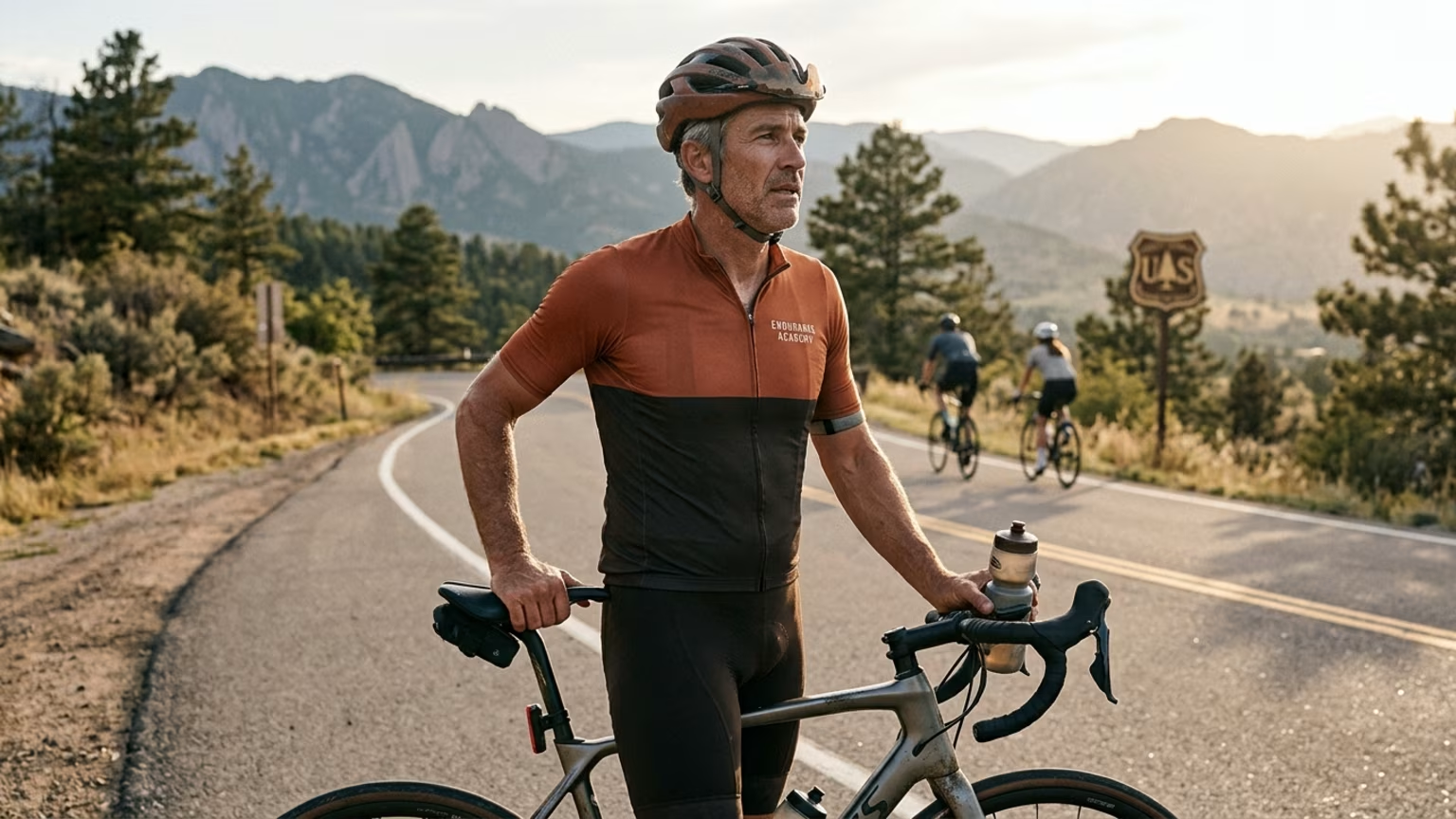
Eddie Dunbar's Stage 19 Vuelta a España win highlights the importance of a patient and structured return to endurance training after a severe injury.

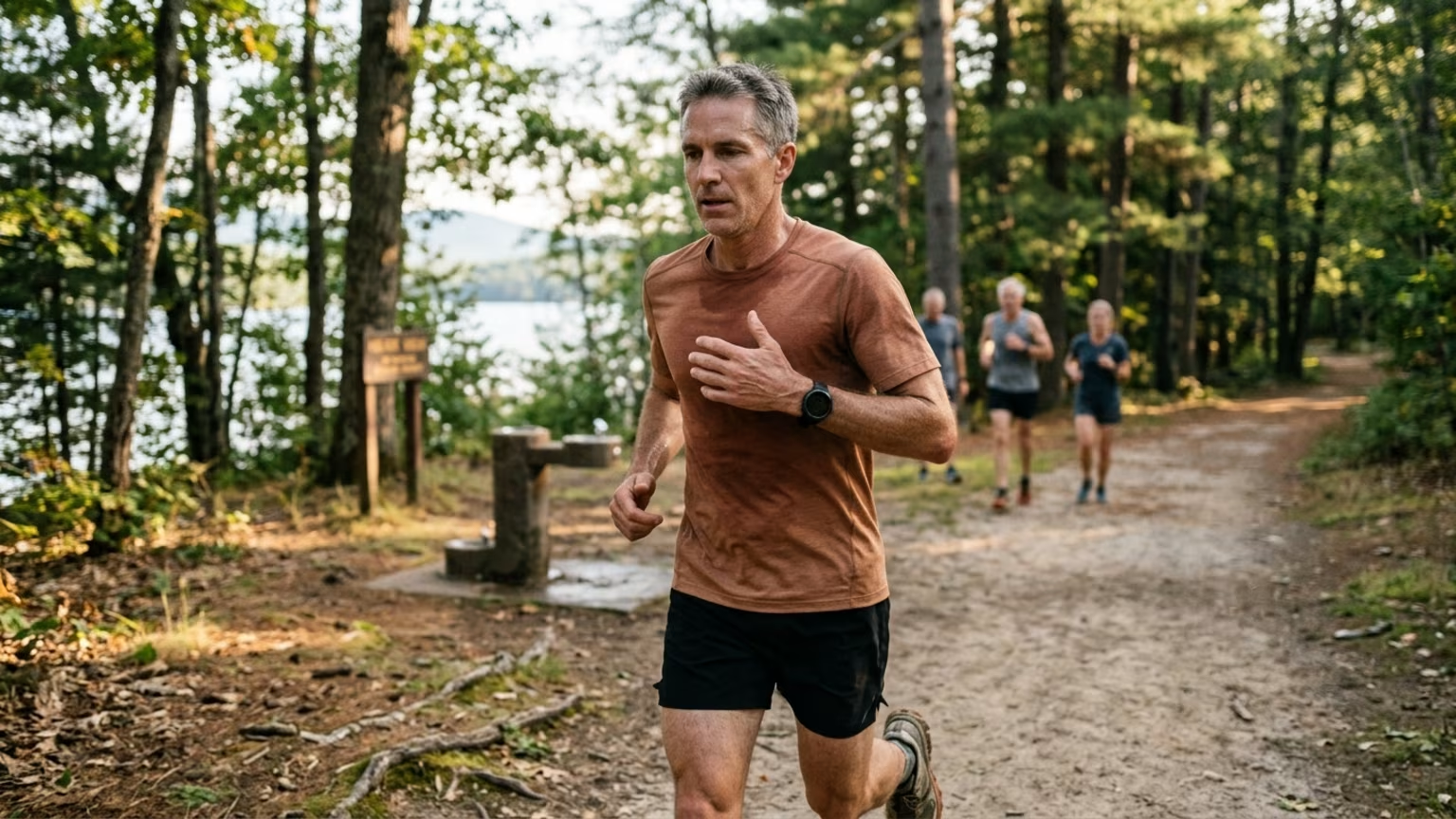
New Johns Hopkins registry research shows strength training is not associated with increased arrhythmia risk in athletes with arrhythmogenic cardiomyopathy.

Bicycling magazine outlines a new cadence training plan to help cyclists expand their pedaling control without adding cardiovascular fatigue to easy rides.

Runner's World coaching guidance reveals why marathoners should prioritize weekly running frequency and distributed mileage over a single exhausting long run.
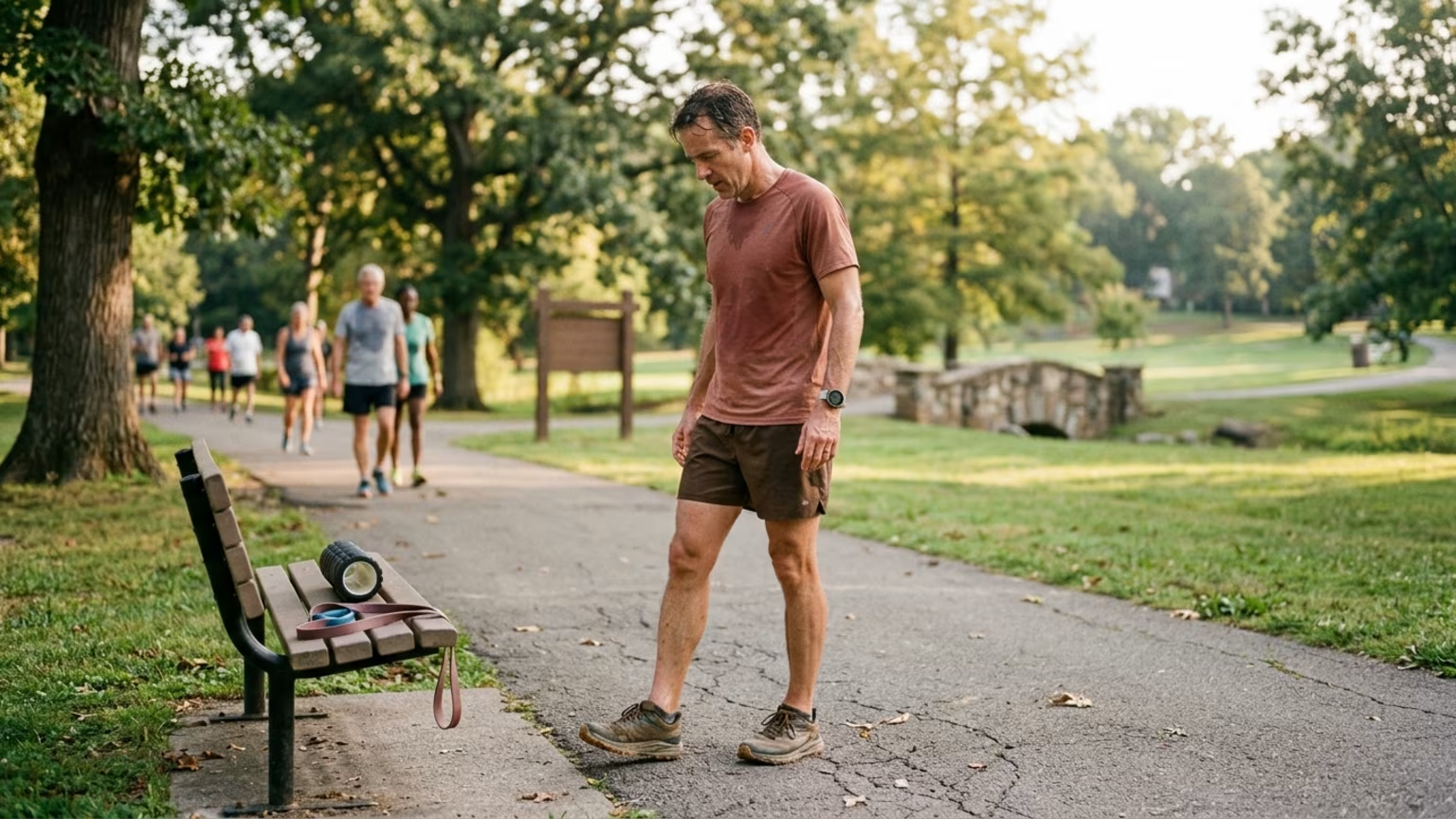
A new analysis of performance-oriented parkrun participants reveals that generic strength training does not ensure running injury prevention. Learn why individualized coaching and structured load management are more effective for aging endurance athletes.

A breakdown of the 2026 BikeRadar report on atrial fibrillation in midlife cyclists. Learn to balance training volume, add strength work, and monitor recovery.

A 2026 analysis of 24-hour blood pressure tracking shows that steady aerobic training remains the most reliable foundation for long-term cardiovascular health.

The ITA's 18-month sanction on Joe Skipper reveals why ambitious endurance athletes must treat whereabouts testing logistics as a mandatory part of training.
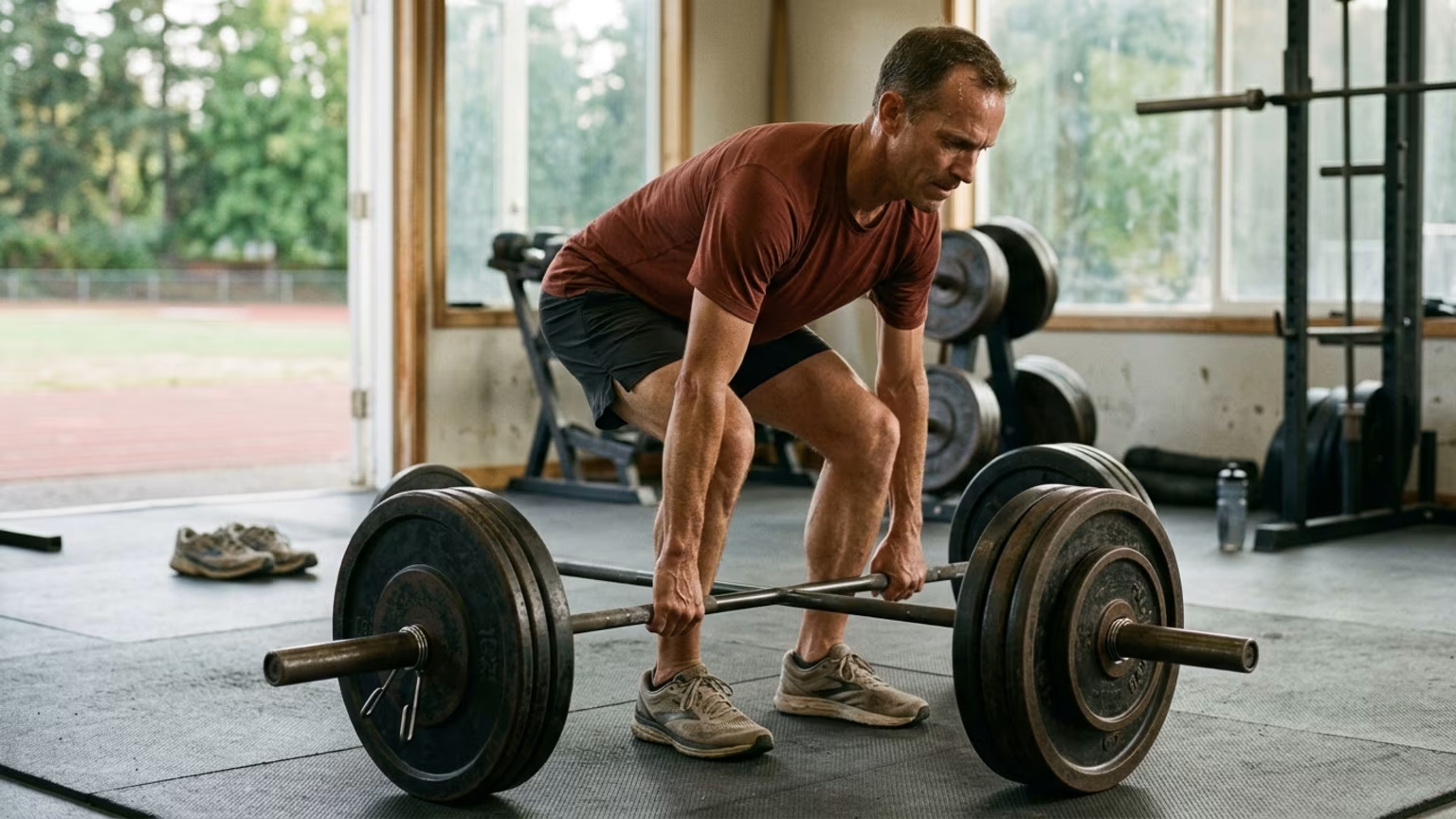
High-load and combined strength training methods improve running performance more than plyometrics. Learn how heavy lifting benefits endurance athletes.

Learn why returning to endurance training requires a load-based plan rather than a calendar deadline, focusing on next-day symptom monitoring and progression.
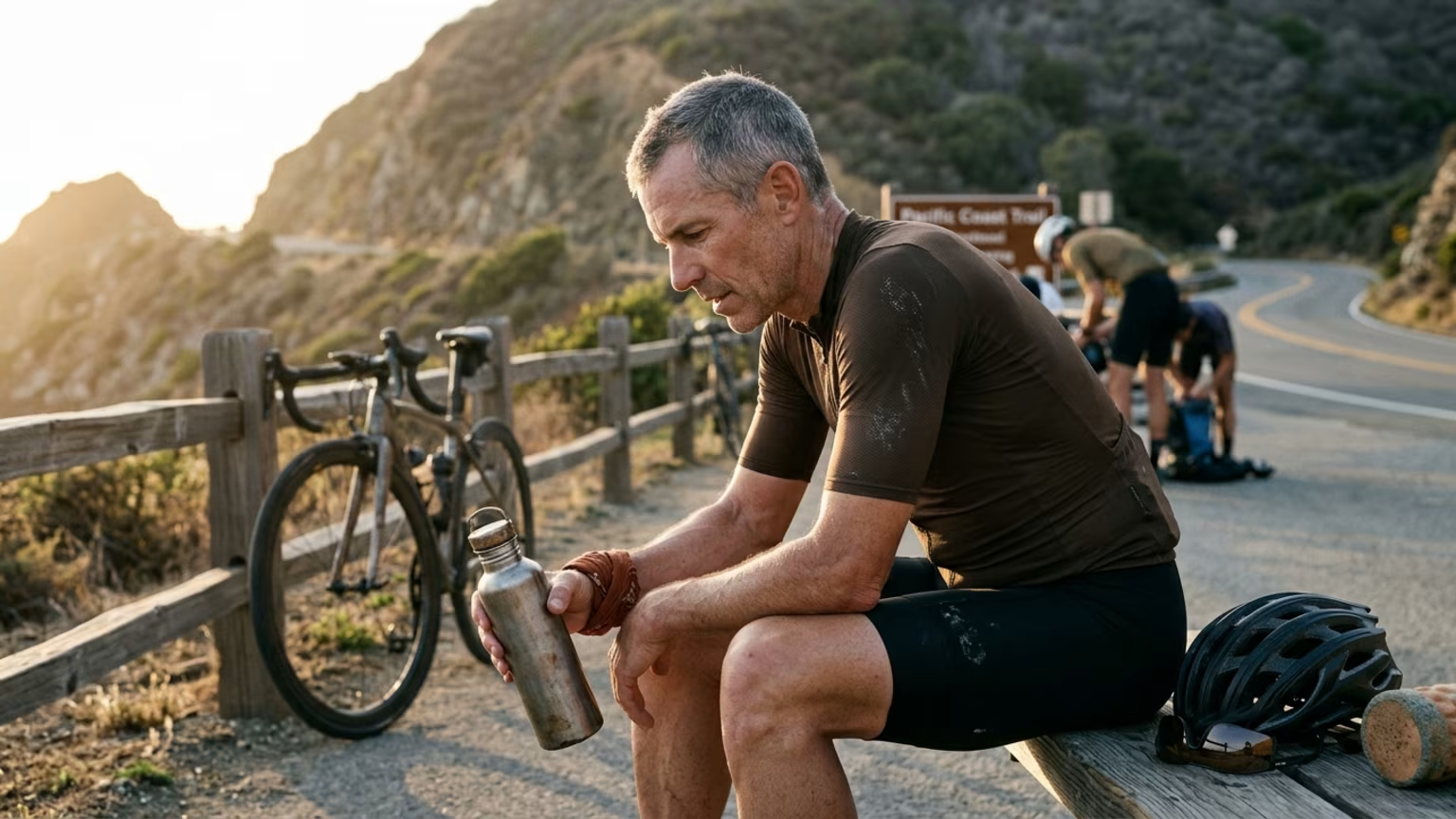
Learn how to effectively combine running, cycling, and strength training. Discover practical scheduling strategies to prevent the interference effect.

Challenge the traditional seven-day training schedule. Learn why flexible nine-day microcycles can improve recovery and performance for masters athletes.

Learn how endurance athletes can periodize their training to balance performance peaks with healthy aging, strength preservation, and aerobic capacity.
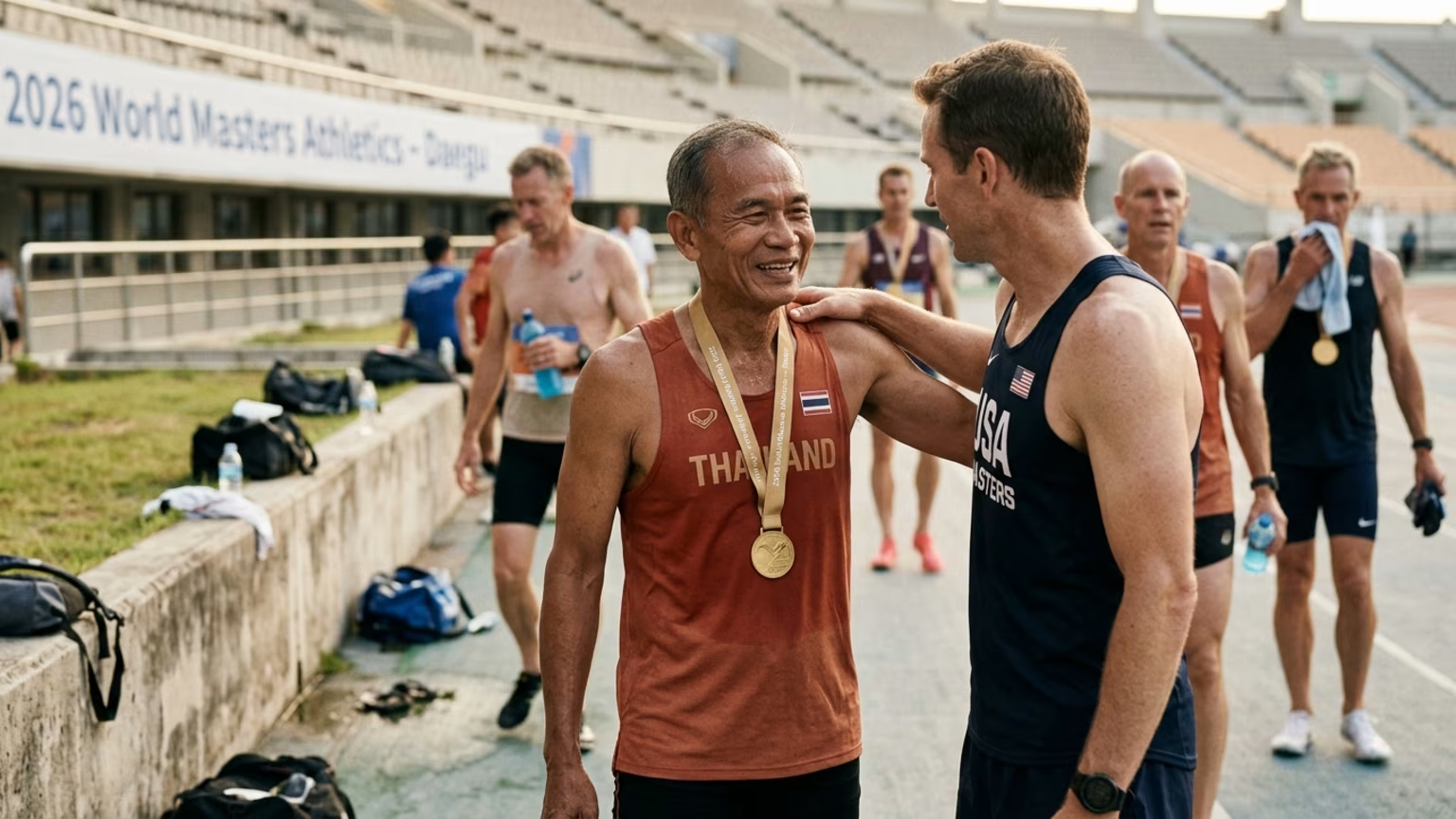
106-year-old Sawang Janpram won two gold medals at the Daegu World Masters Athletics Championships. Here is what his longevity teaches midlife athletes.

Learn how masters endurance athletes can preserve top-end speed while preventing fatigue by applying a minimum effective dose of high-intensity training.

Reducing empty training volume while maintaining intensity helps endurance athletes over 35 improve race performance and speed up their natural recovery.

IcuSync's updated training analytics overview helps masters athletes track Training Stress Score and balance intensity distribution for better recovery.
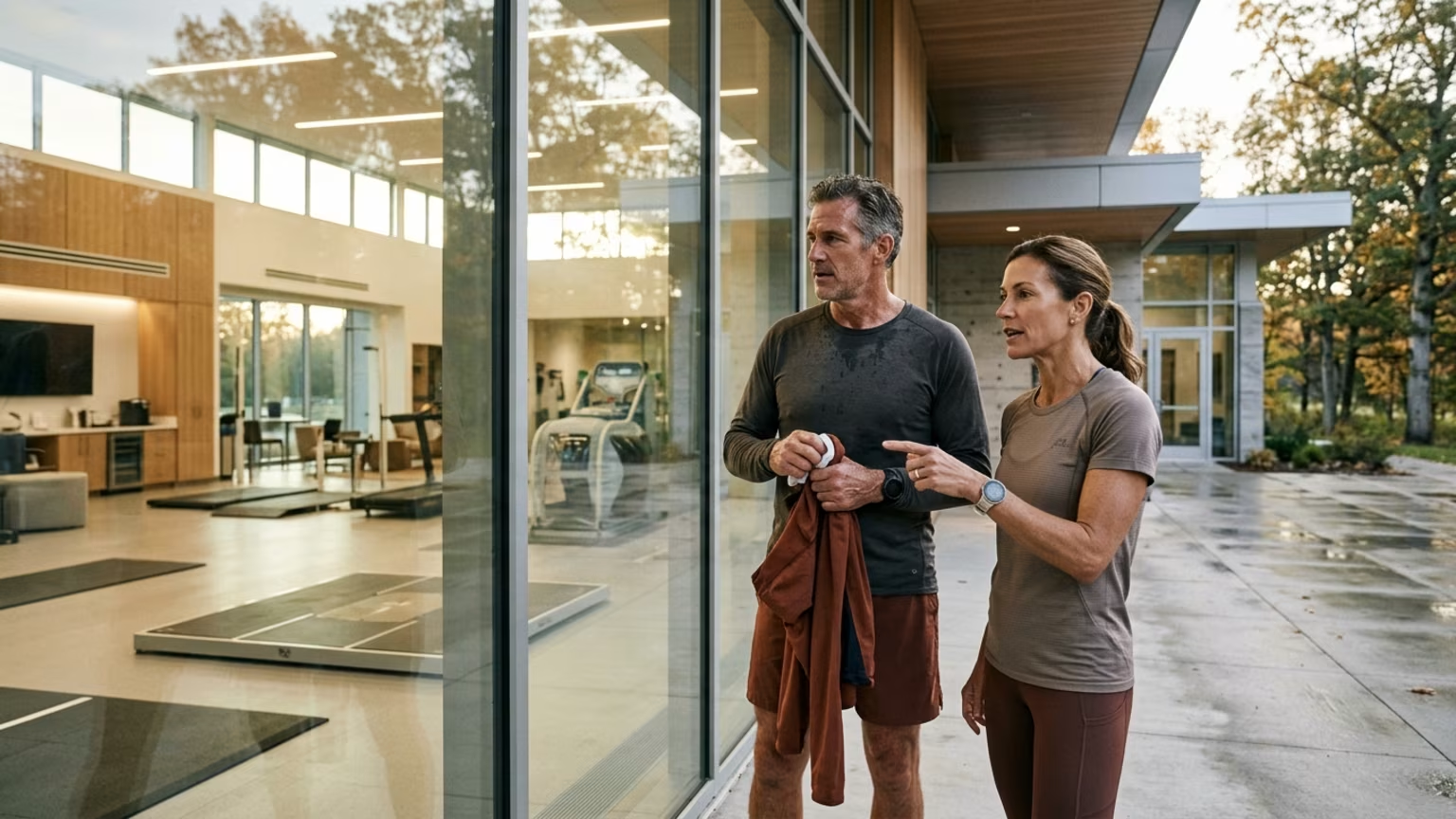
Cleveland Clinic has released a first look at its Global Peak Performance Center. Learn how this integrated sports medicine model supports aging athletes.
Read practical ideas on endurance training, recovery, nutrition and healthy aging to keep progressing for years to come.
Read the Blog