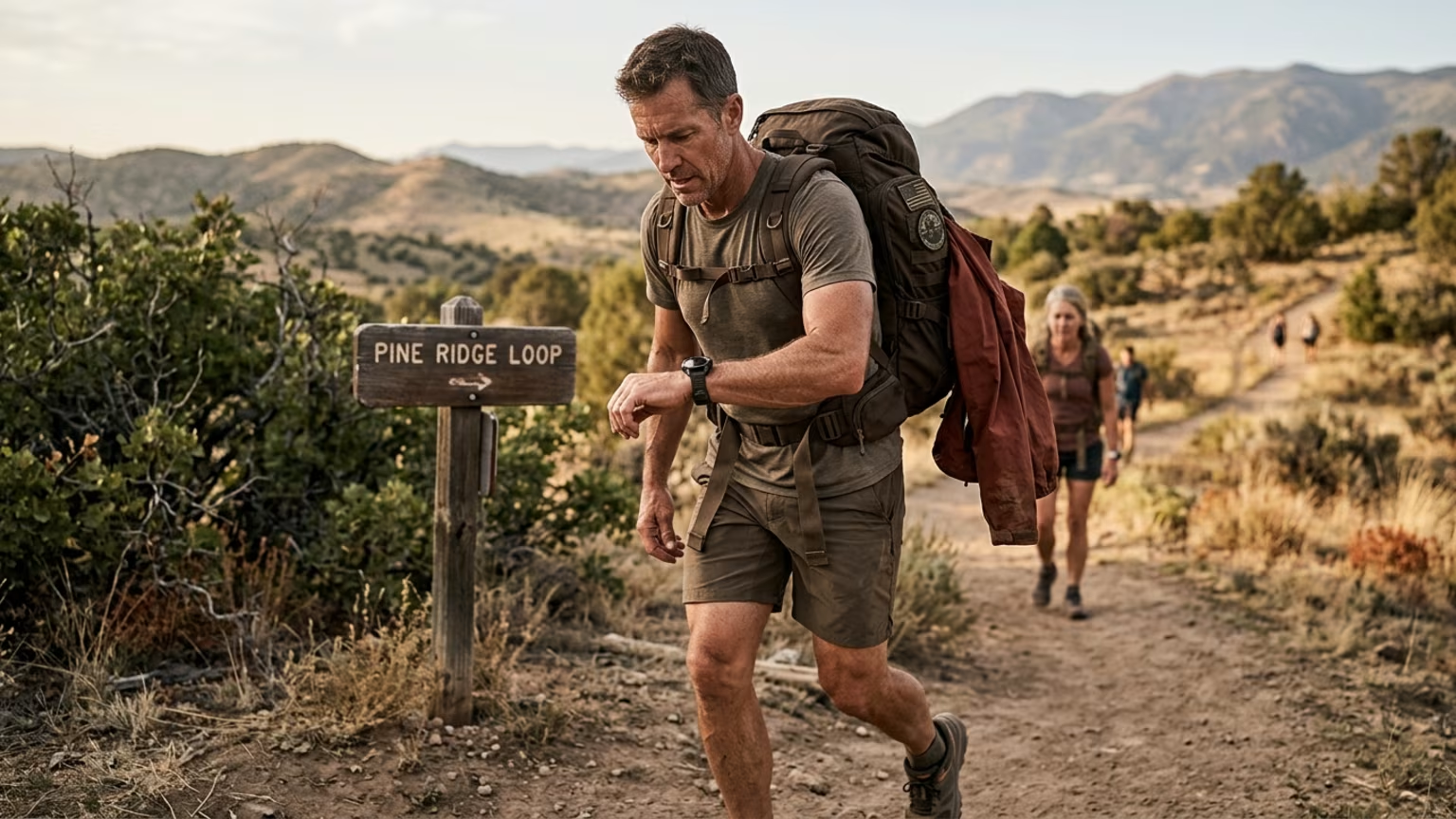

Garmin's new rucking update adds pack-weight calorie tracking, multisport integration, and structured workouts to help older endurance athletes manage load.





Walk into any weekend trail gathering, and you will see half the pack chasing fast unloaded miles, while the other half swears by the heavy backpacks of structured rucking tracked by devices from Garmin (the wearable technology brand).
For decades, endurance athletes have tracked progress using distance, pace, and heart rate. Unloaded running and cycling focus strictly on cardiovascular output over time. This traditional tracking method works exceptionally well for sports where body weight is the primary load. A faster mile or a lower heart rate at a given pace clearly indicates an improvement in fitness. Our software ecosystems were built entirely around these unloaded metrics.
If a runner covers five miles in an hour, the software knows exactly how to calculate the training stress. The algorithms rely heavily on the assumption that speed strictly equals effort. The fitness industry traditionally prioritizes this high intensity cardiovascular output. Running programs heavily emphasize pushing your heart rate into specific zones to maximize physical adaptations.
In our experience, aging completely changes how our bodies handle traditional volume. "Hitting my forties brought a harsh reality check. The track workouts were not getting slower, but the days after them felt significantly heavier. Instead of forcing my old Tuesday and Thursday intensity schedule, I looked at the data on Masters athletes and muscle protein synthesis."
"I pushed my second hard session to Friday, allowing an extra forty eight hours of low intensity recovery. My total weekly volume stayed the same, but the quality of my intervals skyrocketed." This need for strategic recovery often leads older athletes to loaded walking. But basic tracking watches treat a loaded hike like a simple stroll.
They miss the mechanical stress entirely. They fail to account for the heavy pack on your back, leaving athletes guessing about their actual energy expenditure. When you carry extra weight up a hill, your cardiovascular system works incredibly hard. Traditional watches simply log this as a poor performance, recording a slow pace without acknowledging the immense physical effort required.
Garmin recently introduced a comprehensive rucking software update alongside the launch of the fēnix 9 and fēnix 9 Pro. This update transforms rucking from a basic activity profile into a detailed training system. The standout feature is a new pack weight specific calorie tracker. It attempts to isolate the calories burned by carrying a load from the energy an unloaded walk would require.
The system officially supports entered pack weights of up to 100 kilograms. Users can now add or remove pack weight during an active ruck. The change is reflected directly on the watch and carried into Garmin Connect after the activity. This live adjustment is helpful for sessions where you dump water at an aid station or progressively add equipment. You no longer have to rely on a single average weight for the entire workout.
The update also integrates rucking as a distinct leg within a multisport activity. Endurance athletes often combine multiple disciplines into a single weekend session. The effort and pack weight are assigned strictly to the rucking segment rather than being inaccurately spread across the entire training day. You can easily separate your morning swim from your loaded hike, making it much easier to review pace and perceived effort by segment.
Furthermore, Garmin worked directly with GORUCK to provide structured rucking workouts. These sessions can be followed directly on the watch screen, offering guided steps similar to traditional running intervals. Users also gain a dedicated rucking report that consolidates pack weight, estimated calories, elevation, and pace into a single view.
Another significant addition is the introduction of calorie goal alerts. Users can now set a specific calorie target before starting a ruck. The watch will issue a clear alert when that energy expenditure target is successfully reached. This function supports time efficient training by giving athletes a definitive stopping point when a session is intended to reach a planned metabolic target rather than a fixed distance.
When evaluating longevity and injury prevention, load specific tracking provides a clear advantage over traditional distance tracking. Rucking increases mechanical demands, but it does so without the high impact forces of running. Using Garmin's extended tracking features helps older athletes control their progression. You can monitor whether you are carrying the same weight faster or tackling more elevation with less overall fatigue.
However, these new tools require completely realistic expectations. Coverage of the update does not provide independent validation of the calorie accuracy. Consumer calorie estimates often vary heavily from true laboratory measurements. Athletes should treat the calorie breakout as a comparative trend rather than an absolute scientific truth.
Do not mistake a software limit for a medical recommendation, as the 100 kilogram maximum is certainly not a suggested training load. While loaded walking is generally easier on the joints than sprinting on asphalt, it still carries distinct physical risks. Load carriage increases the mechanical demands of walking significantly. The effect heavily depends on your specific pack weight, walking speed, chosen terrain, and individual injury history.
Structured tracking does not automatically make rucking safe for every joint. The watch cannot determine if a specific load is appropriate for your knees or lower back. Older athletes must still prioritize slow progression. Remember that rucking is a loaded endurance activity that strictly complements, rather than replaces, conventional strength training.
This expanded rucking functionality is not universally available across every device. The full update is rolling out to the fēnix 8 series, Enduro 3, Tactix 8, and Forerunner 970. The update strictly extends existing capabilities on compatible watches rather than adding a new rucking profile to unsupported hardware.
Athletes upgrading to the new flagship fēnix 9 Pro lineup will have access to the complete tracking suite. One detail remains unconfirmed regarding the software costs. Garmin has not publicly stated whether the structured GORUCK workouts require a separate premium subscription.
Finally, keep in mind that past activities will not be retroactively recalculated. The new calorie breakout only applies to sessions recorded after the update is installed. Older rucking activities will retain their original combined calorie figures. This creates a break in your historical data, requiring you to start fresh with your load specific tracking moving forward.
Select one specific variable to progress each week, such as adding a small amount of weight to your pack or aiming for a slightly faster pace, and use the new dedicated rucking report to ensure your fitness is actually improving.

Follow ReEndure for practical insights on endurance training, recovery, nutrition and healthy aging. Stay connected for new articles, research led guidance and ideas to help you perform better for longer.


Read practical ideas on endurance training, recovery, nutrition and healthy aging to keep progressing for years to come.
Read the Blog