

A six-month cycling pilot reported fitness gains and a modest GrimAge shift. Here is how athletes over 35 should interpret the early evidence.





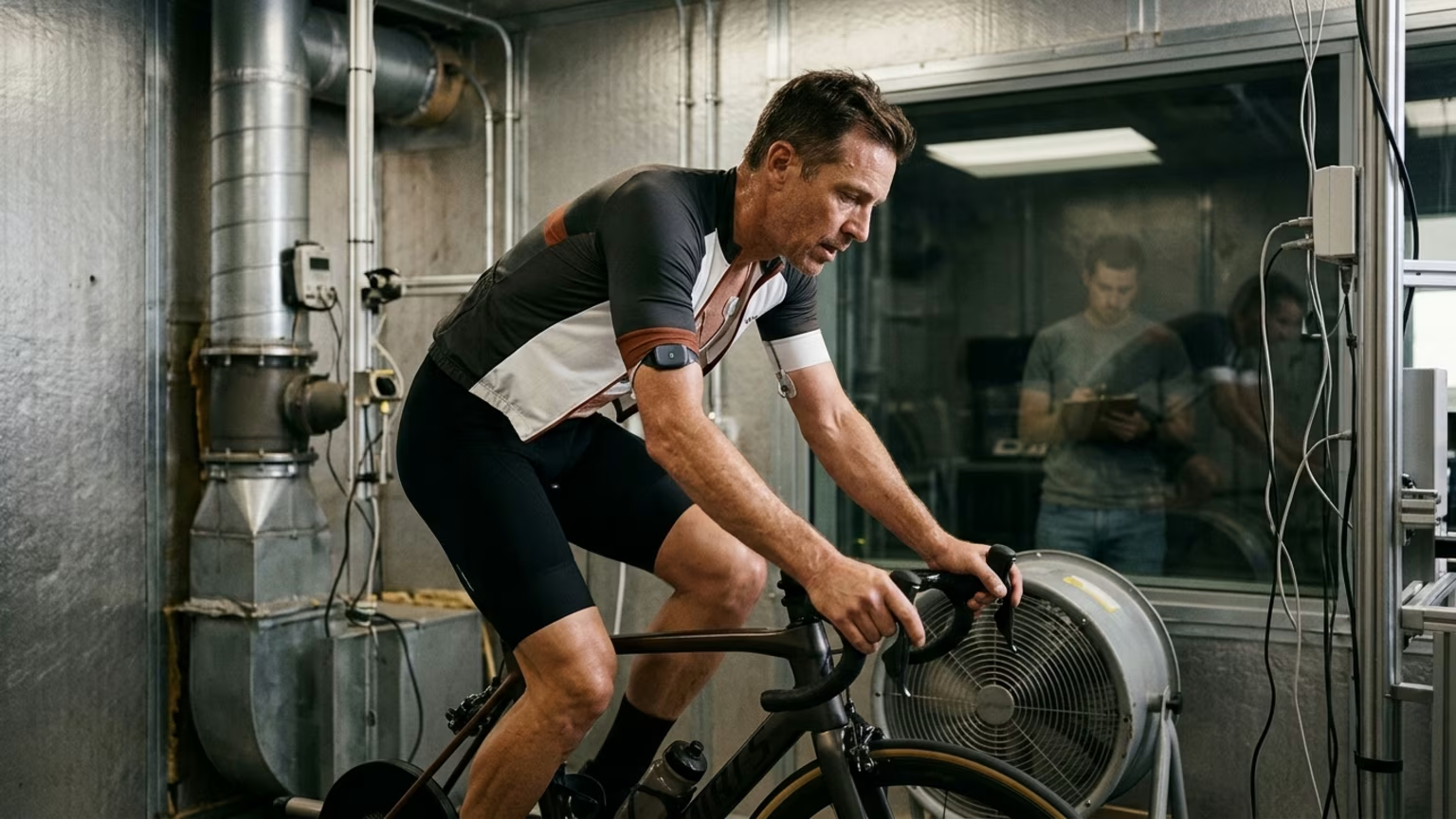
A six-month cycling-based endurance pilot summarized by Elysium Health on October 26, 2026 reported improved aerobic fitness alongside a modest change in an aging-related biomarker. The participants were adults aged 35 to 65, putting the study squarely within the age range of many ambitious endurance athletes.
The report brings together two different outcomes: an improvement in VO₂max and a shift in GrimAge, an epigenetic clock. Understanding the difference between those outcomes is the practical value of this story.
According to Elysium’s summary, VO₂max rose by 20% over the six-month program. The summary also reports an average decrease in GrimAge of 7.44 months relative to the trajectory expected from chronological age.
The fitness result and the clock result deserve separate attention. VO₂max is an aerobic-fitness measure. GrimAge is an estimate generated from biological measurements, with a different purpose and interpretation.
Elysium describes epigenetic clocks as algorithms that combine DNA-methylation patterns across many sites into an age-related or aging-related estimate. It describes GrimAge specifically as a clock trained against physiological measures and mortality risk.
That makes the clock interesting to researchers studying exercise and aging. It also makes the wording around the result important: the reported decrease was relative to an expected chronological-age trajectory. That comparison belongs alongside the number whenever the finding is discussed.
Elysium also reports that the GrimAge shift tracked improvement in VO₂max but not changes in body composition. In other words, participants’ fitness changes and clock changes were related within the pilot. Body-composition changes did not show the same reported relationship.
For an endurance audience, this is the central observation: a cycling program was accompanied by both better aerobic fitness and a favorable movement in an aging-related measure. The next question is how confidently the study design allows those observations to be interpreted.
Elysium reports that 42 adults enrolled in the pilot. Of those participants, 38 completed the program and 33 met the study’s adherence threshold.
Those are distinct groups. Enrollment tells us who started. Completion and adherence describe different aspects of participation, so the enrollment figure should not be treated as though everyone completed the intervention as intended.
The important qualifications belong together:
The choice of clock adds another interpretive issue. Elysium notes that clocks were built differently and may respond differently to the same intervention.
As an example, its review reports that the two-year CALERIE trial shifted DunedinPACE but did not change PhenoAge or GrimAge. That was a separate intervention, not a replication of this cycling pilot. Its relevance here is that “biological age” is not one interchangeable measurement with one consistent response.
Taken together, these qualifications place the cycling result in the category of preliminary evidence. It is a useful observation for researchers to pursue, with stronger conclusions dependent on stronger study designs.
For athletes aged 35 to 65, the practical translation is mainly about priorities. The report gives aerobic fitness a central role while adding an interesting research question about an accompanying biomarker.
Reendure’s focus is performance today and continued participation for years to come. Within that frame, a laboratory estimate is supporting information rather than the organizing principle of a training plan.
The pilot’s reported fitness improvement is the clearest training-relevant outcome. It supports keeping attention on aerobic fitness rather than shifting the goal toward making an age estimate move in a particular direction.
That distinction matters when deciding what success means. A fitness goal and a clock-score goal are not the same project. For an endurance athlete, the former connects directly to the reason for training: building the capacity to keep participating and competing.
The practical response is to prioritize consistent training for fitness and long-term participation. There is no need to turn this report into another target that must be tracked alongside every other training metric.
The same measurement-versus-decision distinction is useful when putting recovery scores in context. A number can inform a conversation without taking responsibility for the entire decision.
A separate GeroScience study provides a different perspective on endurance sport across later life. It followed highly active older cyclists over nine years.
Of 125 cyclists originally assessed, 82 returned for follow-up. They were aged 64 to 86 at that point. Mean VO₂peak fell 19.7%, from 44.1 to 35.4 ml·kg⁻¹·min⁻¹.
This was a different population followed over a much longer period, with physiological outcomes rather than a test of whether training changes GrimAge. It should be read as endurance-aging context rather than confirmation of the pilot.
The distinction is valuable. A short intervention asks how measurements change during a defined program. A longitudinal study asks what happens as people grow older over years. Those questions can inform the same athlete without producing identical messages.
For the veteran athlete, that argues for keeping both time horizons in view: the fitness being developed now and the ability to remain involved in the sport later. Our broader discussion of interpreting endurance research across the lifespan follows that same long-term perspective.
An evidence-grounded response need not involve adding another test or rebuilding the training calendar. Consistency and continued participation remain reasonable priorities for athletes balancing ambition with the rest of life.
The useful planning question is whether training serves meaningful fitness goals over time. A favorable laboratory result can be interesting without becoming the reason every session exists.
When work or family demands are the immediate constraint, making training sustainable with less available time is a more relevant planning question than pursuing a clock score. That keeps attention on participation rather than on accumulating measurements.
This pilot does not create an obligation to purchase an epigenetic test. Interest in the science and a personal decision to undergo testing are separate matters.
For anyone considering such testing, questions about its relevance to personal health belong with a qualified healthcare professional. The purpose should be clear before a result is allowed to influence health or training decisions.
The cycling pilot offers an encouraging pairing: reported aerobic-fitness gains alongside a modest favorable shift in GrimAge. Its most useful contribution is the question it raises about how training and aging-related measurements relate.
For endurance athletes over 35, the response can remain straightforward. Keep fitness and continued participation at the center of the plan. Treat the clock finding as a reason for further research rather than a new training objective.
The ambition does not need to shrink. It simply needs a sound target: building the capacity to keep doing the sport, while allowing the science of aging biomarkers to become clearer.

Follow ReEndure for practical insights on endurance training, recovery, nutrition and healthy aging. Stay connected for new articles, research led guidance and ideas to help you perform better for longer.




Read practical ideas on endurance training, recovery, nutrition and healthy aging to keep progressing for years to come.
Read the Blog